Will a Cat Purr When They’re in Pain? Vet-Verified Facts & Advice


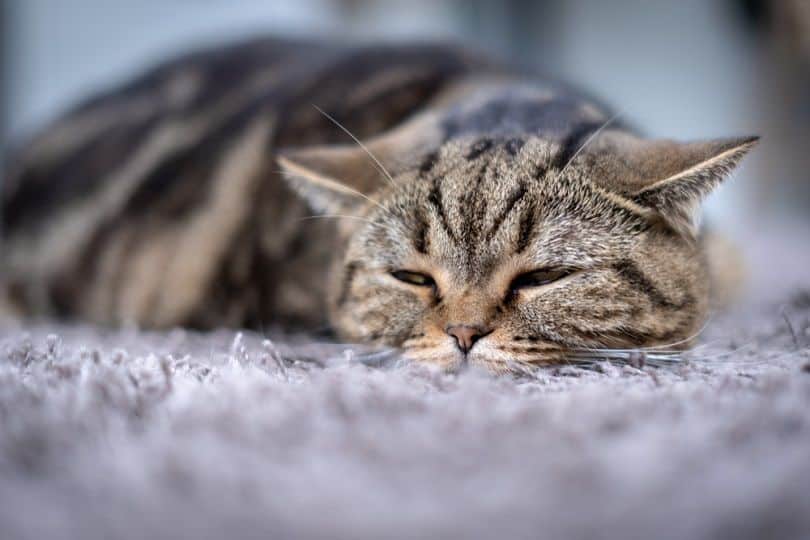
As cat parents, most of us see a cat’s purr as a sign that our feline is happy and content with their life. In most cases, that’s true, but cats purr for other reasons, including when they’re in pain. It’s thought that your cat’s purrs might have comforting and reassuring effects that help the cat feel better when they’re in pain or sick. Of course, that is not an alternative to taking your cat to the vet, so schedule an appointment if you feel your cat is sick or injured.
In this article, we’ll examine pain in cats, its clinical signs, and how purring relates to it.

How Does Purring Help Cats in Pain?
Various studies have shown that cats in pain do purr, and we know that it helps with the cat’s stress levels and ultimately may help them feel more reassured and even have healing properties. How does purring help cats in pain?

Purring Is Vibrational Therapy
Purring is a form of vibrational therapy for cats. The rapid movement of your cat’s vocal cords occurs at 25 to 150 Hertz. Similar to the vibration therapy used in humans, purring may improve bone and joint health, stimulate bone healing and muscle function, and reduce edema and pain based on some of the current research, although there is a need for more studies and further critical evidence on this topic.1 While this trait of purring may have evolved as a low-energy means of stimulating muscle and bone repair, it should certainly never be relied upon for sole therapy for an injury; we still strongly advocate you bring your cat to the vet if they are showing any signs of illness or an injury!
Purring Releases Endorphins
As with humans, cats’ endorphins are responsible for feeling happy and content. Many pet owners don’t know that endorphins may also help with pain management. They may work as an analgesic, diminishing the perception of the pain.
Purring and Its Relation to Breathing
If your cat is in pain or has a respiratory issue, they may find it hard to breathe. They may still purr to reassure themselves, but even purring for this reason will be more rapid and short. Any breathing difficulty or increased effort with changes in your cat’s purring is a reason to get them checked by your veterinarian.
Signs That Your Cat Is Sick or in Pain
It’s hard to know when your cat’s in pain just by their purring because cats purr for various reasons.

1. Breathing Is Labored
When a cat is sick, sometimes it affects their breathing. Normal breathing for a feline is up to 30 breaths per minute with very subtle, barely noticeable chest movements. If your cat is in pain or has a heart or respiratory issue, they could experience taking more than 30 breaths per minute, breathing with an open mouth or with a lot of effort, exaggerated abdominal and chest movement, or upper respiratory noise. All of these signs require emergency veterinary attention.
2. Loss of Appetite
Cats that are sick or in pain often don’t feel like eating. A healthy cat will eat and drink many times throughout the day. If you think your cat isn’t eating normally, try presenting the food and water to them personally in the way you usually would. If the cat refuses it, they might be in pain or sick. If your cat exhibits this sign for 24 hours or any other signs of illness, it’s crucial to take them to the vet urgently for diagnosis and treatment.

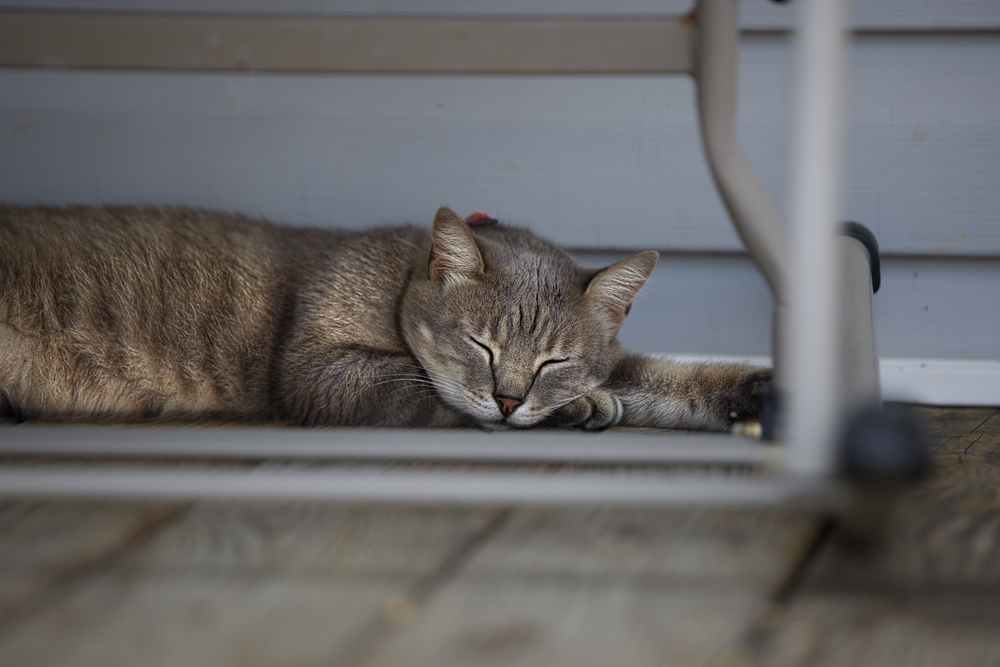
3. Hiding in Dark Spaces
Injured or sick cats try to get away from everyone by hiding in small, dark spaces to be alone. The cat feels more in control of the situation if they’re not exposed to other animals and people in the household or out in the open, making it easier to conserve their energy while dealing with the pain or illness.
Being in the dark may also make them feel better because predators can’t find and prey on them in their vulnerable state. While that’s not the case with indoor cats, it’s an instinct that cats exhibit in the wild.
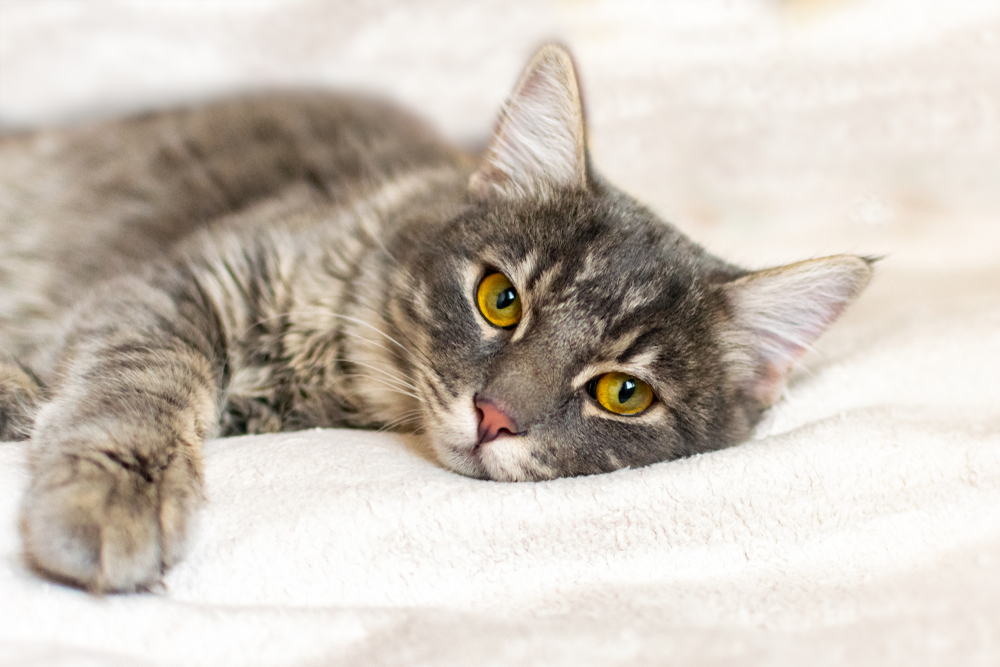
4. Lethargy
If your cat is in pain, they will become more lethargic. While most cats are laid-back creatures that sleep up to 15 hours a day, there are always times throughout the day when the cat is active and playful. Healthy cats have sudden bursts of energy where they run, jump, pounce, and play.
If your cat is in pain, they will not be willing to do any of those activities.

5. Other Signs
Other common signs of pain or illness in cats involve limping, excessively licking a certain area where there may be a wound or an injury, and changes in their urination and defecation habits. All of these, particularly urinary issues, require urgent veterinary attention and may cause life-threatening complications if left untreated.
What to Do for a Cat in Pain
It’s hard to see your beloved pet in pain, especially when there is nothing you can do about it. While waiting for your vet’s appointment, keep your cat as comfortable as possible. Reassure them and ensure they are not disturbed by other animals or children. You can set their food and water within reach and place their favorite toys and stuffed animals nearby for comfort.
However, if your cat has not been eating for 24 hours or more, is showing signs of any respiratory difficulties, is lethargic or not responsive, is unable to use one or more of their legs, is crying in pain or yowling, is straining to urinate, or is struggling to defecate, they need to see your vet urgently, no matter the time of day. Many of these indicate a severe and often life-threatening illness.
Wrapping It Up
Although it seems strange, cats will purr when they are in pain. However, purring is not the best way to tell that your cat is in pain or sick. If your cat exhibits any of the signs above, contact your vet immediately for an appointment.
Sources
Featured Image Credit: one photo, Shutterstock

Expert cat care, straight to your inbox
Vet-reviewed advice, behavior tips, and the best of Catster. Free, and you can unsubscribe anytime.
By signing up, you agree to our Terms & Conditions and Privacy & Cookies Policy.
Patricia is a pet writer and lifelong animal lover. She has two cats (Binx and Link) and one dog (Mystery). Binx was found as a kitten under her house and has been part of the family ever since! Patricia is also a published author under the pen name Skylar McKinzie. When she isn’t writing, Patricia enjoys volunteering at her local animal rescue.
Join the conversation
Ask a question, share your story, or send private feedback.