Get

In Your Inbox

Catster is reader-supported. When you buy via links on our site, we may earn an affiliate commission at no cost to you. Learn more.

Why Does My Cat Purr When They’re Asleep? Vet-Reviewed Feline Behavior

Share

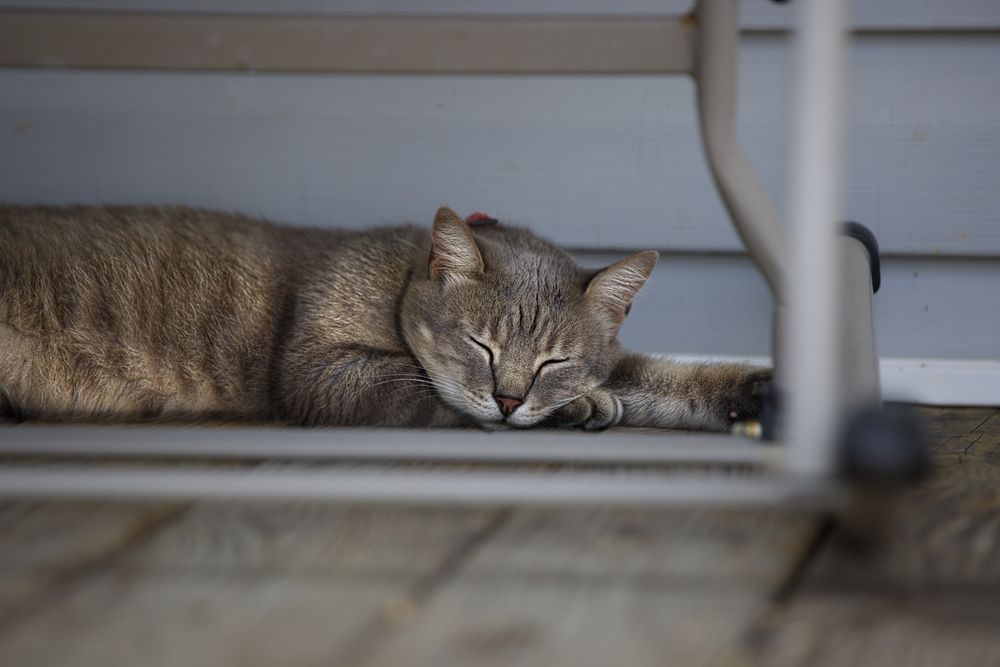
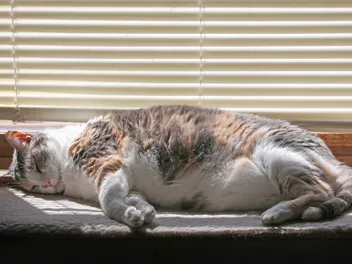
cat under porch sleeping

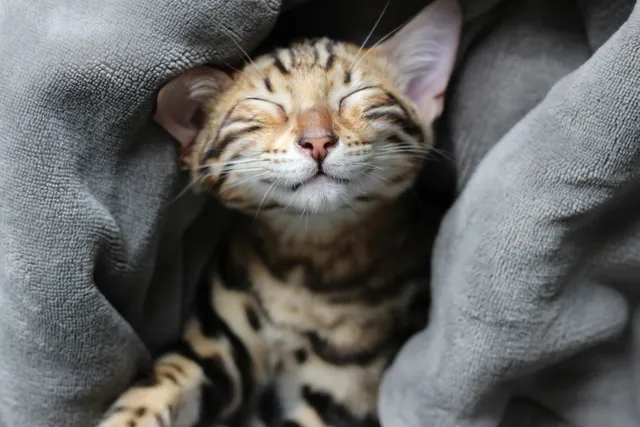
Is there anything sweeter than seeing a cat curled up in a cozy nook, purring in their sleep? We can’t think of much that beats it. But if you’ve ever wondered why cats purr in their sleep—and if they’re really as happy as they seem—we’re here to reassure you. Cats who purr in their sleep are usually relaxed and content and are generally snoozing or napping. If you want to learn more about why and how cats purr—and other reasons they might purr while dozing off to sleep—keep reading!

divider single cat paw oct 2024Purring and Relaxation

What even is purring? When cats purr, they do it continuously, whether they’re breathing in or out. That’s because purring is caused by a vibrating larynx or voice box. The muscles that make up the larynx expand and contract very quickly, creating a constant hum that varies from cat to cat.1 Although we don’t know all the reasons why cats purr, we know that it is good for them. It is also really good for us—the sound of a cat purring can induce relaxation and have a positive impact on our body and mind.

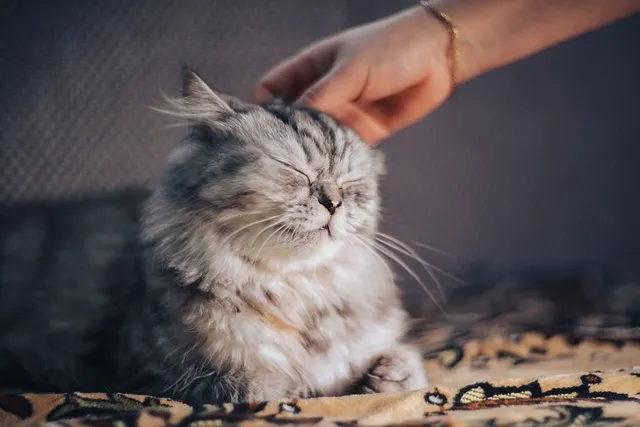
Scientists now believe that purring, like meowing and hissing, is a passive phenomenon that plays out automatically after cats’ brains provide the initial signal to purr, but it can also occur independently of the brain, without its input.2 This usually happens when the cat is relaxed and content. That’s true when they’re preparing for sleep, too, or if they get woken up by their human from a snooze! Your cat likes to sleep in places where they feel safe and relaxed. This might be a cozy nook or right next to a trusted human like you. Settling down to rest somewhere relaxing sometimes triggers the purring, even if your cat is drowsy and not entirely aware of their own purring.

Grey shorthair cat sleeping on sofa
Image Credit: AC Manley, Shutterstock

How Is Purring Related to Sleep

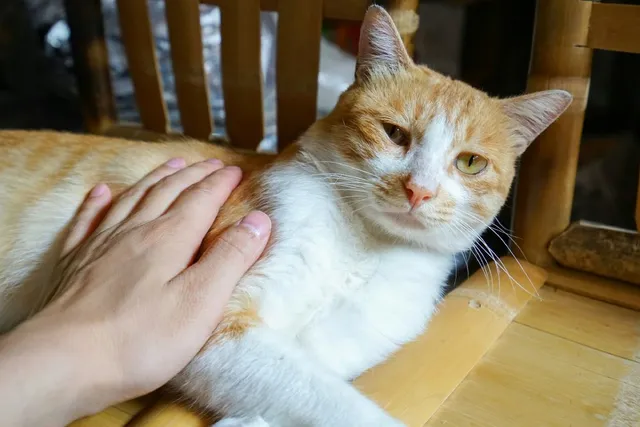
Although cats usually purr for happy reasons, that’s not always true. Cats can also have paradoxical purrs during times of stress, pain, fear, or sickness. These purrs might be a way to help your cat calm down or soothe themselves. There’s also evidence that purring can actually help your cat heal from some injuries. This means that if you see your cat purring as they’re trying to snooze, combined with other signs of stress, pain or illness, everything might not be perfect. Although purring because of injury or anxiety is less common, it’s still worth knowing about. If there is any doubt about your cat’s health, and they don’t seem quite right, it’s important to get them checked by your vet as soon as possible.

Another reason for purring may be dozing off into the first stage of non-REM or light slow-wave sleep. At this stage cats can still be easily woken up and they are aware of their surroundings. Afterwards they enter deep slow-wave sleep, where they are less responsive to outside stimulus, followed by REM, which does not occur in every stage. During the Rapid Eye Movement (or REM) stage of sleep, cats experience vivid dreams, just like we do. You might see your cat make small movements or twitches, of their face, paws or tail.

Other Reasons for Purring

Although cats usually purr for happy reasons, that’s not always true. Cats can also have paradoxical purrs during times of stress, pain, fear, or sickness. These purrs might be a way to help your cat calm down or soothe themselves. There’s also evidence that purring can actually help your cat heal from some injuries. This means that if you see your cat purring as they’re trying to snooze, combined with other signs of stress, pain or illness, everything might not be perfect. Although purring because of injury or anxiety is less common, it’s still worth knowing about. If there is any doubt about your cat’s health, and they don’t seem quite right, it’s important to get them checked by your vet as soon as possible.

If you need to speak with a vet but can't get to one, head over to PangoVet. It's an online service where you can talk to a vet online and get the advice you need for your pet — all at an affordable price!

Preventative wellness PGV mention keep cat healthy Preventative wellness PGV mention keep cat healthy mobile

Purring vs Snoring

Finally, if your cat’s light sleep purrs sound different from their waking purrs, your cat might actually be snoring. This usually happens when your cat is sleeping deeply and is more common in cats with allergies, flat faces, or overweight cats. If your cat has always snored, it’s likely not a big deal. But if you notice that your cat has suddenly started, it might be a sign of asthma, allergies, or other respiratory issues. Look out for other signs of illness in case a vet visit is needed.

divider single cat paw oct 2024

Last Thoughts

As you can see, snoozing and purring can go hand in hand. There are a few reasons why your cat might purr, such as when they are preparing for sleep and rest. Cats can also purr because they are scared, in pain or injured, but that is not as often as when they are relaxed. Your kitty is probably feeling happy and content, whether they are resting or dozing. Feel free to sit back and enjoy the soft, musical sound.


Featured Image Credit: Cheryl Ann Studio, Shutterstock

Want content like this delivered to you?

Sign Up For Our Newsletter

News, insights, expert advice, and everything cat

* By submitting, you agree to our Terms & Conditions and Privacy & Cookies Policy.


How useful was this post?

Click on a star to rate (you can leave written feedback after clicking submit)

Help us improve Catster for pet parents!

Your feedback really matters.

What did you like about this post? Also how can we improve it?

Join the conversation

Leave a Reply

You’re very welcome to leave a comment or question. Please know that all comments must meet our community guidelines, and your email address will NOT be published. Let’s have a positive and constructive conversation.


Talk With A Vet Online

Peace of mind,
anywhere, anytime

Affordable vet advice

The Cat Biting Mistakes Most Owners Make (And What Works Instead)

Cat bites sent more than 400,000 people to emergency rooms in the US each year.1 Not scratches. Bites. And the reason they’re so...

Do Cats Cause Schizophrenia? Scientists Find a Link – Here’s What It Means

Being a fierce advocate (and occasional recipient of) mental health support and awareness, the term ‘crazy’ is not one I like to fling...

One in 100 Cats Gets Diabetes – Here’s How to Catch It Early

One in every 100 cats develops diabetes.1 That’s not a rare, unlucky condition reserved for cats with obvious health problems. It’s common enough...

Dramatic Rescue Turns Into Dramatic Reunion

What started as a routine call for the RSPCA became a heroic, five-hour rescue featuring one trapped and traumatized cat, an emotional family...

More related

Tortoiseshell Norwegian Forest Cat: Info, Facts, Pictures & History

The Norwegian Forest Cat is a stunning sight, with lush, gorgeous coats and a majestic gaze. What makes these cats even more spectacular...

9 Common Cat Parasites: Our Vet Explains Facts, Signs & Treatments

Have you seen some worms crawling in your cat’s stool, or do you want to know what your veterinarian checks for when they...

Can Cats Get Car Sick? Vet-Verified Facts & Info

A car ride often represents three things to your cat: change, a lack of control, and loss of freedom. Felines hate all of...

Why Does My Cat Meow When I Sneeze? 4 Vet-Approved Reasons

If you’ve ever sneezed around a cat, you probably noticed their strange response. Some hiss, while others run away whenever they hear their...

Keep reading

Why Do Cats Hiss? 5 Vet-Reviewed Reasons for This Behavior

Everyone has heard a cat hiss at least once or twice in their lifetime. Cats are well known for hissing, but it can be confusing as to why a cat might be hissing at any given time. So, why do...

a tabby mackerel cat hissing

Wellness Cat Food Review of 2026: Recalls, Pros & Cons

Wellness Cat Food Review Summary Started in 1997 by a team of animal wellness experts, including nutritionists, veterinarians, and food scientists, Wellness Pet Food is the largest holistic pet food sold in independent retailers today. Whenever possible, the company strives...

Wellness Core Cat Food Review

Why Do Cats Like Bread So Much? 4 Possible Reasons & Vet-Approved Alternatives

Cats are interesting and unique, and what attracts some cats might not be another cat’s “cup of catnip tea.” Anecdotally, some cats seem to like bread, although it is not exactly something they would come across in the wild. So...

grey cat smelling fresh bread

Can Cats Eat Hard-Boiled Eggs? Vet-Verified Nutrition Facts & FAQ

It’s difficult not to treat your furry friend to a little piece of your meal, but there’s always some concern as to whether our cats can indulge in the same foods that we do. That concern is amplified with foods...

Can Cats Eat Hard-Boiled Eggs

The History of Commercial Pet Food: Invention & Timeline

Most cats and dogs today eat commercial pet food, but when was pet food invented, and at what point did it become popular? Dry biscuits for dogs were first sold around 1860 in the UK and were the creation of...

Cat Does Not Purr: 4 Vet-Reviewed Reasons

It is not fully understood why cats purr or how they do it, but you can generally expect your beloved feline family member to purr when they are feeling content. Purring is typical of cats when they are being petted...

Tabby green eyed cat being pet

Laser Declawing Your Cat – Vet-Reviewed Facts & Considerations

Veterinary professionals and reputable veterinary and animal welfare organizations, such as the American Veterinary Medical Association and the American Society for the Prevention of Cruelty to Animals, have released statements against cat declawing if done for the purpose of managing...

paw with long and sharp claws_RJ22_shutterstock

Can a Cat With Feline Leukemia Live With Other Cats? Vet-Reviewed Facts & FAQ

Feline leukemia, or FeLV, is a virus that is the second leading cause of death in cats. It’s a serious condition that must be dealt with throughout an infected cat’s lifetime. Luckily, a vaccine that prevents cats from getting it...

sick cat with feline disease

Love Cats? So Do We! Join the Catster Community

Stay informed with expert pet care insights delivered straight to your inbox! Discover professional guidance on animal behavior, feeding tips, trusted product picks, and much more.


Sign up for the Catster Email Newsletter

Stay informed with expert pet care insights delivered straight to your inbox! Discover professional guidance on animal behavior, feeding tips, trusted product picks, and much more.