Why Does My Cat Pee So Much? 7 Vet-Reviewed Reasons

In this article
Your cat's bathroom habits generally won't be at the forefront of your mind unless you already suspect that something is wrong. But when you observe your cat doing something unusual, it tends to stick with you.
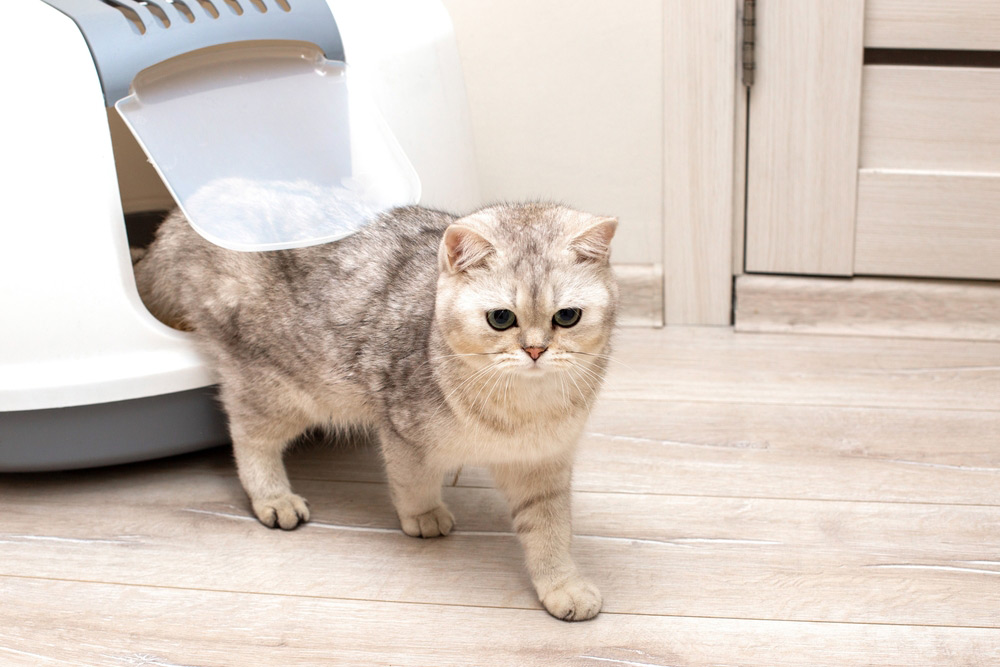
If your cat has been making more frequent or longer trips to the litter box than usual, it might stick out as something that you should worry about. Here are seven possible reasons your cat might be peeing more frequently or in a larger volume than usual.

Cleaning Tips for Cats That Pee a Lot
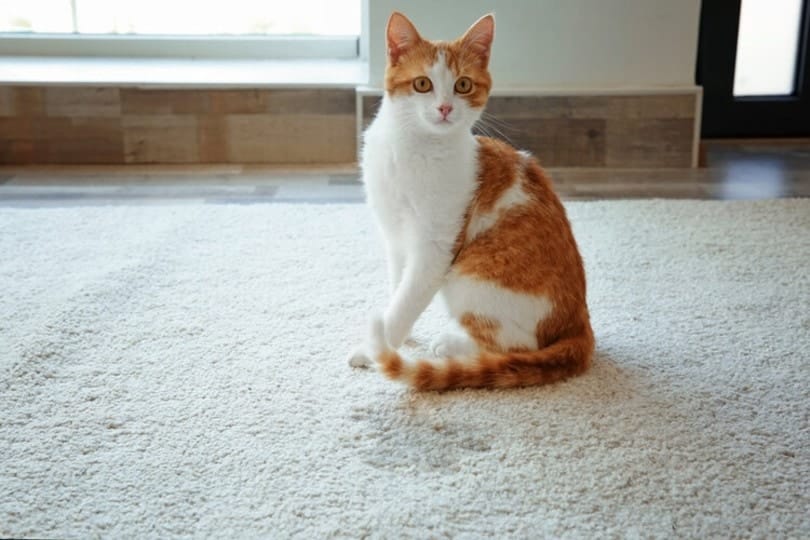
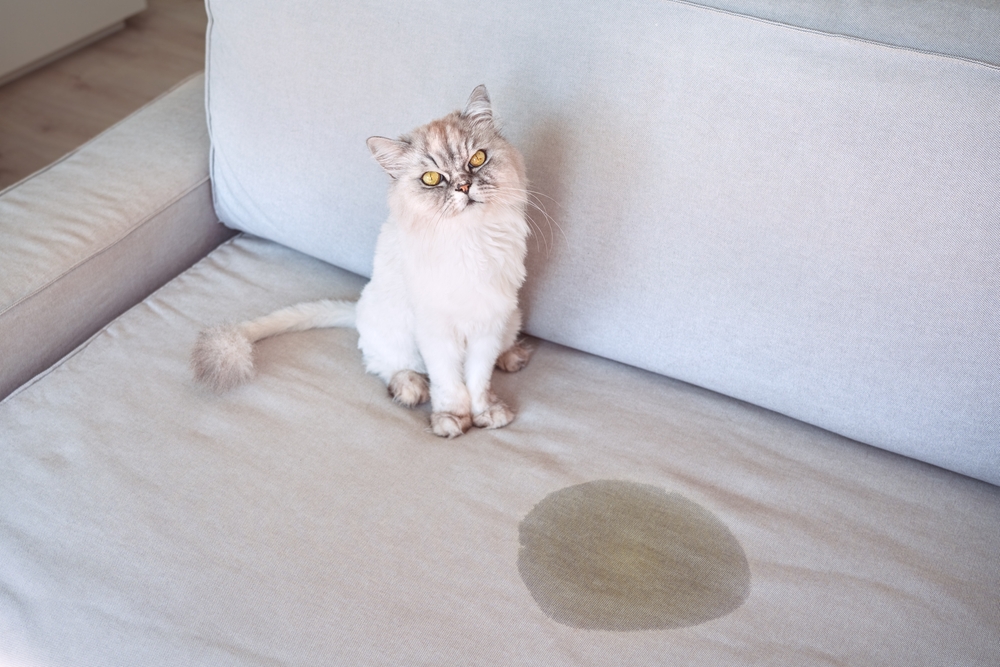
If your cat is peeing absolutely everywhere, you may feel a little stressed about the cleanup. Acting quickly will help you avoid stains and smells, as will a great enzymatic cleaner.
Our Favorite Enzyme Cleaner
The Hepper Advanced Bio-Enzyme Pet Stain & Odor Eliminator Spray is our favorite enzyme cleaner out there. It permanently removes even the very worst kitty stains and smells, leaving your home fresh and clean! Click here to learn more about this amazing product and get yourself a bottle.

- ADVANCED ENZYMATIC CLEANER - Penetrates the most stubborn smells and stains at the deepest molecular levels to dissolve any pet mess you encounter and lift it away at the source.
- FOR ANY MESS, ON ANY SURFACE - This pet odor eliminator cleans your carpets, floors, furniture, fabrics, and more. Whether it's urine, feces, vomit, or drool, you can erase all foul spots and smells!
- FRESH, NATURAL ODOR - Our unique formulation doesn't rely on dangerous or unpleasant chemical fragrances to get the job done. We eradicate smells and stains, not just cover them up.
At Catster, we’ve admired Hepper for many years, and decided to take a controlling ownership interest so that we could benefit from the outstanding products of this cool cat company!

Pollakiuria vs Polyuria
First, we need to define the difference between pollakiuria (peeing more frequently than usual) and polyuria (peeing a larger volume than usual). Without solidifying the difference between these two signs, it's impossible to determine what might be ailing your cat.
Pollakiuria and polyuria have different biological causes. So, it makes sense to separate them. We'll split the list into conditions that might be ailing your cat based on whether they're peeing more frequently or peeing a larger volume.

The 3 Possible Reasons Your Cat Is Peeing More Frequently
If your cat is peeing more frequently (pollakiuria), you could be seeing other signs of urinary tract disease. You could be seeing dysuria (painful urination) or stranguria, which is when your cat tries to pee frequently but only produces small amounts of urine each time. This is usually caused by a blockage of the urethra and it is a life-threatening situation.
Important information: If you see your cat trying to urinate unsuccessfully, spending more time than usual in their litter box, changing posture, vocalizing, or making frequent trips or attempts to urinate, contact your veterinarian immediately, as ignoring this can have fatal consequences.
1. Urinary Crystals (Crystalluria)
One of the most common causes of pollakiuria in cats is urinary crystals. A cat's urine might fill with microscopic crystals. When there's an excess of mineral crystals in the urine, this can cause inflammation, pain, and discomfort when urinating and increased urinary frequency.
Crystalluria must be addressed promptly. Your vet will diagnose the problem and provide you with a treatment plan.
2. Feline Lower Urinary Tract Disease
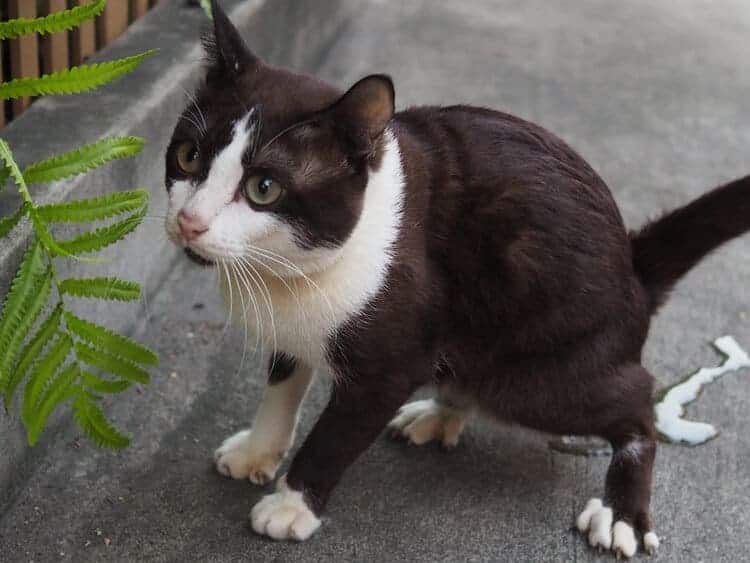
Feline Lower Urinary Tract Disease or FLUTD is the broad term to name any issues related to inflammation of the cat’s urinary tract.
Difficulty urinating, urinating more frequently or outside the litter box, hematuria (blood in the urine), cloudy urine, and over-grooming the genitals are all signs your cat could have a bladder issue. Your cat may eventually develop a urinary blockage, which poses a life-threatening risk. Cats displaying signs of FLUTD should be taken to the vet as soon as possible.
The reasons can be bladder stones, bacterial infections, urethral plugs, idiopathic cystitis, cancer, and anatomical problems. Your vet will let you know what is causing the problem and will provide treatment for each specific cause.
3. Urinary Tract Infection

Urinary tract infections are not very common in cats, as most of their urinary problems come from urinary crystals, plugs, and idiopathic cystitis.
Nonetheless, urinary tract infections remain a risk when dealing with any creature with a urinary system. These are caused by bacteria getting into your cat's urinary tract via the urethra.
When bacteria starts to grow in the bladder and urethra, it can cause discomfort when urinating and increased urinary frequency.

The 4 Possible Reasons Your Cat Is Peeing a Larger Volume
If your cat is making longer trips to the litter box even though they're only peeing (and they're peeing the whole time!), then they're experiencing polyuria. Usually, if your cat is experiencing polyuria, you will also notice an increased thirst drive.
Here are some conditions associated with increased thirst (polydipsia) and polyuria.
1. Hot Weather
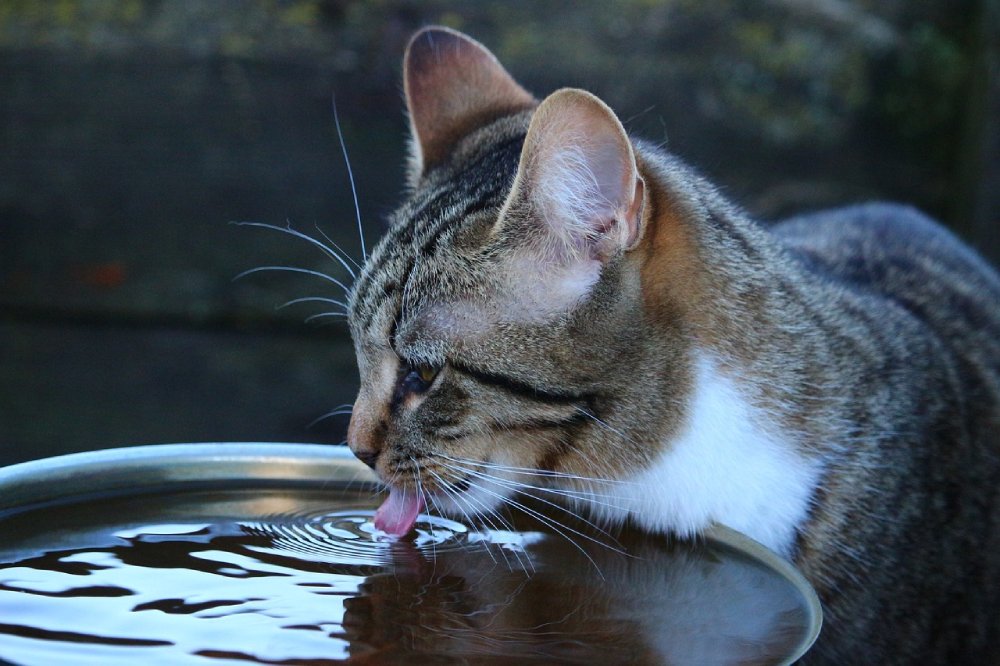
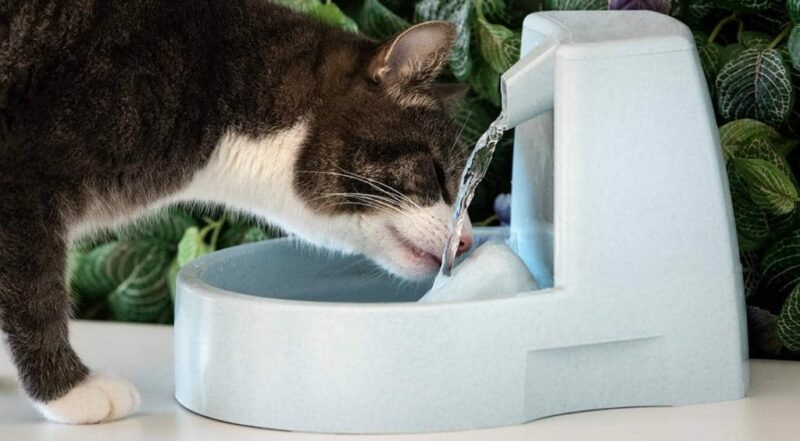
Hot weather is a benign but common culprit in the world of polyuria. When your cat is overheated, they'll be inclined to drink more water to cool the body temperature down, leading to an increased volume of urination and urgency. After all, when you drink more water than usual, it has to go somewhere!

2. Chronic Kidney Disease
Chronic kidney disease is one of the most common causes of polyuria in cats.
It is estimated that it affects one in four cats between 4 and 10 years of age and one in three cats between 10 and 15 years of age.
The causes are multiple, but the end result is irreversible kidney damage that has to be managed with your veterinarian’s help. Kidney disease is classified into four stages, and the treatment depends on the stage your cat is in. The best way to maintain a good quality of life for your cat is to take them for regular check-ups with your veterinarian and address any complications promptly.
3. Diabetes
Diabetes in cats can cause excess levels of blood glucose. That glucose will be voided through the urine, which leads to increased urine production to accommodate the amount of glucose being excreted in the urine.
Other signs of diabetes include sudden weight loss even though your cat is eating very well, increased appetite, and loss of appetite if any complication arises. If not diagnosed and controlled, diabetes can spiral out of control and become deadly.

3. Hyperthyroidism
Hyperthyroidism is the overproduction of hormones by the thyroid gland. Cats with hyperthyroidism may display weight loss with a higher appetite than usual, including increased thirst, leading to an increased amount of urine being passed.
If left untreated, hyperthyroidism can have multiple consequences for your cat’s overall health, leading to high blood pressure and heart disease.
If you're concerned about your cat's health we suggest you speak to a vet.
Final Thoughts
There are many possible causes of increased urination in cats. From something as simple as hot weather to something as serious as diabetes, there are many leads that a veterinarian might follow along when assessing your cat's condition. However, the large volume of issues that could lead to increased urination is one of the most important reasons to have your cat evaluated by a veterinarian.
Whether your cat is urinating more frequently or producing an abnormally large volume of urine, your cat should be seen by a veterinarian. Any issues they are having will best be treated under the care of a veterinarian, and a veterinarian can help rule out any problems and put your mind at ease.
See Also:
Featured Image Credit: Lightspruch, Shutterstock

Expert cat care, straight to your inbox
Vet-reviewed advice, behavior tips, and the best of Catster. Free, and you can unsubscribe anytime.
By signing up, you agree to our Terms & Conditions and Privacy & Cookies Policy.
Luxifa is a freelance writer with a passion for animal science and technology. She loves to share the world of animal science with people to help them make informed decisions for themselves and their pets. Luxifa has worked in professional pet care for over six years and strives to help change the world of pet care by bringing the information people need to them in terms they can understand. Knowledge is power, and Luxifa loves to help everyone become the most informed they can be.
Join the conversation
Ask a question, share your story, or send private feedback.