Mast Cell Tumors in Cats: Signs, Causes, Care & FAQ (Vet Answer)

In this article
The mast cell tumor (sometimes referred to as a mastocytoma) is a relatively common form of feline cancer. These tumors can arise on the skin, in the spleen, or the intestines. While some mast cell tumors are relatively benign, with the possibility of cure, others can be malignant and carry a greater risk of spread throughout the body.
Hearing the diagnosis of a mast cell tumor can be overwhelming. What caused this to occur? Where do we go from here? What even is a mast cell? This article will answer common questions about feline mast cell tumors, exploring signs, causes, treatment options, and more.

What Is a Mast Cell?
Mast cells play an important role in your cat’s health. They are a type of white blood cell that performs several important immune functions. If a cat is “invaded” by allergens, parasites, or even venom, mast cells are activated as one of the immune system’s first responders.
Mast cells release several chemicals in an effort to restore the body to normality. One of these chemicals, which is relatively well known, is histamine. Histamine is the chemical that triggers redness, inflammation, and itching during an allergic reaction or hay fever episode.
What Are Mast Cell Tumors?
Mast cells, just like many other cells in the body, can turn cancerous. When this occurs, the normal and controlled division of mast cells has become de-railed, leading to aggressive and uncontrolled proliferation of abnormal cells.
In cats, mast cell tumors can arise in three parts of the body:
Signs of Mast Cell Tumors in Cats
The signs of mast cell tumors in cats are variable. They depend largely on which of the above three organs are affected, how aggressive the tumor is, and how far the cancer has progressed.
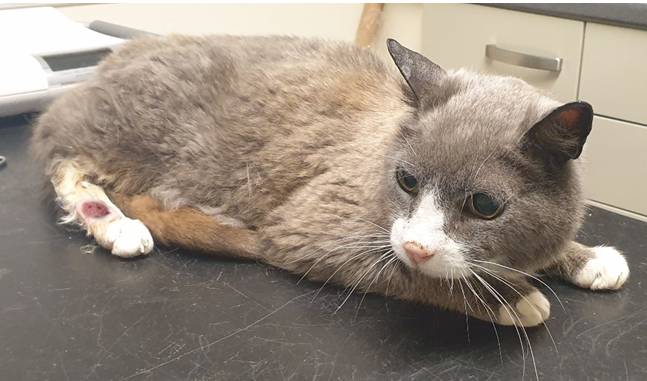
If the tumor is on the skin, you may notice a firm plaque (hard, flattened area) or a lump under the skin; however, mast cell tumors can take on many different appearances. While they commonly occur around the head and neck, other parts of the skin can be affected. The lesion may be itchy as a result of histamine release by the tumor.
If your cat has the splenic form of disease, weight loss, vomiting and loss of appetite are common signs. These signs are vague or “non-specific”, and can be confused with other diseases.
If the tumor affects the intestines (bowels), gastrointestinal signs are more common. These include vomiting and diarrhea. Fresh red blood may be visible in your cat’s stool, or the stool may have a dark/tarry appearance (representing digested blood). Weight loss and reduced appetite are also possible. Unfortunately, feline mast cell tumors can spread to neighboring organs and lymph nodes.
What Are the Causes of Mast Cell Tumors?
Like many cancers in pets and people alike, the exact cause of mast cell tumors remains unknown. The formation of mast cell tumors is likely “multifactorial”, meaning several factors contribute to tumor development. Some of these factors are environmental, and others are genetic or hereditary.
A certain tiny protein called KIT helps control or regulate mast cell division. It is believed that this KIT protein undergoes a mutation, allowing mast cell division to occur in an abnormal and aggressive manner.
Diagnosing Mast Cell Tumors in Your Cat
Diagnosis of mast cell tumors can be very straightforward, or relatively challenging. If the tumor is on the skin, your vet may be able to take a fine needle aspirate and reach a fairly conclusive diagnosis. This involves using a small needle to “suck up” some cells from the lump, which are placed onto a glass slide and analyzed under the microscope.
If mast cells and histamine granules are in abundance, the lump is likely a cutaneous mast cell tumor. Surgical biopsies may or may not be indicated.
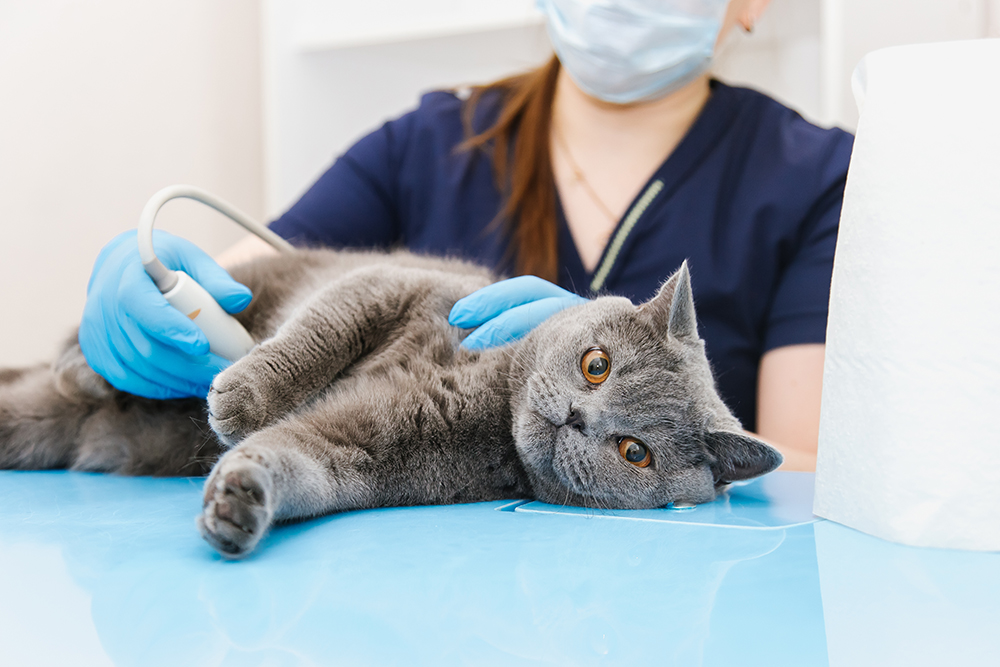
However, it is not possible to perform a fine needle aspirate on splenic and intestinal mast cell tumors, as they lie much deeper, inside the abdomen. These internal tumors tend to be detected on an ultrasound or MRI scan of the abdomen. However, it is impossible to tell from imaging alone what type of tumor is present. Surgical (or endoscopic) biopsies are needed to reach a diagnosis, with samples being sent to an external laboratory for analysis by a specialist pathologist.
Once the diagnosis of a mast cell tumor is made, staging may be performed. This involves performing blood tests, and imaging of the chest and abdomen, to see if the tumor has spread to other parts of the body. Enlarged lymph nodes should also be sampled.

How Do I Care for a Cat With a Mast Cell Tumor?
Caring for a cat with a mast cell tumor requires you to work closely with a trusted veterinarian. There are no at-home fixes for mast cell tumors, and it isn’t recommended to leave them untreated (unless your cat is in a palliative-care state). Surgical removal of tumors is the most common treatment.
It is important to note that surgery is always performed under general anesthesia in cats. For mast cell tumors of the skin, this may be the only treatment necessary to achieve a cure, though the risk of recurrence certainly exists. For splenic and intestinal mast cell tumors, a combination of surgery and chemotherapy may be necessary. Your veterinarian will discuss this with you in more detail.
Antihistamine and antacid medications are often prescribed to help your cat feel better. Following surgery, pain relief is necessary. Cats undergoing chemotherapy may require antibiotics and anti-nausea medications, too. Treating aggressive mast cell tumors can be fairly involved, requiring frequent discussions with your vet and several visits to the vet clinic for check-ups.

Frequently Asked Questions
Are There Any Natural Treatment Options for Mast Cell Tumors?
There are no natural remedies for mast cell tumors. While the internet may be teeming with viable antihistamines, probiotics, and herbal formulas, there is no evidence to suggest that these will shrink or cure mast cell tumors. For cats undergoing appropriate surgical and chemotherapy treatments, natural medications may be a useful adjunct, though they should always be discussed with your veterinarian.
What Is the Prognosis for Cats with Mast Cell Tumors?
The prognosis for cats with a single or solitary mast cell tumor on the skin is good if surgery is performed. The risk of recurrence or spread to other organs is relatively low. Unfortunately, cats suffering splenic or intestinal forms of mast cell tumors have a poorer prognosis. Some cats can live a long life following the removal of the spleen. Intestinal mast cell tumors are more sinister, as the spread is common and achieving a cure is rare.
Which Breeds Are at Greater Risk of Mast Cell Tumors?
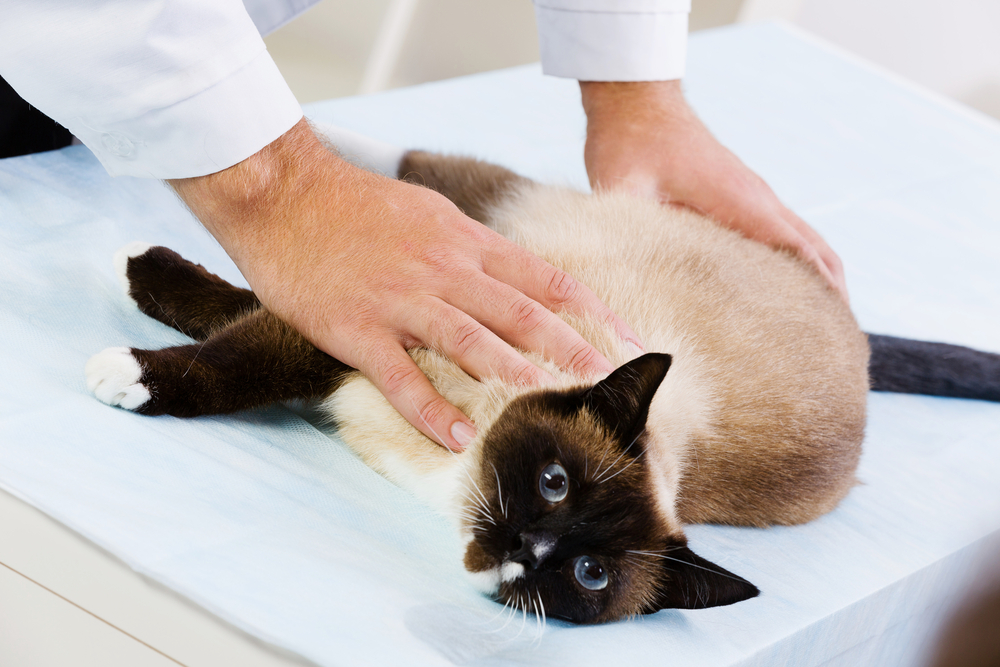
Siamese cats are believed to be more prone to mast cell tumors, though any cat can be affected.

Conclusion
Mast cell tumors are cancers derived from one of the cells of the feline immune system. They can affect the skin, spleen, and intestines. Prognosis is variable, and appropriate veterinary treatment is recommended.
If you have noticed a lump on your cat’s skin, or if your cat is showing signs of being unwell, arrange a consultation with your veterinarian. Earlier detection of mast cell tumors will usually lead to a better health outcome for your cat.
Sources
Featured Image Credit: PRESSLAB, Shutterstock

Expert cat care, straight to your inbox
Vet-reviewed advice, behavior tips, and the best of Catster. Free, and you can unsubscribe anytime.
By signing up, you agree to our Terms & Conditions and Privacy & Cookies Policy.
Dr. Joe Mallat DVM (Veterinarian)
Joe is a veterinarian from Sydney, Australia. When he's not at his office, he enjoys cooking, exercising, and exploring the wilderness in Australia. He has worked for 2 years at a mixed-species practice on the mid-north coast of New South Wales, treating animals of all sizes. His areas of particular interest include internal medicine, wound management and oncology. Joe's love for the profession comes not only from helping cats, but also from helping their parents and working with wonderful teams of people.
Joe completed his Bachelor of Veterinary Biology and Doctor of Veterinary Medicine at the University of Sydney in 2020.
Join the conversation
Ask a question, share your story, or send private feedback.