How to Train a Barn Cat: 10 Easy Steps
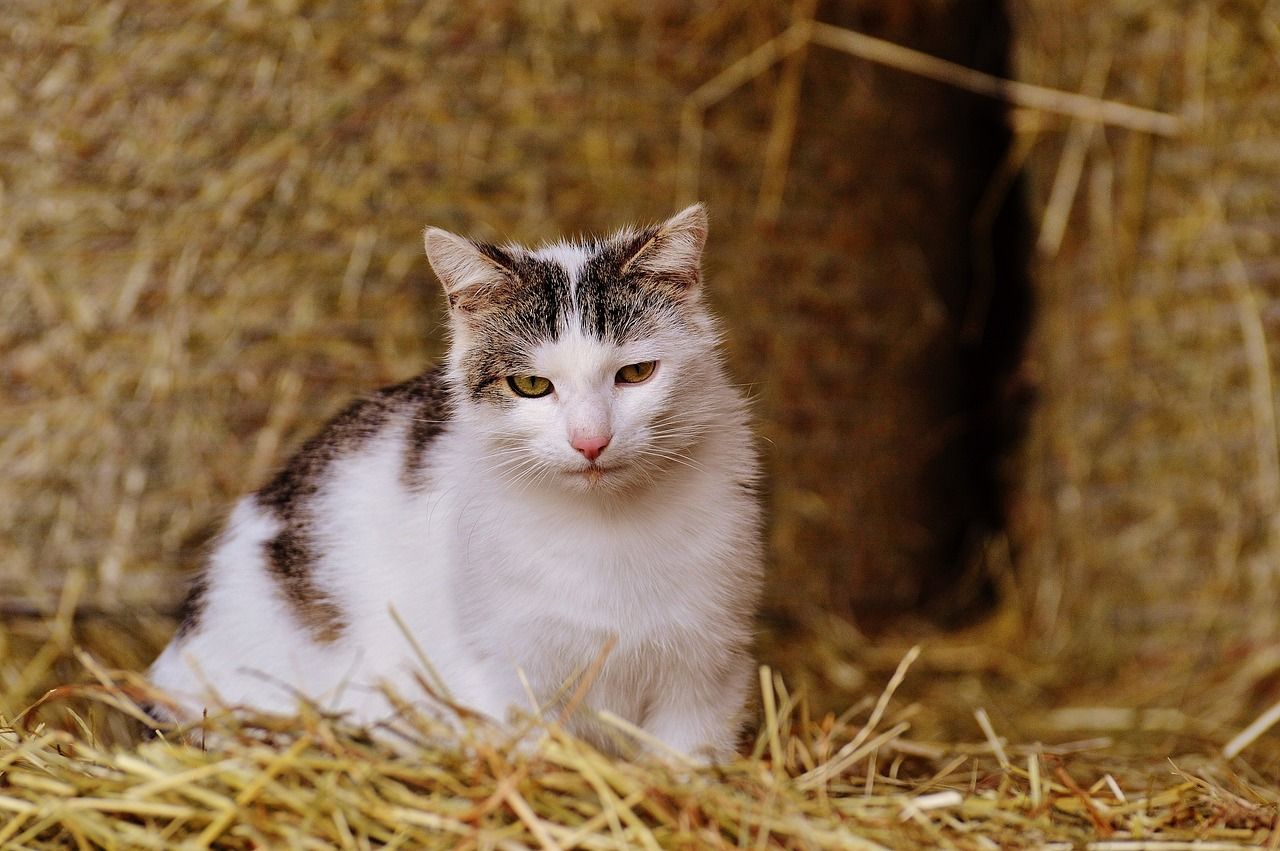
Barn cats are common in almost every barn across the United States and other countries. They’re usually mixed-breed cats that are a bit aloof and somewhat feral but great at keeping mice and rats away. Some barn cats are also affectionate and establish bonds with their humans, but that’s the exception more than the rule. We developed a 10-step guide on how to train a barn cat, along with tips and valuable advice.

The 10 Steps to Training a Barn Cat
1. Crate Training Is a Must
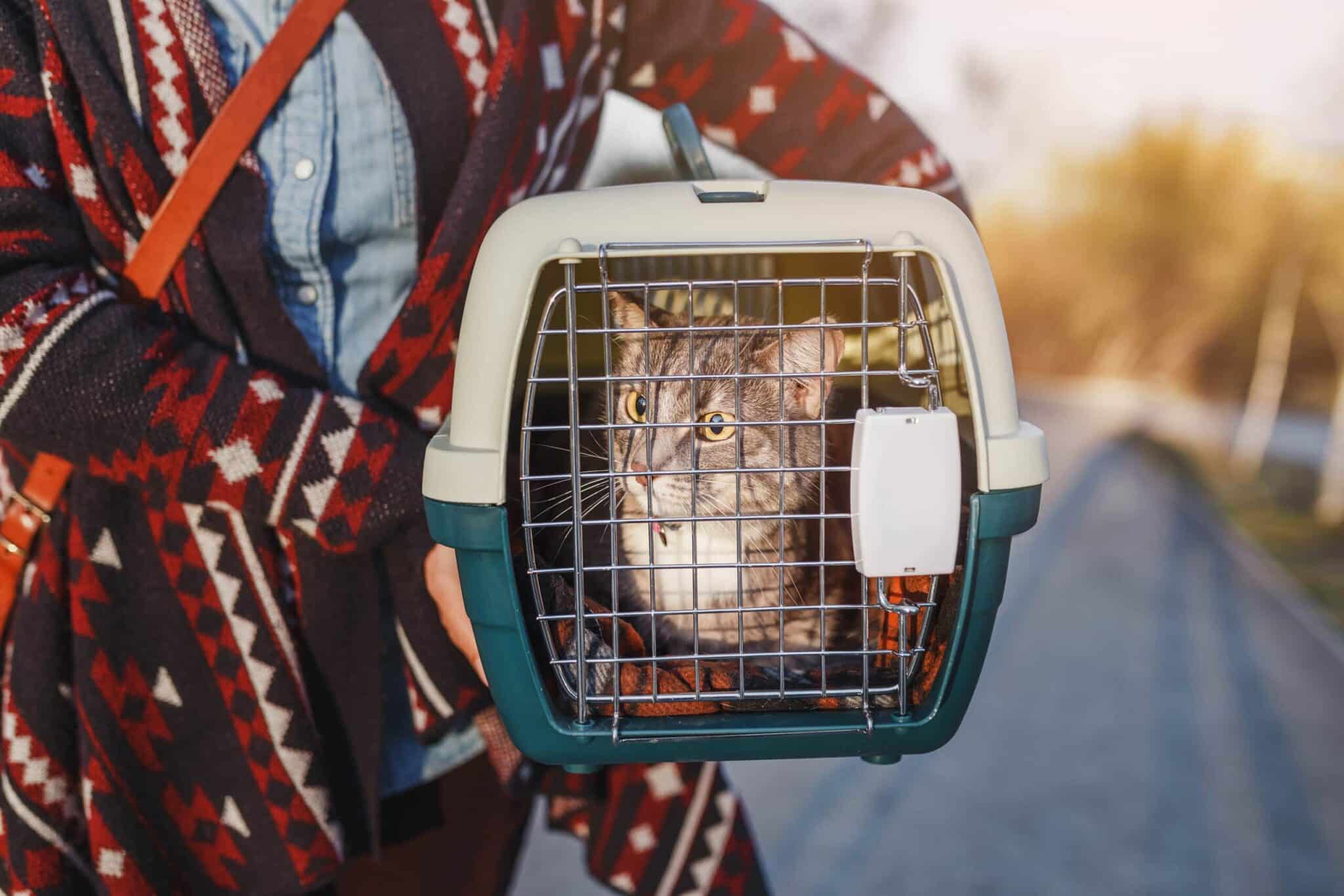
Although cats aren’t fond of being cooped up in a pen or cage, to train a barn cat, you’ll need to crate-train them first. Crate training shows your barn cat that the barn is its home and always will be. Also, your barn cat will acclimate to their new surroundings faster and create a bond with the barn environment. Of course, if your barn cat was born in your barn and grew up there, crate training probably won’t be necessary.
If you need guidance on training your barn cat, we suggest you speak to a professional trainer or a vet.
2. Cover the Crate Partially
It’s a good idea to partially cover your barn cat’s crate with a blanket or cardboard so they don’t feel exposed. This will allow your furry friend to feel more relaxed and less stressed when inside its crate, which is vital if you want them to stick around after crate training has ended. Trainers recommend covering three sides and the top, leaving only the front side exposed.

3. Leave Food, Water, a Litter Box, and a Toy in Your Cat’s Crate
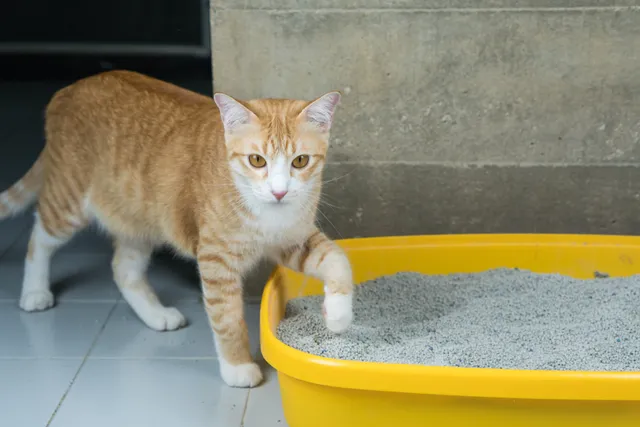
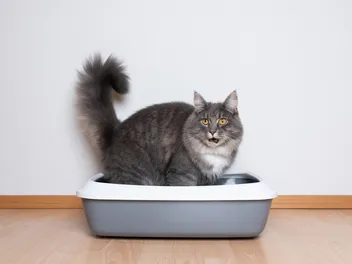
It’s crucial to leave food, water, and at least one toy in the crate. This is especially true if you leave your cat alone for a few hours. Placing a litter box inside the crate is also necessary, so your cat won’t be able to go potty anywhere else but inside its crate.
4. Give Your Barn Cat Wet Food Treats Twice a Day
To bond with your new barn cat, offering small, wet snacks twice a day is a great idea. You should also stay by their crate and talk to your cat so that it gets to know the sound of your voice and becomes accustomed to your presence. The same can be said for anyone else living on your farm. This socialization process will help your barn cat immensely and be a big boon when you finally open its crate and let it roam free on the farm.

5. After 2 to 4 Weeks, Let Your Cat Roam Free
Once enough time has passed that your cat feels like the barn is its new home, it's time to open its crate and let it roam free. Sometimes, your cat will stay inside its crate for a while, even a few hours, while it decides whether or not to venture out. This is normal, as a barn cat will usually become comfortable in its crate and consider it a safe space.
It's also a good idea to leave the crate in the same spot for at least a week so your cat has a place to return to when it feels threatened, anxious, or tired. Plus, leave food and water inside the crate, so your cat can eat and drink when needed.
6. Place Your Cat’s Crate Near Good Hiding Places
It's likely that when you finally open your barn cat’s crate and let it out, it will quickly run off and hide. This is normal behavior for most cats, who, as small animals, have a great fear of becoming prey and don't like to be confined. The good news is that, after a day or two, your barn cat will likely reappear and be much happier to see you.

7. Move Your Cat’s Food and Water to a Convenient Spot
Depending on how social your cat becomes after being crate trained, you may want to move its food and water bowls to a more convenient spot. This might also be necessary so that other animals, including dogs, cats, ducks, chickens, and rats (among others), don’t eat your cat’s food.
8. Sprinkle Used Litter Where You Want Your Barn Cat to Go Potty
This step might sound gross, but it's very effective. If you take some of the used litter from your cat’s litter box and remove the feces, you can spread it around where you would like them to go potty once they’re released. The scent of their urine and feces will attract your cat to the area and also mimic the natural marking behavior.

9. Don’t Confine Your Cat for Too Long
All cats are unique and will respond to being crated differently. Some will understand that the barn is their new home more quickly than others. Typically, after 3 to 4 weeks, most barn cats will get the picture and stick around when you open the crate’s door and let them roam free. If you crate them for longer than 4 weeks, some cats will run off and never come back because they feel that they’ll be stuck in confinement once again.
10. Keep Putting Out Food Even If Your Barn Cat Disappears for a Day or 3
It's not unusual for a barn cat to go off exploring for a day or two, sometimes even longer. During that time, you should continue to put out food and water. That way, when your cat comes back, they will know they’re still welcome.


Tips for Keeping a Barn Cat Successfully
Although they are cats, barn cats are a bit different than domesticated cats in several ways. Below are some excellent tips to keep a barn cat around.
1. Don’t Try to Bring a Barn Cat Indoors
Some barn cats are more feral than domesticated. Also, a barn cat that hasn't been vaccinated, dewormed, and checked for diseases might spread an illness to other animals and pets in your home.
2. Feed Barn Cats Well to Improve Vermin Eradication
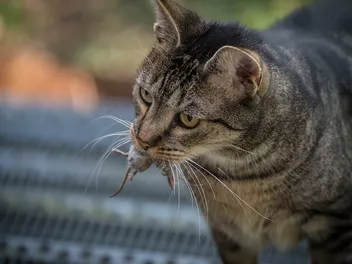
What's fascinating about barn cats is that they’ll hunt for just enough food to survive if you don't feed them. However, a well-fed barn cat will hunt for mice and rats for sport and, in most cases, will kill more of them than it will solely for food.

3. Have Your Barn Cat Vaccinated and Desexed
Although they might not like it because you have to trap them and transport them to your local veterinarian, having your barn cat vaccinated, desexed, and checked for other diseases is critical to their health. The last thing you want is for a sick animal to be on your farm and possibly cause problems for your other animals.
4. Talk to Your Barn Cat While It’s Crated
While crated, you should talk to your cat in a soft, calm voice so they get used to it and used to you. Although a barn cat will probably never be as affectionate as a typical domestic cat, many will come when you call them and follow you around if they recognize your voice.

Final Thoughts
While you can't train a barn cat to do things that the typical house cat will do, you can certainly get them acclimated to your farm, barn, voice, and the other animals. Once training is complete, most barn cats will be happy living in your barn and other places around your farm. It takes a little bit of patience and a lot of compassion to train a barn cat, but the results are undoubtedly worth the effort.
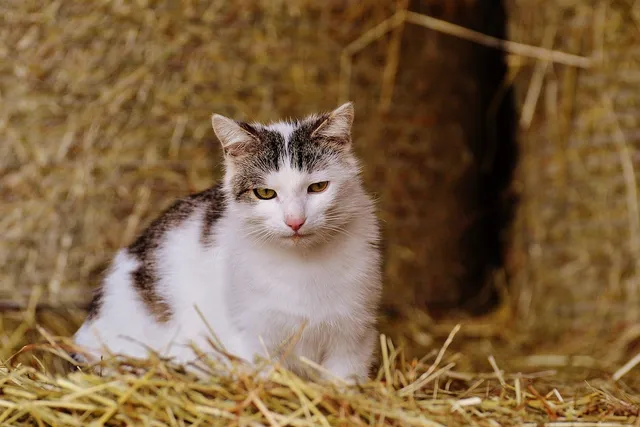
Featured Image Credit: Alexas_Fotos, Pixabay
Expert cat care, straight to your inbox
News, insights, and useful advice, delivered to you.

No spam — unsubscribe anytime.
By signing up, you agree to our Terms & Conditions and Privacy & Cookies Policy.
How useful was this post?
Click a star to rate. You can leave written feedback afterwards. (We read all feedback.)

Gregory Iacono former chiropractor and self-taught writer. Greg has experience in a wide variety of subjects including video script. As a man of clinical experience, Greg has the ability to digest a complex subject and make it accessible to the reader. Greg enjoys traveling and spending time with his two daughters and son.