Get

In Your Inbox

Catster is reader-supported. When you buy via links on our site, we may earn an affiliate commission at no cost to you. Learn more.

National Pet Preparedness Month 2026: When & What Is It?
Share

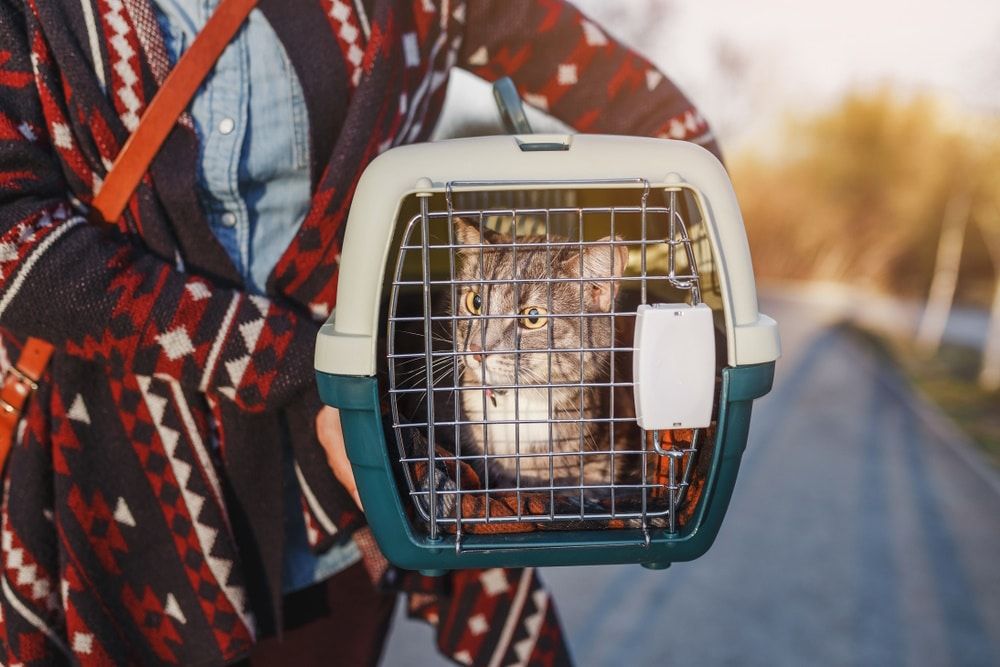
woman carrying cat inside carrier

Throughout recorded history, countless pets and animals have been lost to the unfathomable forces that are natural disasters. From hurricanes savaging the South to cyclones trawling Tornado Alley, the best we can hope for today is to keep our precious pets safe with us. That’s where National Pet Preparedness Month comes in. So, mark every June on your calendar for a rethinking and overhaul of your family’s emergency plan.

divider 2 cats

About National Pet Preparedness Month

How did this safety-focused holiday month come about? In 2003, the US government founded a program simply called Ready to raise awareness about how to protect your pets when the unthinkable happens and your home is in the path of a natural disaster. They partnered with the Red Cross, ASPCA, the Humane Society, and even beer company Anheuser-Busch with the goal of spreading as much awareness as possible so people can make the most educated decisions on how to best protect their pets. National Pet Preparedness Month sprung out of this powerful alliance, and we still celebrate it every June.

According to an ASPCA survey from 20211, 83% of pet owners live in an area affected by natural disasters, but less than half have an emergency plan in place! The same survey found that one in five families had been forced to evacuate during a disaster and almost half left a pet behind in the chaos. With estimates stating evacuees didn’t return home for days to 2 weeks, the outcome for the pets left behind is grim.

That’s why National Preparedness Month is so vital for all pet parents out there. Even if you think you won’t be affected by a disaster, it never hurts to be prepared and could save lives. Let’s dig into some ways you can celebrate this month every June as well as invaluable tips on updating your family’s emergency kit with your favorite four-legged pet in mind.

How to Celebrate National Pet Preparedness Month

It’s not the most fun-filled occasion, but we really can’t emphasize the importance of National Pet Preparedness Month enough. Considering those stats above, it makes it even more important that you celebrate this month wisely by raising awareness among pet parents who may not be as prepared as you are.

Ways to Celebrate National Pet Preparedness Month:

  • Talk to pet owners you know about the importance of having an emergency plan, particularly if you live in a disaster-prone region.
  • Update your emergency supplies with fresh, unexpired items annually, and make sure your current supplies aren’t damaged.
  • Tag your June social media pet posts with the #PetPreparednessMonth hashtag to spread awareness about the month.
  • Find pet-friendly shelters near you, confirm their policies, and share these locations with fellow pet owners to ensure no pet gets left behind during future disasters.
  • Consider investing in pet insurance to further protect your pet from harm that may occur during or after disasters.
  • If possible, after a disaster, volunteer some of your time to animal rescue shelters that may be struggling.
a happy woman using laptop with her cat
Image Credit: Fusso_pics, Shutterstock

Take the Chance to Update Your Pet Emergency Plan (Or Make One!)

Many people rarely think about their emergency plan until it’s too late—don’t be one of those people. If you have an emergency plan but haven’t updated it since you’ve adopted a pet, we urge you to do so in the spirit of National Pet Preparedness Month. Remember that the best way to protect your pet is through proactive preparedness! Let’s review what you should pack in your emergency kit and the essential rules you should be aware of as a pet owner facing potential disaster.

divider 2 cats

What to Include in Your Pet Emergency Plan:

  • A gallon of water per member of your family per day, plus additional water per pet
  • A week’s worth of perishable kibble, canned food, and/or wet food pouches. Refresh any perishable products every so often
  • Collar with ID tag and your contact information in case you get separated from your pet
  • A photocopy of your pet’s vaccinations, prescriptions, and veterinary records in a waterproof zippable bag
  • A week’s worth of any medications your pet takes on a regular basis in case local refills aren’t available right after the disaster
  • Spare leash, harness, and transport crate
  • Human first-aid kit and pet first-aid kit
  • Collapsible food and water bowls
  • Grooming glove, if your pet is amenable to grooming
  • Small bag with cat litter and portable-sized litter pan—use the litter sparingly in case of prolonged periods without access to stores
  • Blanket for warmth
  • A small toy or two per pet to help keep morale up
  • A physical list of addresses where you can shelter with your pet—nearby shelters, out-of-state friends and family, etc.
  • A physical list of major phone numbers you need to be able to reach—friends, family, colleagues, etc.
woman preparing emergency backpack
Image Credit: David Pereiras, Shutterstock

Tips for Navigating a Disaster With Your Pet

The unthinkable has happened and your home is in the path of a deadly hurricane or tornado—what do you do? You have your emergency plan, kit, and family ready to go, but you may still be a little lost on the finer points of how to calmly guide your loved ones to safety together. To help in this vein, we’ve put together some invaluable tips that might just help the next time you need to evacuate with your pet.

Essential Pet Owner Disaster-Related Tips:

  • Maintain a cool, confident demeanor. Pets follow your lead and easily pick up on it when you’re nervous or afraid.
  • During evacuations, keep your pet in their travel crate or on a leash at all times for everyone’s safety and peace of mind.
  • Even if it’s just their crate, make sure your cat has a safe space to call their own during these trying times.
  • Adhere to routines like mealtimes as closely as possible, safety permitting.
  • Ensure evacuation routes are clear before leaving your home. You don’t want to get caught in a traffic jam and a hurricane at the same time, trust us.
  • In the planning stages, begin working on training your pet to come when you call. This is especially critical if your area is low-lying or storm-prone.
  • Never leave your pet behind if you evacuate, even if a neighbor, friend, or family promises to check on them.
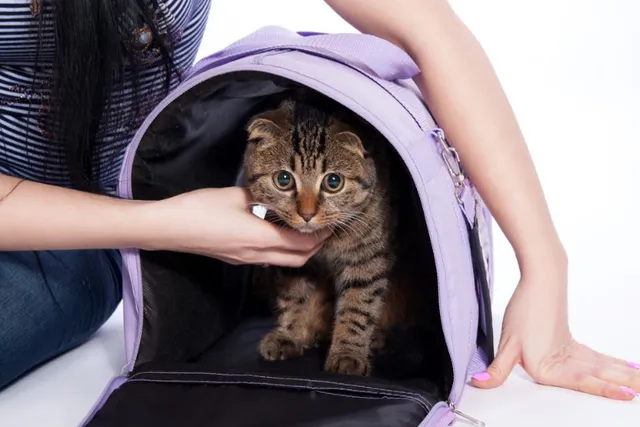
a cat in a travel carrier
Image Credit: Nils Jacobi, Shutterstock

divider 2 cats

Conclusion

Every June is National Pet Preparedness Month, dedicated to helping pet owners like you protect their pets by raising awareness about disaster preparedness. Take some time this June to review your emergency plan, refresh your supplies, and help others keep their pets safe through the most trying times nature has to throw at us.

See also: 


Featured Image Credit:  Image Credit: frantic00, Shutterstock

Want content like this delivered to you?

Sign Up For Our Newsletter

News, insights, expert advice, and everything cat

* By submitting, you agree to our Terms & Conditions and Privacy & Cookies Policy.


How useful was this post?

Click on a star to rate (you can leave written feedback after clicking submit)

Help us improve Catster for pet parents!

Your feedback really matters.

What did you like about this post? Also how can we improve it?

Join the conversation

Leave a Reply

You’re very welcome to leave a comment or question. Please know that all comments must meet our community guidelines, and your email address will NOT be published. Let’s have a positive and constructive conversation.


Talk With A Vet Online

Peace of mind,
anywhere, anytime

Affordable vet advice

Why Chicken Bones Are More Dangerous for Cats Than Most Parents Realize

Chicken bones seem harmless enough, but for cats, they can cause serious damage quickly. Whether your cat swiped a piece off the counter...

Fantastic Pet Pantries and Where to Find Them

Let’s face it: times are really tough right now, and those of us in the 99% are struggling with the cost of just...

Ask Dr. Paola – Help! My Cat Refuses to Drink Water! (April 13, 2026)

Welcome to our “Ask Dr. Paola” series, where every Monday we bring expert advice straight from Dr. Paola Cuevas (MVZ) to help our...

Why Healthy Cats Still Vomit Sometimes (And How to Respond)

A cat that just vomited needs a specific kind of care, and the feeding decisions you make in the next few hours actually...

More related

Why I Allow Our Cats on the Countertops: Dr Karyn’s Perspective

Hi, I’m Dr. Karyn! Read my introduction to learn more about me and meet my five hilarious cats: Clutch, Cyril, Alex, Zelda, and...

Ultimate Cat House: the Famous Cat Mansion in Japan

Most of us consider our homes cat friendly. We provide scratching posts, cat trees, and lots of toys to keep our feline family...

Feline Direct Registering: What It Is & Why Do Cats Do It

Cats are some of the most efficient hunters in the world who track and stalk their prey skillfully before pouncing on and killing...

Can Cats See in the Dark? 8 Cat Night Vision Facts

If your cat keeps you awake playing in the middle of the night, you might assume that they can see in the dark....

Keep reading

Cat Pedicures: What’s Involved? Vet-Approved Facts & Explanation

Our kitties might need a little extra love in the nail department. These lethal murder mittens can do quite a lot of damage. If you’ve shared your home with a feline, you know just how much it can impact your...

Cat in a veterinary clinic hairdresser cutting nails

Can Cats Eat Pistachios? Vet-Reviewed Nutritional Facts

Cats can eat some pretty crazy things, even though they are naturally obligate carnivores. If your cat has taken a shine to these delicacies, you might wonder if cats can eat pistachios. Luckily, pistachios are non-toxic to our wide-eyed kitties....

Can Cats Eat Pistachios

Can Cats Eat Scallops? Vet-Approved Facts & FAQ

Cats eating fish and other seafood is a common trope, but you may be wondering if it’s safe for them to have. Scallops are a common and nutritious meal for people, but what about cats? Can cats eat scallops? Is...

Can Cats Eat Scallops

10 Best Cat Litters in Canada in 2026 – Reviews & Top Picks

Finding the right cat litter for your cat, let alone yourself, is definitely one of the more important purchases that you make as a cat owner. Do you want to scoop it, and do you prefer scented or unscented? Most...

red haired cat in litter box

Arthritis in Cats – Vet Approved Causes, Signs & Treatments

If your cat seems a little less sprightly and active than usual, it can be a cause for concern. Some health issues could cause mobility issues in cats, but one condition fairly common in mature cats is arthritis. Arthritis can...

cat lying on wooden floor

Why Does My Cat Hate Other Cats? 6 Vet-Verified Possible Reasons

Cats thrive in various environments and as long as some requirements are met, they can live happily with others in stray cat colonies, with one or more companions at home, or on their own. However, domestic cats are, by nature,...

two ginger cat fighting

Why Does My Cat Suck on My Fingers? 3 Vet-Reviewed Reasons

Cat parents understand that felines are peculiar creatures who sometimes engage in odd behaviors, such as napping in tight spaces, head-bumping you, and chewing or suckling on bizarre objects, such as blankets and towels. Cat suckling is generally harmless and...

grey cat sucking finger

10 Vet Reviewed Facts About Cat Anal Glands

If you’ve ever noticed a stinky, fishy smell coming from your cat or a swelling next to their anus, then you’ve likely noticed their anal glands. The anal glands contain chemicals that act as territory markers, although they do serve...

vet checking up a cat

Love Cats? So Do We! Join the Catster Community

Stay informed with expert pet care insights delivered straight to your inbox! Discover professional guidance on animal behavior, feeding tips, trusted product picks, and much more.


Sign up for the Catster Email Newsletter

Stay informed with expert pet care insights delivered straight to your inbox! Discover professional guidance on animal behavior, feeding tips, trusted product picks, and much more.