What to Do With Cats After a Natural Disaster? 8 Post Hurricane Tips (Vet Reviewed)

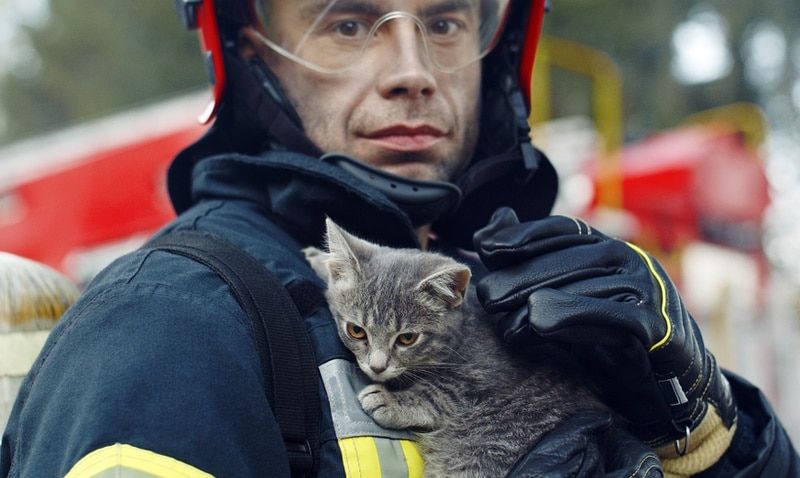
Living through a natural disaster like a hurricane takes resilience, tenacity, and planning. The powerful storms fundamentally alter landscapes and lives before moving on, leaving untold destruction and lots of cleaning up to take care of.
Those who live in hurricane-prone areas are advised to have evacuation plans and disaster kits ready, and pet parents are regularly reminded to include their furry companions in their preparations. However, having everything you need to weather storms with your cat is only part of the equation. It's also important to ensure you have the tools to keep your cat safe after the storm has passed.

The 8 Tips on What to Do With Your Cat After a Natural Disaster
Whether you're returning home after evacuating or emerging from sheltering in place, there are a few steps you can take to help your cat stay safe until things return to normal.
1. Take a Good Look Around
After the storm has passed, it's time to evaluate the damage and figure out what needs to happen to make the area safe for you and your cat.
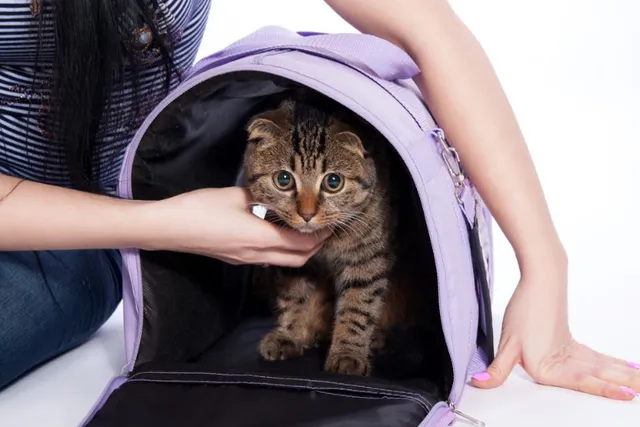
Leave your cat in their carrier until you're finished looking around to ensure they stay safe. Confirm that all windows and doors are intact and closed before letting your cat out of their carrier.

2. Look Out for Wildlife
Wild animals sometimes head to homes (and yards) to find shelter during storms, so keep an eye out for any that may be hiding in or around your home and encourage them to move on.
Snakes are common post-storm visitors to homes in many hurricane-prone areas, and be sure to use caution as wild animals can end up becoming aggressive due to stress or if cornered.
3. Clean First
Clean up anything in the area that could injure your cat before letting them out of their carrier. Sweep up sharp objects and clean any toxic substances before allowing your pet to venture out. Take care of exposed wiring or electrical issues to ensure your companion doesn't end up getting a nasty shock.
4. Keep Your Cat Inside
It's best to keep cats inside in the days after hurricanes and other natural disasters since they can easily injure themselves on fallen trees and broken glass. New smells and the altered landscape can make it difficult for pets to figure out where they are, potentially increasing the chances that they’ll get lost.
Bacteria and fungi have field days after hurricanes due to the high levels of humidity that frequently follow the events. Leptospirosis, a disease that can cause serious kidney and liver problems, often crops up after hurricanes. Although it's relatively rare, cats can get leptospirosis bacteria after walking through wet soil or mud where the spirochetes are hiding.

5. Provide Bottled Water
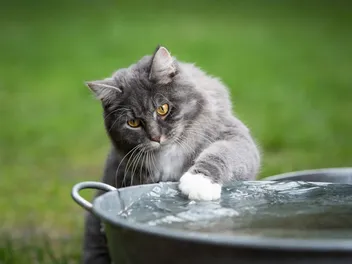
Drinking water can be contaminated by the flooding that typically accompanies hurricanes. Cats should only drink water that's okay for humans to enjoy. Until the water supply in your area is clean and safe, consider giving your cat bottled or treated water.
6. Keep an Eye on Moisture
Moist, post-hurricane conditions are ideal for the growth of bacteria, yeast, and fungi, which can translate to skin and ear infections. Take your cat in for a check-up if you see any telltale itching, head shaking, and scratching.
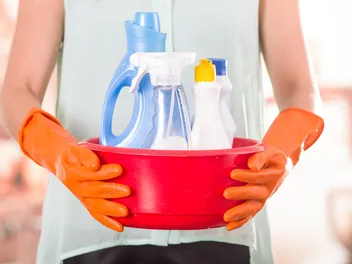
Fungi and mold can cause health problems in cats and people, so make sure to be proactive when it comes to getting rid of them. Bleach is toxic to cats and can cause burns, skin irritation, and stomach problems, so make sure to keep your cleaning products away from your cat.
Cats can ingest bleach when grooming themselves after walking through spills or over freshly cleaned floors.

7. Consider Mosquito Prevention
Although heartworm is often thought of as a dog issue, kitties can also catch the heartbreaking disease spread by mosquitoes, which are prevalent everywhere after hurricanes.
Although many cats don't show serious signs when infected, heartworms can result in serious health issues and, left untreated, can be fatal.
There are preventive medications available for cats but speak to your veterinarian to make sure any brand you select is appropriate for your pet. Parasite-prevention products made for dogs that contain permethrin are toxic to cats.
8. Stay on Top of Minor Scratches and Injuries
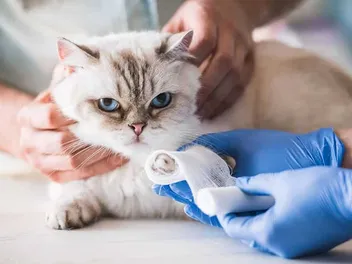
Even if you do everything you can to ensure your home is free of debris and hazards, your cat can still easily end up with a scratch or cut, which can turn into a problem if it becomes infected.
Keep a first aid kit on hand so you can take care of minor issues before they become severe and require a trip to the veterinarian to be treated.

Do Pets Sometimes Become Stressed by Natural Disasters?
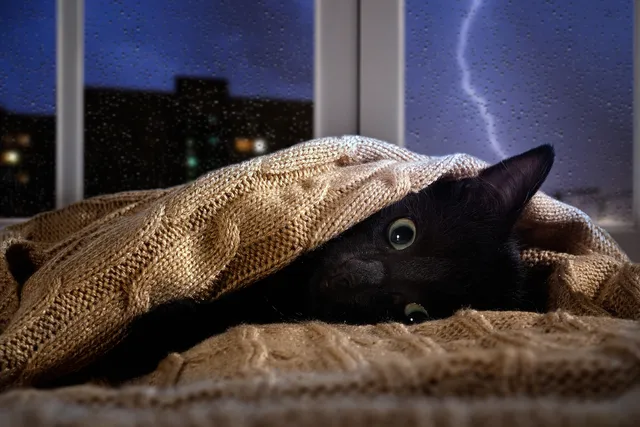
It’s normal for cats to need time to get back to normal after living through natural disasters; many become withdrawn or short-tempered due to their experiences. The noise produced during storms can frighten them, and the pressure changes related to hurricanes may make them more anxious. Massive post-storm routine changes can also stress cats out. Spending time in temporary shelters can put them out of sorts since most prefer to stay comfortably ensconced in their territories surrounded by comforting smells. Even those who stay at home in comfortable environments can become discombobulated by the changes caused by natural disasters. Giving cats extra love and attention and as much of a familiar routine as possible can often help them adjust and start to get back to their old selves.
Conclusion
Being prepared for natural disasters such as hurricanes requires foresight and planning, and knowing what to do when the winds have died down can be just as important as having evacuation plans set and emergency go bags packed and ready to grab for you and your cat. You can keep your cat safely in their carrier until you've inspected your property and cleaned up any hazards. Watch out for wild animals who may have found their way into your home during the storm, and consider keeping your cat indoors to minimize the likelihood of them getting injured or sick from an infection.
Sources
https://www.petmd.com/cat/conditions/infectious-parasitic/c_ct_leptospirosis
https://www.petmd.com/dog/slideshows/6-pet-safety-tips-after-hurricane-hits
https://vcahospitals.com/know-your-pet/ear-infections-in-cats-otitis-externa
https://www.petmd.com/dog/emergency/poisoning-toxicity/bleach-poisoning-pets-what-you-should-know
https://www.petmd.com/pet-medication/advantage-k9-advantix-ii-and-advantage-multi
Featured Image Credit: VAKS-Stock Agency, Shutterstock
Expert cat care, straight to your inbox
News, insights, and useful advice, delivered to you.

No spam — unsubscribe anytime.
By signing up, you agree to our Terms & Conditions and Privacy & Cookies Policy.
How useful was this post?
Click a star to rate. You can leave written feedback afterwards. (We read all feedback.)
Dr. Chyrle Bonk DVM (Veterinarian)
On top of healing animals and writing for veterinary publications, Dr. Chyrle Bonk owns a small cattle herd! When she’s not busy with those things, she can be found somewhere in the Idaho outdoors with her husband and two kids.
Chyrle has practiced in a mixed animal clinic for over 10 years. She also writes for various veterinary websites and magazines, like Catster!
Dr. Chyrle Bonk received her Doctor of Veterinary Medicine (DVM) from Oregon State University in 2010.