


National Pet Travel Safety Day comes around every year on January 2nd. It’s a time when pet lovers, veterinarians, and animal welfare organizations get the word out about safely traveling with pets, specifically the importance of restraining dogs and cats when riding in cars. When it comes to cats, travel safety is essential not just for getting your buddy to the veterinarian and back in one piece but also because some kitties enjoy getting out and about with their favorite people. Below, we’ll discuss how to keep your cat safe when they’re traveling with you.

Travel Safety Tips
1. Identification
Ensure your cat is easy to identify so your pet can be returned if they somehow escape, become scared, and get lost.
2. Microchipping
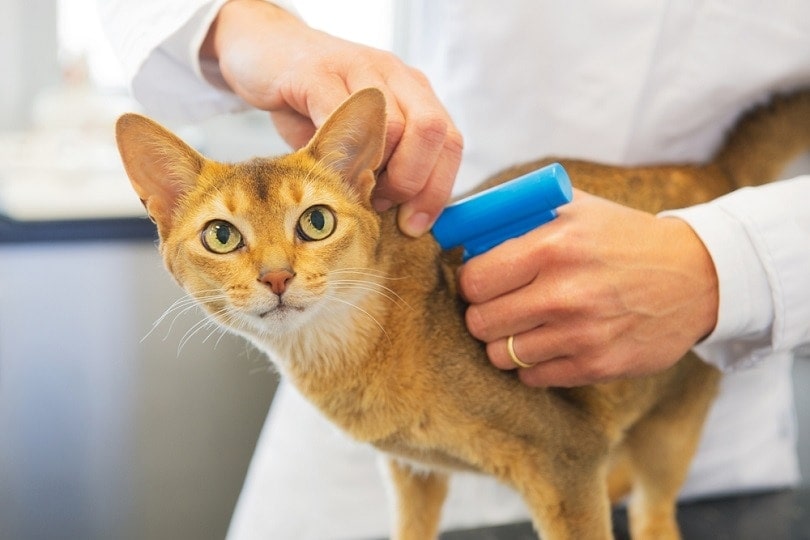
If your cat doesn’t have a microchip, consider having one implanted before you hit the road; lost cats who are microchipped are far more likely to be returned than pets without a permanent means of identification. If your cat already has a microchip, consider contacting the registry to confirm that the contact information they have on file for you is complete and up to date.
3. ID Tags
Consider investing in an old-fashioned ID tag that you can place on your cat’s harness or collar. Physical IDs make it easy for people to contact you directly if your cat wanders off and is found. Cat rescuers can give you a call if they spot your companion instead of having to find a shelter or veterinarian who can read the microchip.
4. Tracking Collars
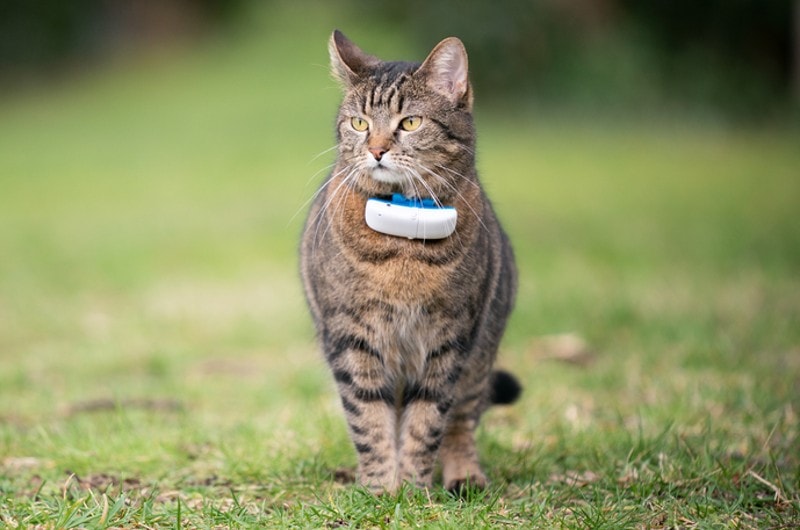
A tracking collar that allows you to locate your cat using your cell phone or a handheld receiver can provide peace of mind while on the road. Many systems provide precise location information.
5. Vaccinations and Other Paperwork
If you plan on traveling by plane, you may need to provide a health certificate or proof of vaccination to be allowed to board. If you’re planning to fly internationally, start investigating the documents required in the countries you’re planning to visit well ahead of time, since there are special requirements that can take time to complete. Have a plan for finding veterinary help at each stage in your journey, just in case your cat gets sick or is injured while you’re away from home.
6. Airline, Train, and Hotel Requirements

Traveling with pets usually requires a high level of attention to detail. All airlines have rules and regulations regarding flying with pets. You must also ensure your cat is welcome at your destination if you’re staying in a hotel.
7. Airlines and Trains
Carriers servicing domestic routes have various rules regarding traveling with pets. Many have minimum age requirements, and most require all pets to be vaccinated. Some airlines won’t allow pets in cargo, and others only allow small pets to travel in the cabin.
Most carriers have fees that need to be paid ahead of time, and others restrict the total number of pets allowed on any given flight, so make sure you’re clear on the airline’s policies before buying a ticket. Regarding trains, Amtrak allows cats in carriers on many but not all routes, but it’s relatively common for pets to be welcome on trains throughout Europe.
8. Hotels and Other Places to Stay
Finding great places to stay while traveling with a cat is possible; it just takes research. A few hotel chains are pet-friendly, including many Kimpton and Loew’s properties. However, not all pet-friendly hotels welcome cats.
It’s best to make reservations well ahead of time to increase the chance that things go smoothly once you reach your destination. Some hotels may have litter boxes for their feline guests; otherwise, remember to pack a portable option for your buddy. If you plan to spend a night or two under the stars with your cat, make sure your buddy will be welcome at any campsites you plan to visit. Pets aren’t permitted in some National Park backcountry areas, even in carriers.
9. Carriers
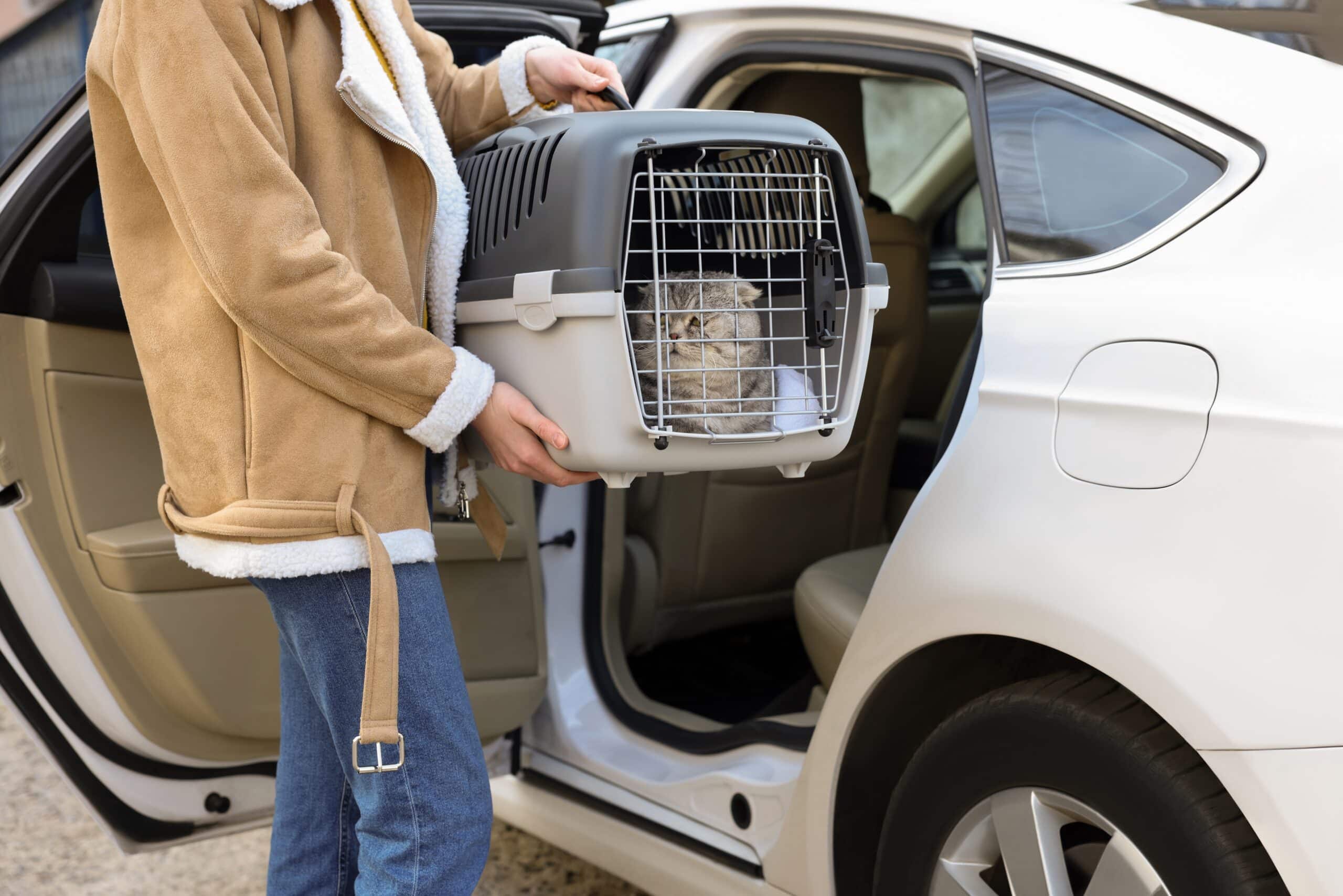
No matter how you plan to travel with your cat, you’ll need a sturdy, secure carrier to keep your kitty safe. Carriers must be large enough for cats to stand up and turn around. Most cats prefer hanging out in carriers that offer just the right amount of cozy room.
1o. Air
If you plan to fly with your cat, spend some time reviewing the airline’s carrier requirements. Both hard and soft-sided carriers are usually okay for in-cabin travel. Most airlines require them to be leakproof and to have sufficient ventilation.
Carriers generally need to be small enough to fit under the seat in front of you. Some airlines have specific maximum dimensions for carriers. But not all airplanes have the same amount of under-seat room, and some have different maximum sizes for hard and soft carriers. A few airlines have total weight limits that include the carrier and whoever’s in there, which can make flying with hefty cats a bit more complicated. Various airplanes, such as Boeing 777-200s and 777-300s, don’t have sufficient room for carriers under business and first-class seats, so your cat probably won’t be allowed to come along for the ride.
11. Driving
Even cats that don’t mind car rides should travel in carriers. It prevents them from wandering about and creating dangerous distractions. They’ll also be safer if there’s an accident. You can use the seatbelt to secure the carrier so your cat will stay put if you suddenly stop.
Depending on how long you plan to drive every day, you can buy a portable litter box in case your cat needs a break. An absorbent pad at the bottom of the carrier can help keep things contained if your pet needs to use the bathroom before you reach your destination.
You can also purchase a harness and get your cat accustomed to wearing it before hitting the road. Cats should always be leashed when out and about, and harnesses are much safer and far more difficult for pets to escape from than collars.
The best cat leashes are sturdy, comfortable to hold, and easy to attach to the harness. Hepper's Cat Harness & Leash Set offers all that and more, which is why we highly recommend it.
This set includes a lightweight velvet and mesh harness with reinforced stitching, quick-release buckles, and reflective strips, plus a five-foot leash made from sturdy nylon climbing rope. We especially love this leash's rotating clamp and padded neoprene handle.
12. Pack for Your Cat
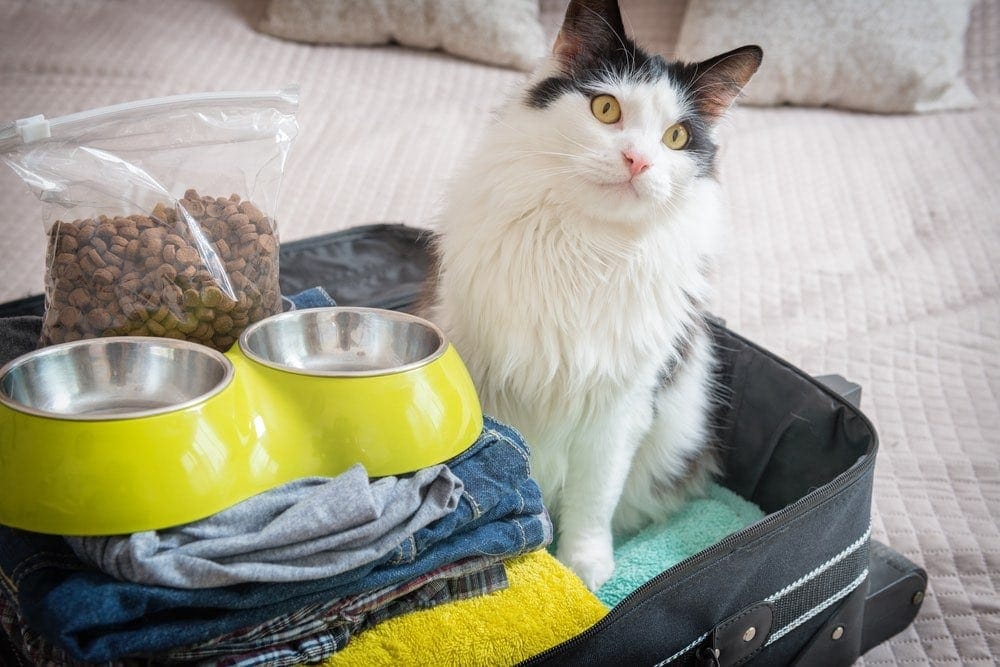
Pack enough food to keep your feline happy during your trip. Ensure you have your cat’s proof of vaccination on hand and any medication they regularly need to take. Don’t forget to pack toys, a leash, food and water bowls, a litter box of some sort, litter, and a poop scoop if you’re not staying somewhere that provides them.

Conclusion
January 2nd is National Pet Travel Safety Day, and veterinarians and animal welfare organizations celebrate the event by helping pet parents keep their companions safe while on the road. Traveling with cats doesn’t have to be stressful! However, planning ahead is essential to ensure you and your companion arrive at your destination safely.
See Also:
- World Animal Day: What It Is & How To Celebrate
- What Airlines Allow Cats on Them? 4 Pet-Friendly Options & Travel Tips
Featured Image Credit: Lightspruch, Shutterstock
 Travel Safety Tips





