What Airlines Allow Cats on Them? 4 Pet-Friendly Options & Travel Tips
Flying with your cat can be complicated. A few decades ago, many airlines allowed cats, but the regulations were much less strict. Today, more and more airlines are denying pets altogether or making travel much more complicated.
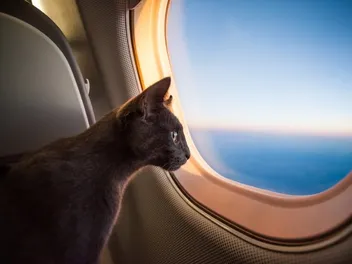
There are two areas on a plane where cats may be allowed: the cabin and cargo area. Each airline differs in where they allow cats and the specific rules you’ll have to meet to have cats in each area.
We’ll list the most cat-friendly airlines below and discuss some other information you should know before flying with your feline.

The 4 Cat-Friendly Airlines
Many airlines allow cats in the cabin and cargo areas. However, restrictions apply, and fees are often involved. Here are some airlines that tend to have fewer headlines and more cat-friendly policies:
There may be other airlines that allow cats to fly, too. These are generally considered the most pet-friendly, though, especially where cats are concerned. Often, smaller cats have fewer regulations applied to them than larger dogs.
Always check your airline’s pet policy well in advance. These policies have changed regularly over the past decade, so it’s important to stay aware. You’ll often need to make a reservation for your cat. In some cases, a health certificate from a vet may also be required. It can depend on where you’re traveling to, though.
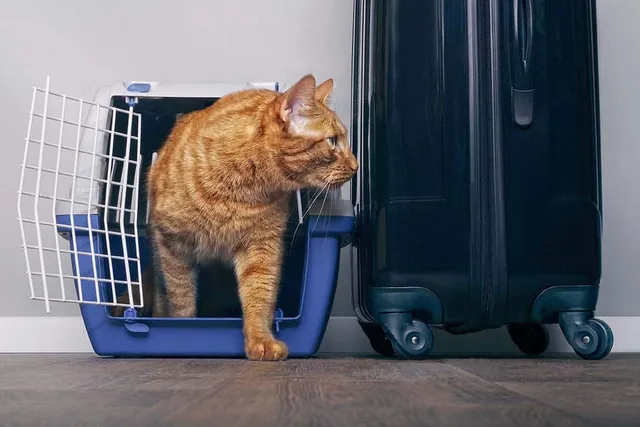
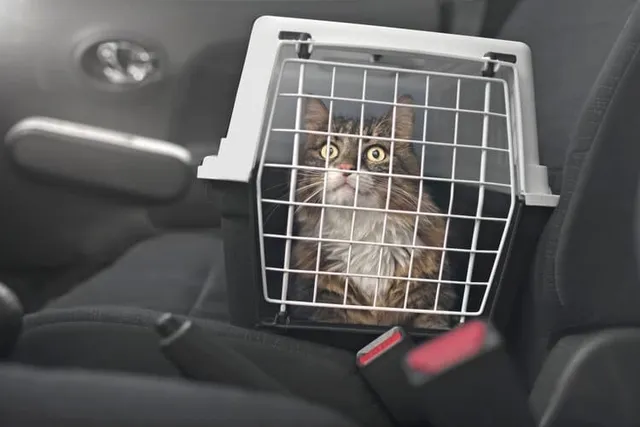
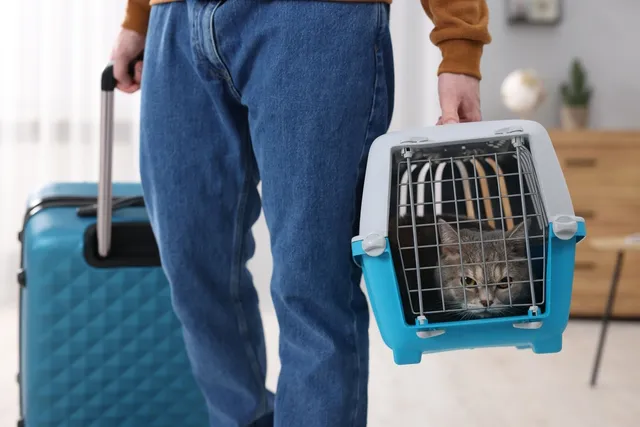
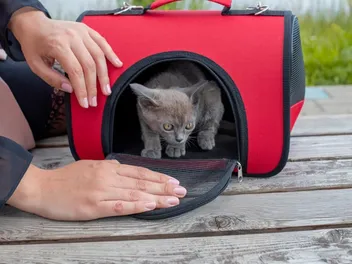
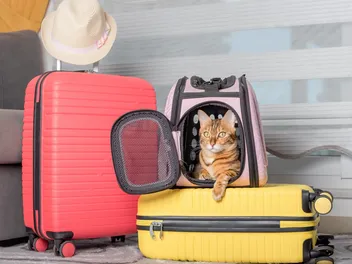
The biggest part of traveling with your cat is finding a cat carrier that meets the requirements of the airlines. Ensure that the carrier is small enough to fit onto the airplane and big enough to be comfortable for your cat. The carrier should be well-ventilated, as it can get hot shoved underneath a seat.
We also recommend getting your cat used to the carrier before you fly. You don’t want the cat’s first time to be the day of your trip!

Flying with a Cat: The 2 Travel Options
There are two main ways to fly with your cat. You can fly with them in the cabin, usually in an airline-approved carrier, or you can put them into the cargo area of the plane. Different airlines have differing policies for each option, so you’ll want to read your airline’s specific policies before deciding which way is best for your feline.
In the Cabin
Most airlines do not allow you to purchase an extra seat for your cat on an airplane. Instead, the cat will need to ride underneath the seat in front of you. Often, the amount of extra space on a plane varies and may limit the number of pets that can travel. You should always check with the airline before you assume your cat will fit.
Traveling with your cat in the cabin essentially makes them your carry-on luggage. Therefore, you won’t be able to carry on additional bags under some airline’s policies. This option also costs less than choosing for your cat to ride in the cargo department.
As Cargo
You can also fly your cat as cargo on many airlines. However, many airplanes are slowly moving away from allowing cats to be transported as cargo. Having your cat unaccompanied in the cargo area can be dangerous, and several pets have died in this manner. Usually, though, these were at-risk dog breeds, who are now not allowed to fly at all.
Exactly what counts as “cargo” can vary. Usually, this involves the cat flying in a pressurized, temperature-controlled compartment. You should consider the temperature, though, as your cat will likely sit on the tarmac waiting to be loaded for some time. Most airlines do not allow pets to fly in this way if the temperature drops too high or too low.

How Much Does It Cost?
Practically every airline charges extra fees for your cat to fly with you. You usually do not have to purchase an extra seat. However, you do have to make a reservation. Many airlines charge over $100 for cats, but there are still a few that charge just under that amount.
Flying with a cat is not cheap! Flying with a cat as cargo is often more expensive. In many cases, the cat is checked as luggage and may cost as much as $200 one-way. It’s usually easier and cheaper to bring your cat into the cabin with you, if at all possible.
Be sure to check for extra fees, which many airlines have. Call ahead, especially if you made a reservation online. It’s important that the airline knows you’ll be flying with a cat, and it’s important for you to understand the cost.
Other Requirements for Flying with a Cat
Most airlines have all sorts of requirements for flying with a cat. Practically all of them require a veterinary exam in the days leading up to the flight. You’ll want your cat’s vaccinations to be accurate, too. Be sure to bring multiple copies of health records, as you may have to turn them in several times.
Many airlines don’t allow brachycephalic cats of any mix, including Persians. These cats have a notoriously hard time breathing, so they’re more likely to experience distress at high altitudes. American Airlines falls into this category, but more and more airlines are taking this stance, as well.
Many airlines also require cats to be a certain weight or age. For instance, United Airlines requires that cats be at least 10 weeks old or 2 pounds in weight to fly.
Once again, these requirements can change quickly and may even be seasonal. Be sure to ask when making your reservation to avoid being turned away when it’s time to fly.

Final Thoughts
Airlines are becoming stricter and stricter about what cats they allow to fly. On one hand, this makes it more challenging to find an airline that accepts your cat. There is only a handful today that can be labeled as “cat-friendly.” Most have restrictions on the types of cats that can fly, too, and there are always extra fees involved.
That said, this is also good news, as it means more airlines are working to keep cats safe while flying. Many pets have sadly passed away while flying, usually in the cargo area, due to extreme temperatures. Airlines are taking extra steps by disallowing pets to fly in certain conditions.
Therefore, we mustn’t look at these restrictions as solely bad things. Yes, they can be very impractical and get in the way of straightforward travel. However, they can also prevent serious accidents from occurring.
Related Reads:
Featured Image Credit: Svetlana Rey, Shutterstock
Expert cat care, straight to your inbox
News, insights, and useful advice, delivered to you.

No spam — unsubscribe anytime.
By signing up, you agree to our Terms & Conditions and Privacy & Cookies Policy.
How useful was this post?
Click a star to rate. You can leave written feedback afterwards. (We read all feedback.)

Kristin is passionate about helping pet parents create a fulfilling life with their pets by informing them on the latest scientific research and helping them choose the best products for their pets. She currently resides in Tennessee with four dogs, three cats, two fish, and a lizard, though she has dreams of owning chickens one-day!