How to Fly With Your Cat in 2026: Expert Tips & Tricks
In this article
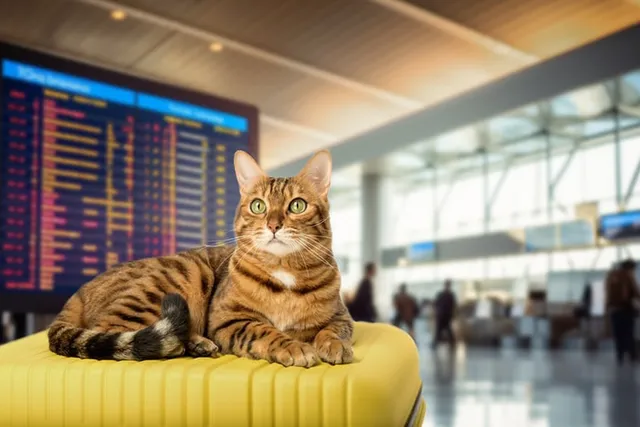
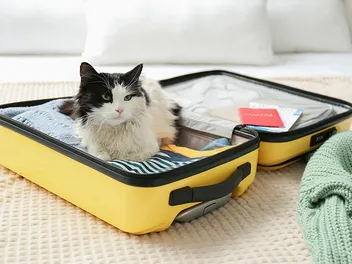
Traveling can be a stressful experience, and taking your cat along, whether for a weekend away or if you are moving to a new house, can be an overwhelming experience, to say the least. Cats are not the most travel-friendly pets, and you want the experience to be as stress-free as possible.
For us, traveling on a plane is as simple as buying a ticket and catching your flight on time, but for pets, it’s more complicated. There are additional fees to pay, paperwork to be filled in, and vet visits to be done, all before the flight. While all airlines have slightly differing policies—some more stringent than others—the best thing is to be prepared. A successful, smooth flight with your feline begins long before the actual day of the flight, and adequate preparation is essential.
In this article, we go through all the steps to make sure you and your feline have as smooth a trip as possible. Let’s get started!

Pet Travel Categories
Traveling with your cat can fall under a few different categories. The airline you are traveling with will be able to give you more information on whether you can fly with your cat. Different airlines have different policies, and your cat’s age, breed, size, and health all have parts to play in the airline official’s decision.

Most pets are defined as service animals, emotional support animals, or carry-on pets. Your cat will fit into one of the latter two categories. Emotional-support animals are defined as a pet prescribed by a mental health professional to help an owner with mental illness such as anxiety, depression, or anxiety. In the past, your cat could fly free if they fell in this category, but as of December 2020, the Department of Transportation (DOT) announced that it will no longer consider emotional-support animals to be service animals.
This is because the category of emotional support animal has been taken advantage of, with animals like squirrels and even rabbits being brought on board under the umbrella of emotional support. With the change in the DOT guidelines, it’s now up to each individual airline to come up with their own rules regarding these animals.
Don’t worry, though! Your cat will still be allowed on the flight — all it takes is a bit of pre-planning.
How to Travel With Your Cat
1. Cat Carrier
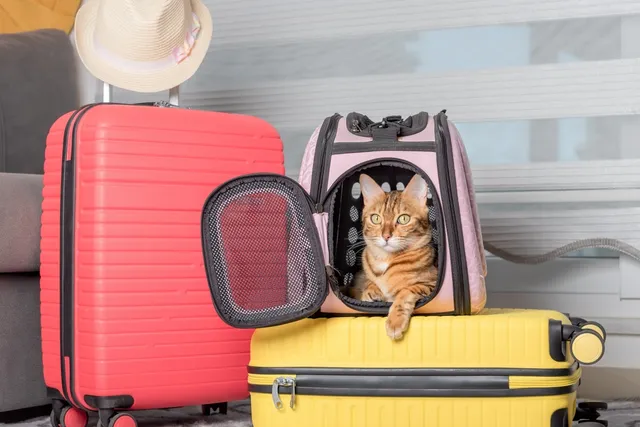
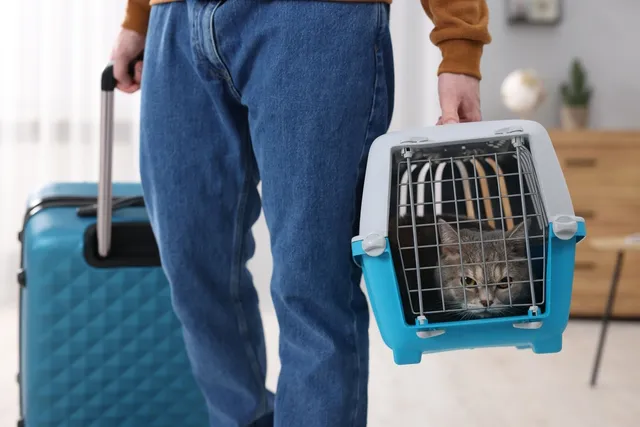
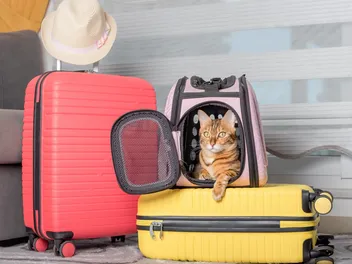
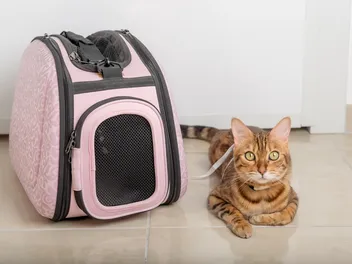
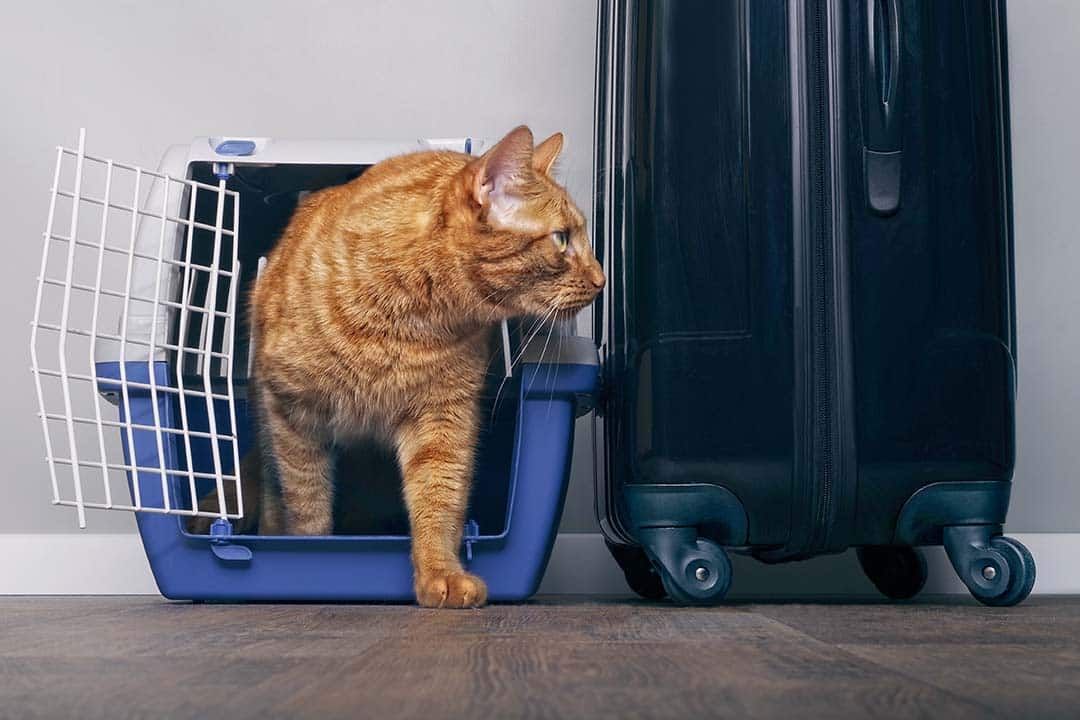
This may seem like an obvious step, but getting the right carrier for your cat ahead of time is essential. If your cat will be in cargo, you’ll want a hard-shell travel case. A soft-sided travel case will be far easier if your cat is in the cabin with you. Check the size of the seats on the plane to make sure your carrier can fit comfortably.
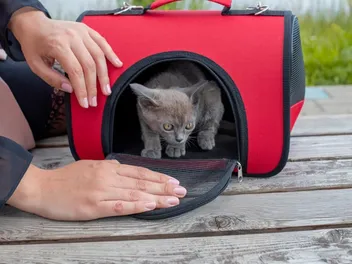
Spend a few weeks ahead of the flight getting your cat accustomed to the carrier and letting them feel that it is a safe place to be. This small bit of preplanning will be a massive advantage during your flight.

2. Booking Your Flight
Due to the changing DOT restrictions, you’ll need to check with your airline whether your cat can fly in the cabin with you. They will also tell you what paperwork you’ll need, what fees to pay, and whether you need to see a vet. All airlines have slightly different requirements, so you need to double-check what they are.
3. Schedule a Visit With a Vet
Most airlines will require a recent health certificate for travel provided by a vet. Some airlines only require paperwork for cargo travel, but more and more airlines are demanding relevant paperwork for cabin travel, too. The health certificate must show that all vaccinations are up to date and that your cat is healthy enough to travel. Most airlines require that this certificate is issued within 10 days of your flight, if not sooner, depending on where you’re traveling.

4. Checking In
It’s important to note that some airlines restrict the number of pets allowed on a certain flight, and some work on a “first come, first serve” basis. Try to book your tickets early to ensure a spot for your cat, or make sure you check in for your flight as early as possible to ensure that your cat has a spot. In any case, it’s best to contact the airline beforehand to find out exactly what the procedure is for your flight. It’s also best to try to book a non-stop flight if possible, as layovers will only cause more hassle for you and your feline.
Most airlines will require your cat’s carrier to go through X-ray screening at security, but obviously, your cat cannot. You will need to hold your cat while their carrier goes through, so make sure you have a sturdy harness with you to prevent your cat from running away!
Other Considerations
It’s a good idea for your cat to travel on an empty stomach, as this will minimize the risk of vomiting. Try not to give your pet any food for at least 2 hours before the flight, as you don’t want them defecating during the trip. Water, on the other hand, is essential for any flights longer than 4 hours. For shorter flights, they’ll be fine. Be sure to line your cat’s carrier with absorbent pads, though, just in case of any accidents.
You may think that it’s a good idea to tranquilize your cat to reduce stress, but this is not recommended by experts. Tranquilizers can depress your cat’s heart and lung function and potentially lead to injury during a flight because they cannot balance themselves. In fact, most airlines will not allow tranquilized animals to fly. The same goes for any other anti-anxiety medication, and you should consult a vet before giving your cat any kind of medicine.
What About International Travel?
Airlines get even more strict when it comes to international travel, and individual countries also have differing requirements for pets. You may need to obtain import permits for certain countries, and some countries will require a period of quarantine. Bear in mind that most international flights are long, and most airlines will not allow your cat to travel in the cabin for flights longer than 8 hours. But there are many ways to prepare you and your cat for international travel if you need to do so.
Final Thoughts
The key to flying successfully with your cat is preparation. You need to check with the airline that you’re flying with about what paperwork you need, the check-in details, and any extra costs. Also, making sure your cat is comfortable in their crate will go a long way toward making the trip more comfortable for them and you.
Remember that all airlines have slightly different policies when it comes to pet travel, so do your homework with the airline to make the trip as seamless as possible!
See Also:
Featured Image Credit: Lightspruch, Shutterstock
Expert cat care, straight to your inbox
News, insights, and useful advice, delivered to you.

No spam — unsubscribe anytime.
By signing up, you agree to our Terms & Conditions and Privacy & Cookies Policy.
How useful was this post?
Click a star to rate. You can leave written feedback afterwards. (We read all feedback.)

Christian started writing for a local newspaper as a teenager, and he's been involved in the publishing industry for most of his adult life. Combining his love of writing with a passion for animals, he is currently the Director of Editorial at Pangolia and the Editor-in-Chief at Catster.
Christian lives in the Philippines with his wife, son, and four rescue cats: Trixie, Chloe, Sparky, and Chopper.