Get

In Your Inbox

Catster is reader-supported. When you buy via links on our site, we may earn an affiliate commission at no cost to you. Learn more.

Flat-Face Cats: Our Vet Discusses Brachycephalic Breeds & Health Risks

Share

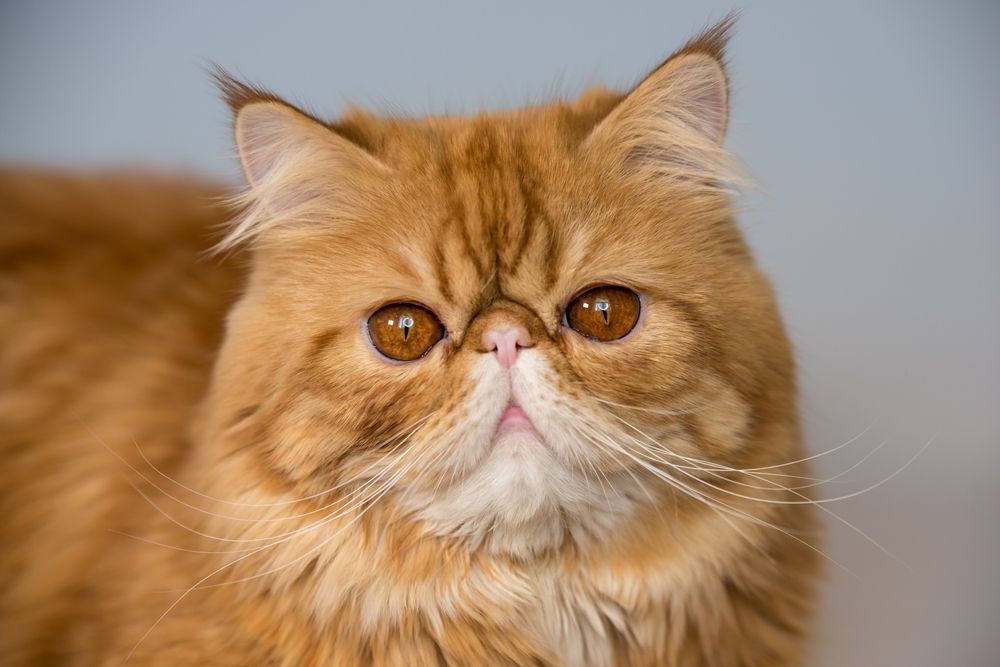
red-persian-exotic-cat

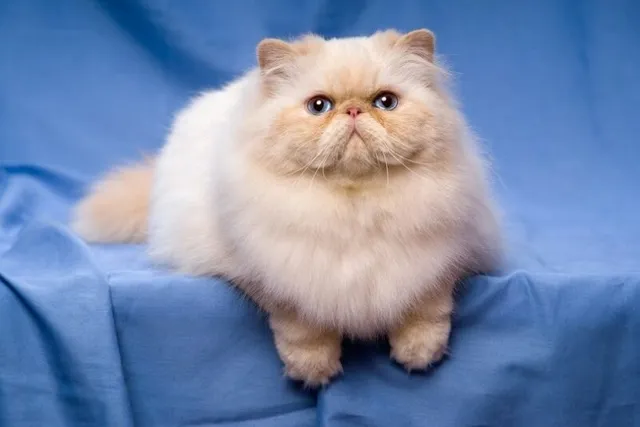
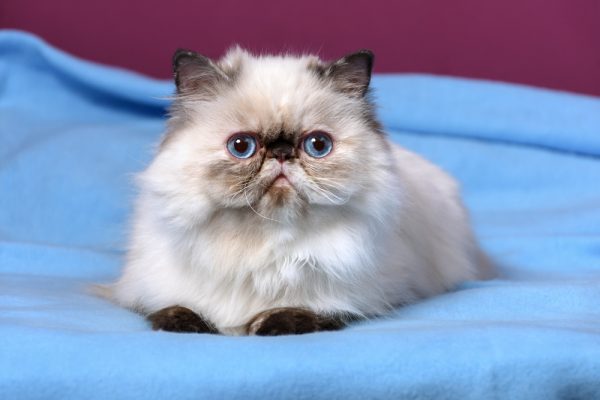
Brachycephalic means “short head” or “flat face.” You may be familiar with brachycephalic cat breeds, such as the Persian and Burmese. These smooshed-faced cats are undeniably cute, but this unique skull structure can present problems that cats with normal skulls typically don’t have to worry about.

Let’s look closer at these adorable cat breeds and how their appearance can affect their health.

divider cat paws 2 oct 2024

Which Cat Breeds Are Considered Brachycephalic?

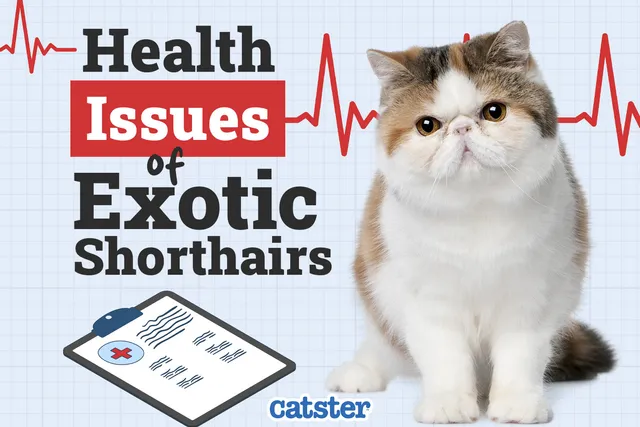
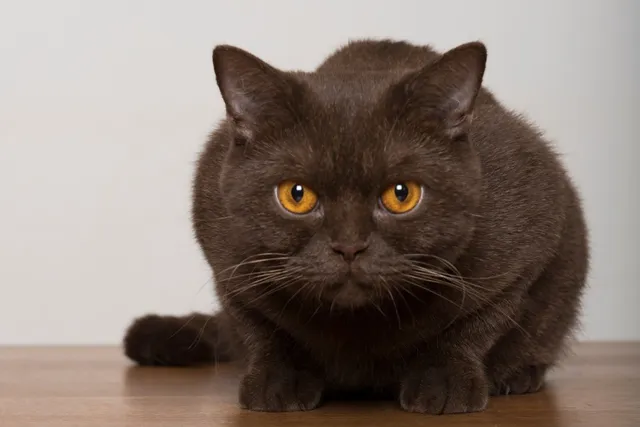
Flat-faced cat breeds may include the following. Click to find out more:

divider cat paws 2 oct 2024

How Does a Brachycephalic Skull Structure Affect a Cat?

Brachycephalic cats
You are free to use this image but we do require you to link back to catster.com for credit

Common health risks associated with flat-face cats include the following.

1. Brachycephalic Airway Syndrome

Cats with a shortened or flattened face may have upper airway abnormalities like narrowed nostrils, elongated soft palate, narrow trachea, or soft tissue obstructing their airways, such as everted laryngeal saccules.

Felines with this syndrome may exhibit signs like noisy breathing, coughing, snoring, panting, and open-mouth breathing. They may also have trouble exercising and may even collapse due to insufficient oxygen in their lungs and brain.

Cute persian seal tortie colorpoint kitten
Image Credit: Dorottya Mathe, Shutterstock

2. Protruding Eyes

The eye sockets of a brachycephalic cat are shallower than normal, which makes them protrude from the skull. Protruding eyes are more prone to injury, ulceration, dryness, and proptosis (eye popped out of eye socket) due to the structural abnormalities of the skull.

Persistent tear drainage, known as epiphora, is also a common issue, as the tears do not drain normally through the tear ducts and instead cause chronic tear staining. Their eyelids may also not close completely, which can lead to eye dryness.


3. Bad Teeth

Brachycephalic cats have the same number of teeth as cats with normal skull shapes, but these teeth are crowded in a smaller space. This can lead to dental infections, malocclusion (improper meeting of the teeth or an abnormal bite), and improper tooth development during growth from kitten to adult. It can also cause mouth pain and difficulty eating.

Two veterinarians holding down a Persian cat at the exam table
Image Credit: Beach Creatives, Shutterstock

4. Sensitive Skin

Flat-face cats often have skin folds around their faces and mouths that provide a warm and moist environment for bacteria and fungi to grow, leading to itchy skin and infections.


5. Obesity

Brachycephalic cats can be prone to obesity. Abnormal airways and excess body fat can worsen their ability to breathe and may exacerbate brachycephalic airway syndrome.

veterinarian with gloves weighing a big persian cat with a scale at the animal clinic
Image Credit: Beach Creatives, Shutterstock

6. Overheating

Flat-faced cats can suffer from heat stress and heatstroke because their airways are usually shortened and abnormal, which can prevent them from cooling down normally. Always keep a close eye on your cat during warmer months, and ensure that they are cool and comfortable.


7. Dystocia

Brachycephalic cats may have difficulty giving birth due to the size and shape of the kittens’ skulls about the diameter of the pelvic canal.

divider cat paws 2 oct 2024

How Can I Keep My Flat-Face Cat Healthy?

  • Ensure that they maintain an ideal body weight.
  • Encourage daily exercise (but don’t go overboard with it).
  • Monitor their daily food and treat intake (use a measuring cup).
  • Ensure that your cat is cool and comfortable in warm environments.
  • Discuss your cat’s nutritional needs with a veterinarian.

divider cat paws 2 oct 2024

Conclusion

While brachycephalic, or flat-face, cats are adorable, they do have certain health risks that pet parents need to be aware of. Due to their shortened snout, they can be prone to respiratory, eye, teeth, and skin problems.

Regular checkups with your veterinarian will help ensure that your smushed-face cat stays healthy and that any issues are caught and treated early before they become bigger problems.


Featured Image Credit: Zanna Pesnina, Shutterstock

Want content like this delivered to you?

Sign Up For Our Newsletter

News, insights, expert advice, and everything cat

* By submitting, you agree to our Terms & Conditions and Privacy & Cookies Policy.


How useful was this post?

Click on a star to rate (you can leave written feedback after clicking submit)

Help us improve Catster for pet parents!

Your feedback really matters.

What did you like about this post? Also how can we improve it?

Join the conversation

Leave a Reply

You’re very welcome to leave a comment or question. Please know that all comments must meet our community guidelines, and your email address will NOT be published. Let’s have a positive and constructive conversation.


Catster's Digital Magazine is Back!

Vet-approved health & behavior advice

Real cat stories & community features

Life Through Minnie’s Eyes: The Cat Behind the Comics

I used to volunteer at a small local cat shelter called Little Flower Rescue. I had actually met another cat, Sylvia, whom I...

The Original Space Invaders – Why Zero Respect for Personal Boundaries Is a Good Thing

Cats have a reputation for being independent, and in many ways they are. But anyone who has tried to work at a laptop...

How Cats Are Helping to Cure Cancer

When most people think about medical breakthroughs, they picture scientists in laboratories and clinical trials involving human patients. Few would imagine that the...

Ask Dr. Paola – My Cat Loves Eating Grass, But It Makes Her Vomit! (June 29, 2026)

Welcome to our “Ask Dr. Paola” series, where every Monday we bring expert advice straight from Dr. Paola Cuevas (MVZ) to help our...

More related

Is a Cat’s Sense of Smell Stronger Than a Dog’s?

Cats vs. dogs have been a subject of debate for as long as the two have been human companions. But there are some...

Why Do Cats Stare at Nothing? 4 Possible Reasons

Experienced cat owners know that no matter how much we bond with and learn about our pets, there will always be at least...

12 Round-Face Cat Breeds: Top Choices for Your Home (With Info & Pictures)

Round-face cats are some of the most adorable cats on earth. Most round-face cats have large, round eyes that most humans cannot resist,...

Are Scottish Folds Hypoallergenic? Vet-Verified Allergy Care Tips & Other Breeds

The Scottish Fold is an adorable cat species known for its folded ears. They are easy to care for and love being around...

Keep reading

Does Lime Kill Fleas on Cats? Vet Reviewed Effectiveness & Safety Explained

Fleas can make your cat’s life miserable and yours a nightmare as you try to fight the infestation. Those searching for non-pesticide products to kill fleas might wonder if lime is an effective alternative. While lime may be somewhat effective...

Lime inside plastic bag

Why Is My Cat’s Nose Dripping When Purring? 3 Vet-Reviewed Reasons & FAQ

Have you ever been quietly petting a purring cat, only for them to stick a wet nose in your hand? The first time it happens, this might seem like a random coincidence. But if your cat’s nose is often wet...

person cleaning cat's nose

Cat Diarrhea: Causes & Care Guide (Vet Answer)

If your cat has diarrhea, should you always see a vet? What if your cat has diarrhea but seems fine? Let's look at why cat diarrhea happens and what to do....
A small gray and white fluffy cat getting out of a litter box.

Are Prayer Plants Toxic to Cats? Vet-Reviewed Houseplants Examined

The prayer plant, Maranta leuconeura, enjoys the cooler, even temperatures found inside your home and indirect light through a shady window or a sheer curtain. It typically grows to about 12 inches in height with broad, dark green leaves that...

Catster_Are Prayer Plants Toxic to Cats

The History of Commercial Pet Food: Invention & Timeline

Most cats and dogs today eat commercial pet food, but when was pet food invented, and at what point did it become popular? Dry biscuits for dogs were first sold around 1860 in the UK and were the creation of...

10 Warning Signs Your Cat Is Crying for Help: Vet-Reviewed Facts & FAQ

How do you know when your enigmatic feline companion needs help if there’s no actual “crying” involved? Should you take a wait-and-see approach or head straight to the emergency veterinary clinic? It’s not always easy, but by paying attention to...

Sick sad cat lying on the bed

Can Cats Eat Crickets? Vet Approved Health Facts & Precautions

We all know that our cats are carnivorous beasts hidden in cute bodies. Cats are obligate carnivores, which means the majority of their dietary requirements come from animal flesh. When most people think of animal flesh, they often think of...

Can Cats Eat Crickets

What If Your Cat Isn’t a Lap Cat? 6 Vet-Approved Reasons They May Not Want to Sit With You

Cats are just so unique! Some cats are super energetic, while others are quite calm. Many cats are standoffish, but just as many are cuddly. So, why are some cats not lap cats? This can be disappointing for some owners....

A cat near his human on the couch and computer.

Love Cats? So Do We! Join the Catster Community

Stay informed with expert pet care insights delivered straight to your inbox! Discover professional guidance on animal behavior, feeding tips, trusted product picks, and much more.


Sign up for the Catster Email Newsletter

Stay informed with expert pet care insights delivered straight to your inbox! Discover professional guidance on animal behavior, feeding tips, trusted product picks, and much more.