Why Is My Cat Peeing in the Laundry Basket? 8 Vet-Reviewed Reasons


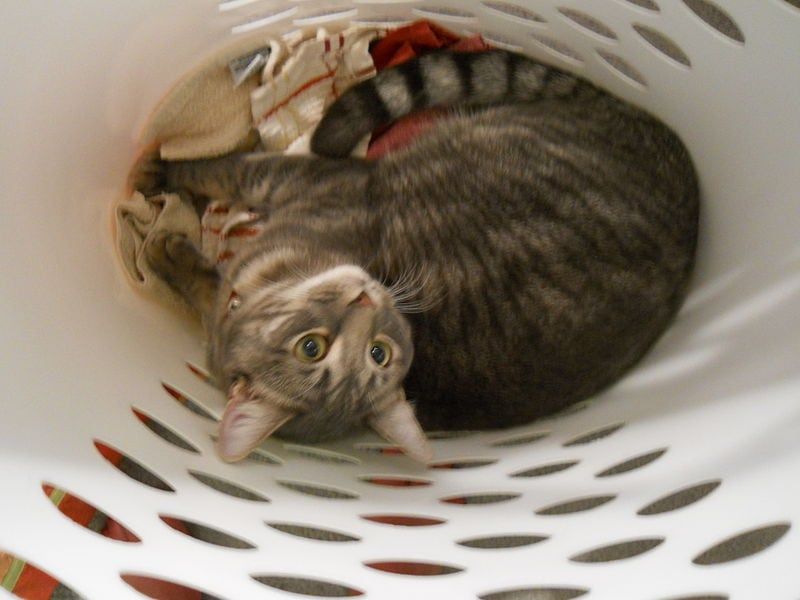
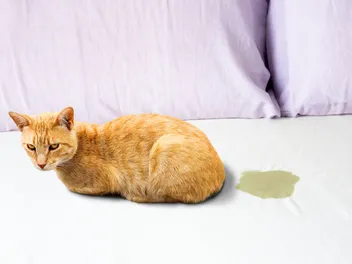
When your cat pees somewhere they’re not supposed to, it can be both distressing and completely baffling. Rest assured that your cat is not doing this out of spite or to annoy you. Peeing anywhere outside the litter box can be the result of various issues, but it’s not malicious.
There are several crucial reasons that you should not punish your cat for peeing in the laundry basket. First, it just won’t work. Second, it may even exacerbate the problem by causing your cat to be even more stressed. Read on to find out why your cat might be peeing in the laundry basket and how you can tackle this behavior.

The 8 Reasons Why My Cat Is Peeing in the Laundry Basket
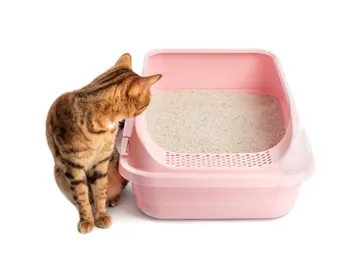
1. The Litter Box Is Smelly
Even if your cat’s litter box is free of clumps and “emissions,” it will still start to smell if you don’t change it often enough. This can put a cat off using their litter box and seeking out fresher-smelling areas—even if that’s your dirty laundry!
You can tackle this by changing the litter regularly and making use of odor eliminators like baking soda or cat litter deodorizers. One trick is to sprinkle a fine layer of baking soda on the bottom of a clean litter box before you fill it with litter. Then, sprinkle more baking soda on top of the litter, and stir it in with the litter scoop.
Combating tough cat litter smells is an ongoing battle for pet parents but luckily, there are products out there designed to help! Two products that significantly reduce odors are the Hepper Litter Additive and the Hepper Enzyme Spray.
| Image | Product | Details | |
|---|---|---|---|

|
Hepper Advanced Bio-Enzyme Pet Stain & Odor Eliminator Spray |
|
Check Price |

|
Advanced Bio-Enzyme Cat Litter Deodorizer |
|
Check Price |
At Catster, we’ve admired Hepper for many years and decided to take a controlling ownership interest so that we could benefit from the outstanding designs of this cool cat company!
2. The Litter Box Isn’t Clean
One of the most common reasons cats pee in the laundry basket or somewhere that’s not their litter box is that their box is not clean enough. Cats are very fastidious, and if their litter box is not up to their standards, they’ll find somewhere else to do their business.
You can combat this by performing regular spot checks throughout the day and removing any clumps or emissions. When the clumps are removed, stir through the litter with the scoop to check you haven’t missed any, and spread out the litter so it’s even. Add in some fresh litter to top it up if need be.
The litter you use is also a crucial factor—some litters absorb smells and urine better than others. Some people have had good results with clumping pine litter because as long as you remove the clumps daily, it seems to stay fresh for longer. The worst experiences tend to be with low-quality, dusty clay litter.
At least once per week (depending on the kind of litter you use), you’ll need to remove all the litter and give the box a thorough clean before filling it up again with new litter.
3. Your Cat Doesn’t Like the Litter
What if you’re meticulous about cleaning the litter box and changing it out regularly, but your cat is still peeing in the laundry basket? It could be something as simple as your cat not liking the kind of litter you use.
If you’re using scented litter, for example, the fragrance may put them off using the box. Or, your cat just may not like the texture. You might need to test out a few different kinds of litter to find out what meets your cat’s approval.

4. The Litter Box Isn’t in the Right Position
Perhaps your litter box is too high for your cat to comfortably step or jump into, or the litter box is placed too close to certain areas, like your cat’s food and water bowls. Try placing the box in a calm, quiet area like in or just outside the bathroom.
5. There Are Not Enough Litter Boxes
If you have more than one cat at home, ideally, you should try to have one litter box per cat, plus one extra. Cats are territorial and don’t like sharing litter boxes. Moreover, it can be incredibly stressful for a particularly shy cat to have to use the same box as a dominant cat.

6. Your Cat Prefers to Pee Standing Up
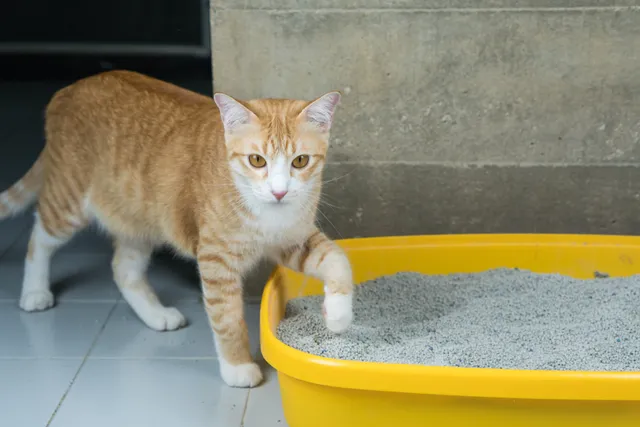
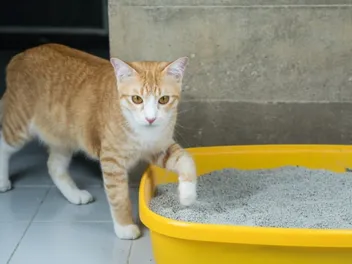
This might sound bizarre, but some cats aren’t comfortable placing both their paws in the litter box; they prefer to do their business with their front paws out of the box. Now, if you have a closed-in litter box or a short-sided open litter box, this can be tricky.
Consider bringing in a large “jump-in” litter box, which is enclosed but has a wide opening at the top. Now, the cat can stand up and rest their front paws on the top of the box with their head out while they go!
7. They Are Stressed
Another common cause of cats urinating in the laundry basket is stress. If there has been a recent change in routine, the litter box isn’t in the best place, or other cats are bullying the cat in question, this can make them feel anxious and cause them to seek out a place that feels less scary.
According to Dr. Cathay Lund, the smell of their own urine makes a cat feel safer. This is why some cats find a quiet, private place to pee when stressed. Monitor your cat to try to ascertain what their triggers are—it could be sharing a box with multiple cats, bullying, loud noises close to the litter box, or a dirty litter box, among other possible causes.

8. They Are Ill
Sick cats sometimes urinate outside the litter box.
The medical conditions that can cause this behavior include:

When Should I See a Vet?
If you’ve ascertained that the litter box isn’t the issue or that your cat seems to be in pain or discomfort or is showing signs of being unwell, it’s time to find out what’s going on.
If you’re concerned about your pet’s well-being, we recommend you contact a veterinarian.

Conclusion
A cat may urinate in the laundry box instead of their litter box for a variety of reasons—the cause could be behavioral, medical, or related to the condition or placement of the litter box. If changes to the litter box (cleaning frequency, types of litter, etc.) do not solve the problem, we recommend having a chat with your vet.
Related Reads:
Sources
Featured Image Credit: Wikimedia Commons
Expert cat care, straight to your inbox
News, insights, and useful advice, delivered to you.

No spam — unsubscribe anytime.
By signing up, you agree to our Terms & Conditions and Privacy & Cookies Policy.
How useful was this post?
Click a star to rate. You can leave written feedback afterwards. (We read all feedback.)
Kit Copson is a freelance writer and lifelong animal lover with a strong interest in animal welfare. She has parented various furry beings over the years and is currently a proud cat mom of two—one very chilled (unless hungry) Siamese and a skittish but adorable Domestic Shorthair—and dog mom of one—an adopted Bichon Poodle cross. When not writing about or spending time with animals, Kit can be found doodling in her sketchpad, reading, or more often than not, drinking tea.