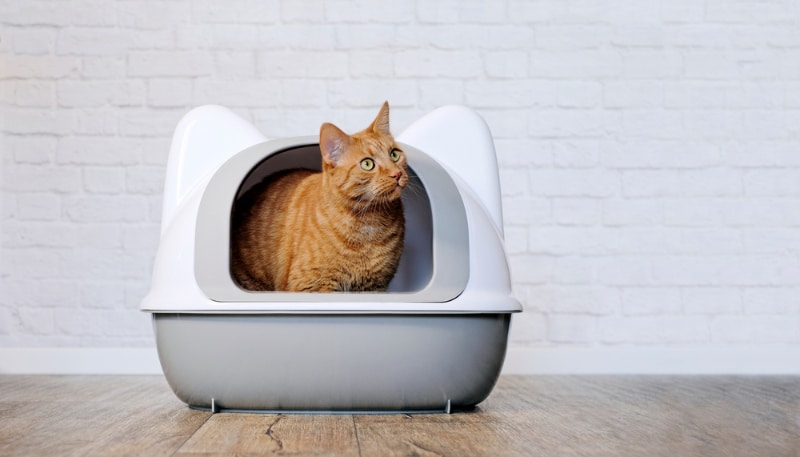
How Long Can a Cat Go Without Peeing? Vet Reviewed Facts & FAQ

In this article
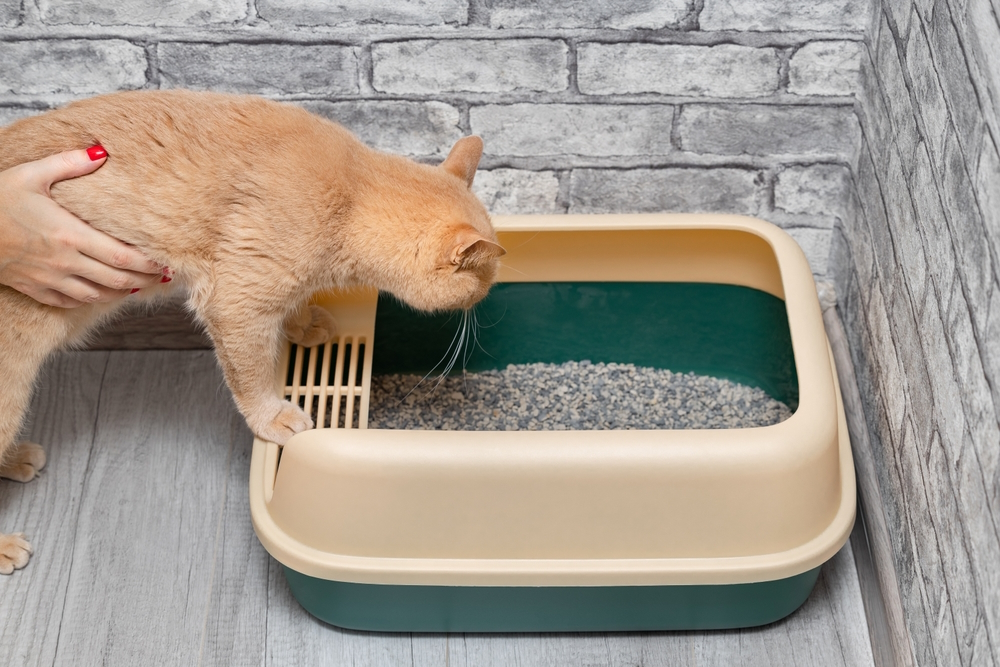
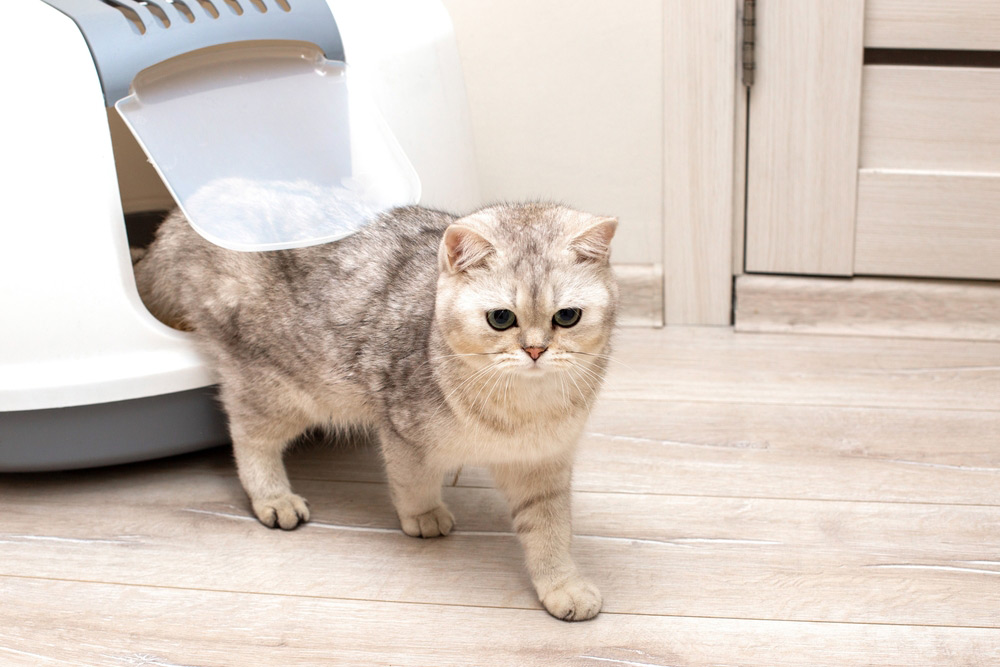
As a living being, a healthy cat's urinary system is always functioning and constantly producing urine. On average, healthy cats urinate two to four times daily, however, it depends on how much water and food they had in the previous hours.1 Thus, if your cat is not eating or drinking properly, you might see a few fewer trips to the litter box or less amount of pee produced. So how long can a cat go without peeing before it becomes a concern? Your cat should not hold their pee for more than 12 hours.
If you have not seen your cat using their litter box for more than 12 hours, you need to keep a close eye on them and contact your vet immediately. We will explain why your cat may stop using their litter box as usual and some interesting facts about cat urination.
Depending on the situation, you might give your cat 12 hours to see if they urinate; however, it is only valid as long as your cat behaves normally. If you see your cat trying to urinate unsuccessfully and spending more time than usual in their litter box, changing posture, vocalizing, or making frequent trips or attempts to urinate, contact your veterinarian immediately since it can have fatal consequences if ignored.

What to Do If Your Cat is Holding Their Pee and Not Urinating?
Cat owners need to provide their kitties with litter boxes at all times for them to relieve themselves. If you plan on taking your cat with you on a long trip, it would be best to take them out of the vehicle at least every 6 hours for their calls. Since cats have an instinct to mask signs of illness, you need to bring your feline friend to a vet immediately if you notice them having trouble urinating
However, as a cat parent, you need to have a basic understanding of how your cat's urinary tract works to know whether something is wrong with your cat. Essentially, a cat's urinary system consists of the kidneys that filter the waste material and send them to the ureters, a tube that connects each kidney to the bladder, and, finally, to the urethra (the tube through which urine exits the bladder).
When something is amiss with your kitty's urinary system, they fail to pee as regularly as they should, which can be from an obstruction or a failure to produce urine.

What Makes a Cat Hold Their Pee?
Your kitty's failure to pee boils down to two scenarios: a lack of urine production or your cat not urinating either because they are holding the urine or because they cannot pee. However, since cats can mask their signs of illness and try to appear healthy most of the time, you cannot overlook peeing difficulties in your cat.
Check out the factors that trigger this problem.
1. Problems With the Litter Box
The location, hygiene, type of litter, and the number of litter boxes can affect your cat’s urinating habits, causing a change in the normal pattern. Other factors that can contribute to a lesser extent include sudden routine changes, diet changes, medication, moving homes, or strangers' presence in the house. It may start as reluctance to use the litter box, but it can progress into a more severe condition.

2. Urinary Tract Disease
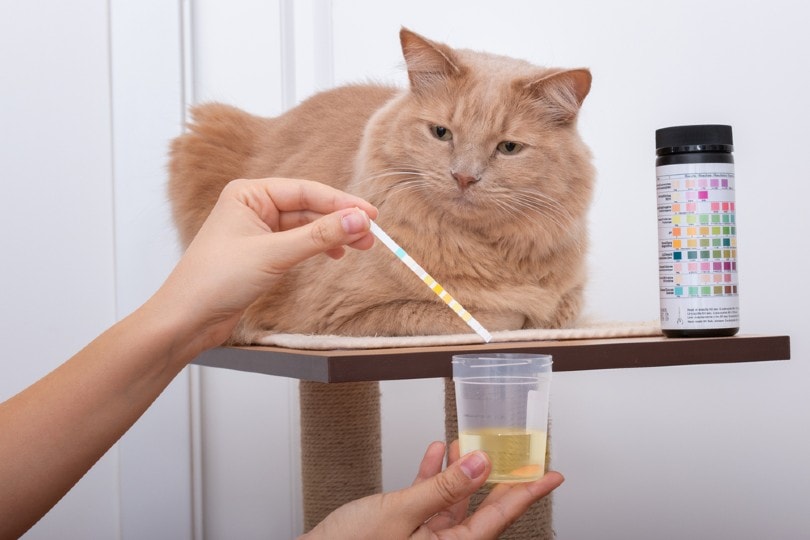
Feline Lower Urinary Tract Diseases (FLUTD) is a cluster of diseases and disorders affecting cats’ urinary system. These conditions include bladder inflammation, infections, stones, and blockages.
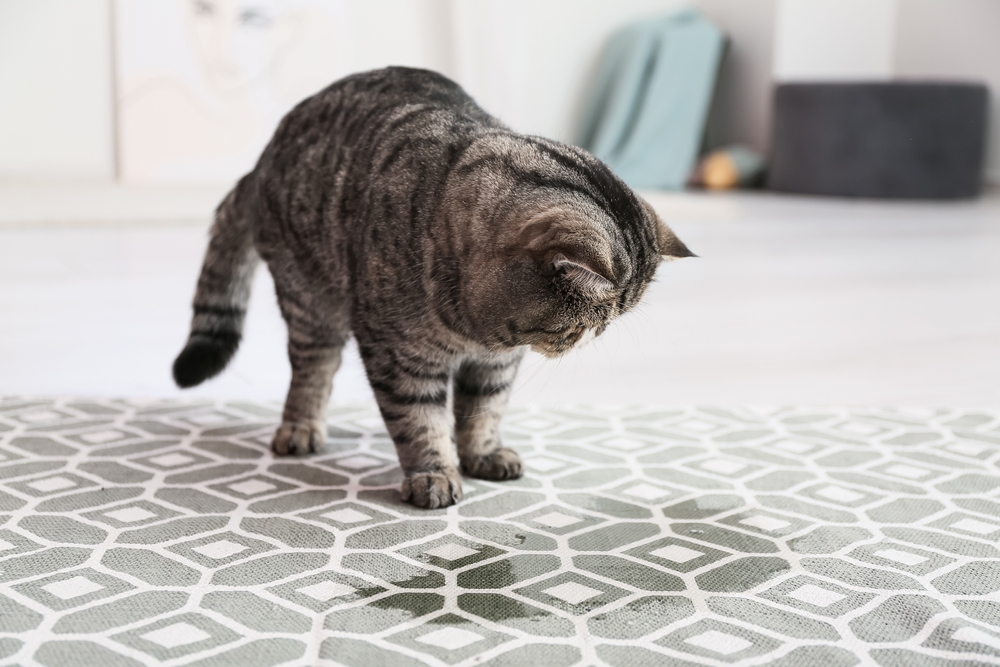
A cat with such conditions usually has a hard time peeing. They may vocalize, make frequent attempts to urinate, or miss the litter box.
3. Kidney Problems
Sudden problems in your cat’s kidney function can have a profound impact on your cat’s health. It is different from the more common problem called chronic kidney disease. When acute kidney injury occurs, the standard filtration suddenly stops, causing an accumulation of toxins and waste products in your cat’s bloodstream.
Acute kidney injury can have many causes, such as infections, urinary obstruction, or poisoning from toxic plants or antifreeze. Unfortunately, it can have fatal consequences if left untreated. Your cat will exhibit other signs of disease, such as a lack of appetite, lethargy, vomiting, and diarrhea.

3. Injury
Your cat will stop urinating if they get an injury in their lower back that damages the nervous system of the bladder and the urethra. Injuries like falls, car accidents, or deep infected wounds can hurt your cat's pelvic nerves, which are in charge of the urinary tract's functional control. For this reason, your feline friend may develop difficulties and stop urinating altogether.
What are the Signs of a Cat with Lower Urinary Tract Disease?
While problems with the litter box and a reduced appetite or thirst may affect a cat's urinating pattern, medical reasons are the most common reason for cats' peeing problems. This means your cat's body may display initial signs that can alert you and help combat the situation.
Be alarmed if:
Can Cats Hold Their Pee Overnight?
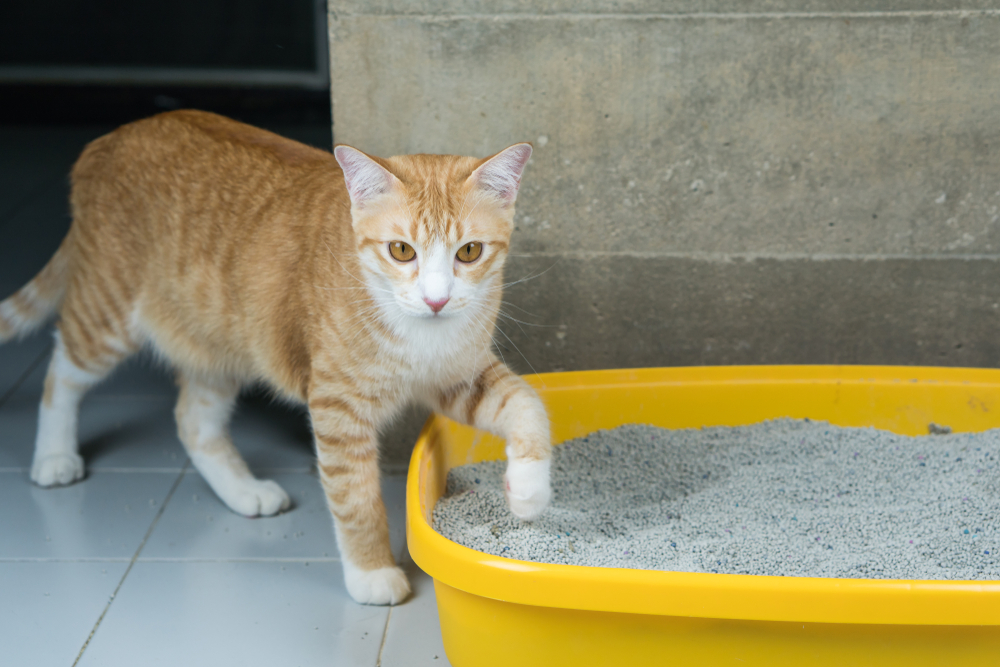
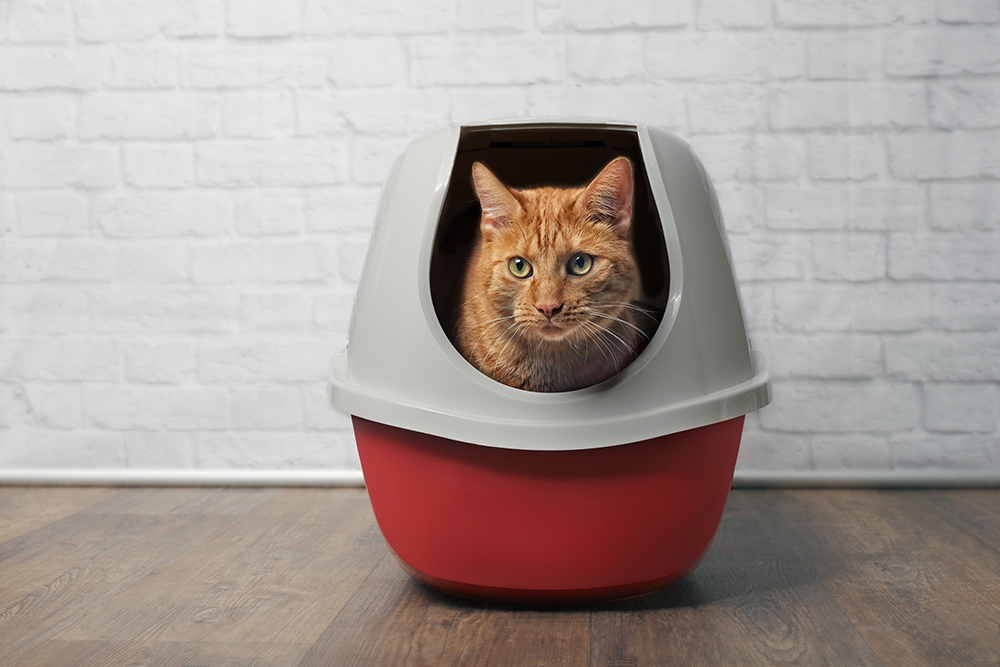
You may notice an empty litter box in the morning, meaning your kitty didn’t use it overnight. This shouldn't be a free pass not to have a litter box available overnight, though! Indoor cats should always have access to their litter box.

Is It Okay to Lock a Cat in a Room at Night?
Kitties should always have a litter box available wherever they are resting. Therefore, if you are planning to keep your cat locked somewhere in the house, they should have a litter box available in case they need to use it overnight.
Is One Litter Box Enough for One Cat?
A general rule of thumb for cat care is one litter box per cat and one extra. Since cats hate sharing toilets, you must get each cat their litter box and an extra one if you have more than one cat.
It would also be best to scoop out the litter box at least twice daily.
How Do You Know If Your Cat Has to Go to The Bathroom?
Cats are easy to potty-train, especially if you catch them in time. Some signs that can help you determine your cat's potty time include sniffing the ground and vocalization, such as meowing or dashing behind the furniture.
Gently divert your kitty to the litter tray, place them in it, and give them privacy. Avoid staring; they’ll find it hard to go if they’re being watched.

Is It Bad to Keep a Litter Box in Your Bedroom?
If your cat sleeps in your bedroom, it is best to avoid keeping the litter box inside and, instead, keep the door open so that your cat can access it whenever needed. Keeping a cat's litter box in your bedroom could expose you to fumes from the urine and feces, especially if you don't empty and clean it twice a day.
Plus, keeping a feline's litter box in the bedroom with you infringes on your kitty's privacy when using the bathroom, as cats also need privacy like humans.
Instead, leave the door open and let them access their litter box, you can always install a cat flap to allow them free entry and exit while the door remains closed.

Top Tip for Cleaning & Combating Tough Litter Box Smells
Cleaning up after our pets is not the most enjoyable part of owning them. Despite keeping a clean litterbox, cat odors and stains may still exist around the house. Sometimes, even the best litter box setup needs extra help. If you're tired of dealing with bad smells from litter boxes, Hepper Advanced Bio-Enzyme Pet Stain & Odor Eliminator Spray can help with the worst pet stains and smells. Additionally, the Advanced Bio-Enzyme Cat Litter Deodorizer neutralizes odors upon contact.
| Image | Product | Details | |
|---|---|---|---|

|
Hepper Advanced Bio-Enzyme Pet Stain & Odor Eliminator Spray |
|
Check Price |

|
Advanced Bio-Enzyme Cat Litter Deodorizer |
|
Check Price |
At Catster, we’ve admired Hepper for many years and decided to take a controlling ownership interest so that we could benefit from the outstanding designs of this cool cat company!
Summary
Sometimes, a cat can stop peeing just because their litter box is dirty and smelly. Cats are intelligent, neat creatures that can't hop in a filthy litter box, and you must always keep it clean and odorless.
On other occasions, your cat might be suffering from a severe urinary problem that stops them from peeing, requiring prompt veterinary intervention. As a loving cat parent, ensure that you monitor your kitty's potty manners and check with your veterinary officer in case their urinary pattern changes.
Featured Image Credit: Jennifer McCallum, Shutterstock

Expert cat care, straight to your inbox
Vet-reviewed advice, behavior tips, and the best of Catster. Free, and you can unsubscribe anytime.
By signing up, you agree to our Terms & Conditions and Privacy & Cookies Policy.
Christian started writing for a local newspaper as a teenager, and he's been involved in the publishing industry for most of his adult life. Combining his love of writing with a passion for animals, he is currently the Director of Editorial at Pangolia and the Editor-in-Chief at Catster.
Christian lives in the Philippines with his wife, son, and four rescue cats: Trixie, Chloe, Sparky, and Chopper.
Join the conversation
Ask a question, share your story, or send private feedback.