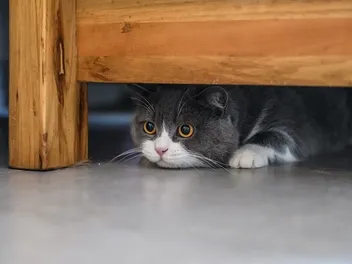
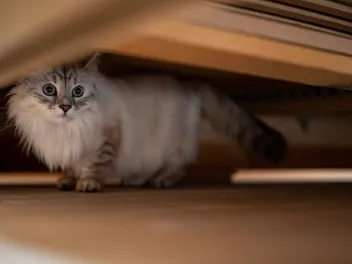
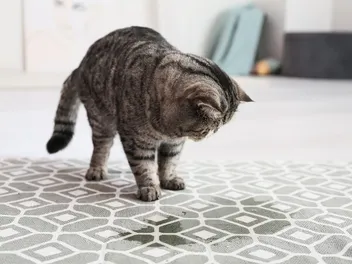
Why Do Cats Pee When Scared? 2 Reasons for This Behavior


In this article
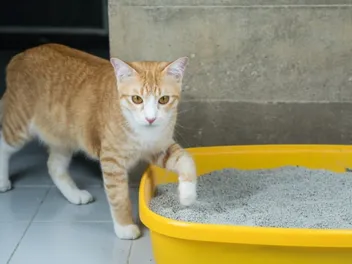
If you’re a cat owner, chances are that you don’t see your cat pee anywhere but the litter box. Sometimes, though, you may notice that cat urine is on the floor or the couch, and your cat is nowhere to be found. What happened?
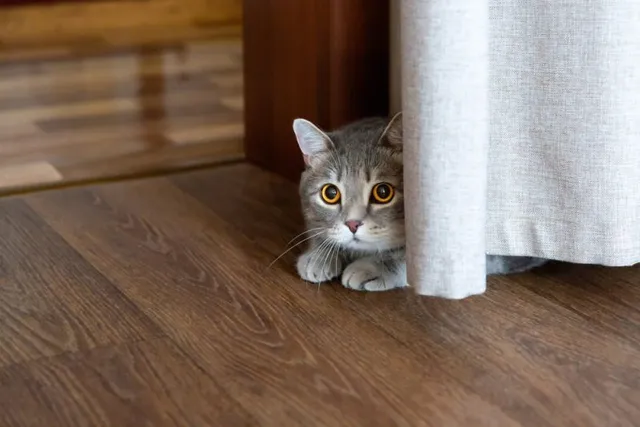
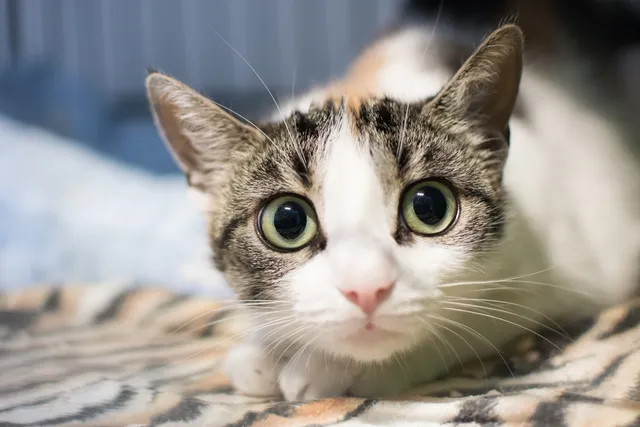
There could be many reasons that this happened, but one is that your cat got scared by something. Cats can and do pee when they’re scared. The way to get this under control and avoid having to clean up frequent messes is to understand why it’s happening.
In this article, we look at common reasons that cats pee when they’re scared and what you can do to calm them.

Rule Out Medical Conditions First
If your cat is urinating outside of the litter box, it’s best to rule out medical conditions first. While the peeing may be in response to fear, you’ll want to eliminate any potential health issues before you start trying to figure out what’s scaring them.
Sometimes, cats pee in strange places due to underlying health issues, like urinary tract infections or painful crystals in the urine.
Once your vet clears your cat of any health problems, you can treat the issue as behavioral.
The 2 Reasons Why Cats Pee When Scared
If you think that your cat is peeing when they’re scared, knowing why they’re doing it can help you keep it from happening in the future. Dealing with a scared cat takes patience and understanding. You may not be able to stop them from peeing when they’re scared every time, but you can at least be prepared for it.
1. They Can’t Help It
When cats are startled, they can pee involuntarily. This usually results in just a small puddle beneath the cat and is not a full release of the bladder. This happens more often when the cat is easily scared to begin with and already stressed about something. This is an involuntary response triggered by the cat’s nervous system sometimes referred to as fear-induced urination.
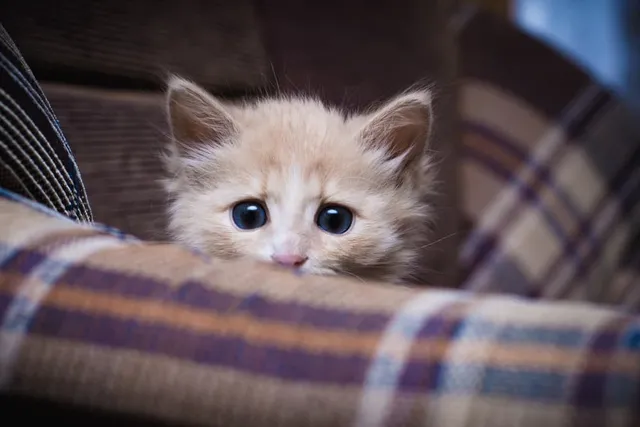
Sudden, loud noises can trigger this loss of bladder control. Age can also factor into this. If your cat is a kitten or an elderly senior, their bladder control is weaker. A scared, elderly cat is more likely to pee than a scared, adult cat. However, it can occur in cats of all ages.
2. They’re Trying to Avoid a Fight
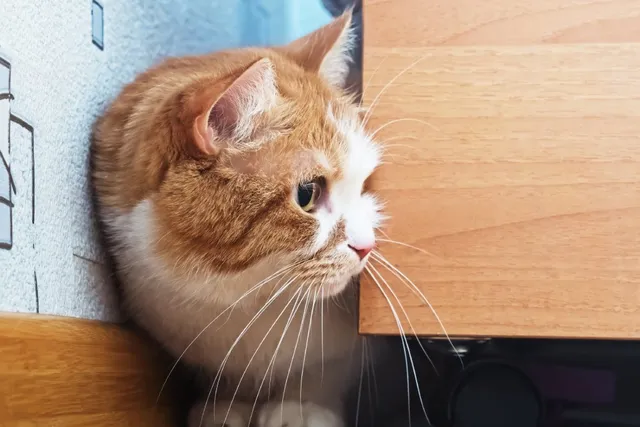
In a confrontation with another cat, even one that they live with, a scared cat will pee as a way to show submission and avoid a fight. This is the reason why it is sometimes referred to as “submissive urination”. While some fighting between cats is considered normal, peeing is a sign that the fight has gone too far.
If this occurs regularly, it’s possible that your cats did not have enough time to get to know one another in the initial introduction phase. You can try to separate them and reintroduce them for a few weeks to help them get used to one another again. It will give your scared cat time more time to learn that the other cat is not a threat.

Calming a Scared Cat
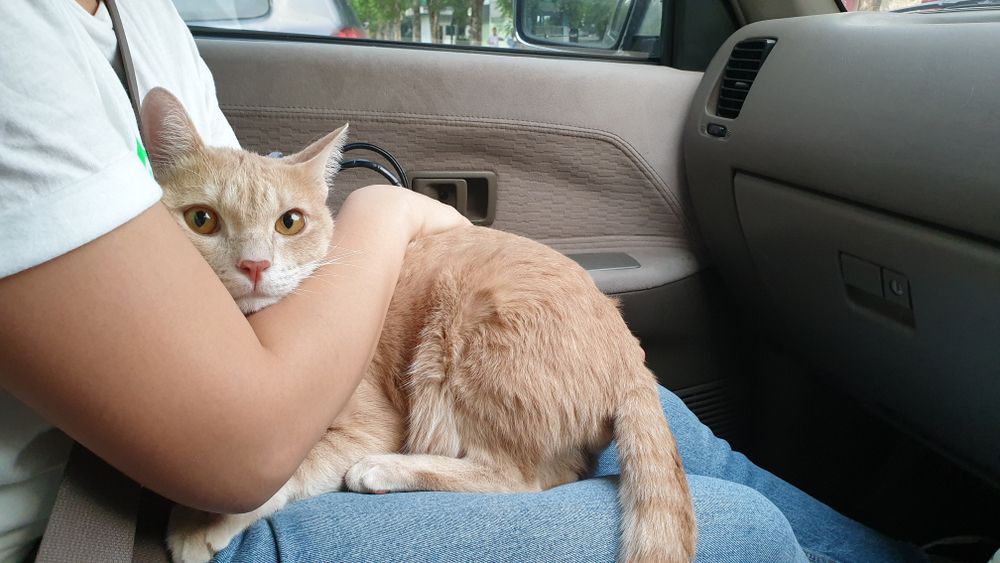
If you know that you have an easily scared cat, the most important thing to do is remain calm around them. If you’re upset, this can upset them even more. They can sense your energy, so staying relaxed will help them feel that way too.
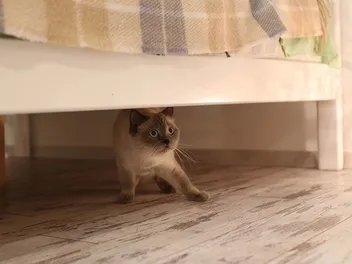
In cases where you can know beforehand that something will scare your cat—like fireworks, thunderstorms, or company coming over—contain your cat in a quiet area where they can stay calm. A bathroom or spare bedroom will work. Give your cat a litter box, food, water, and a comfortable place to sleep. Let them hang out until the commotion is over and they can decompress. You can also give them an article of your clothing that smells like you or their favorite blanket to keep them calm. Even if they do pee, it’ll be in an area that you expect and you can easily clean it up.
Don’t force them to come out before they’re ready. Once the scary event has passed, open the door and let your cat venture out when they feel safe enough to do so.

What to Do If Nothing Works
If your cat is constantly stressed, scared, and peeing in inappropriate places, it’s a sign that something is upsetting to them in their environment. If you can’t figure out what that might be, speak to your vet about options. Maybe your cat needs medication to help control their bladder or to help calm them so they don’t pee out of fear.
Consider your cat’s background. If you haven’t had them from kittenhood, they could’ve had a life that was filled with neglect or abuse. It can take cats several months or even over a year to fully adjust to a new life. Give them time to feel safe. It can take a while for traumatized cats to trust again.
Final Thoughts
When scared cats pee out of fear, it’s an involuntary response. Once you rule out medical issues that may be causing the urinating, you can work on helping your cat overcome their fear and stress. Cats need time to adjust to changes, and some may take longer than others. We hope that you’ve learned a few ways to help your scared cat stop peeing out of fear and feel more comfortable in your home.
Featured Image Credit: RJ22, Shutterstock
Expert cat care, straight to your inbox
News, insights, and useful advice, delivered to you.

No spam — unsubscribe anytime.
By signing up, you agree to our Terms & Conditions and Privacy & Cookies Policy.
How useful was this post?
Click a star to rate. You can leave written feedback afterwards. (We read all feedback.)
Christian started writing for a local newspaper as a teenager, and he's been involved in the publishing industry for most of his adult life. Combining his love of writing with a passion for animals, he is currently the Director of Editorial at Pangolia and the Editor-in-Chief at Catster.
Christian lives in the Philippines with his wife, son, and four rescue cats: Trixie, Chloe, Sparky, and Chopper.