Scottish Fold Tabby: Info, Pictures, Facts & History
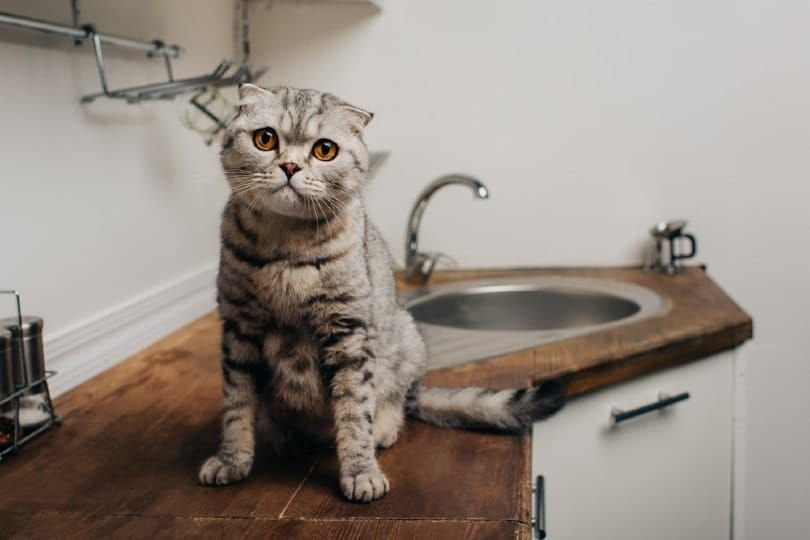
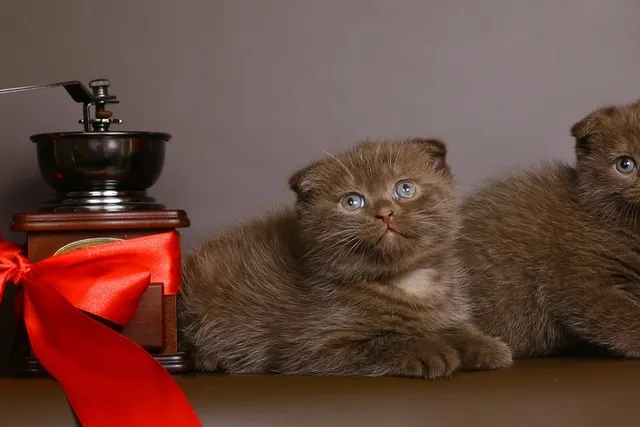
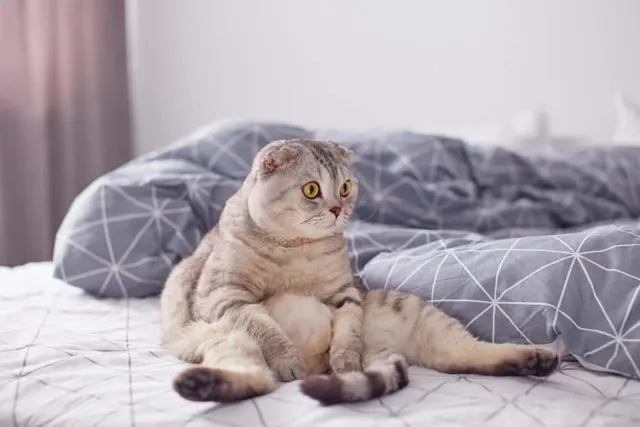
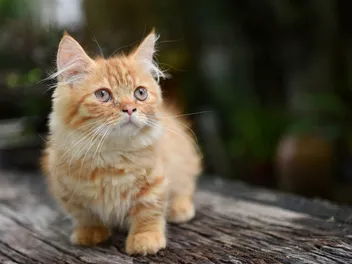
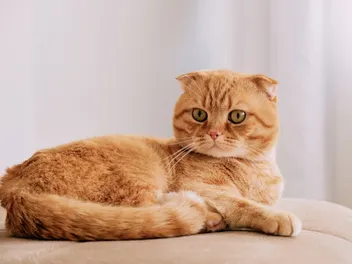
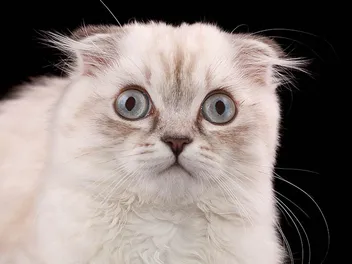
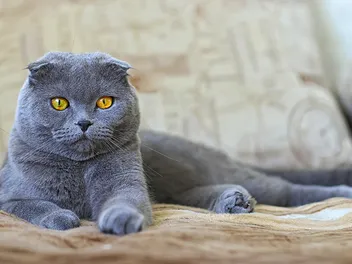
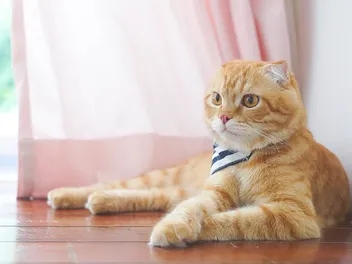
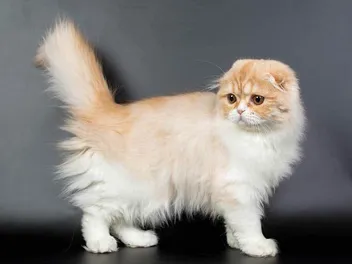
The Scottish Fold is one of the rarest and most unique-looking felines one could have as a pet. It is so named because of its distinctive forward-folded ears that result in it having an almost owl-like appearance.
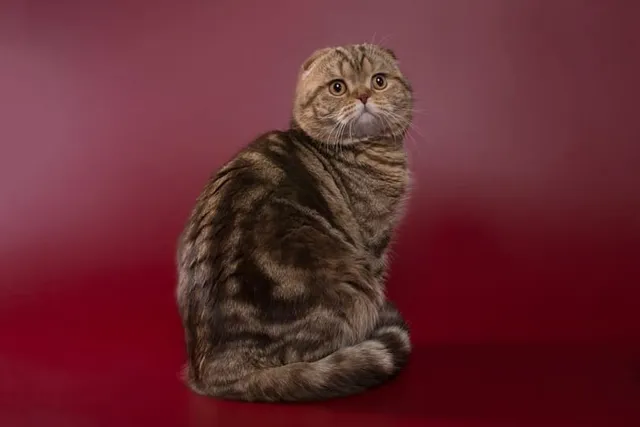
The breed can be a variety of colors such as gray, brown, cream, orange, and silver—most commonly, with a base color of black. They can have any coat pattern that you see in other cats, one of which is the striking tabby patterning of stripes, spots, whorls, and other variations.
The tabby coat pattern is distinguished from other similar coat patterns by the appearance of an “M” shaped marking above the eyes, which is almost always present.

The Earliest Records of the Scottish Fold Tabby in History
The Scottish Fold is a relatively young breed, and its origins can be precisely traced. All Scottish Folds are descended from a white barn cat named Susie, who lived on a farm in Perthshire in Scotland in the early 1960s. Susie exhibited distinctive folded ears, and when she had a litter of kittens, two of them also displayed the same trait. One of these kittens, Snooks, was taken by a local farmer, William Ross, who had an avid interest in cats and cat breeding. With the help of a geneticist, he began to reproduce the new Scottish Fold breed in 1966.
There is no precise record of when the first Scottish Fold with tabby markings was born. However, during the first three years of the breeding program, 76 kittens were born, of which 42 exhibited the ear fold trait. It is reasonable to assume that there was a tabby Scottish Fold amongst them.
How the Scottish Fold Tabby Gained Popularity

Their cute appearance and loving personalities meant that the Scottish Fold soon garnered attention from cat lovers—tabby-cat devotees among them. Their popularity did not soar as one might have expected, however, and they remain a rare breed today. This is due to controversy surrounding the breeding of these cats, following the discovery that they were predisposed to debilitating cartilage and bone deformities that are symptomatic of a condition called osteochondrodysplasia.
The reason that the Scottish Fold’s ears droop forward in that endearing manner is due to a specific gene that affects the cartilage in their ears. Unfortunately, this gene also affects the cartilage in other parts of the cat's body.
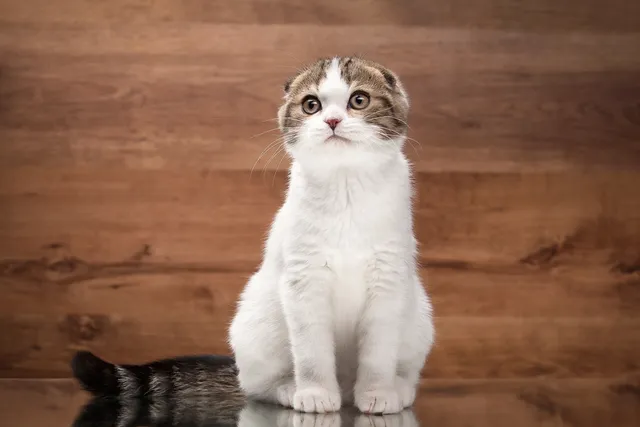
Nevertheless, their unusually affectionate personalities and endearing cuteness are overriding, and many people actively seek them out as pets. Scottish Folds are particularly popular in the US, where several celebrities are devoted Scottish Fold fur parents. Taylor Swift owns two Scottish Folds, one of which is a white and tabby!
Formal Recognition of the Scottish Fold Tabby
William Ross registered the Scottish Fold with all its color forms with the UK Governing Council of the Cat Fancy (GCCF) in 1966. However, following revelations regarding genetic deformities and concerns with ear problems, registrations were withdrawn in 1971. The breed was never accepted for showing in the rest of Europe.
The concerns over problems with their ears subsequently proved to be unfounded, but the cartilage and bone deformities of the hind limbs continued to be a major concern. For this very reason, breeding of the Scottish Fold is prohibited in the UK, France, and other regions.
In the US, breeding is allowed to continue under very strict conditions. A Scottish Fold may only be bred with a Scottish Shorthair—a cat with similar genetic makeup but that does not possess the mutant gene. This cross results in approximately half the litter exhibiting the folded ear trait. It also ensures that cats do not inherit two copies of the gene, which results in the most severe cases of osteochondrodysplasia.
The Scottish Fold is recognized by other bodies, such as The Cat Fancier’s Association (CFA) and The International Cat Association (TICA), but it appears that certain other organizations may have ceased their association with the breed in recent years.

Top 7 Unique Facts About Scottish Fold Tabby Cats
1. Ears Are Not Folded at Birth
All kittens are born with straight ears. Around 50% of kittens will develop the fold in their ears at about 3–4 weeks old.
2. They Don’t All Have Folded Ears
Not all kittens will develop folded ears. Those whose ears remain erect are known as Scottish Straights.
3. Osteoarthritis
Research conducted in the early 1990s showed that all Scottish Folds exhibit abnormal cartilage and bone development, to varying degrees, in their hind limbs and tail. Cats that inherit one copy of this gene may appear normal and live happy lives. Unfortunately, cats that inherit two copies of the gene are prone to developing incapacitating arthritis from a young age.
4. Stiff Tails
As a result of osteochondrodysplasia, the Scottish Fold’s tail may become stiff and somewhat painful. This will require special consideration by owners.
5. Soft Voices
They are assertively “softly-spoken” cats, given to communicating with chirrups and purrs.
6. They Sleep on Their Backs
Their cuteness is compounded by an endearing habit of sleeping flat on their backs!
7. Other Health Issues
The Scottish Fold is, unfortunately, susceptible to a couple of other serious genetic diseases: polycystic kidney disease (PKD) and cardiomyopathy. There are no known cures for either, and they require symptomatic care and support.

Does a Scottish Fold Tabby Make a Good Pet?
You could not ask for a more loving and affectionate kitty as a pet! They are renowned for this quality, and it is one of the traits—as well as their cute appearance—that makes them so sought after as a pet. They are particularly good with children and other pets too. They are not the most athletic of cats and typically do better as indoor pets, where they enjoy endless cuddles.
It is prudent to bear in mind that the breed, without exception, will develop cartilage and bone defects to a varying degree, regardless of their coat pattern. This predisposition carries with it an ethical consideration concerning the continued breeding of the Scottish Fold, and whether you would be willing to support that.
Because of their genetic defect, most Scottish Folds will develop a stiff tail that needs to be treated with care. This is important to consider if you are thinking of introducing the cat into a household with small children.
If you are quite decided on a Scottish Fold tabby, the best solution would probably be to adopt one looking for that special forever home.
Conclusion
Scottish Folds certainly get full marks for originality, both in the looks and attitude department. Their round faces, big eyes, and flattened ears give them such a sweet appearance—one can’t help being instantly captivated!
It is such a pity that these endearing cats are genetically predisposed to several worrisome physical diseases. There certainly appears to be sufficient evidence available that brings into question the continued propagation of the breed. Equally, however, it would be very sad to live in a world without the adorable Scottish Fold.
Related Read:
Featured Image Credit: LightField Studios, Shutterstock
Expert cat care, straight to your inbox
News, insights, and useful advice, delivered to you.

No spam — unsubscribe anytime.
By signing up, you agree to our Terms & Conditions and Privacy & Cookies Policy.
How useful was this post?
Click a star to rate. You can leave written feedback afterwards. (We read all feedback.)

Eleanor is a freelance writer, science, and math high school teacher. She lives in South Africa's picturesque KwaZulu Natal Midlands with her six-year-old son, cat, horse, and three chickens. She is happy to be able to convert her enthusiasm for animals, science, and life-long learning into valuable and interesting writings. Eleanor and her son enjoy exploring their wonderful nation in their spare time. Road trips to exotic camping places are a cherished pastime. They particularly like unwinding near the sea, in the mountains, or among African animals.