Get

In Your Inbox

Catster is reader-supported. When you buy via links on our site, we may earn an affiliate commission at no cost to you. Learn more.

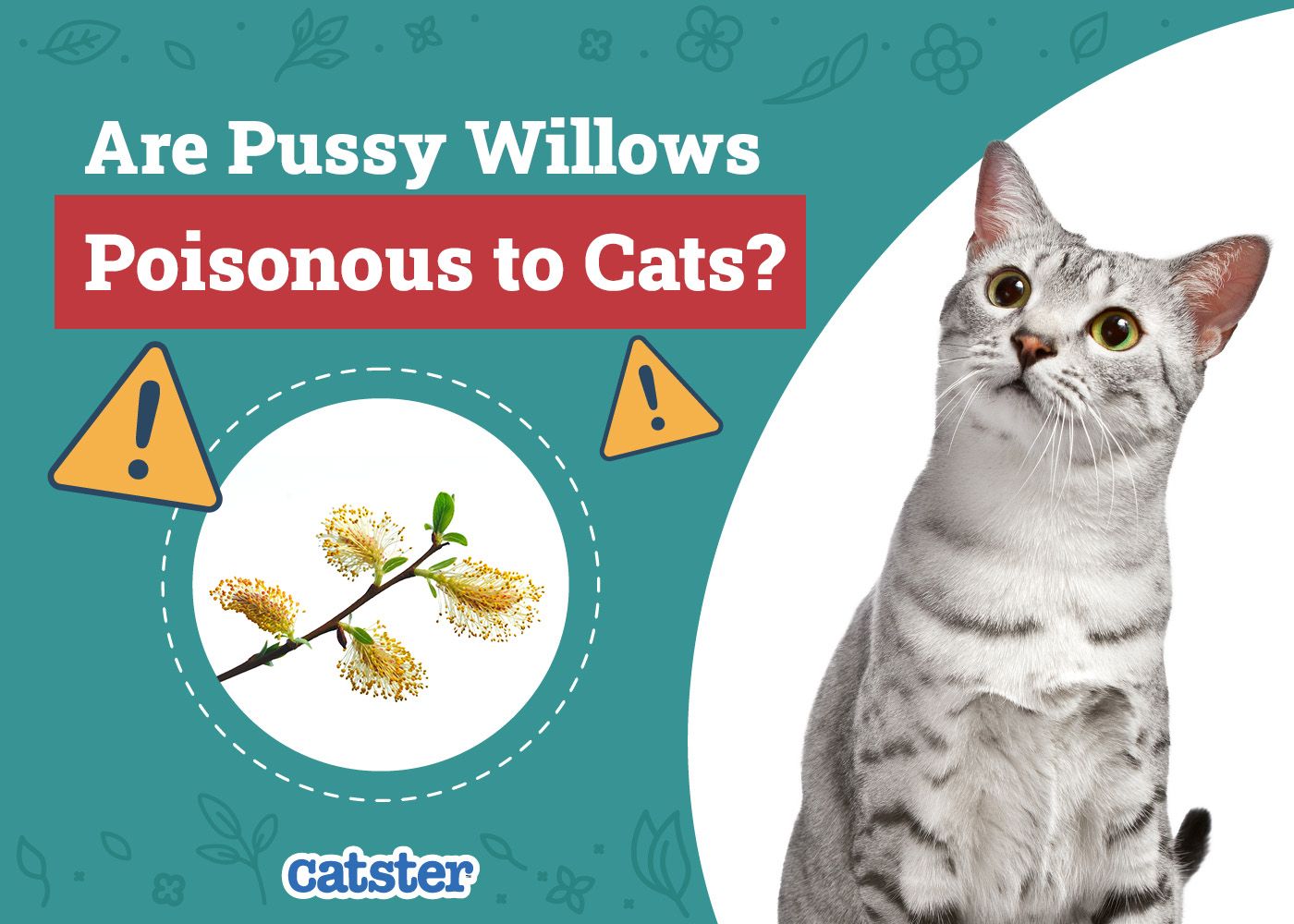
Are Pussy Willows Poisonous to Cats? Vet-Reviewed Houseplants Examined

Share

Catster_Are Pussy Willows Poisonous to Cats

If you grew up in Canada and the northern United States, you’re probably familiar with pussy willows. Children are especially drawn to these unique shrubs with their little fuzzy catkins that we see as early signs of spring. But what if your cat is also drawn to pussy willows? Are they safe for cats?

If your cat has ingested any pussy willows, they are safe for the most part. It’s only in large amounts that they can pose a danger.

Here, we look at pussy willows and their effect on cats in more detail and give you a few general tips for keeping your cat safe around plants.

cat face divider 2

What Are Pussy Willows?

Pussy willows are deciduous shrubs in North America known as Salix discolor. Two other European shrubs belong to the same genus as the North American one, the Salix caprea and the Salix cinerea, and they are also called pussy willows.

The genus Salix includes willow trees, so pussy willows are basically a smaller species of willow. In the late winter or early spring, they sprout catkins, which are gray fuzzy buds that resemble little cats. The fuzz is a protective coating that protects the early buds of flowers before they bloom.

sick grey tabby cat
Image Credit: chie hidaka, Shutterstock

Pussy Willows & Your Pussy Cat

Cats are strict carnivores, also known as obligate carnivores. This means they receive all their essential nutrients, vitamins, and minerals from meat and not from plant sources. So, cats tend not to be interested in plants, which also means they typically won’t show much interest in eating pussy willows. But they might enjoy batting around those fuzzy buds. There’s no harm there!

However, all plants and trees in the Salix family contain salicin, which is a source of salicylic acid. This is the active ingredient found in aspirin and other pain relievers. Aspirin is highly toxic to cats, and too much of it can lead to gastrointestinal upset, as well as ulcers, seizures, hyperthermia, and death if left untreated.

Now, aspirin is a much more concentrated form of salicylic acid than what is found in pussy willows, so your cat would have to eat quite a large number to experience gastroenteritis, which is unlikely because cats don’t usually eat plants (unless it’s cat grass or catnip, of course).

It’s usually safest to keep away from your cat any plants that can be toxic, whether eaten in small or large doses. It’s always best to err on the side of caution.

You can also consult a vet online if you need quick and easy access to an expert’s opinion.

If you need to speak with a vet but can't get to one, head over to PangoVet. It's an online service where you can talk to a vet online and get the advice you need for your pet — all at an affordable price!

Preventative wellness PGV mention keep cat healthy Preventative wellness PGV mention keep cat healthy mobile

yarn ball divider

Protecting Your Cat From Plants

The most obvious solution is to not have any plants in the house or yard (if you have an outdoor cat) that are known to be toxic. You can refer to the ASPCA’s toxic and non-toxic plants list to see which ones are safest for cats. The following are extra tips that you can try:

  • Avoid placing any plants found on the ASPCA’s list that are known to be toxic in your yard or home. There are plenty of beautiful non-toxic plants to choose from.
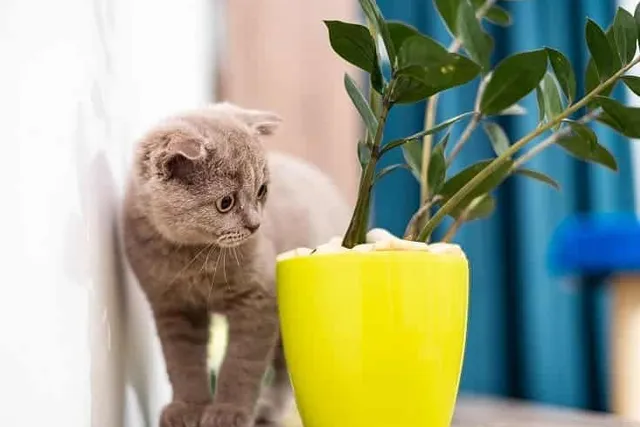
  • If you can’t bring yourself to remove your lovely pussy willows from your home, place them out of reach from your cat. Remember, if your cat is determined, they can find a way to get to your plant. Ensure that there are no shelves or other surfaces that your cat can jump from to reach the pussy willows.
  • Consider placing your plants in a room that your cat doesn’t typically access.
  • Even if your cat doesn’t show much interest in the toxic plant, you should still not leave them unattended around the plant.
  • Various household ingredients can act as cat deterrents. Coffee grounds, cayenne pepper, and citrus juices are all quite effective at keeping cats away, so consider using one or a few of these on your plants.
dedicated plant room to keep away from cats
Image Credit: Unsplash

cat + line divider

Conclusion

If your cat doesn’t seem all that interested in pussy willows or only nibbles on one, it shouldn’t be anything to worry about.

But if you suspect that your cat might have eaten a large part of the plant and is now vomiting and has diarrhea, you should take them to the vet. Bring part of the plant with you, so your vet will know the best way to treat your cat.

Always supervise your cat while they are around any of your plants. Even a non-toxic one might cause an upset stomach if your cat eats too much of it. Cats are curious creatures and remarkably talented at getting into things that they shouldn’t!


Featured Image Credit: kdoetsch, Pixabay

Want content like this delivered to you?

Sign Up For Our Newsletter

News, insights, expert advice, and everything cat

* By submitting, you agree to our Terms & Conditions and Privacy & Cookies Policy.


How useful was this post?

Click on a star to rate (you can leave written feedback after clicking submit)

Help us improve Catster for pet parents!

Your feedback really matters.

What did you like about this post? Also how can we improve it?

Join the conversation

Leave a Reply

You’re very welcome to leave a comment or question. Please know that all comments must meet our community guidelines, and your email address will NOT be published. Let’s have a positive and constructive conversation.


Talk With A Vet Online

Peace of mind,
anywhere, anytime

Affordable vet advice

Do Cats Cause Schizophrenia? Scientists Find a Link – Here’s What It Means

Being a fierce advocate (and occasional recipient of) mental health support and awareness, the term ‘crazy’ is not one I like to fling...

One in 100 Cats Gets Diabetes – Here’s How to Catch It Early

One in every 100 cats develops diabetes.1 That’s not a rare, unlucky condition reserved for cats with obvious health problems. It’s common enough...

Dramatic Rescue Turns Into Dramatic Reunion

What started as a routine call for the RSPCA became a heroic, five-hour rescue featuring one trapped and traumatized cat, an emotional family...

Ask Dr. Paola – Help! How Do I Know if it’s Ear Mites! (May 4, 2026)

Welcome to our “Ask Dr. Paola” series, where every Monday we bring expert advice straight from Dr. Paola Cuevas (MVZ) to help our...

More related

Somebody to Lean On: Financial Help Resources for Cat (& Pet) Owners

Hi, I’m Dr. Lauren! Read my introduction to learn more about me and my two adventurous cats, Pancake and Tiller. We all need...

How Do Cats Give Birth? (Vet Approved Pregnancy & Labor Facts)

It can come as a surprise to find out your cat is pregnant; most likely, you thought she’d only put on a bit...

10 Munchkin Cat Facts: Origin, Appearance & More

If you are a first-time owner or someone that is just becoming familiar with the Munchkin cat breed, you may be curious about...

Can Cats Eat Vaseline? Vet-Approved Benefits & Precautions

Vaseline is a staple item in many people’s bathroom cupboards. It’s useful for many things, but have you ever considered using it on...

Keep reading

Tiny Tiger Cat Food Review of 2026: Recalls, Pros & Cons

Review Summary Tiny Tiger is a cat food brand that’s sold exclusively on Chewy. However, Chewy does not state who manufactures Tiny Tiger cat foods, except that it is made in North America. They mention that some of their ingredients...

Tiny Tiger Cat Food Review

Why Do Cats Sleep in a Circle? Vet Reviewed Reasons

If you own a cat, your smartphone is likely filled with photos of your cat sleeping. They always find interesting positions and places to crawl into for a nap, but perhaps their coziest-looking sleep posture is curled up into a...

a siamese cat in a curled up sleeping position

Why Does My Cat Sit In My Chair? 5 Vet-Approved Likely Reasons & Prevention Ideas

Have you recently noticed that your furry companion has hijacked your chair? Every time you walk into a room, they are sitting in the seat of your chair or up on the back. This might be an odd behavior to...

ginger cat sitting on an armchair

How Do Professionals Cut Cat Nails? 7 Vet-Approved Useful Tips

Cat claws can shred, tear, and destroy objects in a matter of seconds. So, what do you do when you know that it’s time to give them a trim? Can you even do it at home? It can be stressful...

close up trimming cat nails

Can Cats Eat Arugula? Vet-Verified Nutrition Facts & FAQ

Arugula is a bitter and slightly spicy plant that we often put in salads. With its increasing popularity in health food recipes, it is common to wonder if it is safe and healthy to serve to your cat. So can...

Can Cats Eat Arugula

How Long Does a Scottish Fold Live? Average Lifespan Data & Vet-Reviewed Facts

Scottish Folds are renowned for their adorably unique appearance resulting from their flat-folded ears, big eyes, and friendly round faces. They are affectionate, easy-going cats that form a loving bond with their owners. However, this breed is not without its...

scottish fold kitten on mirror and wooden texture

Tapeworms in Cats: Vet Reviewed Signs, Causes, and Care

While it may not sound very appealing to look closely at your cat’s poop when scooping the litter box, you can learn a lot about your kitty’s health by doing so. For example, is the poop hard, soft, or just...

Woman at home holding her lovely Devon Rex cat on lap and gives it a pill

Can Cats Eat Pineapple Leaves? Vet Reviewed Dangers & Advice

Pineapple lovers know the leaves and skin of their favorite fruit have no place in their diet, but cats are rarely as discerning. Many cats enjoy chewing greenery for one reason or another, often not taking the time to check...

Can Cats Eat Pineapple Leaves

Love Cats? So Do We! Join the Catster Community

Stay informed with expert pet care insights delivered straight to your inbox! Discover professional guidance on animal behavior, feeding tips, trusted product picks, and much more.


Sign up for the Catster Email Newsletter

Stay informed with expert pet care insights delivered straight to your inbox! Discover professional guidance on animal behavior, feeding tips, trusted product picks, and much more.