The cat is one of the oldest domesticated animals. They are intelligent, active, and playful. Cats are expressive animals, and they often communicate their moods, desires, and feelings through their expressions. Some of the more common expressions a cat will make include meowing, purring, growling, spitting, and hissing.
However, cats don’t vocalize their illnesses the way that humans do, so it can be difficult to tell when they are in pain. Additionally, cats often do not show signs of illness until after a disease has progressed for a while. Although they can’t outright tell us when they are sick, their behavior may give away some clues.
Read on to find out some of the ways your kitty may try to tell you that they are unwell. If you notice any of the following changes in your cat’s behavior, observe your cat closely and if necessary, contact a veterinarian.

Top 24 Signs Your Cat Is Sick
1. Vomiting
In short, when a cat vomits it is ejecting the contents of its stomach through its mouth. There can be various reasons for a cat to vomit, such as eating something that disagrees with its stomach, hairballs, or diseases that affect the stomach or intestines. In most cases, vomiting is not a serious problem, and the cat will usually recover after a few hours.

2. Loss of Appetite
When a cat loses its appetite, it is generally indicative of an underlying health problem. In most cases, this means that the cat is sick and requires veterinary attention. There are many possible explanations for a loss of appetite in a cat, including gastrointestinal issues, liver disease, kidney disease, cancer, and infections.
If your cat has stopped eating, it is important to take it to the veterinarian for a diagnosis and treatment plan.
3. Sudden Mood Change
A cat’s sudden mood change may be due to a number of factors, including illness. When a cat is sick, it may become withdrawn and inactive, or it may become more aggressive than usual. If a cat’s mood changes suddenly, it is important to take it to a veterinarian to determine the cause of the change.
If you need to speak with a vet but can't get to one, head over to PangoVet. It's an online service where you can talk to a vet online and get the advice you need for your pet — all at an affordable price!

4. Lethargy
Lethargy typically refers to a state of tiredness or sleepiness. In the context of cats, it can be used to describe a broad array of signs that range from general inactivity and disinterest in food or water to complete apathy and even depression. While there can be numerous underlying causes for these signs, ranging from physical health issues to emotional problems, one of the most common reasons for cats becoming lethargic is an illness or infection.
5. Increased Appetite
Increased appetite is one of the most common signs of illness in cats. It can be caused by a number of factors, including infection, inflammation, or endocrine disorders. In most cases, increased appetite is a sign that the cat’s body is working hard to fight off an illness. However, in some cases, increased appetite can be a sign that the cat is sick.
When an older cat suddenly develops an appetite, it may be a concern. Your vet will need to run tests to determine whether hyperthyroidism is to blame. It is important not to ignore increased appetite, even in younger cats. It may result in overeating and obesity.

6. Change in Pupil Size
The pupils of a cat’s eyes will normally be constricted in bright light and dilated in darkness. When a cat is sick, its pupils may not respond normally to changes in light, either staying constricted or dilated for an extended period of time. This can be a sign that the cat is experiencing problems with its vision or its overall health and may be experiencing pain, fever, or some other kind of neurological issue.
If a cat’s pupils are dilated, it may be because the animal is in shock or has been exposed to a toxin. If the pupils are constricted, it may be because the cat has been injured and is feeling pain.
7. Diarrhea
One common sign of illness in cats is diarrhea. This can be caused by a variety of factors, such as eating spoiled food, consuming too much grass, or experiencing a change in diet. In some cases, it may be indicative of a more serious issue, such as cancer or intestinal parasite.
It could be a sign of a number of other diseases, including feline leukemia, feline infectious peritonitis, and feline immunodeficiency virus. If the cat has diarrhea, it is important to take it to a veterinarian for diagnosis and treatment.

8. Change in Vocalization
When a cat becomes sick, they may become much less vocal than usual. This is because when a cat is sick, they often do not feel well and do not have the energy to vocalize as much as they usually would. In some cases, a sick cat may become much more vocal than usual, as they may be trying to communicate with their caretakers that they are not feeling well.
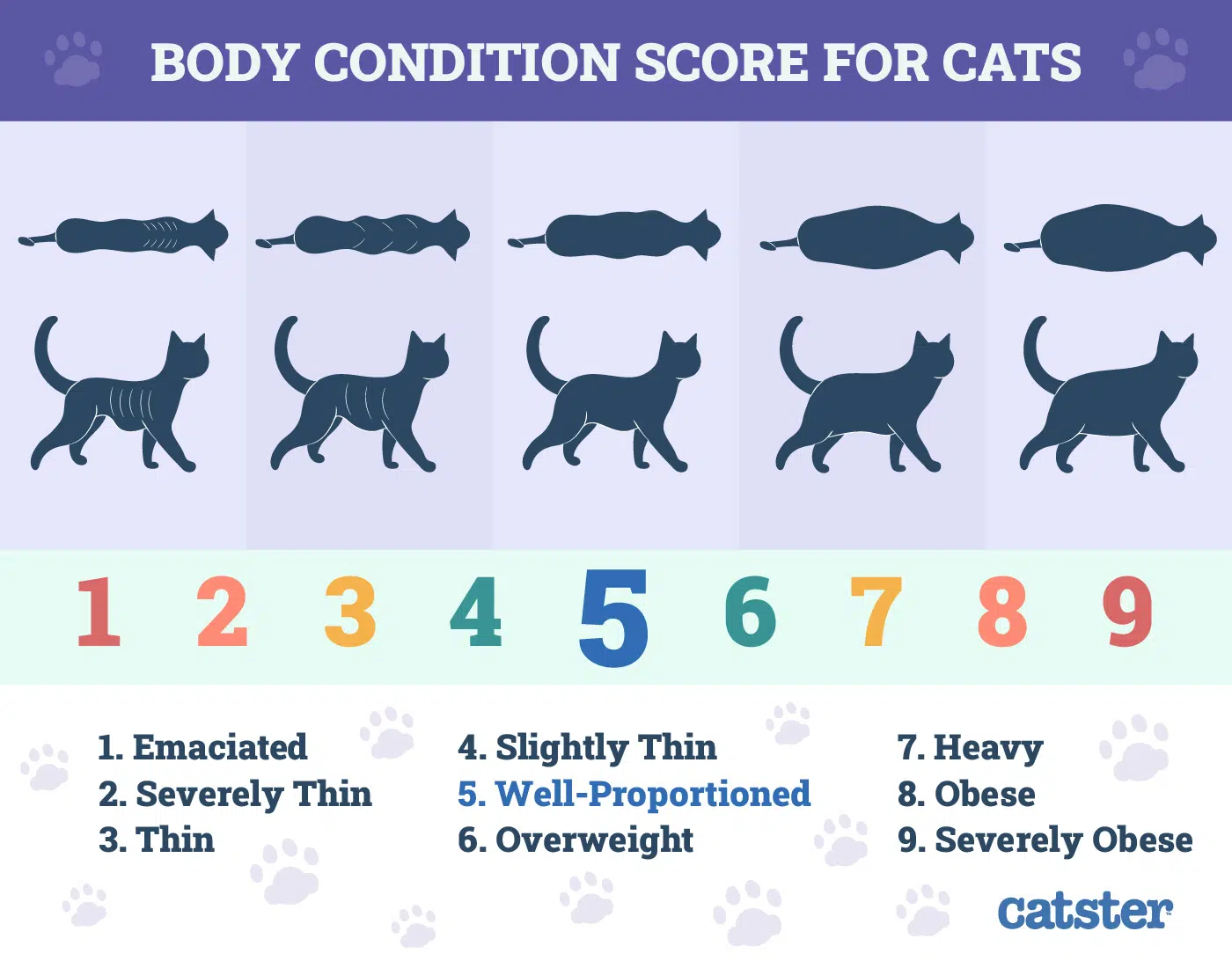
9. Weight Change
There are a few potential explanations for why a cat might experience a sudden weight change. One possibility is that the cat is sick and losing weight as a result of the illness. Another possibility is that the cat is experiencing a metabolic disorder, such as diabetes, which can cause weight gain or loss. There are also a number of possible causes of obesity in cats, including overeating and lack of exercise.
Weight change may be due to a decrease in appetite or an increase in fluid intake. If you notice that your cat has lost weight or seems to be gaining weight rapidly, it is important to take them to the veterinarian for a check-up.
10. Rapid Breathing
There are a variety of potential causes for a cat to exhibit rapid breathing, including infectious diseases, heart problems, and respiratory issues. In most cases, a visit to the veterinarian is necessary in order to determine the underlying cause and to receive treatment. One of the most serious causes of rapid breathing in cats is an infection of the lungs called pneumonia, which can be caused by a variety of factors such as viruses, bacteria, or fungi.
11. Increased Thirst
A cat with an increased thirst may be indicative of a serious underlying medical condition, such as kidney disease or diabetes. Polydipsia, the medical term for increased thirst, can be caused by many different factors, including medications, hormone imbalances, and diseases.
The reason behind a cat being excessively thirsty could be many things. One possibility is that the cat is sick and is consequently losing a lot of fluid through vomiting or diarrhea. If this is the case, then the cat will need to be given fluids intravenously in order to maintain its hydration. Another possibility is that the cat is simply consuming more water than usual due to increased activity or because it’s summertime and hot outside.
If your cat is displaying signs of increased thirst, it is important to take them to the veterinarian for a full evaluation.

12. Overgrooming
Overgrooming can be a sign of anxiety or stress in a cat and can also lead to skin problems. It could be a behavioral issue, but it could also indicate that your cat has an underlying skin condition or is experiencing pain. Try to get to the root of the problem by visiting a veterinarian if you see overgrooming in your pet.
13. Changes in Urination
Changes in urination can be indicative of a variety of illnesses in cats. One such illness is feline lower urinary tract disease (FLUTD), which is characterized by inflammation of the bladder and surrounding tissues. Signs of FLUTD can include changes in urination frequency and amount, as well as blood in the urine. If your cat is exhibiting any of these signs, it is important to take them to a veterinarian for diagnosis and treatment.

14. Hiding
The reason that a cat might hide when they are sick is that they are trying to avoid being seen by other cats. They may feel vulnerable and exposed, and so they will try to stay out of sight. The cat is sick and hiding, most likely because they are feeling weak and vulnerable.
When an animal is sick, they will often hide away from others in order to protect themself and avoid being attacked or eaten. The cat may also be trying to conserve energy by staying hidden.
15. Wheezing & Raspy Breathing
The cat is exhibiting signs of respiratory distress, which may be due to a number of factors, including infection, airway obstruction, or heart disease. The raspy breathing and wheezing may be due to fluid accumulation in the lungs, inflammation of the airways, or plugging of the airway with mucus. Treatment will depend on the underlying cause and may include antibiotics, bronchodilators, or oxygen therapy.

16. Improper Litter Box Use
There are many signs that a cat is sick, but one of the most common is improper litter box use. Cats naturally like to keep their environment clean, so if they start to neglect their litter box it can be a sign that something is wrong. There are many reasons a cat may not use its litter box, such as a urinary tract infection, kidney disease, or diabetes.
If a cat suddenly stops using its litter box, it is important to take it to the veterinarian for a check-up.
17. Eye or Nose Discharge
A cat can show various signs that they are ill, one of which is eye or nose discharge. This can be a sign of a bacterial or viral infection and can be quite serious if left untreated. If a cat has a greenish-yellow discharge coming from its eyes, it may have a sinus infection.
Similarly, if a cat has a clear or white discharge coming from its nose, it may have a cold or upper respiratory infection. If you notice any of these signs in your cat, it’s important to take them to the veterinarian for diagnosis and treatment.

18. Hair Loss
A sick cat may show a few signs, one of which can be hair loss. This may be caused by a number of things, such as parasites, skin diseases, stress, or other underlying medical issues. If your cat is losing hair, it’s important to take him to the veterinarian for a diagnosis and treatment plan.
19. Ear Debris or Discharge
Ear discharge is a common problem in cats. It can be caused by many things, including infection, allergies, or parasites such as ear mites. Ear debris is also common and is usually just an accumulation of wax and skin cells. If your cat has either ear discharge or ear debris, she will need to see a veterinarian for diagnosis and treatment.
If left untreated, the eardrum may become damaged. Additionally, your cat will be extremely uncomfortable.

20. Skin Irritation
Skin irritation can be caused by a variety of factors, such as allergies, parasites, or infections. The skin may be itchy, red, swollen, or have lesions. If the irritation is severe, the cat may scratch or lick themselves excessively, causing further damage to their skin. Treatment depends on the underlying cause but may include topical medications or antibiotics.
21. Limping or Trouble Jumping
This could be a sign of an injury, such as a sprain, or a more serious problem, such as a fracture. The cat’s gait may also be abnormal if it has a neurological problem, such as a spinal cord injury. The cat may be limping or having trouble jumping because it is sick.
This could be due to a number of illnesses, such as arthritis, a urinary tract infection, or a respiratory infection. If the cat is not acting normally, it is best to take it to a veterinarian for diagnosis and treatment.

22. Bad Breath
Bad breath in cats is most often caused by gum disease, tooth decay, and infection in the mouth. Other causes can include kidney disease, diabetes, and oral masses. Signs of bad breath in cats include a bad odor coming from the mouth, excessive drooling, and eating less than usual.
Treatment for bad breath in cats depends on the underlying cause. If the cause is gum disease or tooth decay, regular brushing and dental care may be all that is needed.
23. Swelling
There are a variety of reasons why a cat might experience swelling, including infection, injury, or cancer. If a cat is experiencing swelling, it is important to take it to the veterinarian for an examination to determine the underlying cause and to receive appropriate treatment.
Swelling can be caused by inflammation, fluid accumulation, or the growth of tumors or other masses. Inflammation can be triggered by infection, allergies, autoimmune problems, or other factors.

24. Neglecting Grooming
There are many signs that a cat may be sick, one of which is neglecting to groom. This can be noticed when a cat’s fur becomes matted and starts to smell bad. This can be a sign of many different illnesses, such as kidney disease, intestinal problems, or diabetes.
If a cat stops grooming themselves, it’s important to take them to the vet to get them checked out. Cats are normally very clean and careful animals.
Conclusion
In conclusion, many key signs tell you if your cat is sick. If you notice your cat exhibiting any of these behaviors, it is best to take them to the veterinarian for an evaluation. Remember, early detection is crucial in ensuring your cat receives the necessary treatment.
See also:
Featured Image Credit: Natata, Shutterstock
 Top 24 Signs Your Cat Is Sick