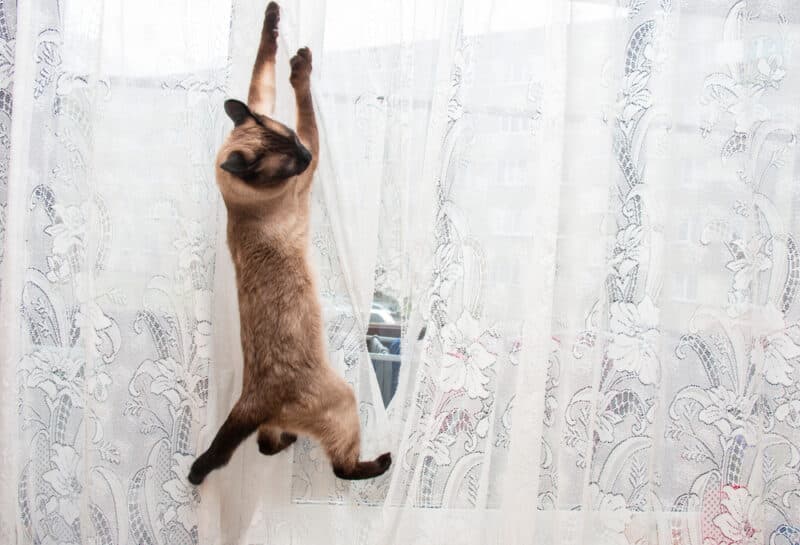
RIP Your Furniture? Not With This Guide to Cat Scratch Damage Control


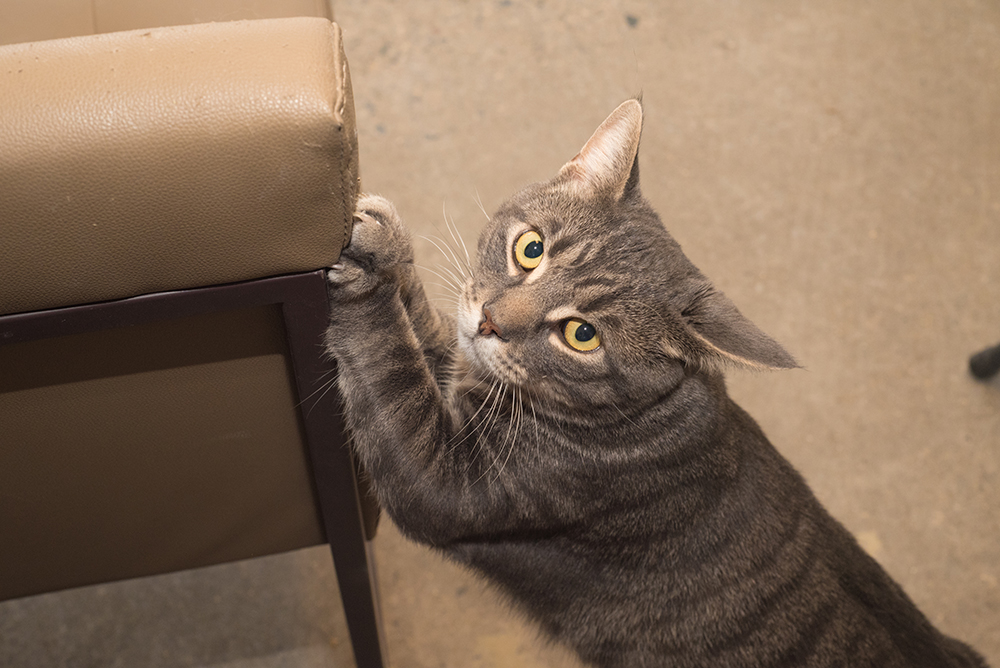
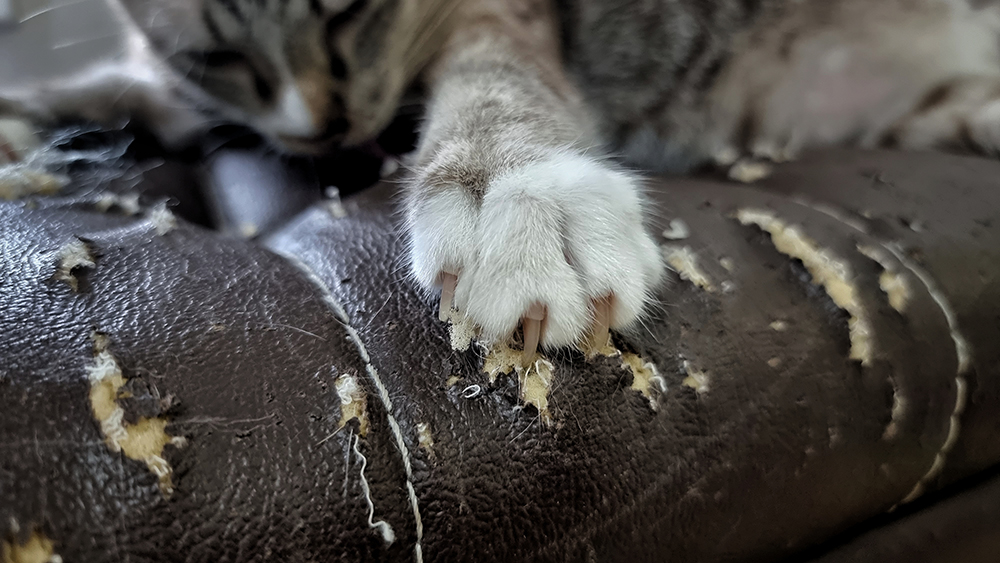
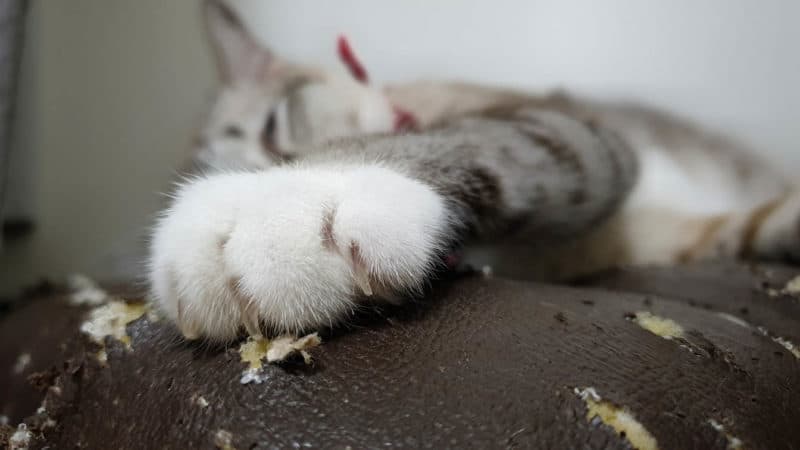
Your couch looks like it survived a minor apocalypse. The curtains have mysterious vertical shreds. That new rug you splurged on is already showing signs of feline vandalism. Yelling hasn't worked. Scolding just makes your cat avoid you. And you're running out of ideas that don't involve admitting defeat and buying all-brown furniture that hides the damage.
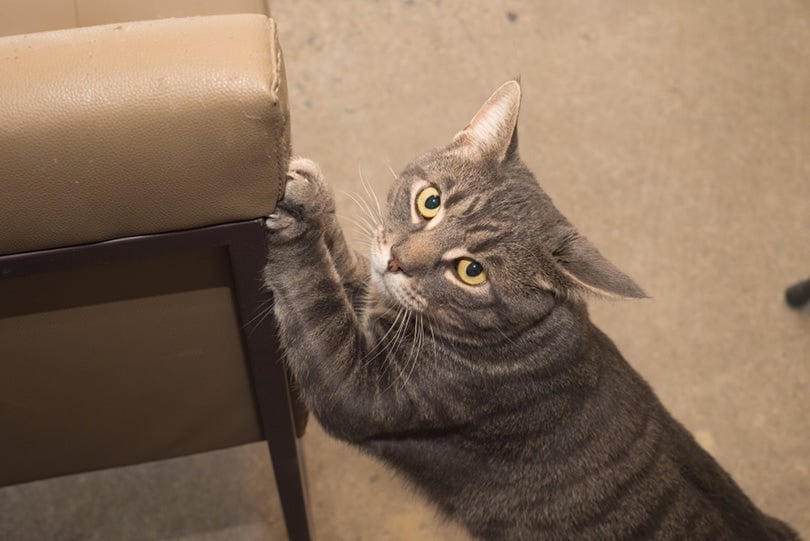
Scratching is completely natural for cats. It's how they stretch, exercise, sharpen their claws, and mark their territory with scent glands in their paws. The problem isn't that your cat scratches; it's where they're doing it. The good news? There are plenty of ways to redirect this behavior without punishment or harsh methods.
Here are 10 natural remedies that actually work.

1. Trim Those Claws
Start here. Trimmed nails do less damage, and shorter claws may reduce your cat's urge to file them down on your belongings. Cat nail clippers are inexpensive and easy to use once you know what you're doing.
The catch: there are blood vessels in cat nails. Cut too short, and you'll cause pain and bleeding. If you've never done this before, watch YouTube tutorials or ask a groomer to show you the first time. Once you know where to cut, it takes maybe five minutes every few weeks.

2. Invest in Scratching Posts
This is the foundation of any anti-scratching strategy. Give your cat an acceptable outlet, and most will eventually use it. The key word is "eventually." Cats take time to warm up to new objects, so don't expect instant results.
Match the scratcher to your cat's preferences. If they scratch furniture and curtains, get a tall vertical post. If they go after carpets, you need a flat horizontal scratcher. Posts come in different materials (sisal, cardboard, carpet, wood), so experiment if your cat ignores the first one.
Place scratchers near the spots they already target. If your cat loves clawing the corner of the couch, put a post right there. Reward them with treats the first time they use it instead of the furniture. Offer random praise when you catch them scratching appropriately. Never reward them if they scratch the furniture first and then move to the post, or they'll think the whole sequence earns treats.
More scratchers are better. Spread them around the house wherever scratching tends to happen.
3. Double-Sided Sticky Tape
Cats hate sticky paws. Apply double-sided tape to furniture arms, carpet edges, or anywhere else your cat targets. Once they encounter it a few times, they'll avoid the area entirely.
The downside: you'll also stick to it. This method works best on furniture you don't use much or in hidden areas. It can look ugly on visible surfaces like curtains.
4. Water Spray
Fill a spray bottle with clean water. When you catch your cat scratching something off-limits, give them a quick spritz. Most cats hate water and will bolt.
The problem: your cat may start associating you with unpleasant surprises, which can damage your relationship. They might also just wait until you're gone to continue their destruction.

5. Apple Cider Vinegar Spray
Mix equal parts water and apple cider vinegar in a spray bottle. Unlike the water spray, you apply this to surfaces you want protected, not directly at the cat. Cats dislike the smell and will avoid treated areas.
Reapply every few days or after cleaning to maintain effectiveness.
6. Citrus Spray
Simmer lemon or orange peels in water for 30 minutes. Let it cool, strain out solids, and pour the liquid into a spray bottle. Apply to furniture and carpets like the vinegar solution.
Cats hate the citrus smell even more than vinegar, so this can be extremely effective. Warning: Do not use citrus essential oils! These are toxic to cats. Also, citrus is a strong natural cleaner and may discolor some fabrics or finishes. Test a hidden spot first.
Avoid other essential oils like lemongrass or eucalyptus. They can be toxic to cats even though they smell similar.
7. Cover With Aluminum Foil
If deterrent sprays aren't working, try physical barriers. Cover targeted furniture or carpet sections with aluminum foil. Cats dislike the texture and sound, so they'll typically avoid it.
This works but looks terrible, so it's better as a temporary training tool than a permanent solution.

8. Use Plastic Covers
Plastic furniture covers work the same way as foil, but stay in place better and cover larger areas. You can find fitted covers for couches and chairs that protect the whole piece.
Again, not exactly stylish, but effective while you're training your cat to use scratchers.
9. Limit Access
When all else fails, close the door. If your cat destroys one specific room and ignores their scratching posts, block access to that room until they're better trained.
You can also use baby gates or strategically placed boxes to make certain areas harder to reach.
10. Gentle Verbal Correction
Say "NO" sharply or make a hissing sound (like the noise cats make) when you catch your cat in the act. Timing is critical. This only works if you catch them right before or during scratching. Scolding them five minutes later accomplishes nothing because they won't connect your reaction to their behavior.
This method requires you to be home when scratching happens. If you're gone all day, try something else.
Still Not Working? Try These Commercial Options
Ultrasonic devices: These emit high-pitched sounds humans can't hear but cats can. Motion-activated models go off when your cat approaches furniture. They work for some cats but can also cause fear or stress if too loud. Use cautiously.
Pheromone diffusers: Synthetic versions of calming cat pheromones can reduce scratching driven by stress or territorial marking. They plug into the wall like air fresheners. Not all cats respond to them, and results vary widely.
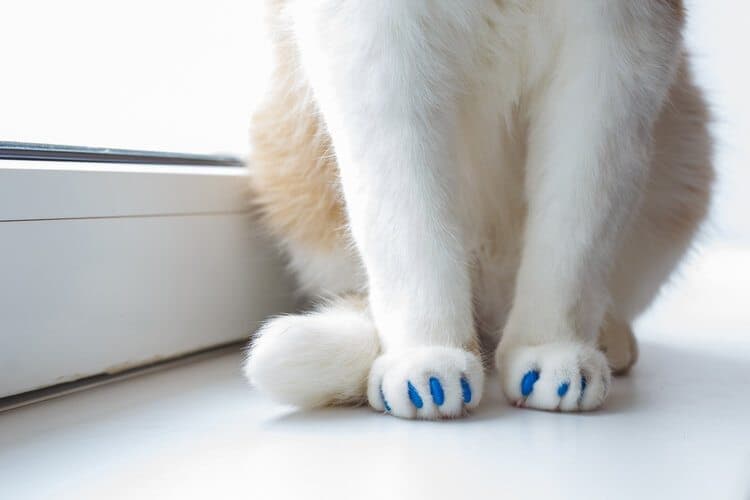
Soft Paws: These are essentially acrylic nail caps that glue over your cat's claws. They're non-toxic and fall off naturally after a few weeks. The challenge is keeping your cat still long enough to apply them, especially after the first time, when they know what's coming.
Declawing: This was common years ago, but is now widely opposed by veterinarians and animal welfare experts. Declawing isn't just removing nails; it's amputating part of the toe bone. It causes long-term pain, increases arthritis risk, and removes your cat's natural defenses. It's illegal in many areas now. Exhaust every other option before even considering this.
Final Thoughts
The most effective long-term solution combines multiple approaches. Trim nails regularly. Provide plenty of scratching posts in the right locations. Use deterrent sprays or barriers on off-limits furniture. Reward good behavior with treats and praise.
Place new scratchers directly where your cat already scratches. Make the approved option more appealing than the furniture. Be patient because behavior change takes time. Most cats eventually transfer their scratching to appropriate surfaces when given enough options and positive reinforcement.
Consistency matters more than any single method. If you only correct them sometimes or forget to refresh deterrent sprays, progress will stall. Stick with it, and your furniture will survive.
Feature Image Credit: Melissa Sue, Shutterstock
Did You Know?
- Our brand-new posts are rounded up and included in our weekly emails. Don't miss out on the latest - sign up for our newsletter below!

Expert cat care, straight to your inbox
Vet-reviewed advice, behavior tips, and the best of Catster. Free, and you can unsubscribe anytime.
By signing up, you agree to our Terms & Conditions and Privacy & Cookies Policy.
Dan has been working in the pet world for over 4 years covering cats, dogs, and all other pets in between. He loves helping pet parents keep their companions happy, healthy, and of course, totally spoiled! Originally from London, Dan now travels and works remotely, which unfortunately means no pets at home, but it gives him plenty of opportunities to fuss over other people's furry friends.
Join the conversation
Ask a question, share your story, or send private feedback.