10 Behavior Problems in Cats: Vet-Verified Prevention & Solutions


In this article
Cats are quirky, funny, loving, and adorable animals that we love sharing our lives with, but at times, mischief is afoot! Sometimes, though, that mischief borders on behavioral problems. Keep in mind that some cat behaviors might be perceived as problematic for us but they are, in reality, part of their normal repertoire of feline behaviors.
Here, we cover the most common behavioral problems that cats can display and a few solutions for you to try. This should help your relationship with your cat, so you can determine if it’s a simple problem or one that will need professional help.

The 10 Behavior Problems in Cats
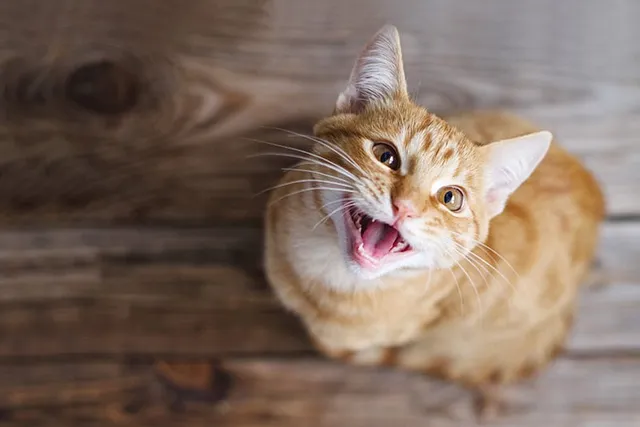
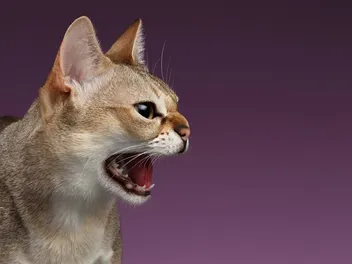
1. Excessive Meowing
There are several reasons for a cat to be vocal. Cats use meowing to communicate and express their internal states.
Cats might be more vocal at night—particularly when you’re trying to sleep—and it can be normal or an indication that something might be wrong.

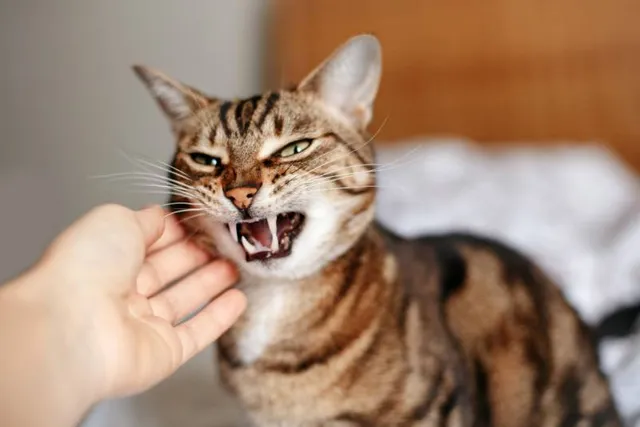
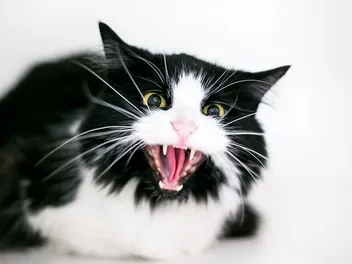
2. Aggression
Like meowing, aggression can come in many forms and for various reasons. It can be directed at you and other family members or toward other pets.
Aggression tends to occur because of anxiety and stress, hormonal changes, or pain from a health or medical issue.
3. Scratching
This is a common and normal cat behavior that bothers cat parents. Scratching is necessary for cats because it works as a means of communication and to keep their claws in good shape. Ensure your cat has a scratcher they can use to display this instinctual behavior. There are methods that you can use to redirect this behavior from unwanted locations, though.
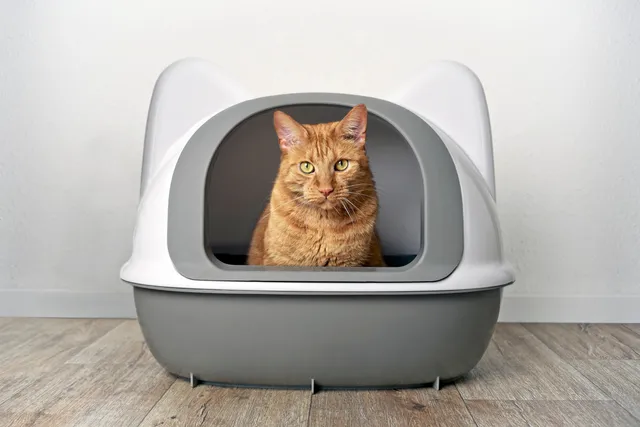
4. Urinary Issues
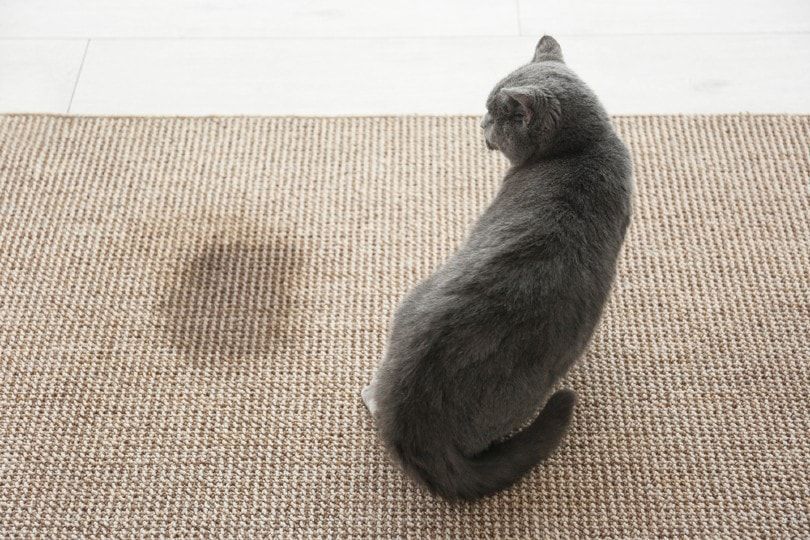
Several health issues can affect how a cat uses the litter box, including cystitis, bacterial infection, or bladder stones. Cats that don’t accept litter box changes and those suffering from stress can also start eliminating outside of the litter box.
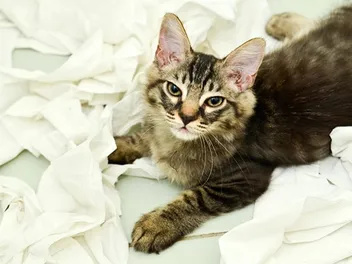
5. Eating Foreign Objects
Cats may end up chewing on or eating foreign objects or materials for different reasons, which can lead to severe health problems, such as a digestive blockage or choking. Different cats might show a preference for a specific texture. They might chew things because they like the taste or feel of the material, curiosity, boredom, or if they suffer from pica.
6. Obsessive Grooming
Cats spend a great deal of their time licking and grooming themselves, typically up to 50% every day, but some cats start to over-groom, which can be caused by pain, skin issues, or anxiety. These cats will lick themselves raw and hairless on certain parts of their body.

7. Urine Marking or Spraying
This is different from a cat that doesn’t use the litter box. Cats will use their urine to mark their territory, which they will be more inclined to do if there’s conflict in the home, particularly if there are other cats or changes to their routine.
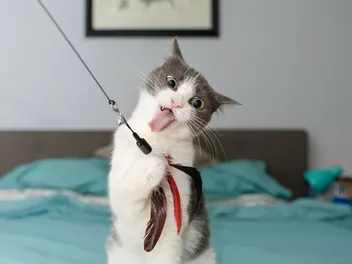
8. Rough Play
Some cats just don’t know how to play gently and might bite and scratch too hard. There are a few methods that you can use to redirect the rough play away from yourself, but it’s best to start when they are kittens.
9. Compulsive Behavior
This can include overgrooming, but it typically consists of tail-chasing, pacing, chewing, and sucking on certain materials, such as wool (known as wool sucking), plastic, rubber, etc.
10. Separation Anxiety
Some cats show abnormal behavior when their favorite person is not present. This can turn into vocalizing, inappropriate toileting, and destructive behavior.


Top 9 Tips for Dealing With Your Cat’s Behavioral Problems
If any of these behavioral issues suddenly start, the first thing that you should do is take your cat to your veterinarian to ensure that there isn’t a medical problem.
Your vet can gather all the information necessary, diagnose the problem, and create a treatment plan that may include medications, supplements, and environmental changes. That said, there are a few steps that you can take yourself at home.
1. Excessive Meowing at Night
Once you’ve ruled out a medical problem behind this behavior, you can try extra playtime before bed to wear them out. Also, consider investing in a feeder that works with a timer. This way, if your cat wakes you up early every morning because they are hungry, they’ll be less likely to do so.
What you shouldn’t do is respond to or give your cat attention while they are yowling. Try to avoid giving them any attention, and don’t feed them while they are asking for it. Only feed them when they are quiet.
2. Aggression
Depending on how severe the aggression is, you might need to speak to a vet. If your cat has attacked you or someone in your family, isolate them to make sure you protect all members of the family.
Try not to react when it happens; running away or doing something similar will just get them more excited. If you can, direct your cat’s attention to something else, like a toy, and speak to a vet. They will investigate the root of the problem and create a treatment plan tailored to your cat’s needs.
3. Scratching
Invest in good, sturdy cat trees and scratching posts. Some cats prefer to scratch horizontally, while others prefer a vertical scratching post.
You can try out multiple posts in different positions and with different materials. Put them in various places around your home, and if necessary, rub catnip over them to make them more enticing.
One of our preferred scratchers, the Hepper Hi-Lo Modern Cat Scratcher, is a surefire way to keep your kitty out of trouble (or at least away from scratching the things they should not!). It's not only stylish, but it's functional as well. It's made of sturdy cardboard with a durable plywood and metal frame and can be set up in three different ways – high, low, or lower. The different positions encourage maximum engagement, exercise and stretching, and of course, intense scratching (they can throw their whole body into it).
With the Hepper Hi-Lo, your cat gets to have a blast scratching like a maniac, and you don't have to worry about them causing so much chaos or scratching your stuff. There are even replacement cardboard pieces available, so you really can let your cat go to town on this, and know that it will be long lasting. Click here to learn more about this awesome scratcher.
At Catster, we’ve admired Hepper for many years, and decided to take a controlling ownership interest, so that we could benefit from the outstanding designs of this cool cat company!
4. Inappropriate Urination and Marking
There are many different reasons that a cat might spray and eliminate outside the litter box. Once you rule out any medical problems, you should check the litter that you’re using and where the box is located. Be sure the litter box is large enough for your cat to walk in and turn around. If it’s located in a high-traffic area or where there’s a great deal of noise, you’ll need to relocate it to a quieter and more private space. If the litter is scented, go with unscented and try a different texture. Cats tend to prefer a sandy texture. Also, be sure to scoop the litter daily. If you have multiple cats, the rule of thumb is to have one box per cat plus one extra.
If your cat is spraying, having them spayed or neutered should eliminate the marking behavior to a large extent, but if not, see your vet. You might need to use calming treats or Feliway diffusers.
Finally, when your cat eliminates outside of the box, use an enzymatic cleaner to clean up the mess. This way, your cat won’t keep going to the same spot to do their business.
Overall, if your cat is not acting like their usual self or seems to be straining to urinate or defecate, see a vet immediately. It could be a health condition that needs urgent attention and not a behavioral problem.
Our Favorite Enzyme Cleaner
The Hepper Advanced Bio-Enzyme Pet Stain & Odor Eliminator Spray is our favorite enzyme cleaner out there. It permanently removes even the very worst kitty stains and smells, leaving your home fresh and clean! Click here to learn more about this amazing product and get yourself a bottle.

- ADVANCED ENZYMATIC CLEANER - Penetrates the most stubborn smells and stains at the deepest molecular levels to dissolve any pet mess you encounter and lift it away at the source.
- FOR ANY MESS, ON ANY SURFACE - This pet odor eliminator cleans your carpets, floors, furniture, fabrics, and more. Whether it's urine, feces, vomit, or drool, you can erase all foul spots and smells!
- FRESH, NATURAL ODOR - Our unique formulation doesn't rely on dangerous or unpleasant chemical fragrances to get the job done. We eradicate smells and stains, not just cover them up.
At Catster, we’ve admired Hepper for many years, and decided to take a controlling ownership interest so that we could benefit from the outstanding products of this cool cat company!
5. Foreign Body Ingestion
Check with a vet first to ensure that there aren’t any dental issues or conditions that cause polyphagia (increased appetite). If nothing is wrong with your cat’s teeth and general health, this might be another case for calming treats and diffusers. It might also be a problem with pent-up aggression, so a vet might be able to help, whether it’s a medical or behavioral problem.
For a bored cat, ensure that they have cat-appropriate toys to chew on, and you might need to consider a bitter spray deterrent for any items that they shouldn’t chew. If they go after electrical cords, invest in cord covers.

6. Obsessive Grooming
This is a problem for a vet to help you with. At home, try calming chews, pheromone sprays, or diffusers to help keep your cat calm. Rule out skin issues and ensure that their environment is as stress free as possible. Get them tall cat trees and cat shelves that give them the security of escaping to high-up spaces.
7. Rough Play
Ensure that your cat has enough toys to play with so they don’t always go after you. If your cat starts playing roughly with you, redirect them to one of their toys.
If you have a kitten, don’t use your hands or feet to play with them, as this will only encourage them to believe that your body parts are toys.
Our Favorite Catnip Toy
Great cat toys are crucial to keeping your cat happy and healthy. We love Hepper's Catnip Stick Toy because it's handmade in the USA, available in a cool range of colors, and sturdy enough to withstand your cat's sharp claws. Best of all, you won't find any filler here – just 100% organic catnip!

- No Filler - Like all the best cat toys our is stuffed with 100% organic catnip. Cheap cat toys with filler leave your cat bored and disinterested. Our pets deserve to be excited and engaged.
- Flexible Play - Simple plush shape is great for biting, scratching and pawing. It can start life as a teething toys for kittens then soon your furry friend will be using it as a cat kick stick. Play for any mood
- Durably Designed - Our cat safe toys are hand-stitched with a double-lined exterior construction for hours of playtime, perfect cat kicker toys for cats indoors and even outdoors. Your cat will tire out before the toy does!
At Catster, we’ve admired Hepper for many years and decided to take a controlling ownership interest so that we could benefit from the outstanding designs of this cool cat company!
8. Compulsive Behavior
Compulsive behaviors are stress-related, so you should look at calming treats/diffusers/sprays. Keep your home as stress-free as you can manage. Ensure that your cat has enough toys and climbing spaces.
Speak to a vet, as they can help you with a behavior modification program and/or medication to manage this behavioral issue.
9. Separation Anxiety
You should speak to your vet or cat behaviorist if your cat suffers from separation anxiety. In the meantime, you can start by changing your routine before you leave and greet your cat lightly when you’re back home. Leave out a few of their favorite toys for when you’re gone, and put them away once you return.
When you are home, play with them and spend quality time petting them. It can also help to wear them out by playing before you leave (if you have time) so they will sleep while you’re gone.

Conclusion
So many things go into behavioral issues in cats. It often starts when they’re kittens, or it might be a temporary problem due to a health condition. If your cat seems to suddenly act differently, speak to your vet immediately—it’s always better to be safe than sorry.
There are many ways to help your cat, with one of the most common solutions being a stress-free environment. Experts, like animal behaviorists, might also be able to give you a hand.
See also:
How to Get Your Cat to Drink More Water – Effective Tips Approved By Our Vet!
Can I Get Worms from My Cat Sleeping with Me? Vet-Reviewed Facts & FAQ
Featured Image Credit: New Africa, Shutterstock
Expert cat care, straight to your inbox
News, insights, and useful advice, delivered to you.

No spam — unsubscribe anytime.
By signing up, you agree to our Terms & Conditions and Privacy & Cookies Policy.
How useful was this post?
Click a star to rate. You can leave written feedback afterwards. (We read all feedback.)
Kathryn was a librarian in a previous lifetime and is currently a pet writer. When she was a child, she hoped to work in ZOOs or with wildlife in some way, thanks to her all-consuming love for animals. Sadly, she's not strong in the sciences, so she fills her days with researching and writing about all kinds of animals and spends time playing with her adorable but very naughty tabby cat, Bella. Kathryn is hoping to add to her family in the near future – maybe another cat and a dog.