Get

In Your Inbox

Catster is reader-supported. When you buy via links on our site, we may earn an affiliate commission at no cost to you. Learn more.

There’s a Sudden Behavior Change in My Cat, Is It a Medical Issue? Signs to Watch For

Share

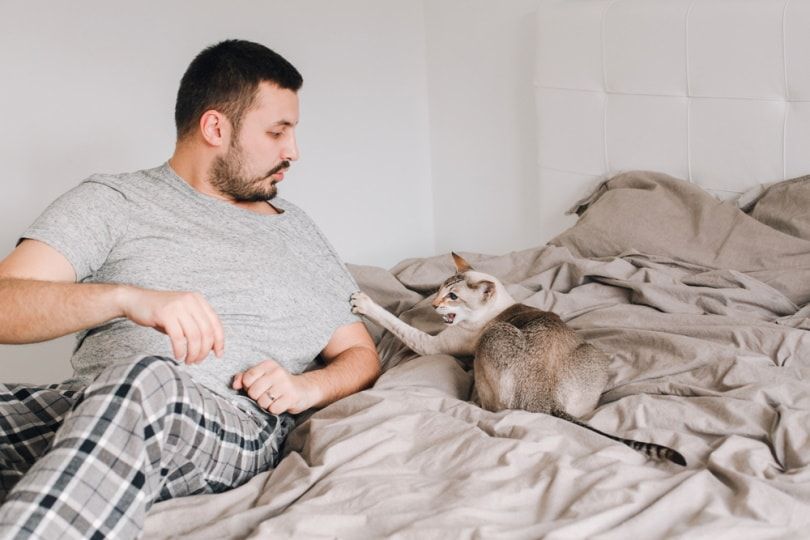
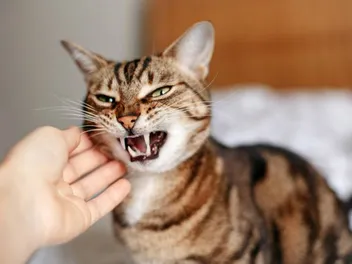
cat scratching owner

Cats are fairly consistent animals and creatures of habit. While their personalities may change when they age from kittenhood to adulthood, most cats will sustain the same personality all throughout their lives. So, sudden behavioral changes don’t usually happen without reason. Various factors, including underlying medical issues, can affect a cat’s behavior. Here’s what to do if you notice a sudden change in how your cat behaves.

divider 2 cats

Behavior Changes and Medical Issues

Just like how we can act differently when we’re feeling uncomfortable, sick, or in pain, cats often change their behavior when they’re feeling unwell. Some cats will be very subtle, while others will make it more obvious. It really depends on how expressive your cat is naturally.

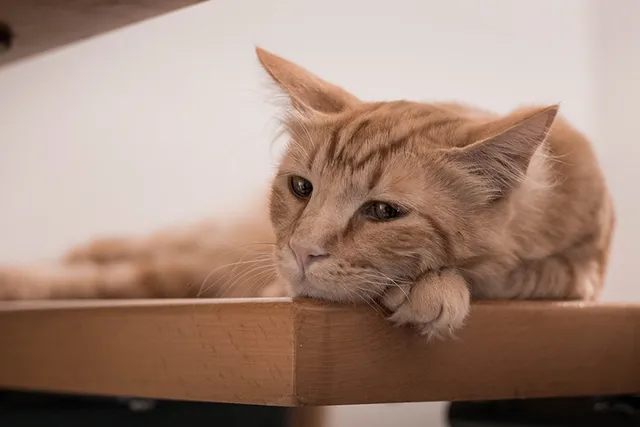
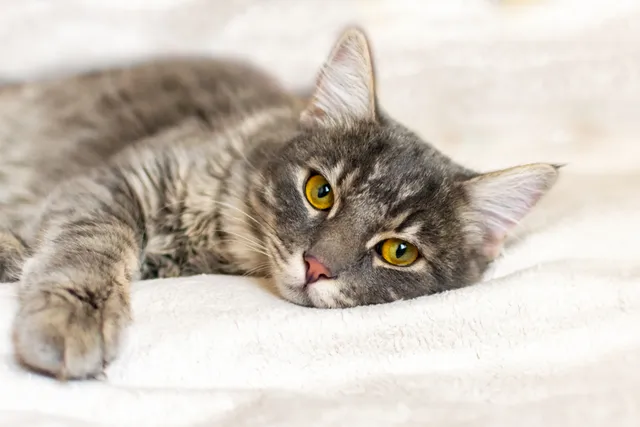
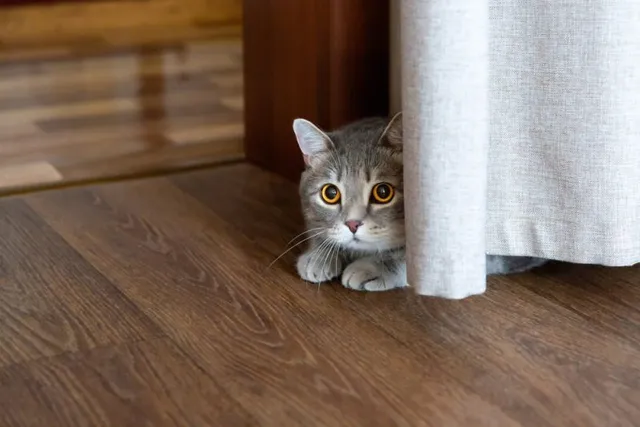
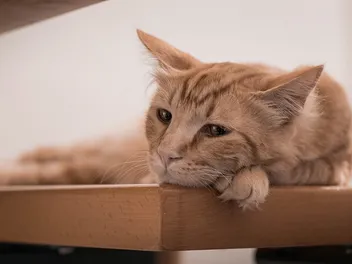
Cats can show a variety of behavioral changes when they’re sick. Some may become more lethargic or disinterested in playing. They might act more withdrawn and choose to hide more often than usual. They may hunch up or curl up and sleep more often. Cats can also show changes in appetite and either have increased or decreased hunger and thirst, depending on the medical condition.

While we may think that cats will slow down when they’re feeling sick, some medical conditions may cause them to appear more active. For example, hyperthyroidism may trigger hyperactivity in some cats. So, it’s important also to become curious and observant if your cat suddenly becomes active.

cat owner talking to his pet
Image Credit: Aziz Acharki, Unsplash

Other Signs That Your Cat Is Feeling Sick

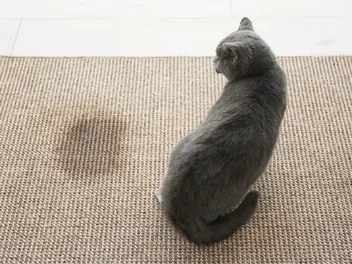
Your cat will also give other cues that indicate that they’re feeling unwell. While it sounds unpleasant, make sure to check their litter box, as it can provide plenty of clues regarding your cat’s health. Discolored urine, diarrhea, and bloody stool all indicate health issues that require medical attention. More frequent litter box use, and painful urination or defecation are also signs of urinary tract infections or gastrointestinal issues.

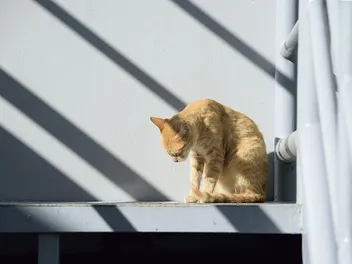
Another way to detect health issues is to scan your cat’s physical appearance. Check for weight gain and weight loss and any changes in eating habits. Examine your cat’s coat. It should be smooth and well-kept. Cats that stop engaging in self-grooming habits or over-groom may be affected by a medical condition. If you notice any sudden behavioral changes in your cart, it’s best to take them to a veterinarian to get them checked out and make sure nothing is going on with their health.

divider 3 paws

Other Possible Reasons for Behavioral Changes

It’s recommended to schedule a visit with a veterinarian to determine if a medical issue is causing a behavioral change in your cat. If a veterinarian rules out any health issues, it’s important to figure out what else could be causing the behavioral change.

Your cat can start to act differently for a variety of reasons. Common reasons for shifts in behavior include moving to a new home, changing up their daily routine, or introducing a new cat to the home. Switching to new food or introducing your cat to new treats may also cause behavioral changes. It’s worth noting that cats that are bored and require more exercise and mental stimulation often begin to exhibit behavioral issues.

Usually, sudden lifestyle changes trigger sudden behavioral changes in cats. So, try to see if there’s anything new that may be causing your cat to act differently. If you’re having any trouble identifying triggers, don’t hesitate to work with a cat behaviorist to see how you can help your cat.

divider 2 cats

Conclusion

Sudden behavior changes in cats can be caused by a medical issue. However, changes to their environment or daily routine can also make cats act differently. As a general rule of thumb, take your cat to your veterinarian first to check for any health issues that may contribute to behavioral changes. If your cat’s physical condition gets the all clear, look around the house for any potential triggers that cause your cat to act differently.

Behavioral changes rarely happen without reason. Finding what’s causing these behavioral changes can help you create a safe living environment and satisfying daily routine that will lead to your cat feeling healthy and happy again.

See Also: 


Featured Image Credit: Anna-Kraynova, Shutterstock

Want content like this delivered to you?

Sign Up For Our Newsletter

News, insights, expert advice, and everything cat

* By submitting, you agree to our Terms & Conditions and Privacy & Cookies Policy.


How useful was this post?

Click on a star to rate (you can leave written feedback after clicking submit)

Help us improve Catster for pet parents!

Your feedback really matters.

What did you like about this post? Also how can we improve it?

Join the conversation

One Response

  1. p'ease tell me a cat that has lived me since 2030 with her mom outside who never gives up for a chance to get her dinner, i have not seen her since friday night and i have never seen her not come eat. now it is sunday and no9 kitty. her mom comes but scatts as soon as she eats. that is not what she does.. i am so upset and i don"t know how to cope. please help me.

Leave a Reply

You’re very welcome to leave a comment or question. Please know that all comments must meet our community guidelines, and your email address will NOT be published. Let’s have a positive and constructive conversation.


Catster's Digital Magazine is Back!

Vet-approved health & behavior advice

Real cat stories & community features

Weird Cat Behaviors That Actually Make Perfect Sense

We have been sharing our lives with cats for thousands of years, yet we still find ourselves genuinely stumped by what they get...

The Dream of Talking to Cats Just Got Closer to Becoming a Reality

If you’ve ever wished your cat could simply tell you what they wanted, you’re not alone. From the meow that wakes you before...

Kizzy: The Feline Princess With a Purpose

We were first introduced to Miss Kizzy after she won a licky-treat challenge hosted by Professor Fluffovich, our resident feline research specialist. While...

Chatting With Sally About Mission Meow & Helping Cat Rescue Organizations Collaborate | Chatty Cattys, Episode 24

In this episode of Catster’s podcast, Chatty Cattys, Nicole and Dr. Karyn sit down with Sally Williams, the founder of Mission Meow, for...

More related

Why Does My Cat Keep Going to Their Litterbox (But Nothing Happens)? Vet Approved Advice

Over 37% of households in the United States have invited a cat into their homes; that is over 45 million households! About 63%...

Owning a Cat: 11 Pros & Cons

Owning a cat can be incredibly fun and is a great experience for children and adults. However, there are many pros and cons...

Pixie-Bob Cat Breed: Info, Pictures, Temperament & Traits

You may think that the Pixie-Bob cat came right out of the wild. Everything from their coloration to their pattern and little bobtail...

How Long Can a Cat Be in Labor? Vet-Approved Feline Birth Facts

Most veterinary professionals recommend getting your cat spayed or neutered to help control the feral cat population, reduce disease transmission between cats, and...

Keep reading

Can Cats Get Kidney Transplants? Our Vet Discusses Facts & Considerations

Kidney disease is one of the most common causes of illness and death in cats, with almost 80% of cats over 15 years experiencing some form of renal insufficiency. Although it is usually associated with older felines, younger cats—through congenital...

two different cats standing side by side outdoors in the garden

How Do Cats Feel Pain? Vet-Approved Facts & Signs

Cats have a similar nervous system as humans and other mammals.1 They can feel pain whether due to injuries, illnesses, or any other internal ailment. However, cats often try to not show signs of their pain. Instead, they tend to...

cat lying on bed

Can a Bobcat Breed With a Domesticated Cat? Vet-Verified Facts

While they may be hard to catch a glimpse of in the wild thanks to their elusive nature, Bobcats can be found all over the country. With the growing number of wild and domesticated cat hybrids coming into the pet...

a bobcat in a forest

How to Become a Cat Breeder: Vet-Reviewed Ethics & Standards Explained

Catster advocates for adopting before shopping, though we fully understand there are many reasons for seeking a breeder. So, we encourage it to be done the right way. We have not personally visited or investigated all of the breeders below....

toyger kittens

How Long Do Ragdoll Cats Live? Vet-Verified Average Lifespan Data & Facts

Ragdoll cats get their name due to their unique behavior. They go limp when you pick one up, just like a ragdoll. They have been bred to be this laid back and are adorable. If you are considering adopting one...

Ragdoll Cat standing on the outside

Can Cats Eat Deli Meat (Lunch Meat)? Vet-Verified Facts & FAQ

If you’ve ever looked up from a leisurely lunch to find your cat eyeballing your meal, you know our feline friends can give dogs a run for their money when it comes to begging. Before you give in and share...

Can Cats Eat Deli Meat (Lunch Meat)

13 Vet-Verified Signs You Need to Take Your Cat to the Vet Right Away

Cats are experts at hiding illnesses, a trait they’ve inherited from their wild ancestors because an unwell wild cat would often become a quick and easy target for predators. Your cat may not have to worry about predators picking them...

vet giving medicine to a cat

Why Is My Cat Not Losing Weight? Vet Approved Reasons & Advice

Weight control is critical for your cat—and you! If you’ve ever tried to shed a few pounds, you know how challenging it can be. Temptation is everywhere, and it’s not too different for your pet. However, the secret to losing...

veterinarian weighs an overweight pet on a scale

Love Cats? So Do We! Join the Catster Community

Stay informed with expert pet care insights delivered straight to your inbox! Discover professional guidance on animal behavior, feeding tips, trusted product picks, and much more.


Sign up for the Catster Email Newsletter

Stay informed with expert pet care insights delivered straight to your inbox! Discover professional guidance on animal behavior, feeding tips, trusted product picks, and much more.