Do Cats’ Personalities Change After They Are Neutered? (Vet Answer)

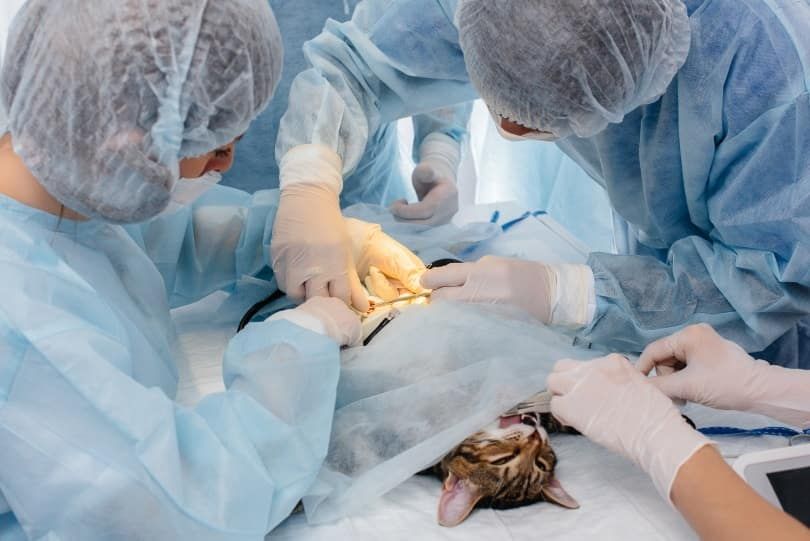
We all know that neutering is an important part of responsible cat ownership, but it’s understandable to wonder how it might affect the behavior and personalities of our feline companions.
In the vast majority of cases, our pet cats are neutered by the time they are around 6 months old before they reach sexual maturity, so it’s unlikely that neutering will have any significant impact on their behavior or personalities. But what about when cats are neutered later in life, after reproductive hormones have coursed through their veins and particularly after they have been breeding?
Although it is possible for neutering to change certain aspects of feline behavior, the extent to which their personalities may be affected depends on several factors. Read on to learn more.

Why Do We Neuter Cats?
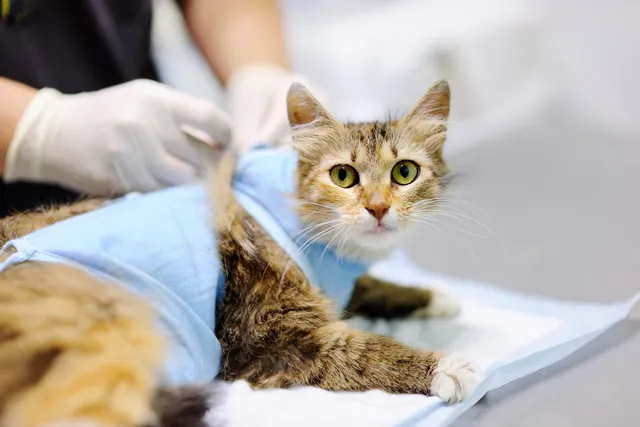
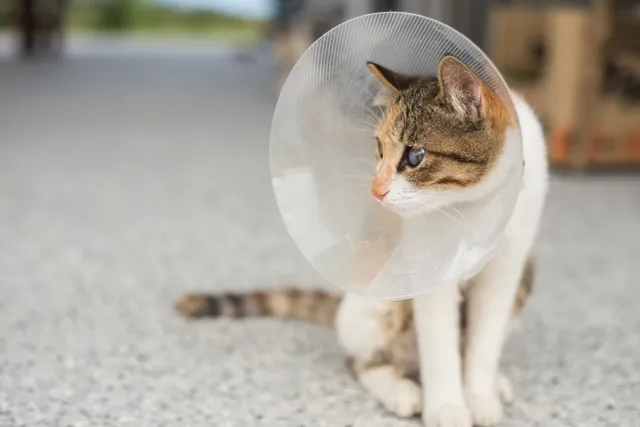
The term “neuter” is often used when referring to males only, but it actually applies to both castration (males) and spay (females) and involves the surgical removal of the reproductive organs. This procedure is used primarily to prevent uncontrolled breeding within the feline population, but it also has a wide range of additional benefits, including the prevention of certain types of cancers and infections, decreasing straying, fighting, and viral disease transmission, as well as a significant reduction of territorial behaviors, such as urine spraying.
Some people believe that we shouldn’t be surgically altering our cats and that procedures like neutering are unnatural, and to a certain extent, they have a point. We make permanent changes to the bodies of our pets to fit our preferences and priorities. However, the same could be said about keeping them as pets in the first place, let alone using selective breeding to create distinct and desirable breeds. Cats have been domesticated over thousands of years, and the principles of how we interact with wild animal species do not necessarily apply.
It is fair to say that, if we wish to responsibly share our lives with cats, part of that responsibility is doing everything we can to ensure that they lead happy, healthy, and enriched lives, and that includes neutering. There is no doubt that cats that are spayed and castrated live longer, are healthier, experience less conflict, and have lower risks of abandonment due to unsociable behaviors.
So, we know that neutering benefits the health and well-being of our cats, but does it change who they are?

How Much Does Neutering Affect a Cat’s Personality?
The difficulty in answering this question is that most of the information comes purely from a human perspective. We see things like reduced urine spraying or straying as positive behavioral changes, but that is only from our point of view. Is there a way for us to gauge how neutering impacts how cats feel?
The Significance of Cortisol
In the wild, predators like cats compete for the chance to eat and reproduce by establishing and defending a territory. Even stray cats employ similar methods, although population density often means that they must settle for sharing space and resources. Without neutering, even pet cats would feel the need to defend their territory, driven by the instinct to outcompete all others and pass their genes onto the next generation. This leads to a state of perpetual vigilance and stress, and this is something we can measure.
Cortisol is a hormone released by the body in response to stress, and studies have shown that neutered cats, both male and female, have much lower cortisol levels than their intact counterparts, which makes perfect sense. Without the drive to reproduce, the need to maintain strict territories relaxes, fighting becomes less necessary, energy expenditure comes down, and resource requirements diminish. The result: a much less stressed kitty, but oftentimes, an overweight one!

Male vs. Female
If you research feline personalities, you will come across different opinions and generalizations about the temperament of male vs. female cats, just as you will about the personalities of different breeds. Sometimes these observations are quite accurate, but other times, they completely miss the mark.
Male cats are often thought of as being outgoing and loving, and this is often still the case with intact male cats. Female cats are sometimes seen as being more timid or skittish, although when in season, an intact female can become the most affectionate creature in the world!
In terms of personality, the main difference between an intact and neutered female is that a spayed cat will not experience the monthly hormonal fluctuations that will impact the behavior of a reproductive female. The behavior of the intact male, or tomcat, is more dependent on their environment and whether there are any nearby cats they need to fight or mate with.
Based on the way hormones impact feline behavior, combined with what we know about cortisol, it would be fair to surmise that neutering generally reduces stress levels and eliminates hormonally driven behavioral traits. How much that changes an individual cat will depend on how much their personality was impacted by those factors in the first place.

Final Thoughts
The answer is, there is no one answer. For cats neutered before they reach sexual maturity, it is highly unlikely, and for cats that are neutered later in life, their personality may change, particularly if hormones, sexual activity, and reproductive stress played a significant role in their pre-neutering life.
There is no single feline behavior type, just as there is no male or female personality type, so we cannot categorically say that neutering will or won’t change the personality of an individual cat. What we can confidently say is that neutering provides numerous health and welfare benefits, including significant reductions in illness, injury, and stress.
So, if you are worried about what neutering might do to your feline’s unique character, the chances are that there will be no obvious change, or they may become calmer and more relaxed. There will always be instances where a more significant change occurs, but these are the vast minority of cases.
Featured Image Credit: Andrii Medvednikov, Shutterstock
Expert cat care, straight to your inbox
News, insights, and useful advice, delivered to you.

No spam — unsubscribe anytime.
By signing up, you agree to our Terms & Conditions and Privacy & Cookies Policy.
How useful was this post?
Click a star to rate. You can leave written feedback afterwards. (We read all feedback.)
Dr. Karyn Kanowski BVSc MRCVS (Veterinarian)
Dr. Karyn comes from Queensland, Australia, and has lived in the UK for the past 10 years. In 2010, she graduated from The University of Queensland School of Veterinary Science and also has a Bachelor’s degree in Zoology. She is passionate about using evidence, experience, and owner collaboration to provide the best solutions for pets, and believes in making reliable information about animal health accessible to all. Dr. Karyn shares her home with five cats, four dogs, and one husband. When she is not in the scrubs, she spends her time writing, gardening, and cleaning up pet hair!