Orange Scottish Fold Cat: Info, Pictures, Facts & History
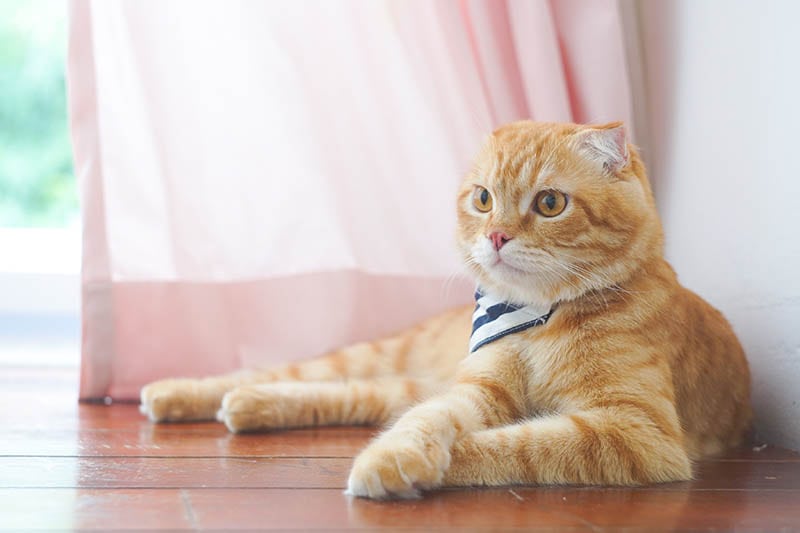
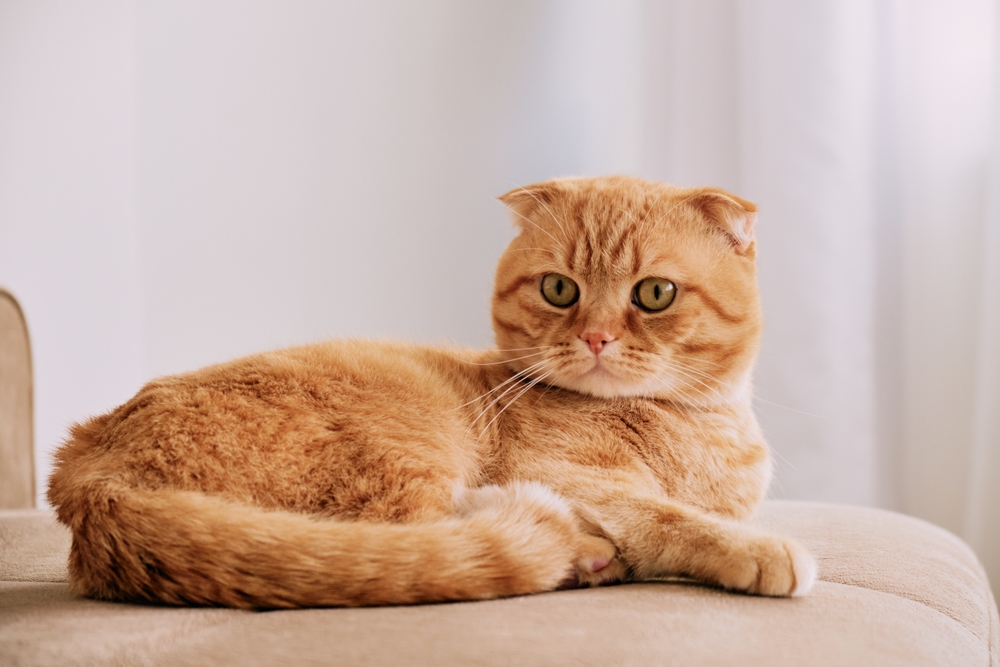
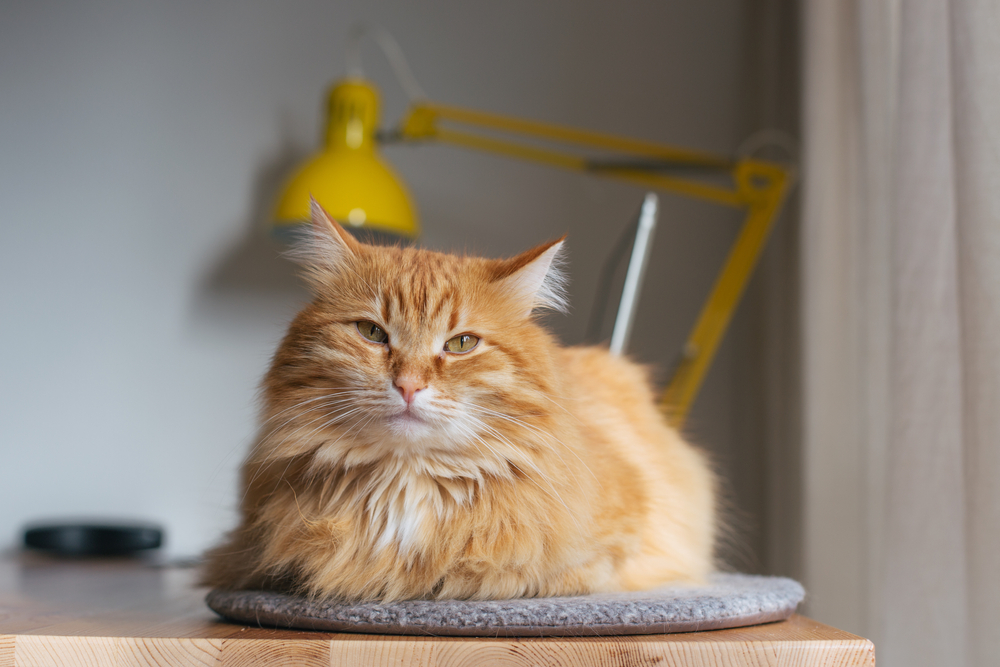
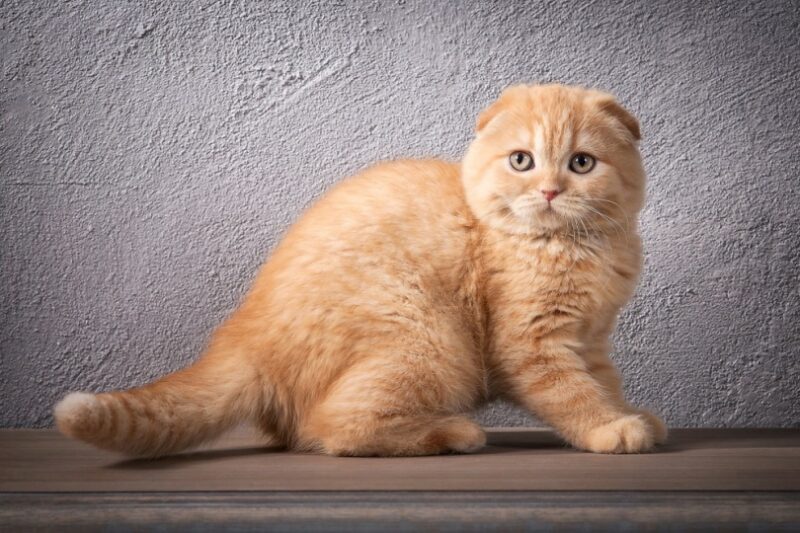
Orange Scottish Fold cats are sweet and charming, and they are one of the more unique breeds in terms of their facial shaping, eyes, and ears. They also have a connection to some of the first cats on the planet. According to many of their cat parents, Orange Scottish Folds are affectionate and easy to live with.
Giving them plenty of attention will help Scottish Folds thrive, but they aren't clingy cats. To learn more fascinating facts about the Orange Scottish Fold, read on. You'll find everything you need to know about the Orange Scottish Fold, including whether they make great pets. It’s essential reading for anyone considering adopting one of these remarkable cats!

The Earliest Records of Orange Scottish Folds in History
One of the earliest reports of a cat with drooping ears similar to the Orange Scottish Fold was in the United Kingdom in the late 1700s. It’s believed to have been in 1796 when an English sailor who had just traveled to China brought one back from the country.
The challenge, however, is tracing the breed’s history before then, as the records from China are either vague or nonexistent. Today, the cat we know and love as the Orange Scottish Fold was first seen in Scotland in 1961. That’s when a shepherd named William Ross found a lone kitten on his neighbor's farm.
The kitten, which Mr. Ross named Susie, had the distinctive folded ears that Orange Scottish Folds are known for today. What’s interesting is that Susie’s momma was a regular house cat. Unfortunately, her daddy was never seen, so there’s no record of his breed or whether he had folded ears.

How Orange Scottish Folds Gained Popularity
After William Ross found the original Scottish Fold in Scotland, he set out to register Susie with Scotland’s Governing Council of the Cat Fancy, which he accomplished in 1966. Mr. Ross then set out to breed Susie and, to do that, turned to Pat Turner, a geneticist.
Amazingly, in their first 3 years working together, Ross and Turner produced 42 Scottish Fold kittens with folded ears. Regrettably, only a few of these kittens were F1 (aka first generation), as Susie was killed by a car 3 months after giving birth to her only litter.
Interestingly, Orange Scottish Folds came to the US in 1970 when Pat Turner sent three descendants of Susie to the Carnivore Genetics Research Center in Massachusetts and a researcher working there named Dr. Neil Todd.
Turner believed that Susie was the result of spontaneous mutation, and, coincidentally, Dr. Todd was studying spontaneous mutations at the time. After that, the Scottish Fold started to gain real popularity in the States due to their unique look and appealing disposition.
Formal Recognition of the Orange Scottish Fold
After the first Scottish Fold was sent to the United States, the Cat Fancier’s Association (CFA) recognized the breed 3 years later. That was in 1973, and a mere 5 years later, in 1978, the Scottish Fold was also given championship status.
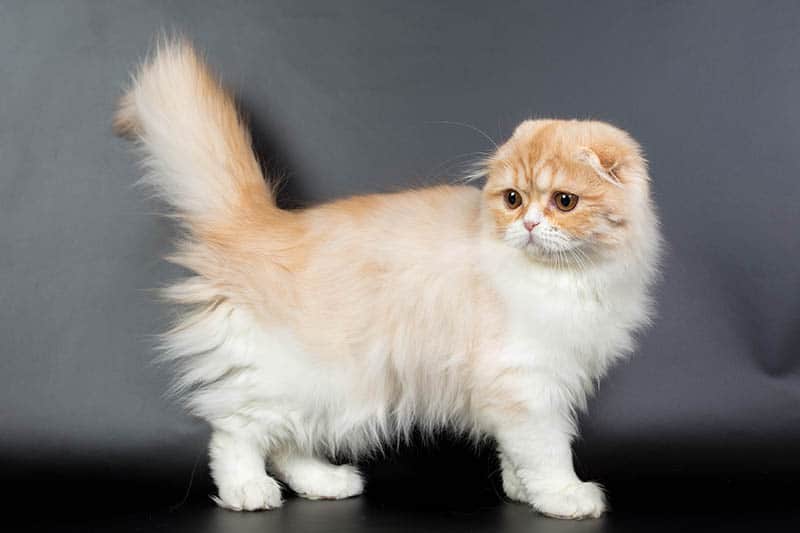
Although there were already long-haired versions of the Scottish Fold in the 1970s, it wasn’t until the mid-1980s that the CFA recognized the Scottish Longhair Fold. It's also worth noting that the American Cat Fanciers Association, the United Feline Organization, and the American Association of Cat Enthusiasts don't refer to the Scottish Fold as a Scottish Fold but instead call them the Highland Fold.
Lastly, the Cat Fanciers Federation refers to the Scottish Longhair Fold as simply the Longhair Fold, dropping "Scottish" from their name.

Top 14 Unique Facts About the Orange Scottish Fold
Below, we've gathered the top 14 unique facts about the Orange Scottish Fold for your enjoyment.
1. Orange Isn’t Their Only Color
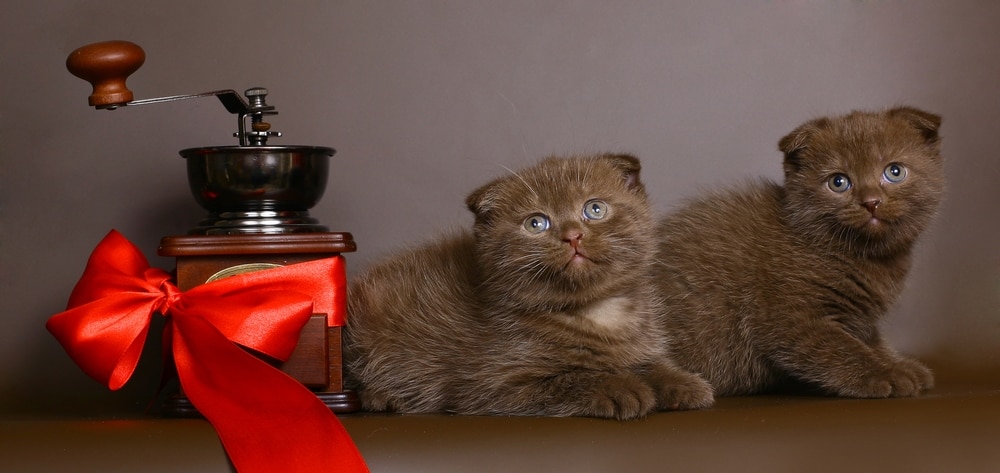
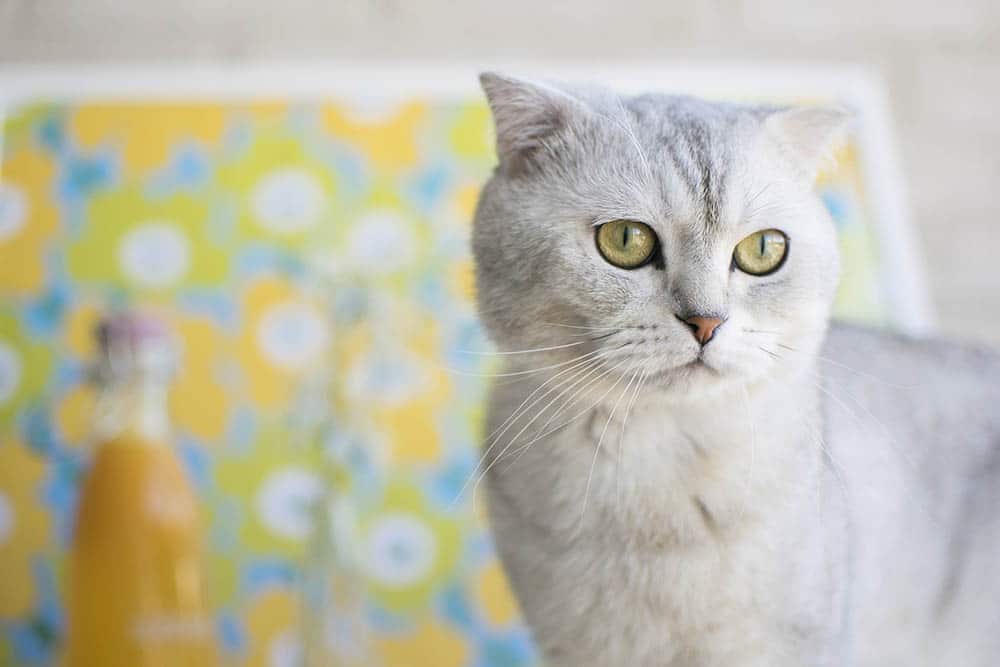
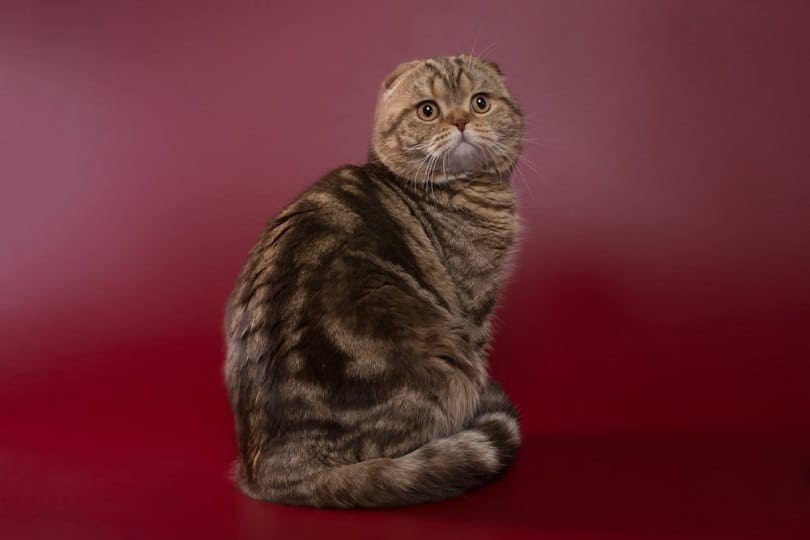
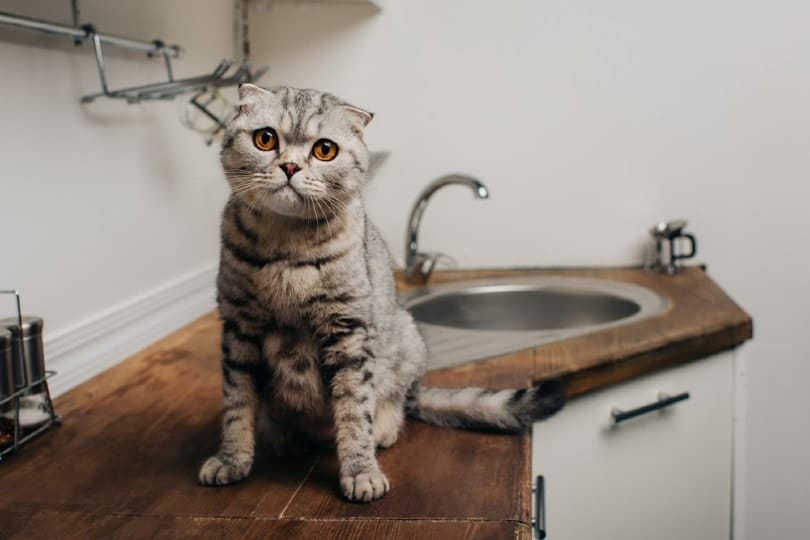
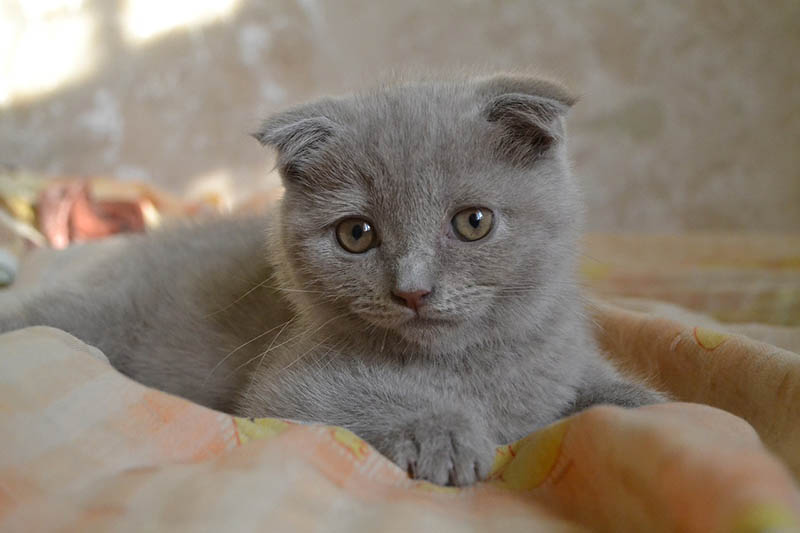
Orange is only one of the eight distinct colors of Scottish Fold cats, including red, gold, tortoiseshell, calico, white, gray, and tabby.

2. Their Ears Don’t Start Folded
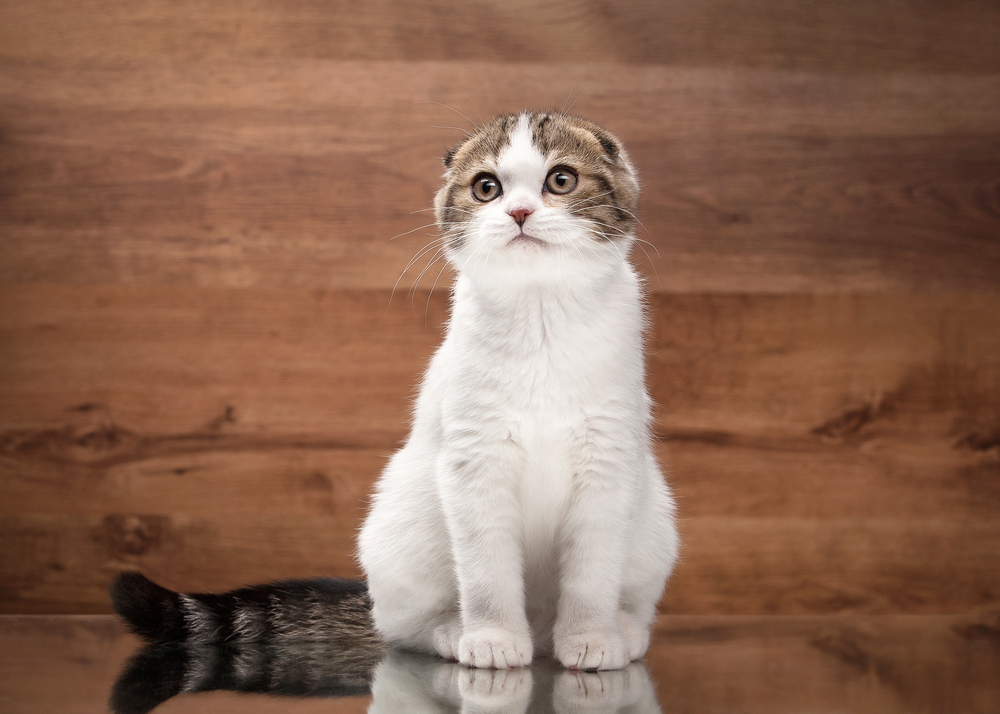
When born, Scottish Fold kittens don't have folded ears. The change to folded ears happens a few weeks after they're born and is caused by a unique genetic mutation that affects the cartilage in their ears.
3. They Can Have 3 Eye Colors
Scottish Folds can have gold, green, or blue eyes. The eye color and fur color typically coincide.
4. The Breed Is Incredibly Friendly
Very few breeds are as social and friendly as the Scottish Fold. Even when new people come around, they’re still sociable and like to play with children.

5. Their Tail Is Delicate and Prone to Arthritis
It's long been known that, as the pet parent of a Scottish Orange Fold, you need to take extra care when handling their tail. They're prone to arthritis, which can be an intense source of pain for an Orange Fold.
6. They Like to Stand Up on Their Hind Legs
Most healthy cats like to sit up on their hind legs, especially when getting ready to jump onto something. However, the Scottish Fold often stands on their hind legs with their front paws in the air like a meerkat looking around to scout the territory.
7. Scottish Folds Live for About 15 Years
One bit of excellent news if you’re preparing to adopt an Orange Scottish Fold is that they live long lives. Their average lifespan is about 15 years, which is relatively high for a cat.

8. Scottish Folds Aren’t Recognized as a Breed in Scotland
Ironically, the Scottish Fold isn't recognized by any cat organizations in Scotland. The reason is their folded ears, which are prone to ear infections and deafness. Also, because the problem is with the cartilage, some Scottish Folds have cartilage problems in other parts of their body. For those reasons, Scotland refuses to recognize Scottish Folds of any color to keep their breeding low.
9. Orange Scottish Folds Are Very Communicative
Cats are known for being vocal animals, but the Orange Scottish Fold goes far beyond the typical cat noises and sounds. They will tug at your pants, climb into your lap, sit at your feet, and meow softly and relentlessly to get your attention.
10. They Suffer From Degenerative Joint Disease
Scottish Fold cats have a genetic mutation that causes the cartilage in their ears to fold after they reach a few weeks of age. The mutation can also cause the cartilage in other parts of their body to break down, sometimes far earlier than usual. That's why, unfortunately, many Scottish Fold cats suffer from degenerative joint disease or DJD.

11. Scottish Folds Are Said to Be One of the Smartest Cat Breeds
Although cat intelligence is undoubtedly up for interpretation, it's long been believed that Scottish Folds are one of the most intelligent breeds.
12. Some Scottish Folds Don’t Have Folded Ears
Some kittens in a Scottish Fold's litter will not have folded ears since they may not receive the mutated gene. Not surprisingly, the Scottish Folds with straight ears are called “Straights.”
13. Orange Scottish Folds Are Hardy Cats
Although most Scottish Fold pet parents keep their cats indoors, they have no problem being outdoors. The first Scottish Fold kitten was found living in a barn in Scotland, which is not known for its balmy weather.

14. Their Folded Ears Are a Mark of Painful Joint Problems to Come
The reason that Scottish Folds have folded ears is due to a genetic defect that affects the cartilage of their bones. It’s called osteochondrodysplasia, and most Folds will suffer painful joint problems as they age.
Does an Orange Scottish Fold Make a Good Pet?
Cat experts and veterinarians agree that the Orange Scottish Fold makes a particularly wonderful pet for families, even those with smaller children. They're very calm, friendly, and outgoing. They aren't exactly playful, but they are one of the easiest breeds to train.
Scottish Folds are friendly with other pets, humans, and strangers. They’re tolerant of being picked up and don't have a big problem with a little rough play from younger kids (at least to a point). One drawback is that Scottish Fold cats don't like being left alone and can become destructive if they feel ignored or left out.
Lastly, Orange Scottish Folds are relatively easy cats to care for. They have short fur that sheds minimally and only needs to be brushed about once a week. Checking your Scottish Fold’s folded ears regularly is recommended because they can quickly become infected if they aren't cleaned regularly.

Final Thoughts
Now that you've learned all the fantastic facts about the Orange Scottish Fold cat, have you decided whether to adopt one? If you have, you should know they’re relatively expensive because they aren't bred very often.
However, as we've seen today, Scottish Folds are friendly, outgoing, and adorable cats that make excellent house pets. If you decide to adopt an Orange Scottish Fold or one of the other beautiful Scottish Fold colors, best of luck with your new feline friend!
Related Reads:
White Scottish Fold Cat: Facts, Origin & History (With Pictures!)
Black Scottish Fold Cat: Facts, Origin & History (With Pictures)
Sources
Featured Image Credit: Kajohnwat Srikulthanakij, Shutterstock

Expert cat care, straight to your inbox
Vet-reviewed advice, behavior tips, and the best of Catster. Free, and you can unsubscribe anytime.
By signing up, you agree to our Terms & Conditions and Privacy & Cookies Policy.

Gregory Iacono former chiropractor and self-taught writer. Greg has experience in a wide variety of subjects including video script. As a man of clinical experience, Greg has the ability to digest a complex subject and make it accessible to the reader. Greg enjoys traveling and spending time with his two daughters and son.
Join the conversation
Ask a question, share your story, or send private feedback.