8 Ways to Make a Constipated Kitten Poop (Vet Answer)

In this article
If your kitten is constipated, their feces remain in their colon longer than normal, causing the intestines to absorb water and making the poop hard and dry.
The main sign of constipation in cats is infrequent stools or stools that are difficult to eliminate. Normally, adult cats defecate every 24–36 hours, but sometimes they can defecate every 12–15 hours. The defecation frequency varies depending on several aspects, such as breed, age, diet, general state of health, and activity level. As a result, depending on their age, kittens can defecate one to six times a day. However, if your kitten defecates less often than once every 24 hours, there is no reason to panic. Monitor them and focus on making them defecate.

The 8 Ways to Help a Constipated Kitten Poop
Constipation should be treated as soon as possible to reduce the risk of permanent damage to the colon. Here is what you can do to help your constipated kitten.
1. Stimulation
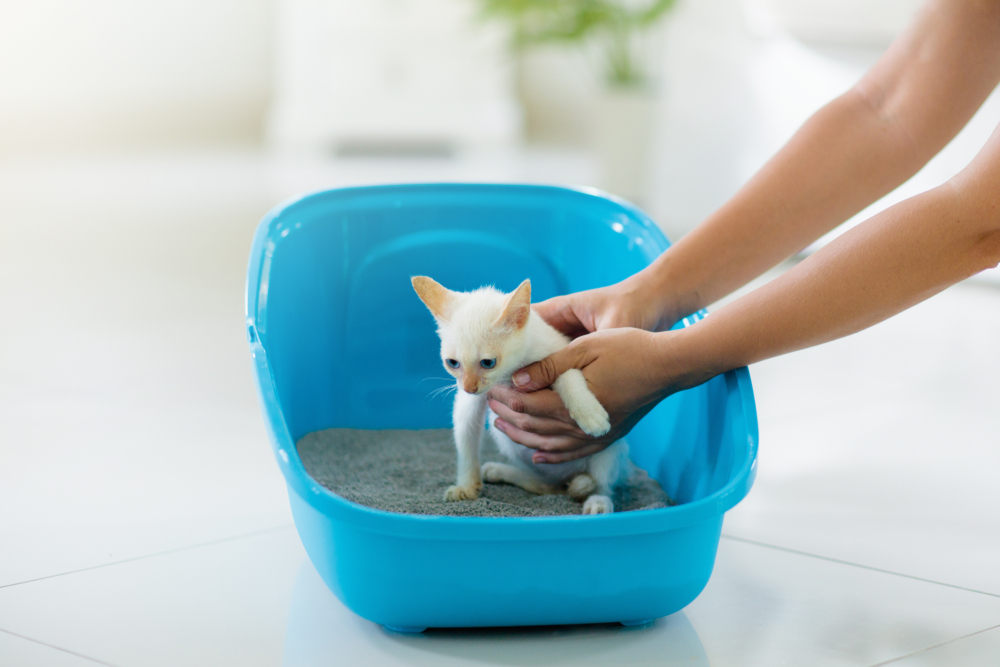
Very young kittens need to be stimulated by their mother in order to urinate and defecate. So, if you have a constipated bottle-fed kitten, they will need your help with this task during their first 3 to 4 weeks of life. After each feeding, gently rub the genital and anal areas in circular motions with a lukewarm wet wipe or soft absorbent tissue.

2. Hydration
Constipation can occur when the feces are too dry because the intestine has absorbed water from them. Dehydration is one of the common causes of constipation.
Here is how you can promote hydration:
3. Diet
Your kitten’s diet can influence the consistency of their feces, whether they are bottle fed or given solid food. There are three situations in which your kitten’s diet can cause constipation:
- Unsuited kitten formula: If your kitten is bottle fed and they become constipated, it is possible that the formula that you are using is not suitable for them. Check the ingredients, and make sure it is stored properly. Also, prepare a fresh formula whenever you need it.
- Food transitions: Changes from milk to solid food or from formula to solid food might result in digestive issues, including constipation in kittens.
- Lack of fiber in their diet: Adding fiber to your kitten’s diet can help with constipation. You can add canned pumpkin to their usual food or switch to a new food with higher fiber content, whichever is recommended by your veterinarian.
Every pet is unique in their nutritional needs, so we recommend reaching out to a vet for nutritional advice.
4. Lack of Movement
Movement and exercise stimulate bowel movement. It’s important to play with your kitten for at least 15 minutes a day if they don’t get enough exercise on their own.
If your kitten has a medical condition and can’t move their back legs, try to manually move them by laying your pet on their back and gently pushing their legs in a circular motion.

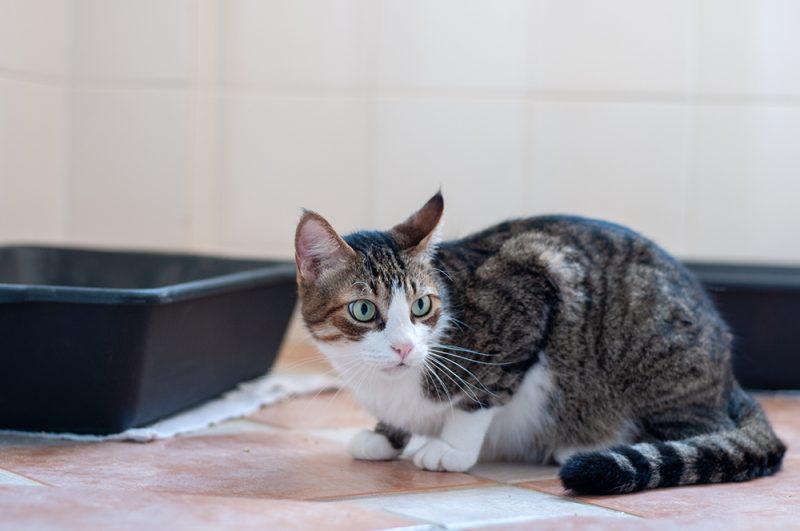
5. Litter Box Issues
If you have an older kitten that no longer needs stimulation, keep in mind that the litter that you use, the location of the litter box, and the box’s shape can make your kitten stop wanting to use it. Be sure to place the litter box in a quiet and stress-free place, and the substrate that you use should be scent free. Cats have a strong sense of smell, and the smallest trace of perfume can cause them discomfort.
With older cats, if you own several, you must have the same number of litter boxes, plus one. Cats are territorial animals and may not like sharing the same litter box with others.
6. Stress Reduction
Anxiety and stress are two other reasons that your kitten is not pooping. If you have recently moved to a new home, you have several pets under the same roof, a new family member has appeared, etc., your kitten may be constipated because the environmental conditions or changes to their daily routine are causing them stress.
If stress is the reason for your kitten's constipation, you can use pheromone diffusers to help them calm down. If these do not work, talk to your veterinarian about other remedies against anxiety and stress.
7. Laxatives
Laxatives are substances that produce the evacuation of intestinal contents, and different kinds of laxatives work by different mechanisms.
Four types of laxatives can be administered to cats:
Even if there is an over-the-counter medication for constipated kittens, it is recommended to talk to a veterinarian first and administer laxatives only on their recommendation.

8. Deworming
Intestinal worms can cause constipation in kittens. Most kittens have intestinal worms at a young age. If you have seen worms in your kitten’s feces or otherwise suspect that they have intestinal worms, deworm them as soon as possible. Don’t forget to talk to the veterinarian first.
Other clinical signs of intestinal worm infestation in kittens include:

What Are the Clinical Signs of Constipation in Kittens?
In addition to stools being difficult to eliminate, the following clinical signs may indicate that your kitten is constipated:
- More than 24–48 hours without defecation
- Dry, hard stools
- Straining for a long time and crying when using the litter box
- Going to the litter box often but not eliminating anything
In cases where kittens suffer from severe constipation, the following signs can also be observed:
- Nausea
- Vomiting
- Loss of appetite
- Distended abdomen
- Restlessness
- Hiding

What Are the Causes of Constipation in Kittens?
Constipation can manifest differently from kitten to kitten, and the causes can also differ greatly. The veterinarian is the only one who can evaluate your kitten and determine the most likely cause.
Here are the most common causes of constipation in kittens:
- Unable to defecate on their own, as very young kittens will need stimulation
- Dehydration
- Food transitions
- Lack of fiber in the diet
- Lack of movement
- Neurological problems (e.g., your kitten was involved in a car accident or was bitten by other animals, and the nerves that control the contractions of the intestine were damaged)
- Foreign objects (your kitten has swallowed a foreign object that is causing an intestinal blockage)
- Anxiety or stress
- Diet
- Intestinal parasites
- In older kittens, litter box issues, such as disliking the chosen substrate (e.g., too scented), not feeling safe in the litter box, or feeling stressed due to the surrounding area (e.g., the place is too bright, noisy, or exposed).

Conclusion
Kittens may be constipated from time to time, but it should resolve on its own in a few days. Cats tend to poop once every 12–36 hours. However, kittens may defecate one to six times a day, depending on their age.
If you notice that your kitten has not defecated for more than 24 hours, you can try to make them poop via several methods, including hydrating them, adding fiber to their diet, and encouraging movement through play. However, if 48 hours have passed, you should take them to the vet for evaluation. The vet might recommend changing their food in case they are allergic to it, administering laxatives, enemas, or prokinetic drugs, and even deworming them. Please do not administer any medication or make a change to your kitten's diet without discussing it with your vet first.
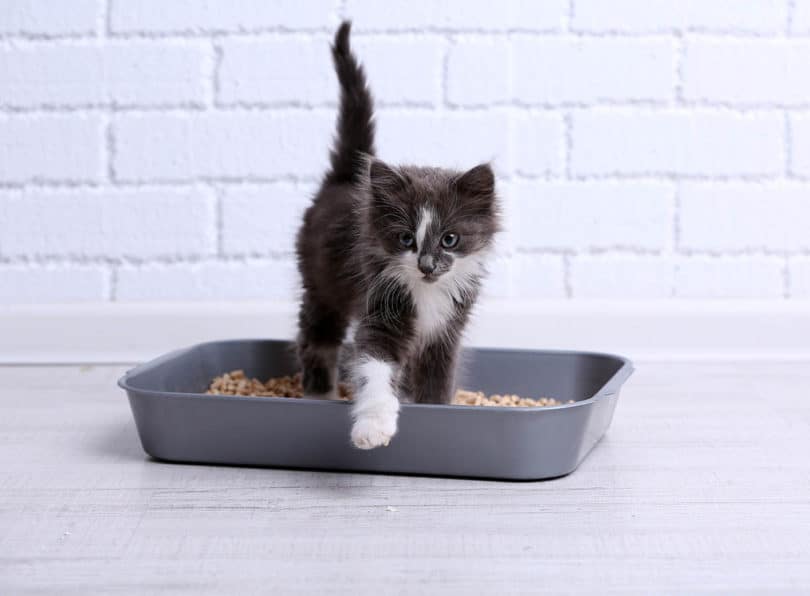
Featured Image Credit: FamVeld, Shutterstock

Expert cat care, straight to your inbox
Vet-reviewed advice, behavior tips, and the best of Catster. Free, and you can unsubscribe anytime.
By signing up, you agree to our Terms & Conditions and Privacy & Cookies Policy.
Dr. Iulia Mihai, DVM MSc (Veterinarian)
Dr. Mihai is a vet with over 13 years of experience in laboratory, pet pathology, and cancer. She studied at the University of Agronomical Sciences and Veterinary Medicine of Bucharest, Romania (EAEVE member), where she worked in the laboratory of the faculty clinic after graduation. She has a master’s degree in equine and pet pathology and studied epithelial cancer for her Ph.D. Iulia has a passion for internal medicine and parasitology and started volunteering at the faculty’s clinic in her third year of college. She has worked in a couple of veterinary clinics over the years as an internal medicine specialist. She enjoys writing and teaching people about cat disease prevention, nutrition, behavior, and treatment.
Join the conversation
Ask a question, share your story, or send private feedback.