Male vs. Female British Shorthair: Principal Differences (With Pictures, Vet-Reviewed)


In this article
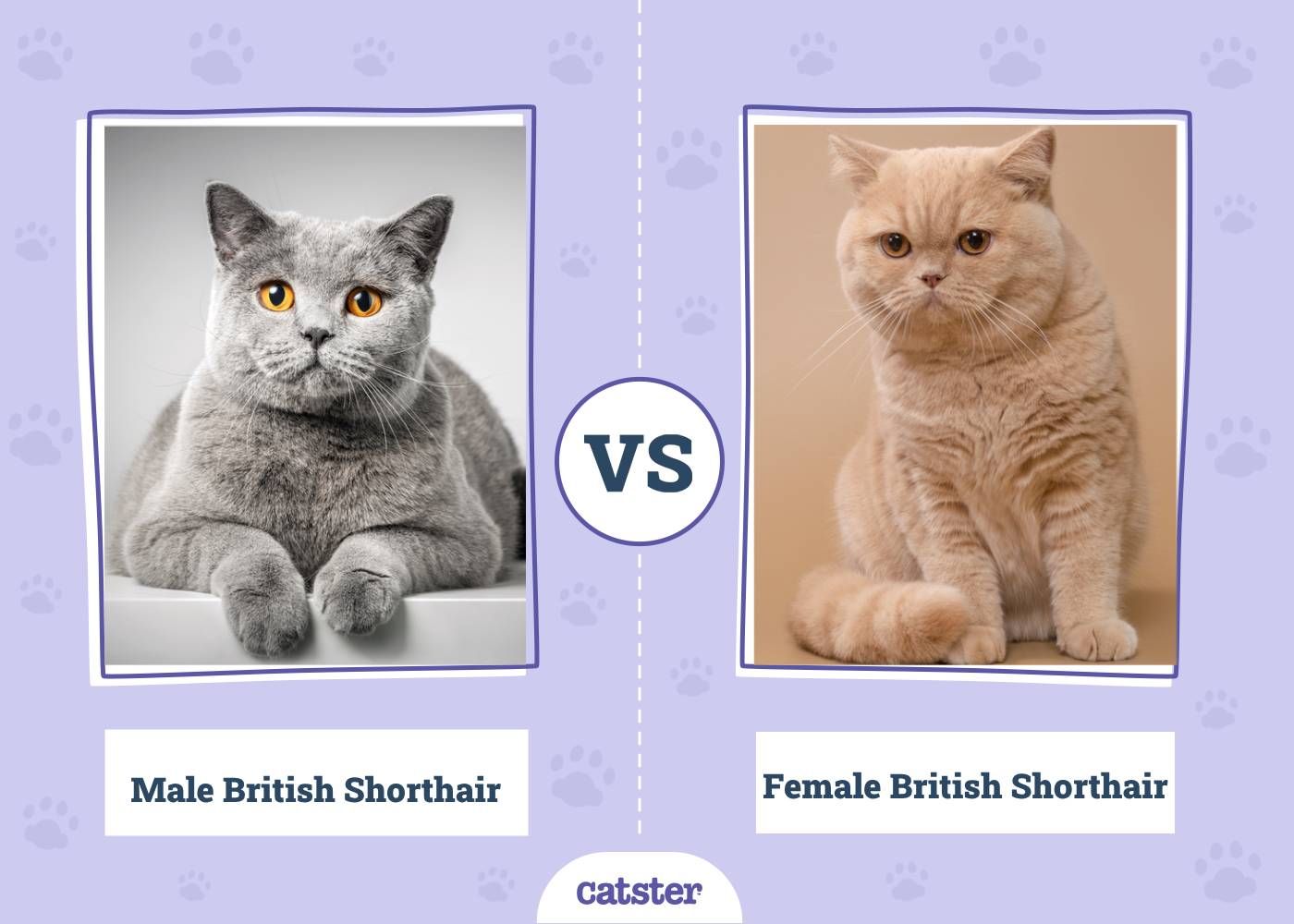
Our beautiful friends from across the pond make great pets, as any British Shorthair owner can tell you. But if you’re thinking about adopting a British Shorthair, you might be wondering whether you should go for a male or female cat. Overall, the differences between male and female cats are pretty minimal. Like humans, cats have a range of personality traits no matter what gender they are. But that doesn’t mean that males and females are exactly the same! Here are a few points that can help you decide what you want.

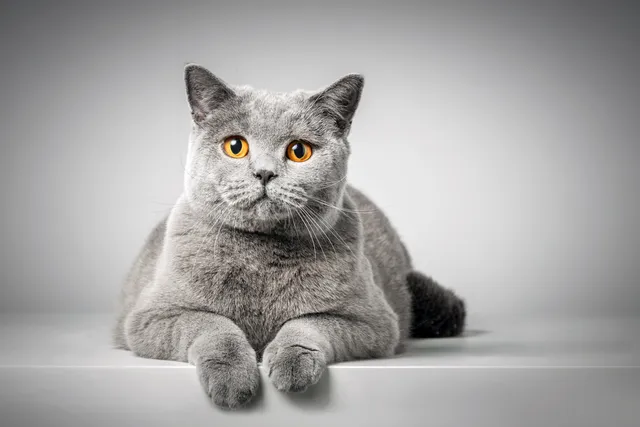
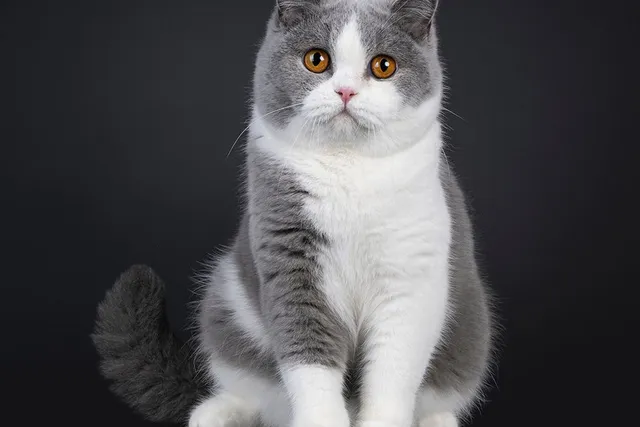
Visual Differences

At a Glance
Male British Shorthair Overview
British Shorthairs are known for being friendly but reserved and generally calm cats. Male British Shorthairs are no exception. They are a great choice for most pet owners, especially if the cats are neutered.

Personality and Temperament
Male British Shorthairs can sometimes be a little more relaxed and easygoing than their female counterparts, although this is not the rule. Although your cat’s personality is determined by a lot of things, you can expect most male British Shorthairs to be friendly to humans and other pets when properly socialised. They usually do well in multi-pet households, and most are not anxious around strangers. Unaltered males may be aggressive towards other cats, especially other males.
Health and Activity
Male British Shorthairs are slightly bigger than females and are moderately active. Because British Shorthairs aren’t the most active breed naturally, you might need to work harder to make sure your male British Shorthair gets enough activity and doesn’t grow obese. They can live anywhere from 12 to 20 years, but overall, males have a somewhat lower lifespan and live on average slightly shorter than females. Neutered male cats should not spray, but unaltered males will spray to mark territory.

Suitable for:
Most homes will be happy with a Male British Shorthair. They do well as solitary pets or in multi-pet households. They’re also a good choice for families, apartment dwellers, or single people. The most important thing is to ensure that your cat has a happy, safe, and enriched environment to live in.
Female British Shorthair Overview
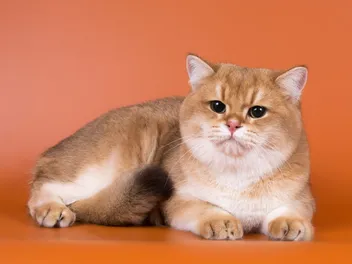
Female British Shorthairs are also a great choice for most cat owners. They will be happiest and healthiest if they are spayed so that they don’t experience heat or pregnancy. They come in all the colors and patterns that male British Shorthairs have, but you can also find calico/tortoiseshell patterned female British Shorthairs.

Personality and Temperament
Female British Shorthairs tend to be calm and quiet, and may be slightly more reserved than males. They often grow very attached to their family but may be shy around strangers at first. Some individual females may be more vocal and enjoy “conversations” with their humans. Many female British Shorthairs get on well with other cats when properly socialised, but some become possessive towards their owners and don’t do well in multi-pet households.
Health and Activity
Female British Shorthairs are slightly smaller than males, and they generally live slightly longer than males, depending mainly on the neutered status. They often don’t need quite as much activity as males, but since British Shorthair cats are generally sedentary, daily playtime or exercise is a good idea regardless. Unspayed females will go into heat regularly throughout their lives and have personality and behavior changes while in heat.
Suitable for:
Female British Shorthairs are generally suitable for most living situations, but there are some pitfalls to watch out for. Some female British Shorthairs struggle in multi-pet households and may not do well in busy or stressful environments. Despite this, female British Shorthairs are generally a good match for single-person households or families, and for small or large living spaces, as long as their exercise, environmental enrichment, and mental stimulation needs have been met.

Which Gender Is Right for You?
As you can see, male and female British Shorthairs are similar in appearance and personality, but they do have some subtle differences. Male cats are usually bigger. They are also laid back and may do slightly better with other pets. Female British Shorthairs are usually more attached to their owners and somewhat reserved toward strangers. They also live slightly longer.
Featured Image Credit: Left - PHOTOCREO Michal Bednarek, Shutterstock | Right - OksanaSusoeva, Shutterstock

Expert cat care, straight to your inbox
Vet-reviewed advice, behavior tips, and the best of Catster. Free, and you can unsubscribe anytime.
By signing up, you agree to our Terms & Conditions and Privacy & Cookies Policy.
Chelsea Flake Mortensen is a writer with a passion for cats. Growing up, she spent quite a bit of time around cats, along with a variety of other interesting pets. Chelsea holds a BA in English and Creative Writing from Brigham Young University.
Join the conversation
Ask a question, share your story, or send private feedback.