Veterinary Abbreviations & Acronyms: 10 Vet-Verified Common Terms Explained
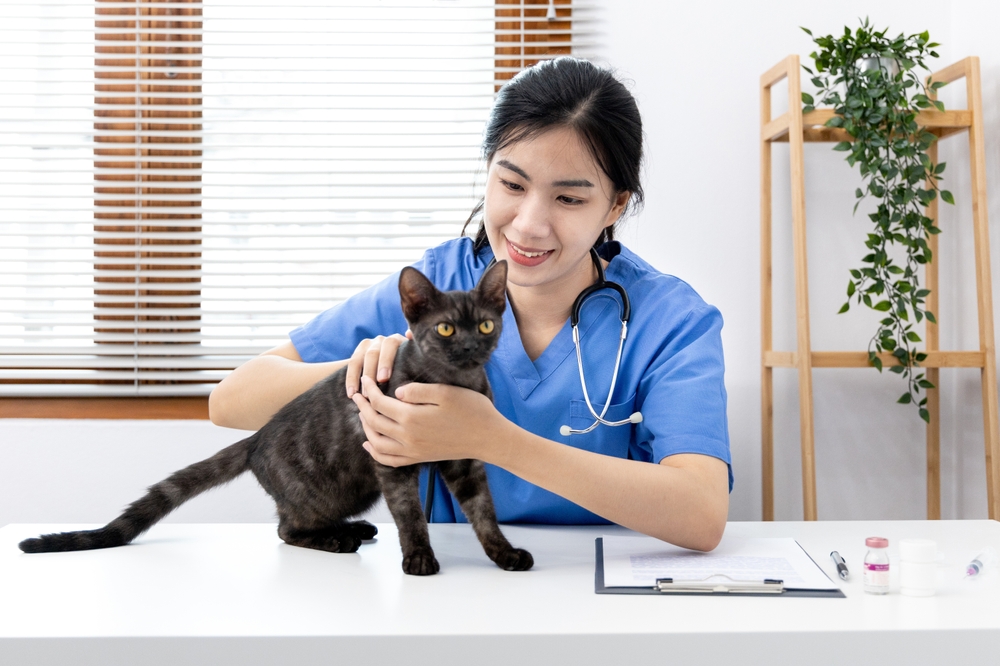
Is your cat BAR and WNL? Is he DUDE normally? Is he having any C/S/V/D?
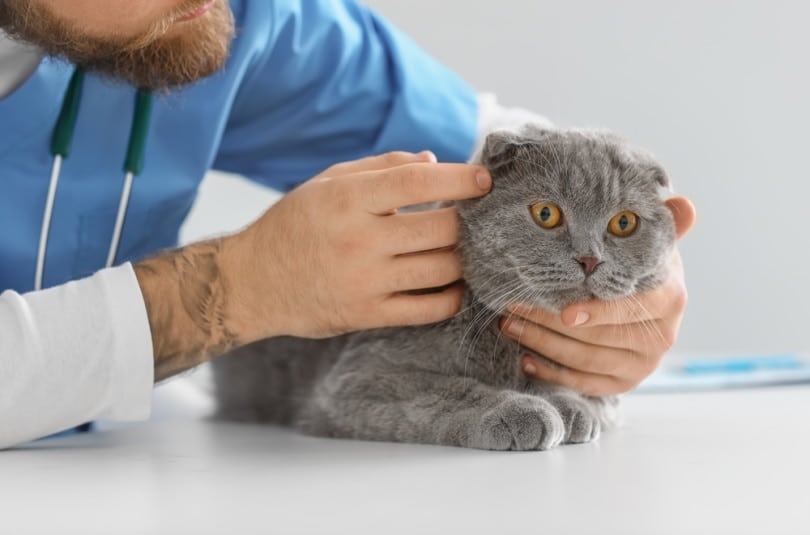
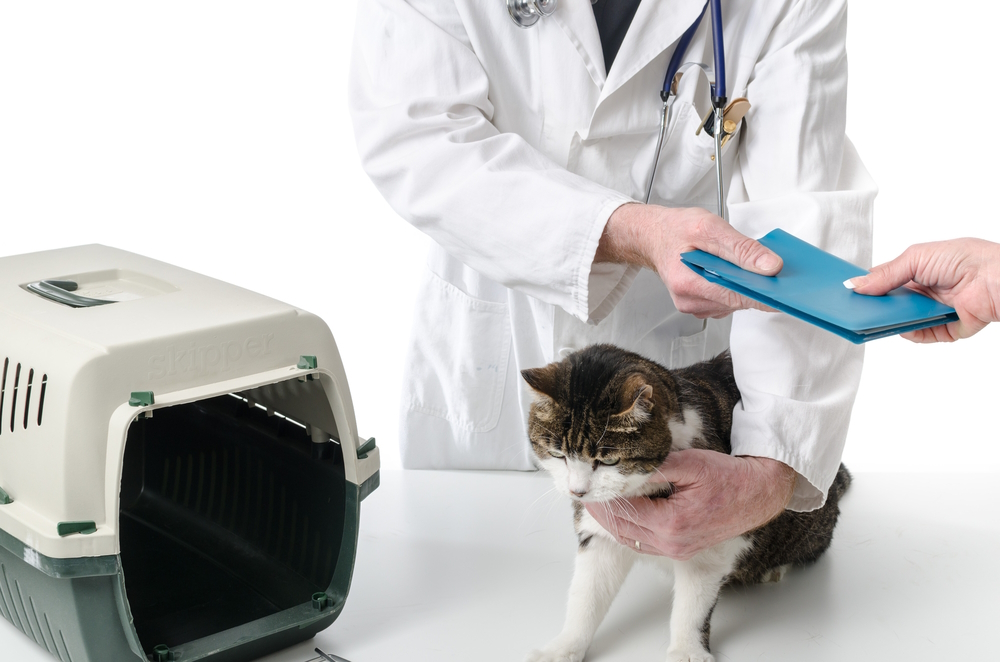
If you have no idea what any of this means, you're not alone, so today I'm decoding some of the odd acronyms you'll find in your feline friend's veterinary records.

Top 10 Vet Acronyms Decoded & Explained:
1. ADR: "Ain't doin' right"
When you bring your cat to the vet because his behavior seems a little off to you -- his appetite's down a little bit and he's not chasing his toys like he usually does -- but there are no obvious symptoms of injury or disease, your vet may list the cause for the visit as ADR. More grammatically uptight vets may use NDR (not doing right).
2. BAR: Bright, alert, and responsive
This is just like it sounds. If your cat’s mental state is normal, he's looking around at his environment and responding to the noises and visual stimulation in the exam room, he's BAR. A cat who's a bit under the weather might be QAR (quiet, alert and responsive).

3. C/S/V/D: Coughing, sneezing, vomiting, diarrhea
When your vet asks you about your cat, she'll probably ask you if he's been having any of these symptoms, and this is how she abbreviates your response. Hopefully the note will read "C/S/V/D: None."
4. DDx: Differential diagnosis
If your cat is feeling sick and his symptoms could be related to one or more of several conditions, the vet will list the possibilities as differential diagnoses. If you bring your cat in because he's vomiting and has diarrhea, your vet might write something like "DDx: Parasites, bacterial infection, neoplasia, dietary indiscretion." She may offer diagnostic tests such as a fecal test, X-ray or blood panel to narrow the scope of possibilities.
5. DUDE: Defecating, urinating, drinking and eating
During a physical exam, your vet will ask you if your cat has had a normal appetite and thirst level, and if he's been peeing and pooping regularly. If you answer yes to all these questions, you might see a note that reads "DUDE: Normal."

6. Dz: Disease
This is just shorthand based on phonetics, so if you see "Renal dz" on your vet's DDx list, you'll know she suspects that renal (kidney) disease is one possible reason your furry friend is in a funk.
7. NSF: No significant findings
Unlike NSF on your bank statement, NSF is a good thing in your cat's records because it means that when your vet examined your cat, she didn't find anything to cause her any concern.
8. R/o: Rule out
When your vet offers diagnostic tests to narrow down her DDx, she may note that the tests are to r/o one or more conditions. So, if renal dz is on your vet's DDx list, she may want to do a blood test to check your kitty's lab values and hopefully r/o that renal dz. Some vets use r/o as a substitute for DDx.

9. T/G: Tartar, gingivitis
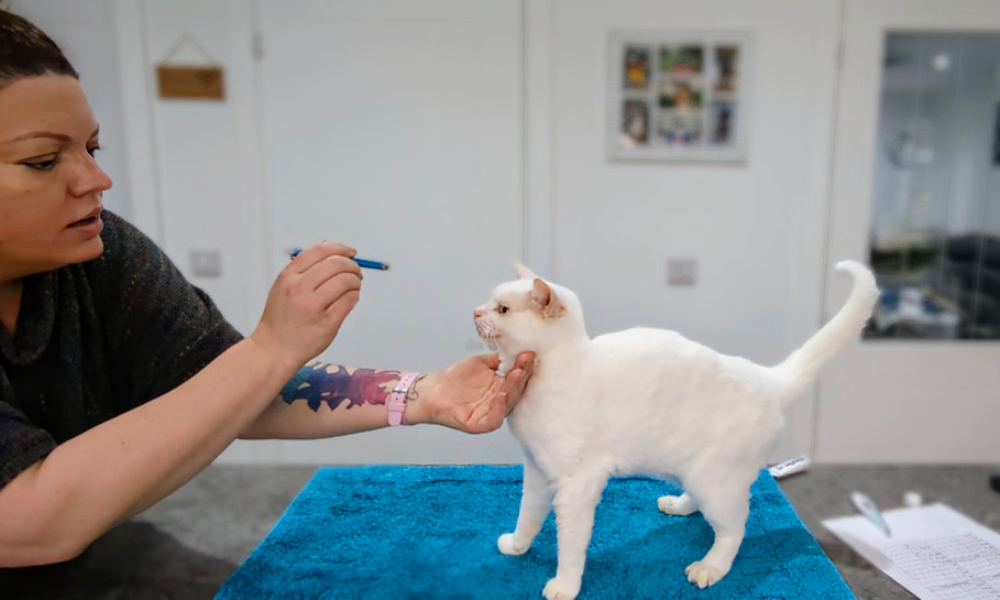
When your vet checks your cat's teeth, she'll characterize the amount of tartar buildup and the redness and swelling of his gums on a four-point scale. T0/G0 means your cat's teeth are beautiful and clean and his gums are healthy. On the other hand, T4/G4 means your cat's mouth is a hot mess and he needs major dental work. A cat with a lot of tartar but not much gingivitis may be T3/G1.
10. WNL: Within normal limits
Your cat's medical exam includes a check of the heart rate, respiration rate and pulses in various major arteries. If your cat's heart rate is between 140 and 220 beats per minute and he's breathing 20 to 30 times per minute, your vet will characterize that as WNL.

Conclusion
Understanding the abbreviations in your cat’s medical records can make vet visits less confusing and help you stay informed about their health. Terms like BAR (bright, alert, and responsive) or DDx (differential diagnosis) are helpful tools vets use to work quickly and clearly. Once you get the hang of them, they’re easy to follow. And if you’re ever unsure about something in your cat’s notes, don’t hesitate to ask your vet; it’s always worth getting clarity when it comes to your pet’s health and care.
Learn more about your cat with Catster:
Why Does My Cat Wake Me Up at Night? Vet-Reviewed Reasons & Solutions
Do Cats Like Enclosed Litter Boxes? Pros, Cons & Useful Tips
Featured Image Credit: 89stocker, Shutterstock

Expert cat care, straight to your inbox
Vet-reviewed advice, behavior tips, and the best of Catster. Free, and you can unsubscribe anytime.
By signing up, you agree to our Terms & Conditions and Privacy & Cookies Policy.
JaneA is the webmaster and chief cat slave for Paws and Effect, an award-winning cat advice blog written by her cats, for cats and their people. She is a professional member of the Cat Writers’ Association, and has been a speaker at the BlogPaws and Cat Writers’ Association conferences. In addition to blogging about cats, JaneA writes contemporary urban fantasy, and whatever else strikes her fancy.
Join the conversation
Ask a question, share your story, or send private feedback.