How Long Will Cats Hide If They're Scared: Vet-Reviewed Causes, Tips & FAQ


In this article
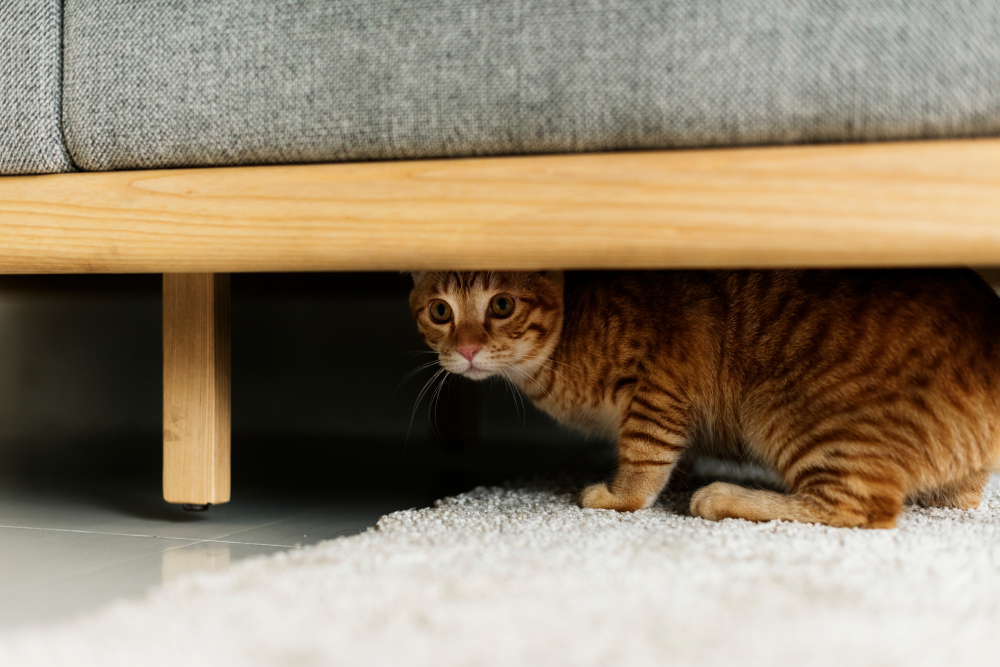
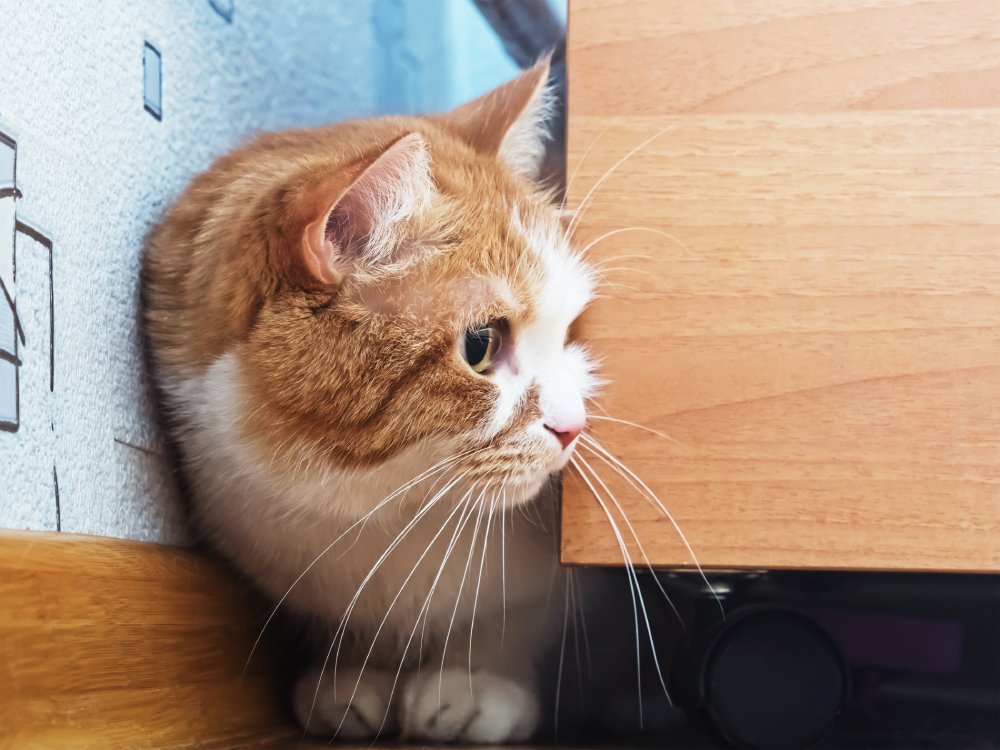
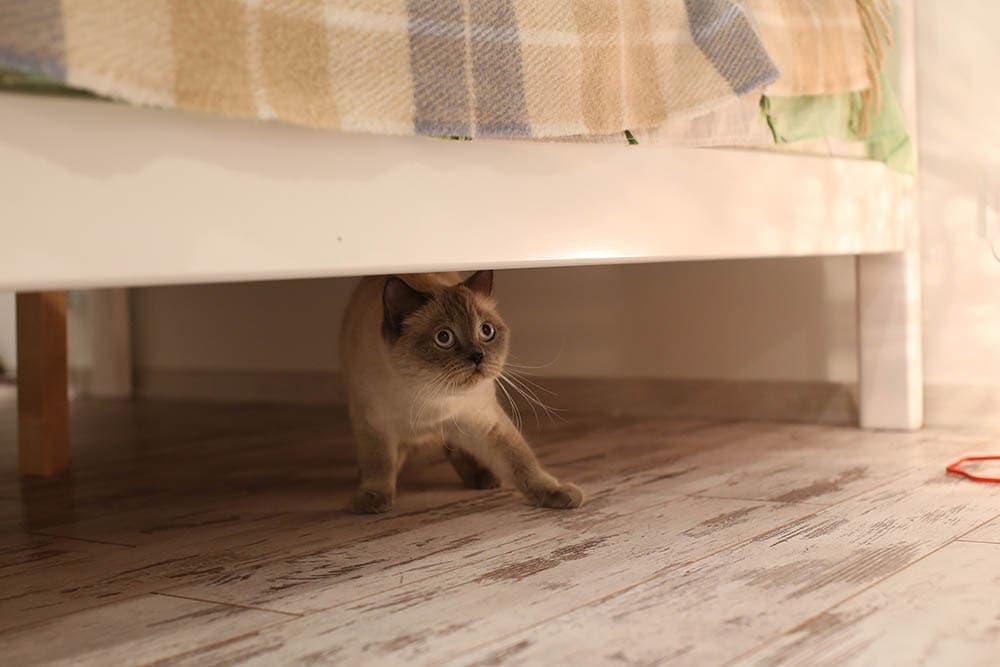
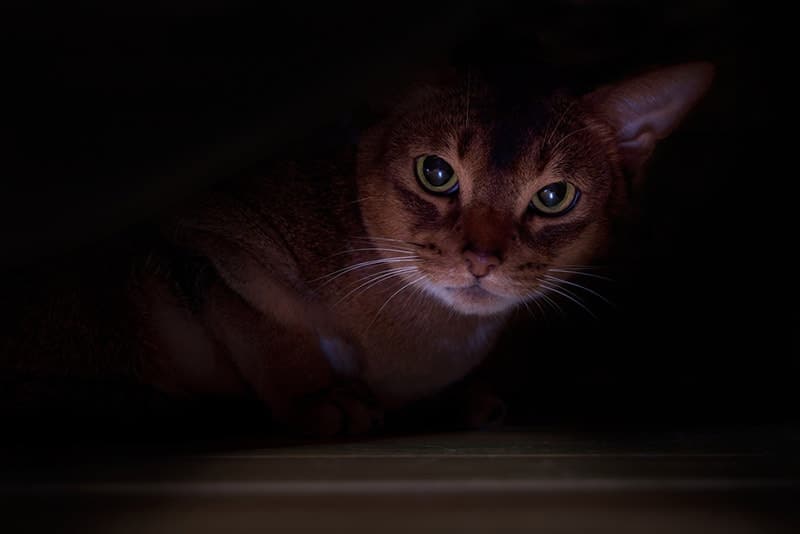
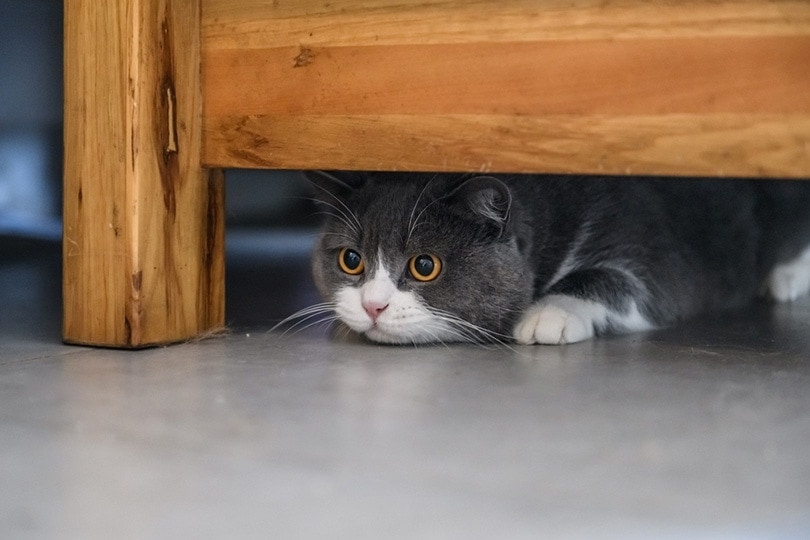
Cats can be very fearful creatures, and when they feel threatened or scared, their natural instinct is to hide. In fact, you may have even brought a new cat home for the first time only for it to run and hide underneath your bed, with no telling when it will come out. So how long will cats stay hidden if they’re scared? It all depends on the cat and their temperament. Let's get into it!

How Long Do Cats Hide When They’re Scared?
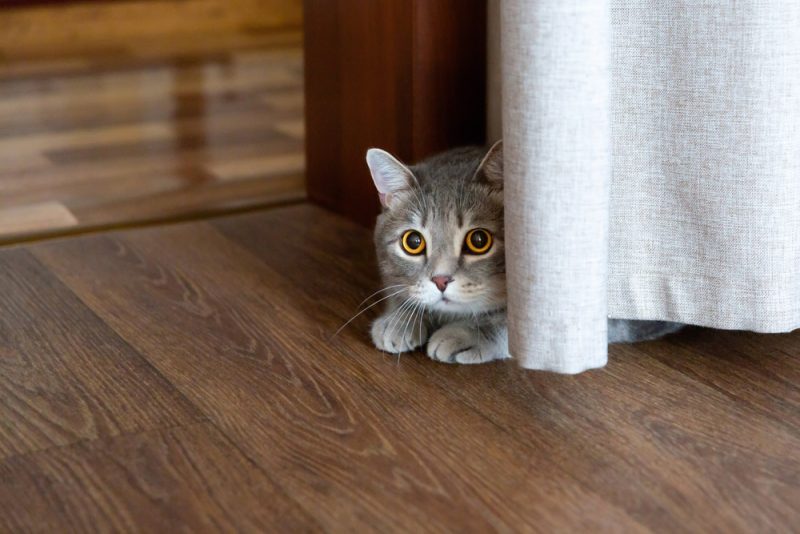
When a cat feels threatened or scared, they may respond in several different ways. They may hiss, growl, swat at the perceived threat, or run away to find a hiding place where they can feel safe. Unfortunately, there’s no one-size-fits-all answer.
The amount of time the cat will spend in their hiding place can range from several minutes to several hours or even days. Some cats are more prone to prolonged hiding spells than others. It just depends on what the source of the threat was and how stressed your cat became because of it. If you’ve brought a cat home for the first time, the cat may even hide for several days and only come out to eat or go to the bathroom.

Reasons Cats Hide
Cats may hide for a variety of reasons. As mentioned earlier, fear is one of the biggest factors prompting cats to hide. Specific causes of fear in cats include feeling uncomfortable in a new environment, being overwhelmed by unfamiliar people or animals, or being startled by loud noises.
If your cat was simply startled, they should not hide for too long. Being overwhelmed by people or animals may result in your cat hiding until the unfamiliar people or animals are gone. But if your cat is uncomfortable in a new environment, they may hide for longer until they feel comfortable.
Factors That Affect How Long Cats Hide
Every cat is different, so the amount of time they stay hidden when scared can vary.
Some factors that may affect how long a cat hides include:

What to Do If Your Cat Is Hiding
If you notice your cat hiding for long periods of time, it’s important to take note and address the issue. Start by assessing the situation. Is your cat feeling scared or threatened? If so, what is causing them to feel that way? Once you pinpoint the cause, it’s time to find a solution.
If your cat is hiding due to fear, the best thing you can do is try to make it feel safe and secure. Provide them with a quiet space free of stressors where they can relax and decompress. Additionally, offer your cat plenty of love and reassurance by petting or cuddling them when they do come out of their hiding spot. Going into your cat’s hiding spot to cuddle and comfort them is controversial because a fearful cat might lash out if approached against their will. However, this generally depends on the temperament of your cat.
If your cat is hiding because they’re sick or injured, it is necessary to consult with a veterinarian for further advice. You may need to coax or rescue the cat from hiding in order to provide medical treatment.
Take note that cats may sometimes hide for extended periods of time and refuse to use the litter box. This is incredibly dangerous, as it may lead to issues such as a urinary obstruction or severe constipation. If your cat hasn’t used the litter box for a period of about a day, you should promptly seek veterinary care for your pet.
How Long Should I Leave My Cat in Hiding?
It’s important to give your cat the time they need to feel comfortable and safe. If your cat has been hiding for more than a few hours, it may be a good idea to check on them and offer reassurance. However, if you think that the fear is severe enough that it is causing long-term emotional distress, it may be best to consult a veterinarian or animal behaviorist.
How Do I Get My Cat Out of Hiding?
If your cat has been hiding for an extended period of time, it’s important to try to get them out as soon as possible but never force them to come out.
Here are some tips on how to get your cat out of hiding:

How Do I Create a Safe Environment for My Cat?
Creating a safe and secure environment for your cat is key to helping them feel less fearful.
Here are some tips:
Frequently Asked Questions About Cats Hiding
Should I Force My Cat Out of Their Hiding Place?
No. Cats should never be forced out of their hiding spot, as it can make the situation worse and cause even more fear and anxiety.
Does Hiding Mean My Cat Is Sick?
Not necessarily. Cats can hide for various reasons, including fear or discomfort in a new environment. However, a cat that’s unwell or sick may also resort to hiding.
What Should I Do If My Cat Is Hiding for Too Long?
If your cat is hiding for an extended period, assess the situation to determine why they are feeling scared or threatened. Then take steps to make them feel safe and secure. You may need to consult with a veterinarian if your cat has been hiding for a period of more than a day.
Is Hiding Normal for Cats?
Yes, it is normal for cats to hide when they feel scared or threatened. It is their natural instinct to run away and find a safe place where they can feel secure.

Is Hiding a Sign of Stress in Cats?
Yes, hiding can be a sign of stress in cats. If your cat is staying hidden for extended periods of time, assess the situation to make sure your cat is not feeling scared or overwhelmed. Taking steps to comfort them and make them feel safe may help reduce their anxiety and stress.
What Are Some Other Signs of Stress in Cats?
In addition to hiding, some other signs of stress in cats include excessive grooming, changes in appetite or litter box habits, and increased vocalization. If you notice any of these signs in your cat, it may be helpful to consult with a veterinarian for further advice.
What If I Can't Find My Cat After It Has Been Hiding?
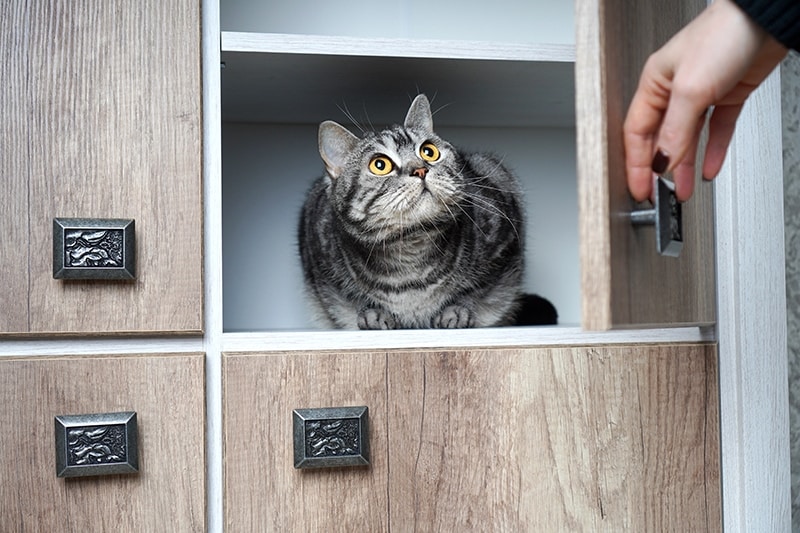
Cats can be sneaky and hide in unexpected places. If you’re having trouble locating your cat, try placing familiar objects around the house, like a favorite toy or blanket. You can also call out to your cat using their name or a favorite treat.
Conclusion
Ultimately, how long cats will hide if they’re scared depends on a variety of factors, as well as the individual cat’s temperament and personality. It’s important to keep in mind that if your cat has been hiding for an extended period of time, it’s best to try to get them out sooner rather than later. With patience and understanding, you can help your cat feel safe and secure once again.
Featured Image Credit: Chendongshan, Shutterstock

Expert cat care, straight to your inbox
Vet-reviewed advice, behavior tips, and the best of Catster. Free, and you can unsubscribe anytime.
By signing up, you agree to our Terms & Conditions and Privacy & Cookies Policy.
Christian started writing for a local newspaper as a teenager, and he's been involved in the publishing industry for most of his adult life. Combining his love of writing with a passion for animals, he is currently the Director of Editorial at Pangolia and the Editor-in-Chief at Catster.
Christian lives in the Philippines with his wife, son, and four rescue cats: Trixie, Chloe, Sparky, and Chopper.
Join the conversation
Ask a question, share your story, or send private feedback.