Why Do Cats Gag? 10 Vet-Verified Reasons & When to Worry


In this article
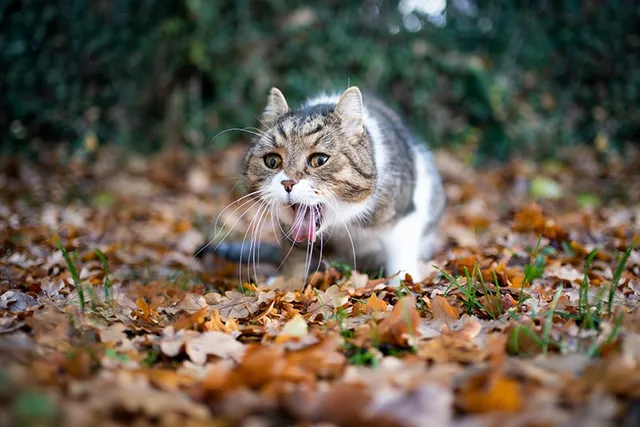
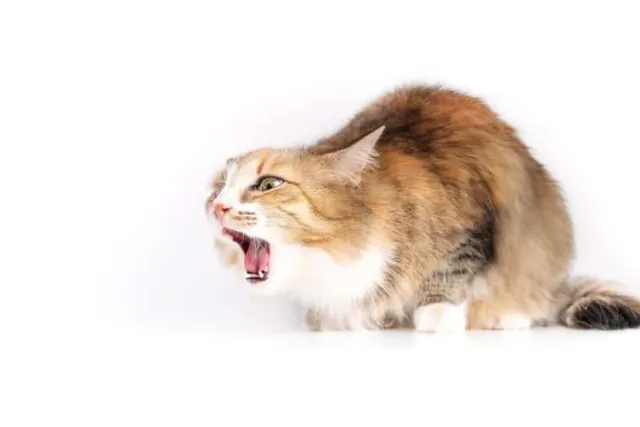
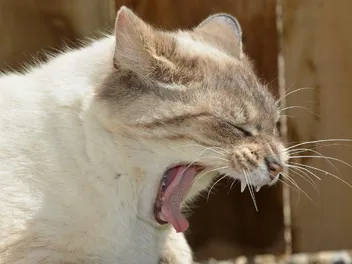
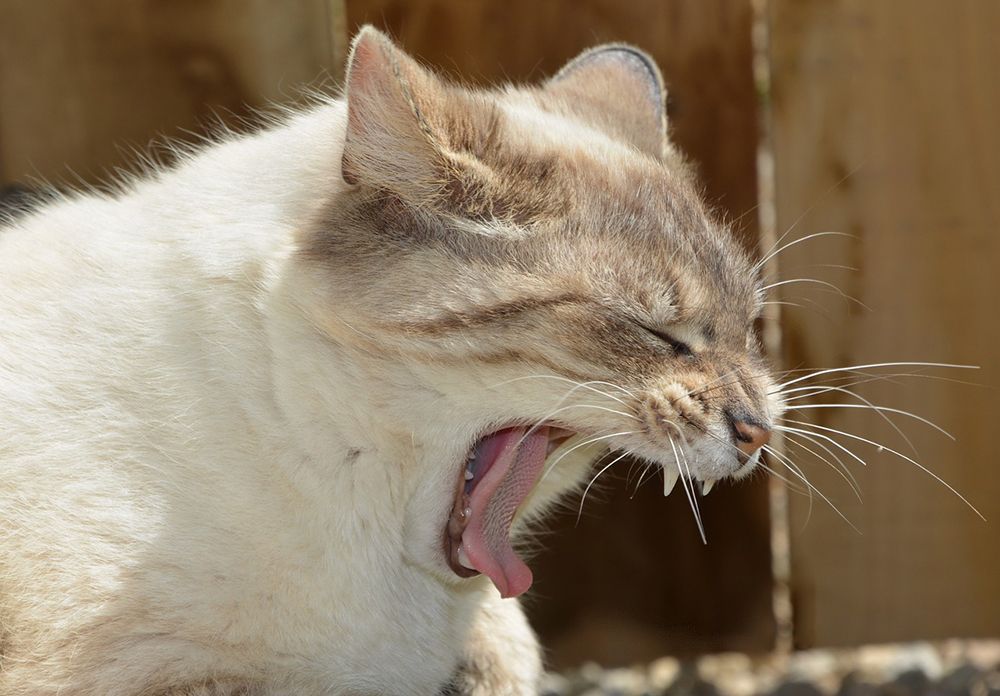
Our cats are always nosing about, getting into all sorts of things. They see something peculiar, and what better thing to do than give it a good sniff? If your cat gags a lot, you might wonder what gives.
Some cats might be more sensitive to smells, textures, and stimuli than others. It just depends on the kitty and how they are. Here are 10 reasons your cat might be gagging.

Gagging in Cats: 10 Potential Reasons
We want to explain first that your cat might be sensitive to changes in their environment relating to air fresheners, cooking certain items, burning candles, using cleaners, and a variety of other stimuli.
Before you take your cat to the vet, determine if there are any changes you can think of that could have triggered the gagging. It might just be a process of elimination. But here are some alternative reasons.
1. Hairballs
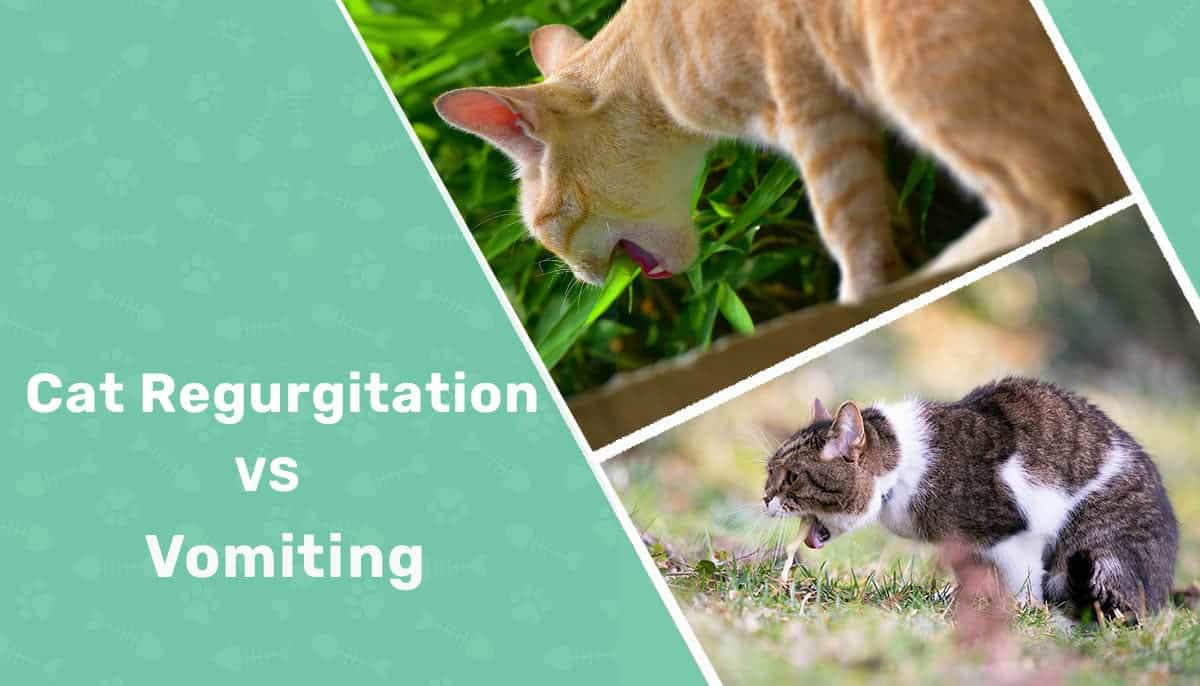
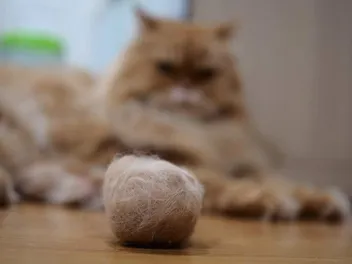
If your cat is an avid groomer, chances are they will have hairball issues a time or two in their life. It is especially common among medium to long-haired cats. If your cat is gagging, it might absolutely be a hairball to blame.
In fact, it may be one of the most common and understandable reasons a cat is gagging. When cats groom themselves, the hairs get caught on papillae (small projections on the tongue) and can get stuck in and irritate the throat.
If the hair makes it to the stomach, it can aggregate into a hairball or trichobezoar. Cats might regurgitate the hairball or it could pass through the intestines, sometimes leading to constipation or blockages.
Hairballs are a normal part of a cat’s life, and they are usually unremarkable and highly expected. However, sometimes they can signal a problem. On average, your cat should cough up a hairball around once a month—maybe slightly more for long-haired cats.
If your cat has frequent problems with hairballs, it might mean they have slightly sluggish digestion. There are diets on the market specially formulated to combat hairballs and improve the overall function of the gastrointestinal tract.
Typically, an overproduction of hairballs can signal other issues like food allergies, environmental allergies, and inflammatory bowel disease.

2. Nausea
Your cat might be feeling a little sicky-icky. Nausea isn’t an underlying cause, but rather just a sign of another manifestation. Nausea can be as simple as motion sickness or as serious as an organ issue or cancer.
Because nausea is such a broad-spectrum issue, it can be hard to determine the underlying cause. You should absolutely get your cat to the vet if they seem nauseous over a long period of time.
Nausea has its remedies, sure. But the reality is, ongoing nausea is your cat’s body’s way of telling you something is wrong—so please, listen.
3. Food Intolerance
Food intolerances can be easily overlooked until signs become ultra-visible. Some cats show the signs very quickly, while others come on gradually or change over time.
When cats have food intolerances, there are usually other signs you might miss at first.
These can include:
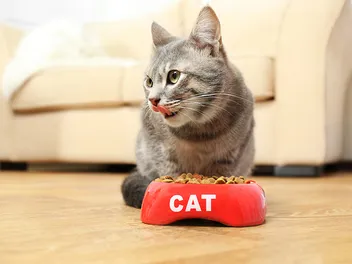
If you suspect food allergies, you should promptly visit your vet. It might take some time to determine the trigger, but it will be necessary to keep them healthy and problem-free. To combat food intolerances, diet changes are an obvious need. Sensitivity or hypoallergenic diets are often used.

4. Foreign Object Ingestion
We all know our cats are curious creatures, and most aren't shy about putting things in their mouth. For some of us, it would be no surprise if our cats ingested something they really shouldn't have. While cats are typically less problematic than dogs in this category, they can still chew up and accidentally swallow lots of things.
Cats are known for linear foreign bodies like string or yarn that get caught under the tongue. Other objects can lodge in the esophagus or intestines creating an obstruction.
Signs of foreign object ingestion include:
5. Asthma
If your cat has asthma, they might gag. Severe coughing can stimulate the gag reflex and some cats will even bring up stomach contents after a coughing fit. You may also notice coughing, hacking, or open-mouthed breathing, which looks like gagging. Watch the video below of our vet explaining the difference between vomiting, coughing, and regurgitation in cats.
Asthma is a bit of an enigma to researchers, but most agree that it is an allergic reaction to an allergen in the atmosphere. Once it enters the cat's lungs, the immune system responds accordingly. Your cat could have mild to severe asthma and treatment will be different depending on the individual feline.
Either way, feline asthma is a chronic and incurable respiratory disease, but good management is usually possible. If you believe your cat has asthma, it is imperative that you get treatment for your cat’s safety and comfort.
Signs usually include:
Typically, feline asthma responds to corticosteroids which can be delivered through injection, inhaler, or oral medication.

6. Respiratory Infections
Other respiratory issues could cause your cat to gag. Luckily, some respiratory issues are preventable by vaccines. Some of these include feline herpesvirus type-1, feline calicivirus, and Bordetella.
If you haven’t vaccinated your cat against certain diseases and they are gagging a lot, it might be a good idea to take them to a vet and explain the situation. The vet might run tests to see if any of these diseases are active in your cat's system.
Some signs of respiratory distress in cats include:
If your cat gets a clean bill of health, your vet might administer the vaccines to get them up-to-date, preventing any issues from developing in the future.
7. Tumors
In rare cases, gagging might signal there is a tumor somewhere in the body—specifically in the throat and neck. Here are a few different kinds of tumors that can cause gagging:
Squamous Cell Carcinoma
Squamous cell carcinoma (CCC) is the most common type of oral tumor in cats. Especially if a tumor arises from the base of the tongue, back of the throat, or tonsils, it can stimulate the gag reflex quite frequently.
Lymphoma
Lymphoma is another type of oral tumor in cats. Aside from gagging, you may notice your cat drooling, struggling to swallow, losing weight, and having bad breath if they have an oral tumor like lymphoma.
Melanoma
Melanoma is another type of reasonably common oral tumor in cats. If your cat has an oral tumor they will need surgery to remove or biopsy the mass. Unfortunately, many tumors are not noted until they are too large to surgically remove.
Thyroid Carcinoma
The thyroid is a gland that sits in the neck. Like oral tumors, tumors that arise here can cause gagging as they put pressure on the throat and esophagus. It can also interfere with breathing. Cats with thyroid carcinoma will also have signs related to excessive thyroid hormone production or hyperthyroidism.

8. Liver Disease
The liver is responsible for collecting and expelling toxins in the body and aiding in digestion. It alone makes the bile that we use to break down our food. When your cat’s liver is in trouble, it can cause nausea, vomiting, and gagging.
Liver disease can stem from several sources. Here are a few common scenarios.
Hepatic Lipidosis
This is also known as fatty liver syndrome and occurs when triglyceride builds up in liver cells. Usually, cats lose their appetite and reject food. This issue can be fatal if untreated and generally affects overweight cats.
Infections
Bacterial infections can hurt the liver.
Toxins
Ingesting a toxin usually directly impacts the liver because it is your cat’s (and your) filtration system.
Metabolic Disorders
If your cat suffers from a metabolic disorder, it can directly impact their liver. Some examples include diabetes and thyroid conditions. If you’re concerned that your cat might have an issue with their liver, you must get them to the vet immediately.
9. Kidney Disease
The kidneys are crucial for survival. They provide a built-in filtration system for the body to remove waste products, filter blood, maintain electrolyte balance, and regulate blood pressure. If your cat develops kidney disease, it can cause a myriad of signs, including gagging.
Signs of kidney disease in cats include:
Kidneys are a non-negotiable part of your cat’s body. They absolutely need their kidneys, so it is imperative that you treat any issues that arise quickly. Your vet will come up with a treatment plan if your cat is diagnosed with kidney disease.

10. Heart Disease
Heart disease can be scary and is a common issue in aging felines. Heart disease can cause fluid in the lungs. If this is the case your cat can cough up watery or pink-tinged fluid. This process may look a lot like gagging.
Heart disease can occur at any age and be congenital (present at birth) or develop over time. It depends on the underlying reason and genetic factors. Certain breeds carry genes that cause heart disease.
Hypertrophic cardiomyopathy is one of the most common causes of heart disease in cats.
Signs can include:
If your cat has severe signs of heart disease, it is intensely important to get them medical care immediately. It can be the difference between life and death.
When to Take Your Cat to the Vet
If you notice any changes in your cat, it is best to take them to the vet. While some issues might not be too concerning, others will require further testing and treatment.

Conclusion
If your cat is gagging, it is important to get to the bottom of it. Has it been going on for a while? Is it impacting your cat’s daily life? Are they showing additional signs that might raise concern?
If so, it is time to get them to your vet. It might be something as simple as allergies, or as complicated as cancer. That is why it is so vital to address it and not procrastinate vet care. Best of luck to you and your gaggy gal or guy.
Featured Image Credit: JackieLou DL, Pixabay
Expert cat care, straight to your inbox
News, insights, and useful advice, delivered to you.

No spam — unsubscribe anytime.
By signing up, you agree to our Terms & Conditions and Privacy & Cookies Policy.
How useful was this post?
Click a star to rate. You can leave written feedback afterwards. (We read all feedback.)
As a freelance dog writer and passionate pet enthusiast, Ashley Bates is pursuing studies in animal therapy. A mother to four human children and 23 animal companions, Ashley is dedicated to volunteering at shelters, advocating for animal rights, and rescuing animals in need. Her goal is to spread awareness, provide education, and offer entertainment about pets to reduce homelessness. Ashley's specialties include dogs and cats.