How to Play With a Cat at Every Age: Vet-Reviewed Guide


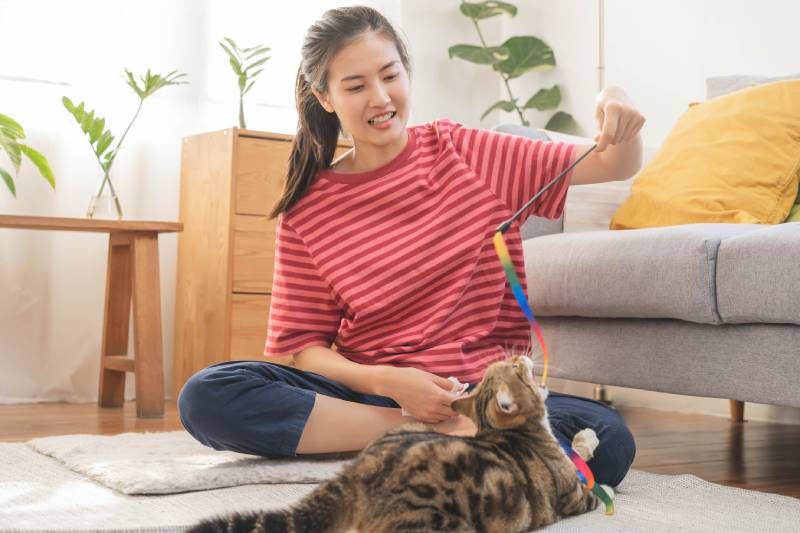
Playing with your cat is a fun way to strengthen your bond and help your kitty become a healthier version of themselves. Some people think that all cats play the same regardless of age, but the truth is that kittens will play much differently than juniors, which will play much differently than adults, which require much different play sessions than their senior counterparts. If you're not sure what type of play your cat needs, we can help! Keep reading to learn what to expect from your kitty regarding play during each life stage and to find out what types of play sessions or equipment they need most from you.

Why Is Play Important?
Almost 80% of mammals show different expressions of play throughout their lives1, so it shouldn't be surprising that our cats also require play to stay happy and healthy.
Play is important for cats because it:
If you're not actively playing with your cat and just providing them with toys they can play with on their own, you're doing them a huge disservice.

How to Play With Your Cat in Every Stage
1. Kittens (Birth to 6 months)
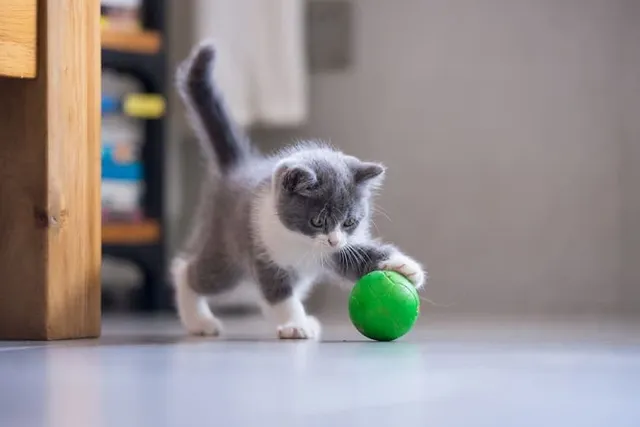
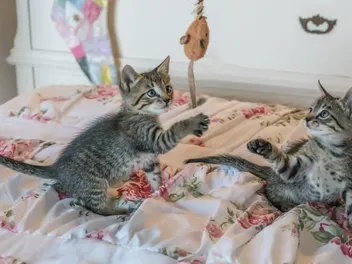
The first few months of your kitten's life are all about playing and having fun. Before you bring your new pet home, they'll have had several weeks of playing with their siblings and mom under their belt. They'll probably be pretty used to roughhousing and tumble play, and depending on the humans who were raising them, they may or may not have yet learned to control their bite and claws. That's something to keep in mind when you play, as those claws are sharp and can do much damage.
Kittens explore their world through the instincts they've been passed down from their wild ancestors. Their play is all about stalking, pouncing, chasing, and wrestling with their siblings at this age. If you have other cats in your home, chances are they'll transfer this type of play to the other pets in the house. If they are a solo pet, the stalking, batting, grasping, biting, and pouncing behaviors may be transferred to you and toward objects in your home. If your other pets are not receptive to such roughhousing, get your kitten's attention with one of their toys and distract them away from the resident pet. Eventually, they'll learn that playing with you and their toys is more fun than bugging their fur siblings.

It's best not to encourage them to play with your hands and feet, as it can be hard to out-train such behaviors. Instead, let them play with balls, toy mice, and wand toys to allow them to express their natural instincts. If your kitten has taken a liking to your limbs, redirect their focus by remaining still and quiet until they stop playing with them. This will eventually teach them that your limbs are boring. Once they don't appear interested in your hands or feet, refocus their attention on a suitable kitten toy and be sure to offer lots of praise so they associate the toy with positive attention.
It's normal and essential for cats of all ages to scratch, so provide your kitten with a sisal-covered cat tree or scratching post to allow them to participate in this natural behavior. Not only will scratching opportunities keep your kitty happy and healthy, but they'll also keep your furniture and walls scratch-free.
Your kitty will have an infinite curiosity, so you must keep a close eye on them, especially when introducing new toys. They'll explore the world with their whole body, putting just about anything they can get their paws on in their mouths.
2. Juniors (7 months to 2 years)
Kittens can be quite a handful, so if your new pet's energy level was more than you bargained for in those first few months, know that most kittens will calm down with age. They typically begin to slow down around 9 to 14 months, but of course, that's not true for every kitty.
Junior cats are a lot like adolescent and teenage children. They'll push boundaries (and your buttons) and need to learn through consequences. Just like bored children, cats in this life stage can become frustrated and resort to "bad" behaviors if not given enough enrichment or opportunity for play.
Outdoor access is a great way to provide your junior kitty with mental and physical stimulation and freedom. However, we do not recommend allowing them unrestricted outdoor access. Instead, invest in or build an enclosed space such as a catio to give them the benefit of outside time without putting them at risk.
Cats in this life stage will still be interested in inter-cat interactions and social play. You must continue to provide training to ensure your kitty grows to be a well-rounded and well-behaved pet.

3. Adults (3 to 6 years)
Adult cats typically thrive in a routine. They like to have their meals, naps, and playtime at the same time. They'll have a preferred eating spot and resting place and take much comfort from having a routine. Even though they're "adults," they still thrive on play time, so make sure you're setting aside time daily to play with them.
Cats in this age group are particularly prone to packing on the pounds, so it's even more important that you're exercising them to prevent obesity and its related conditions. You may consider teaching them tricks such as retrieving toys to increase their activity. Additionally, interactive play is a fantastic weight management strategy for your kitty, so choose toys and games that'll get both of you moving. Wand toys are great for mimicking birds and rodents. Spring toys are great because their sometimes unpredictable movements also mimic prey. Throw toys are fun to chase.
Our Favorite Cat Toys Right Now
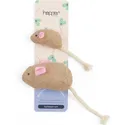
Here are a some of our favorite toys, each catering to a variety of senses and play preferences. Which one will your feline fancy?
| Image | Product | Details | |
|---|---|---|---|
|
Hepper Catnip Mice Toy Set |
|
Check Price |

|
Hepper Furball Set |
|
Check Price |
At Catster, we've admired Hepper for many years, and decided to take a controlling ownership interest so that we could benefit from the outstanding designs of this cool cat company!
4. Mature Cats (7 to 10 years)
It's hard for some cat owners to come to terms with the fact that they're considered "mature" when they reach age 7. But just because they're mature doesn't mean you need to make huge adjustments to your play sessions. They're still agile enough to play, though you may notice them slowing down a bit at this age.
Like their adult counterparts, sedentary mature cats are prone to put on excess weight, so this is not the time to stop play sessions entirely. Catnip is a great tool for encouraging even the laziest mature kitty into playing. Puzzle feeders are also a good way to challenge their minds and body while ensuring that they slow down during meal times.
Mature cats sometimes need more motivation to play, so you may want to invest in some new toys to keep them interested in being active. You know your cat best, so make sure you're using toys that cater to their likes. For example, if your kitty liked playing with springs when they were younger, you might consider a similar toy with unpredictable patterns, like an electronic mouse.

5. Seniors (11 to 14 years)
Senior cats can sometimes have a "been there, done that" mentality and often prefer a sense of quiet and calm to their routine. They may spend a good portion of their day sleeping, but that doesn't mean they won't want to play if given a chance. You will need to adapt the style of play to their aging bodies, however. For example, if they're still interested in playing with wand toys, use the toy on the floor and not in the air so they don't have to jump. Cats in this life stage may have sore joints or arthritis, so it's best to keep them grounded if possible.
Seniors may need a little encouragement via catnip to reignite their energy and playful fire. Although they may be aging, that doesn't mean that their minds are. Puzzle food toys are still great to include in your senior cat's life to encourage mental and physical stimulation.
You don't need to buy fancy new electronic toys for your senior kitty. At this point in their lives, you probably know better than anyone how often cats will choose a good box or paper bag over a $50 toy you found in an online shop. There's no need to reinvent the wheel now; opt for your kitty's usual go-to toys or games to keep them happy and exercised.
6. Senior Cats (15 years+)
While it was once uncommon to see cats living 15+ years, more and more cats are living well into their senior years now than ever before. However, at this life stage, they're more than likely suffering from some degree of joint pain, so their activity levels will diminish further. They may sleep more and show less interest in the world around them. They may not be able to see or hear as well as they used to, so they may not even show up at meal times without your persuasion.
Taking all of this into account, you shouldn't be surprised if your kitty shows low to zero interest in playtime. They probably won't initiate play at all, but that doesn't mean you shouldn't at least try to be the spark that lights their fire. Regular play can promote muscle tone, increase blood circulation, and be a huge mood booster, so it's worth trying.
Use soft and gentle toys and play at their speed. They probably won't be darting across the room to chase a ball like they did in their younger years, but they may show interest in small movements close to their paws. Try using a wand toy but keep them close by so your cat can play if they choose to without getting up. Again, catnip toys may be worth considering if your kitty has a good track record with them.
Final Thoughts
Play is an absolute non-negotiable for cats. They need it to maintain a healthy weight, banish boredom, and stay stimulated and enriched. The type and duration of play your kitty needs will depend on their life stage and health status. Much like humans, younger cats seem to have an infinite source of energy and will require many opportunities for play throughout their day, while their senior counterparts will spend more time sleeping and only play if the opportunity presents itself conveniently nearby.
Featured Image Credit: Kmpzzz, Shutterstock
Expert cat care, straight to your inbox
News, insights, and useful advice, delivered to you.

No spam — unsubscribe anytime.
By signing up, you agree to our Terms & Conditions and Privacy & Cookies Policy.
How useful was this post?
Click a star to rate. You can leave written feedback afterwards. (We read all feedback.)
For Chantelle, writing and animals are the two driving forces in her life. Growing up on the Canadian prairies surrounded by pets, she now shares her home with five cats, two guinea pigs, and a bearded dragon. Chantelle, her husband, and their child pride themselves on being dedicated pet parent, even spending a fortune on wall-mounted cat shelves to provide their cats with an indoor jungle gym. When she's not snuggling with her cats or photographing their humorous moments, Chantelle is exploring the Rocky Mountains, rewatching her favorite Netflix series, and reading up on various random subjects.