When Are a Cat’s Teenage Years? Vet-Reviewed Facts & Useful Tips


In this article
Just like humans, cats go through a stage that tends to correlate with “teenage” behavior. Some of it is cute and funny, and some of it is irritating and frustrating. Fortunately, the cat teenage years are not all bad, and they don’t last forever, usually from 6 months to 2–3 years of age. Here’s the lowdown on when the teenage years take place and how to handle that time as your kitty transitions into a more mature adult.

When Do a Cat's "Teenage Years" Stage Start?
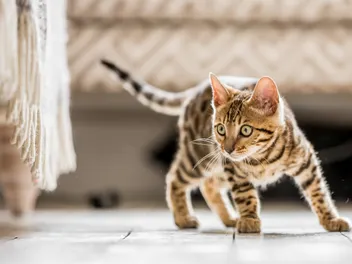
The average cat enters their “teenage” years at about 6 months of age, which is when they start to fill out and fill in. This time in a cat’s life is typically referred to as adolescence by professionals. This stage of life can last until a cat is anywhere from 2 to 3 years old. Some cats take longer than others to mature into adulthood.
During this time, your cat is likely to be highly active, curious, and even a bit challenging, as they learn more about the world around them. Most cats also physically grow quickly during this stage. That said, most of the changes during the teenage years are in the brain. Cats are cognitively growing and adapting to how they perceive and process things in their environment as they make their way into adulthood.
Specifically, a cat’s limbic system, which is responsible for things like instant gratification, is developing during adolescence. This leads some felines to engage in curiosity and fun without really worrying about the consequences. In essence, they challenge the world and their companions to see what they can get away with. This is when your cat will test your will and may start needing different types of mental stimulation and physical exercise. They will also likely change their territorial behaviors.


What to Expect During Your Cat’s "Teenage Years" Stage
There are a few different things that you can expect to change when your kitty reaches their teenage years, one of which is physical growth. You’ll notice that your kitty starts to fill out a little and develop a more mature physique. Most of the other changes are behavioral. Here’s what to expect.
“Naughty” Behavior
Adolescent cats tend to become incredibly curious. They want to learn more about the world around them, which can get them into trouble. They might try climbing up a bookshelf or digging the dirt out of the pot of a houseplant. They may decide that a slipper would make a great chew toy. They might even scratch up the furniture and carpet.
Adolescent cats also tend to have more confidence and become demanding. They might try to test boundaries by ignoring you and behaving in ways that they know that you don’t approve of. They could even decide that it’s a good idea to wake you up in the middle of the night for fun or attention.

Household Shenanigans
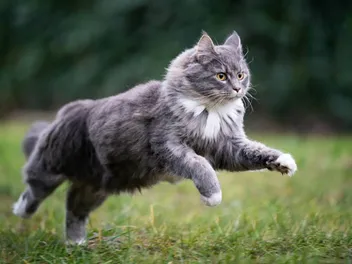
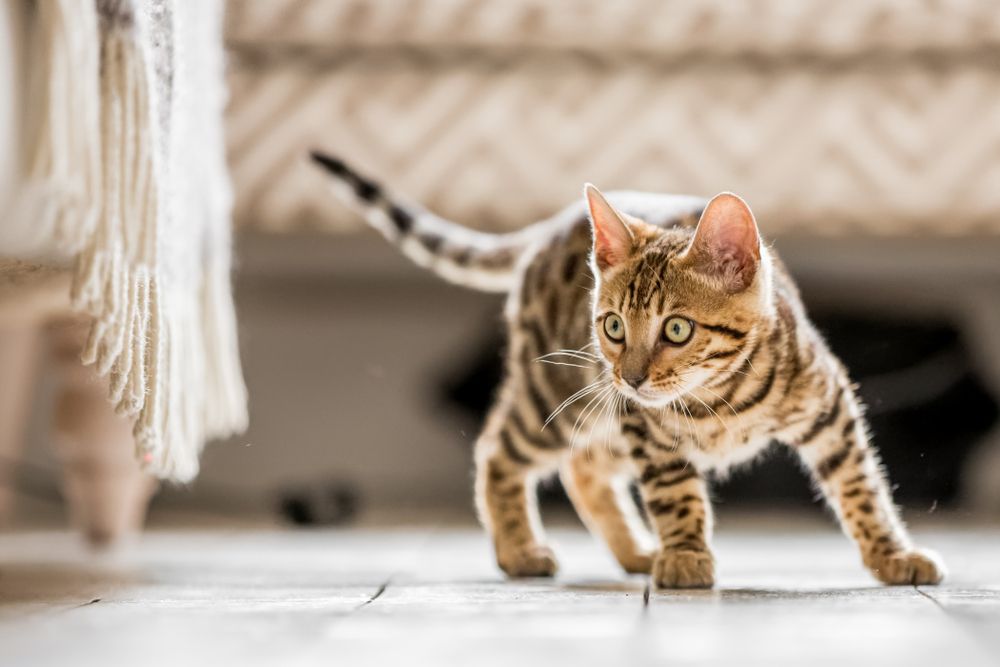
Cats are known for being extra energetic during their teenage years. Therefore, your household will likely be the setting for plenty of shenanigans. Your cat might meow more often as their excitement builds during playtime, and they could get quite aggressive while playing. Food might get knocked over as your cat playfully runs across the kitchen counter. The shenanigans are all in good fun, but they can still be annoying sometimes.
More Independence
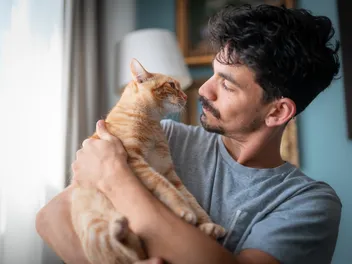
The whole point of adolescence is to gain wisdom and independence that will aid in being successful as an adult. Therefore, you should not be surprised if your teenage cat doesn’t seem to want to cuddle or play with you quite as much as they did when they were kittens. All cats like attention, no matter their age, but then cats can be noticeably less bothered with personal interaction because they are too busy exploring and playing.
A High Prey Drive
Teen cats tend to discover their talent for hunting during this time, so everything seems to become prey to them. They are known for darting toward bare ankles when their human companions walk by, attacking shoelaces being flaunted in front of them, or even destroying the toilet paper roll. They will also bring you a dead rodent if they happen to find one lurking about. It’s all about satisfying the instinct and urge to hunt.

How to Successfully Deal With Your Cat’s "Teenage Years" Stage
Luckily, there are several things that you can do to deal with your cat’s adolescence and keep things under control at home. Let’s take a look at a few strategies that you can implement.

Make Spaying/Neutering a Priority
Most cats reach sexual maturity during adolescence, which can lead to big behavioral changes that are directly linked to hormones and the need to mate. (Do note, however, that they can still mate and have kittens prior to reaching sexual maturity!) If your cat is not spayed or neutered, they may display behaviors like spraying to mark their territory and demanding extra attention due to being in heat. Cats that have not been spayed also tend to get extremely vocal when in heat.
You will already be dealing with enough behavioral changes during the teenage phase, and you don’t need the added stress of a kitty that hasn’t been neutered or spayed. The ASPCA maintains a database of programs and facilities that offer free and low-cost spay-and-neuter programs throughout the United States.
Increase Access to Scratching Posts and Toys
Your cat’s claws will get stronger and thicker during adolescence, and those claws can be destructive to your home’s furnishings. Cats have a natural instinct to scratch their claws for a few reasons. First, scratching helps remove the old, dead layers of the claws to keep them strong and healthy. Second, scratching enables them to mark their territory by leaving behind both a scratch mark and their scent.
Finally, claw scratching helps keep a cat’s joints and muscles healthy as time goes on.
Combined with the extra friskiness and playfulness of a cat’s adolescence, things can get wild indoors! A great way to help keep your furniture in good shape and provide your cat with an outlet for exercise, fun, and scratching is to make sure plenty of scratching posts and toys are available throughout the house.
If possible, place a scratching post in each room of the home where your cat spends time. Choose various posts with different designs for extra stimulation and to prevent boredom. Better, find out what type of scratching post your cat prefers and pick these, specifically. You should also make several toys available at any given time, occasionally swapping them out for others.
Looking for toys that will cater to the many needs of your cat? The Hepper Hi-lo Cat Scratcher is one of our favorite cat products, and it will encourage your cat to get active. Its clever three-angle design offers multiple ways for your cat to climb, stretch, and exercise. Made of a sturdy plywood base and a replacement cardboard insert, this scratcher is an option that cats can enjoy for years to come. If your cat requires a little encouragement for self-play, the Hepper Catnip Mice Toy Set is a fantastic choice for their instinctual needs. Made with natural, bite-resistant hessian fabric and filled with organic catnip. Cats can satisfy their natural prey instincts while getting the physical activity they need to thrive.
| Image | Product | Details | |
|---|---|---|---|

|
Hepper Hi-Lo Cat Scratcher |
|
Check Price |

|
Hepper Catnip Mice Toy Set |
|
Check Price |
At Catster, we've admired Hepper for many years, and decided to take a controlling ownership interest so that we could benefit from the outstanding designs of this cool cat company!
Spend Extra Time Playing With Them
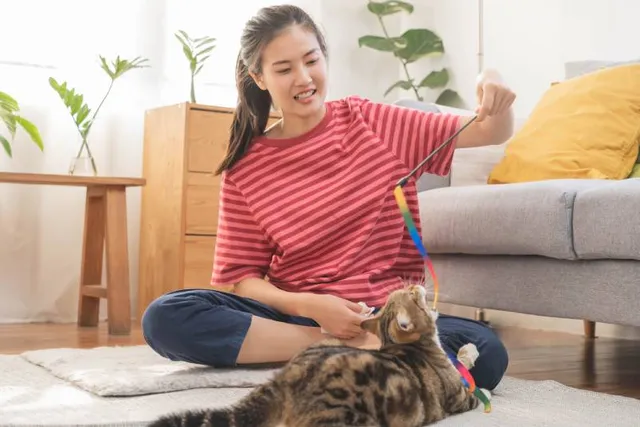
You can help get out your cat’s extra energy and give them an outlet for their prey drive by spending a few extra minutes playing with them. This will help ensure that you keep the bond that you created with them when they were a kitten as they make their way through adolescence. You can play with puzzle toys together, interact with a plush rat, or use a glove toy to mimic live prey for your kitty to attack.
Be Consistent
You must be consistent when it comes to correcting bad behaviors. A great way to do so is to redirect your cat’s attention to an activity or toy that they are allowed to play with whenever they’re scratching furniture or displaying other unwanted behaviors. Whatever techniques that you prefer to use to manage your adolescent cat’s behavior, they must be applied consistently, or they won't work. Ignoring the problems, even only on occasion, can fail to manage unwanted behavior overall.


In Conclusion
Now that you know when your cat will go through adolescence, you can prepare for the phase and properly manage it so every person and animal in the household can coexist in peace and happiness. If you have any questions or concerns, don’t hesitate to consult with your veterinarian for professional guidance and advice.
Sources
Featured Image Credit: Ian McGlasham, Shutterstock
Expert cat care, straight to your inbox
News, insights, and useful advice, delivered to you.

No spam — unsubscribe anytime.
By signing up, you agree to our Terms & Conditions and Privacy & Cookies Policy.
How useful was this post?
Click a star to rate. You can leave written feedback afterwards. (We read all feedback.)
Rachael has been a freelance writer since 2000, in which time she has had an opportunity to research and write about many different topics while working to master the art of fusing high-quality content with effective content marketing strategies. She is an artist at heart and loves to read, paint, and make jewelry in her spare time. As a vegan, Rachael is obsessed with helping animals in need both in her community and anywhere in the world where she feels she can make a difference. Animals also happen to be her favorite topic to write about! She lives off the grid in Hawaii with her husband, her garden, and her rescue animals including 5 dogs, a cat, a goat, and dozens of chickens.