Why Does My Cat Keep Meowing? 7 Reasons Why They Won't Stop


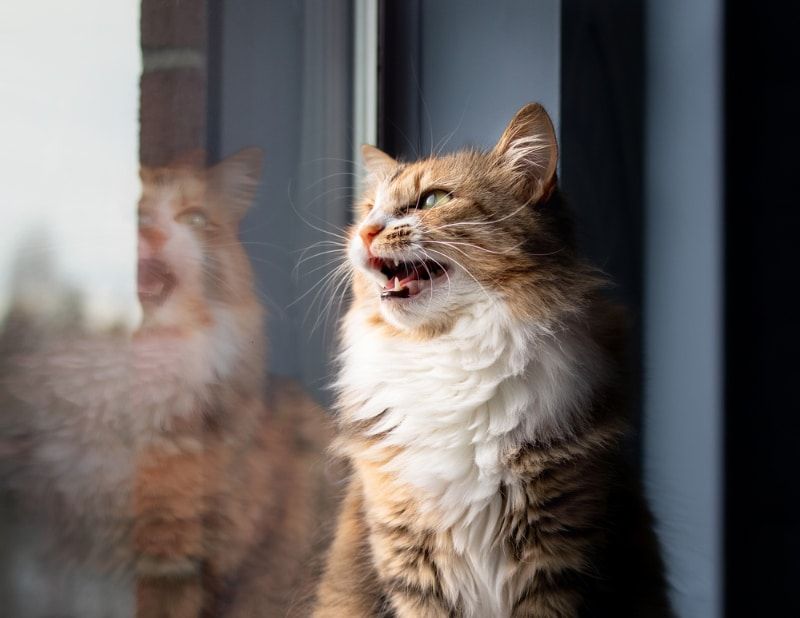
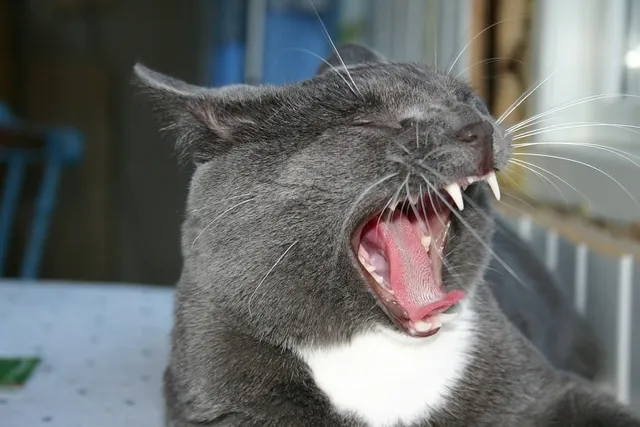
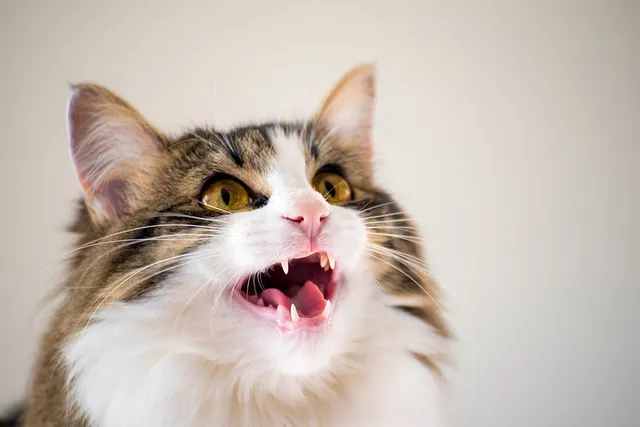
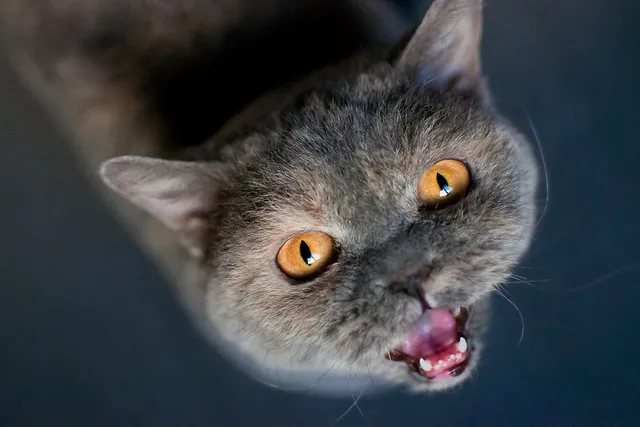
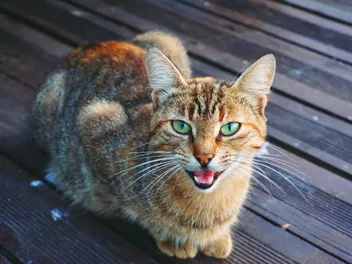
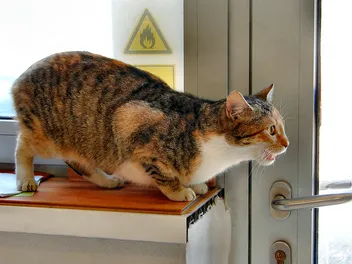
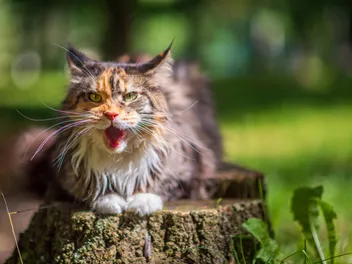
Meowing is one of your cat's main sources of communication with you. Most meows are harmless and hearing them is a normal part of your day. But if your cat is meowing excessively, you may wonder why. Read on to find seven reasons why your kitty is meowing and how you should respond.

The 7 Reasons Your Cat Is Meowing
1. They Want Something
Cats are pretty intelligent little creatures; most learn from a young age that meowing will get them what they want. And, whether you believe it or not, they've conditioned you to respond to their meows. When they meow at you to ask for food, and you give them food, your furry little overlord has just taught you to give in to their demands. Once this happens, they'll continue to vocalize to get their wishes met, and some may even do it more often.
There are a lot of reasons your kitty may be seeking attention from you, including:
- Hunger
- An empty or dirty water bowl
- A dirty litter box
- Boredom
- Loneliness
2. They're Sick
Many diseases or health conditions can cause cats discomfort, pain, or other abnormal things that can lead to excessive meowing. Cats in pain can be very restless and meow as a result of not knowing what to do to relieve themselves of said pain. Those with urinary issues may meow excessively in or around their litter box if they're uncomfortable or in pain while doing their business. Some cats with kidney disease will be more restless and vocal, especially on particularly bad days.
3. They're Experiencing Cognitive Decline
Cat dementia is a very real and heartbreaking condition that may be behind your pet's excessive vocalization. Other common behavioral signs of feline dementia include disorientation, changes in interactions, changes in the sleep-wake cycle or activity levels, or having accidents. You may notice your kitty is more confused, anxious, restless, or irritable than usual. They may not play as much or be unable to follow familiar routines.
4. They're Stressed or Afraid
It's common for cats that feel stressed or frightened to vocalize these feelings. Think of the last time you took your kitty to the vet. Were they quiet the entire drive to the clinic, or did they meow nonstop?

5. They're a Specific Breed
Some cat breeds are known for their vocalization skills. "Talkative" breeds include Siamese, Bengals, Sphynx, and Tonkinese. Mixed cats that contain any of these vocal breeds in their lineage may have inherited the trait, too.
6. They're in Heat
Female cats in heat can be extremely vocal. Their meows advertise to the nearby male cats that she's looking to find a mate and have kittens. They may also be to alert you that they want desperately to go outside.

7. They Want to Play
Young cats, and those that are young at heart, will often bring a toy to their favorite humans along with a happy meow to let them know that they wish to play with them or that they’re just happy to see you.
What Should I Do About My Cat's Meowing?
Your approach to your kitty's excessive vocalization will depend on the root cause of the meowing.
Meet Needs and Provide Enrichment
If they're begging for attention, you'll need to determine what exactly it is they want from you. Food? A clean litter box? Playtime? You might consider leaving out a food puzzle for your pet to use at their convenience. These toys will satisfy not only their hunger but also their boredom. Ensuring you’re offering appropriate enrichment can go a long way in preventing attention-seeking meowing, so provide your kitty with plenty of toys and energy-burning activities like cat trees and scratching posts.

Go to the Vet
If signs of illness accompany their meowing, make an appointment with your veterinarian right away. This is especially important if your cat's meowing has changed in its tone or frequency or if you notice signs like weight loss, not eating, or other issues.
Give Them Time to Acclimate to New Things
If it is fear or stress causing your cat to meow excessively, think about things through your pet's eyes. Is there something new in your pet's space that's causing them to feel stress or fear? Have you welcomed another human or animal into your home? Did you change your routine? Do you have visitors? Have you rearranged the house or bought new furniture? Your pet may need some comforting and time to adjust to things new to their environment.
Get Her Spayed
If your female cat is in heat, you might consider having her spayed. Not only will spaying her eliminate those signs of being in heat, but it'll also make her less likely to develop some types of cancer.

Never Punish
Punishment is not a great way to teach your cat proper behaviors. Hitting them, yelling at them, or spraying them with water will rarely ever work to correct behaviors in the long run. Instead, these actions may ruin the bond you’ve built with your kitty and may even make them dislike you entirely. Additionally, punishment can actually work against you as it can cause your kitty to become stressed and may exacerbate the behaviors you’re trying to stop. Instead, ignore the negative behavior and reward the positive ones.
Ignore
If you’ve tried all of the above and your kitty is still vocalizing excessively, try ignoring them. Do not give in to the meowing if you know your cat's needs are all being met and that they’re not sick. If your kitty is used to getting what they want from meowing, they’ll keep doing it until you cave. Instead, reward quiet behavior and ignore their vocalizations until they get the point. It may get worse before it gets better, but stick to your guns.
Final Thoughts
It's important to remember that when a cat's meowing, they're trying to communicate something with you. Pay close attention to what other behaviors your kitty exhibits to determine what they're trying to tell you. If you're not able to discern the reason behind their meows from context clues, contact your vet to get their expert opinion.
See Also:
Sources
Featured Image Credit: sophiecat, Shutterstock

Expert cat care, straight to your inbox
Vet-reviewed advice, behavior tips, and the best of Catster. Free, and you can unsubscribe anytime.
By signing up, you agree to our Terms & Conditions and Privacy & Cookies Policy.
For Chantelle, writing and animals are the two driving forces in her life. Growing up on the Canadian prairies surrounded by pets, she now shares her home with five cats, two guinea pigs, and a bearded dragon. Chantelle, her husband, and their child pride themselves on being dedicated pet parent, even spending a fortune on wall-mounted cat shelves to provide their cats with an indoor jungle gym. When she's not snuggling with her cats or photographing their humorous moments, Chantelle is exploring the Rocky Mountains, rewatching her favorite Netflix series, and reading up on various random subjects.
Join the conversation
Ask a question, share your story, or send private feedback.