Why Do Cats Like Their Cheeks Scratched? 4 Vet-Approved Reasons & FAQ


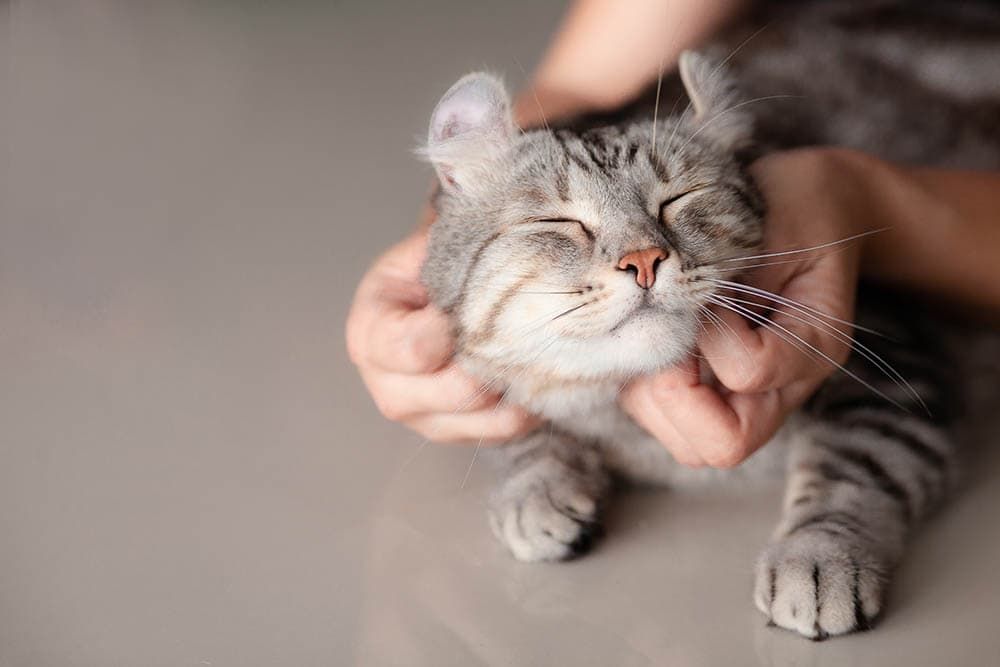
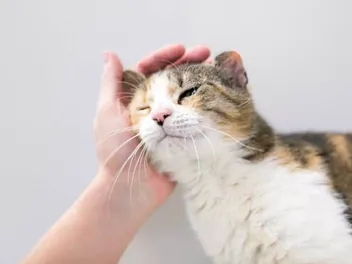
Cats are mysterious creatures, and their behavior can often be puzzling to humans. One curious action is when they rub their cheeks on people and objects. They also love having their cheeks scratched by their owners. Have you ever wondered why? The answer has to do with a cat’s natural instincts. Here are the interesting reasons that cats like their cheeks scratched.

The 4 Reasons Why Cats Like Their Cheeks Scratched
1. Territorial Marking
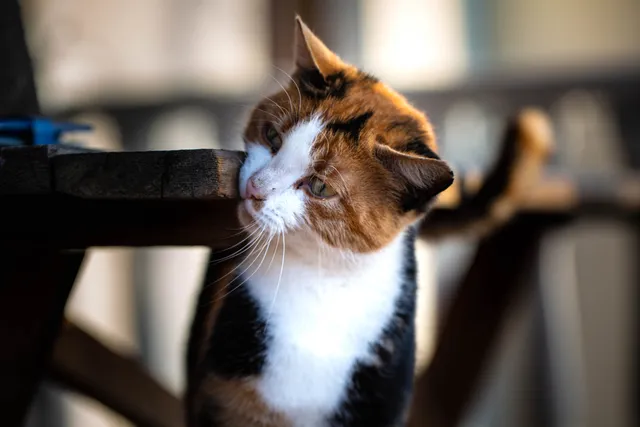
Cats use scent glands in their cheeks to mark their territory. When cats rub up against people or objects, they are marking them with their “scent signature” and claiming it as part of their territory. Cats often do this even if you don’t reciprocate by scratching them back.
2. Comfort and Affection
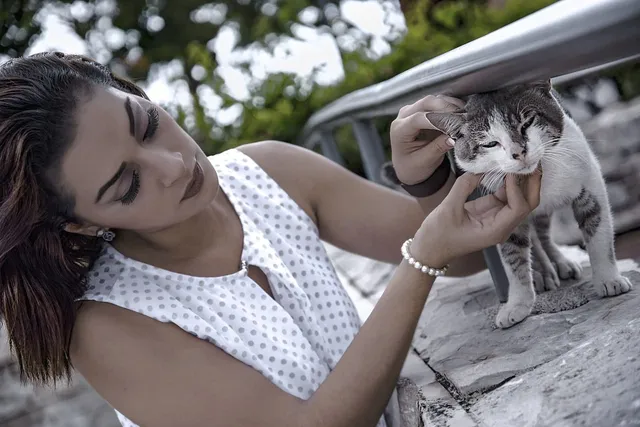
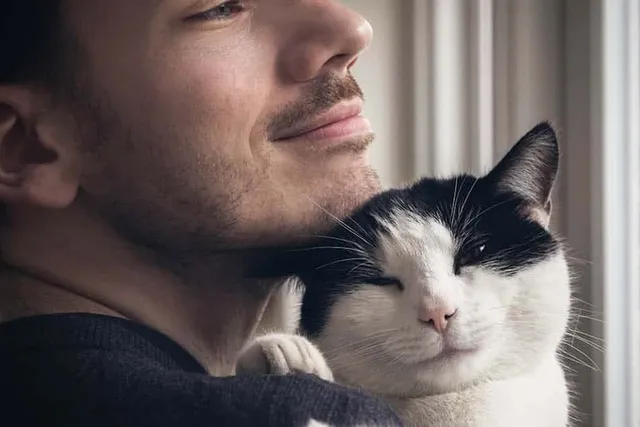
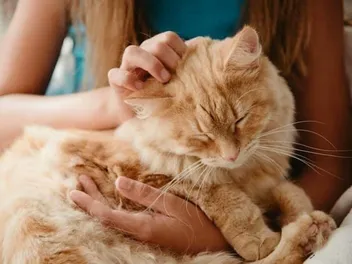
Scratching a cat’s cheeks is something like giving them a hug. The act of being scratched can be incredibly comforting for cats and make them feel secure. Many cats also enjoy receiving cheek scratches from their humans as a sign of affection. It is also a way for cats to show affection back by letting their humans touch them.
Rubbing a cat’s cheeks shows your cat that you care about them and want to bond with them, which encourages trust and strengthens the human-cat relationship. Cheek scratching can also be a form of socialization for cats. It helps them to become accustomed to handling and being touched by humans, as well as other cats. Scratching your cat’s cheeks helps them become familiar with your scent, which makes them feel safe and secure around you. By letting you scratch their cheeks, your cat is also showing you that they trust you.

3. Exploration
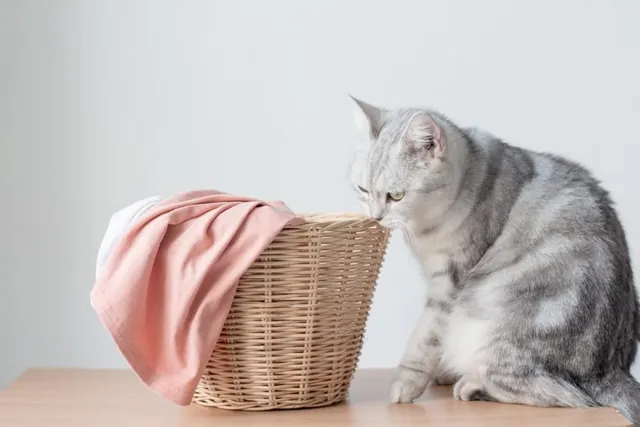
Cheek scratching can also be a form of exploration for cats. Although this doesn’t really come in the form of you scratching their cheeks, cats may rub their cheeks against people or objects as a way to learn more about them.
4. Grooming/Scratching an Itch
We’ve already mentioned that cats have scent glands around their face, which release scents when scratched or stroked. This is one way that cats naturally groom themselves, and why they enjoy it so much! However, some cats that are older, overweight, or have mobility issues may have a hard time scratching their face. So, they may want you to scratch their cheeks for you as a way to groom them or relieve an itch. Similarly, when cats rub their cheeks on objects, it is partly because they are trying to keep themselves clean by wiping off excess oil and dirt.

How to Safely Scratch Your Cat's Cheeks
Scratching your cat’s cheeks may be a pleasurable experience for them, but it’s important to do so safely.
Tips for properly scratching your cat’s cheeks:
FAQ About Cat Cheek Scratching
Is it normal for cats to like cheek scratches?
Yes, it is perfectly normal and natural for cats to enjoy having their cheeks scratched! This is an instinctive behavior that helps them mark their territory, show affection, and relax.

How do I know if my cat likes cheek scratches?
If your cat is purring or has a relaxed posture while being scratched, they are likely enjoying it. If they pull away or seem uncomfortable, chances are they don’t appreciate the sensation of being scratched on the cheeks.
What other signs of affection do cats show?
Cats can also show their affection by nuzzling, head butting, kneading, licking, and even just slow blinking at their humans.
Does scratching my cat’s cheeks help to bond with them?
Yes, cats see cheek scratching as an act of affection and it helps to build trust between you and your cat. They will likely start to associate the sensation of being scratched on their cheeks with feeling comforted and secure.

What is the scent gland in the cheek?
The scent gland in the cheek is a specialized area that cats use to mark their territory. It releases scents when scratched or stroked, which helps them to identify themselves and others.
Are there any toys or devices for my cat to rub their cheeks on?
Yes, there are a variety of toys and devices available that cats can rub their cheeks on. These include scratching pads, cat trees, and even special cheek-rubbing toys!
Is it okay to kiss my cat on the cheek?
Yes, cats generally enjoy being kissed on the cheek as long as it is done gently and with their consent. However, some cats may not be comfortable with this kind of physical contact, so it’s best to gauge their reaction before doing so.
What is the best way to show my cat affection?
The best way to show your cat affection is through gentle physical contact, such as petting, brushing, and cheek scratching. Additionally, speaking softly to them and providing them with toys and treats are also great ways to show your love for your feline friend.

When to See Your Vet
If your cat is scratching their cheeks until the area is irritated or bleeding, then it’s important to consult with your vet for a proper diagnosis and treatment. Your cat could be suffering from dental issues or an ear mite issue. You may also want to talk to your vet if your cat is showing signs of distress or seems to be in pain when you scratched their cheeks.
Conclusion
Cats love receiving cheek scratches from their humans! This behavior is natural for cats and has many benefits, such as marking territory, exploring, and showing affection. So why not take some time to scratch your cat’s cheeks today? They will certainly appreciate it!
Featured Image Credit: Nitiphonphat, Shutterstock
Expert cat care, straight to your inbox
News, insights, and useful advice, delivered to you.

No spam — unsubscribe anytime.
By signing up, you agree to our Terms & Conditions and Privacy & Cookies Policy.
How useful was this post?
Click a star to rate. You can leave written feedback afterwards. (We read all feedback.)
Christian started writing for a local newspaper as a teenager, and he's been involved in the publishing industry for most of his adult life. Combining his love of writing with a passion for animals, he is currently the Director of Editorial at Pangolia and the Editor-in-Chief at Catster.
Christian lives in the Philippines with his wife, son, and four rescue cats: Trixie, Chloe, Sparky, and Chopper.