My Cat Drank Alcohol! Here’s What to Do (Vet Answer)

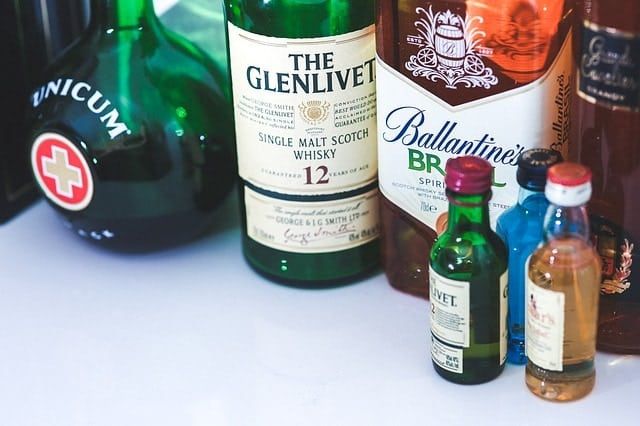
Alcohol has been a common part of human culture and society around the world for thousands of years, and is still found in many forms in most households.
Alcohols are actually a group of chemicals, the most significant and common of which is called ethanol. It is ethanol that gives us the effects of alcoholic drinks, both good and bad! Ethanol can be found in beverages (obviously), but also any fermenting products (breads, grains, starches) and products like rubbing alcohol, disinfectants, mouthwashes, paint, and perfumes. There are even reports of a dog being poisoned by alcohol after eating rotten apples! Alcohol may also be found in sprays, so check the ingredients on the bottle before using sprays on your pet and make sure you follow the manufacturers’ recommendations.
The wide availability of ethanol naturally means it comes into contact with all members of our households, including our pets. Just as alcohol can be dangerous in humans if you drink too much too frequently, alcohol can be a significant risk to our pets. In this article, the potential consequences of alcohol ingestion in cats will be covered in more detail.

What Happens if a Cat Drinks Alcohol?
Alcohol (largely, ethanol) is a depressant of the central nervous system. It slows nerves and muscles down and promotes other slowing chemicals in the brain. It is rapidly absorbed once swallowed (within 30 to 60 minutes) and circulates within the bloodstream, until it is removed by the liver.
Just as in humans, alcohol produces an increasingly severe set of signs as the dose increases. The amount swallowed relative to body weight is crucial. Some signs can be mild, but if a large amount is ingested then alcohol can be lethal to cats. The sooner the problem is identified and professionally managed, the better the outcome for your cat, so seek veterinary advice as soon as possible if you think your cat drank alcohol!
The other two household alcohols you may come across are called methanol and isopropyl alcohol. These are less common, but tend to be found in sprays, disinfectants, solvents, paints, and industrial chemicals. The guidance in this article is for ethanol, but applies equally to these alcohols too. The main difference is that these alcohols tend to be even more toxic than ethanol, and so any exposure must be taken very seriously.

What Do I Do if My Cat Drank Alcohol?
How Can I Tell if My Cat Has Drunk Alcohol? Do Cats Get Drunk?
Alcohol is rapidly absorbed and within 30–60 minutes will produce drunken or wobbly movements (ataxia), lethargy and falling over. This occurs as the central nervous system slows down. Cats might seem disorientated and can start to meow a lot.
Ethanol is very irritating to the guts and can also cause vomiting or diarrhea. As signs progress, cats can develop seizures, stop breathing, and may die from the effects of the alcohol.
All of these signs are very dose-dependent, just as they are in people. Smaller amounts of alcohol will produce milder signs, whereas larger doses produce more severe issues. The signs usually take 12–24 hours to start to resolve, as the ethanol is removed by the liver.

How Much Alcohol Does It Take to Kill a Cat?
There is very limited specific data to answer this question, but the published lethal dose in dogs is about 6 grams per kilo body weight of 100% ethanol. This is the weight of about 7.5 millilitres of 100% ethanol per kilo bodyweight. The toxic dose for cats is likely to be even less than this. To put this dose in context, if your cat drinks 25 ml of 40% vodka (approximately one vodka shot for a person!) then 10 ml of ethanol has been ingested and this would run the risk of being fatal for a cat of average size (2–4 kg).
Methanol and isopropyl alcohol are even more toxic than ethanol, so any ingestion of these products must be taken seriously, and you must contact a veterinarian as soon as possible.

Will My Cat Be Okay if It Drank Alcohol?
The most important thing is to seek professional veterinary help as soon as possible.
In some poisoning cases, veterinarians can give an injection to cause vomiting and bring the toxin back up again before it is absorbed. This is usually not possible with alcohol as the ethanol is absorbed very quickly, and cats are more difficult to achieve reliable vomiting than dogs in any case.
Your veterinarian will need to know roughly what your cat has drunk and when. They will perform a clinical examination and look for any signs. Usually a blood test will be recommended to look at blood chemistry and to check liver and kidney health.
The treatment is largely supportive; cats need hospitalization and intravenous fluid therapy to keep them hydrated and dilute the toxin in the bloodstream. Other supportive therapies to help the blood sugar or the liver and kidneys may also be needed. In severe cases where the heart and brain are badly affected, symptomatic care may be needed for these as well, especially if there are seizures or irregular heart rhythms.
The outlook for cats poisoned by alcohol is very variable. In mild cases with appropriate treatment, most cats will recover well but may have quite a hangover afterward! For more severe poisonings, even with intensive hospitalization, alcohol can be fatal due to the massive effects it can have on multiple body systems. Recovery usually takes between one and three days.
Prevention is key. Keep alcohol-containing products away from your cats and dogs. If you are worried that your cat has drunk alcohol, seek veterinary help as soon as possible.
Conclusion
Alcohols are extremely common in household products but can be toxic in large doses to both us and our pets. If cats drink alcohol, they will show dose-dependent symptoms of drunkenness (just like people!) but these symptoms can rapidly become severe and life-threatening.
Alcohol can kill cats. If you fear your cat has drunk alcohol, it is vital to make contact with your local veterinary practice as soon as possible, to give your cat the best chance of a successful outcome.
See Also:
Featured Image Credit: Karolina Grabowska from Pixabay
Expert cat care, straight to your inbox
News, insights, and useful advice, delivered to you.

No spam — unsubscribe anytime.
By signing up, you agree to our Terms & Conditions and Privacy & Cookies Policy.
How useful was this post?
Click a star to rate. You can leave written feedback afterwards. (We read all feedback.)
Dr. Joanna Woodnutt BVM BVS (Veterinarian)
Joanna is an experienced veterinarian working in the UK. She has written about pets and their health for many blogs, pet magazines and pet websites and loves to help readers understand their pets through her writing.
She has started her own freelance company so she can help more pet parents than just the one standing in front of her in a consultation room.
She enjoys teaching and educating clients, so a career in writing, public education and pet health is the perfect combination for her.