My Cat Ate Rat Poison: Symptoms & What to Do (Vet Answer)

In this article
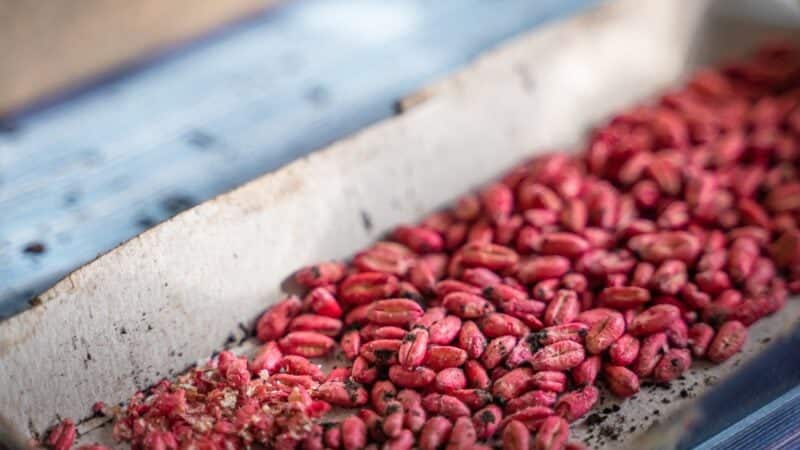
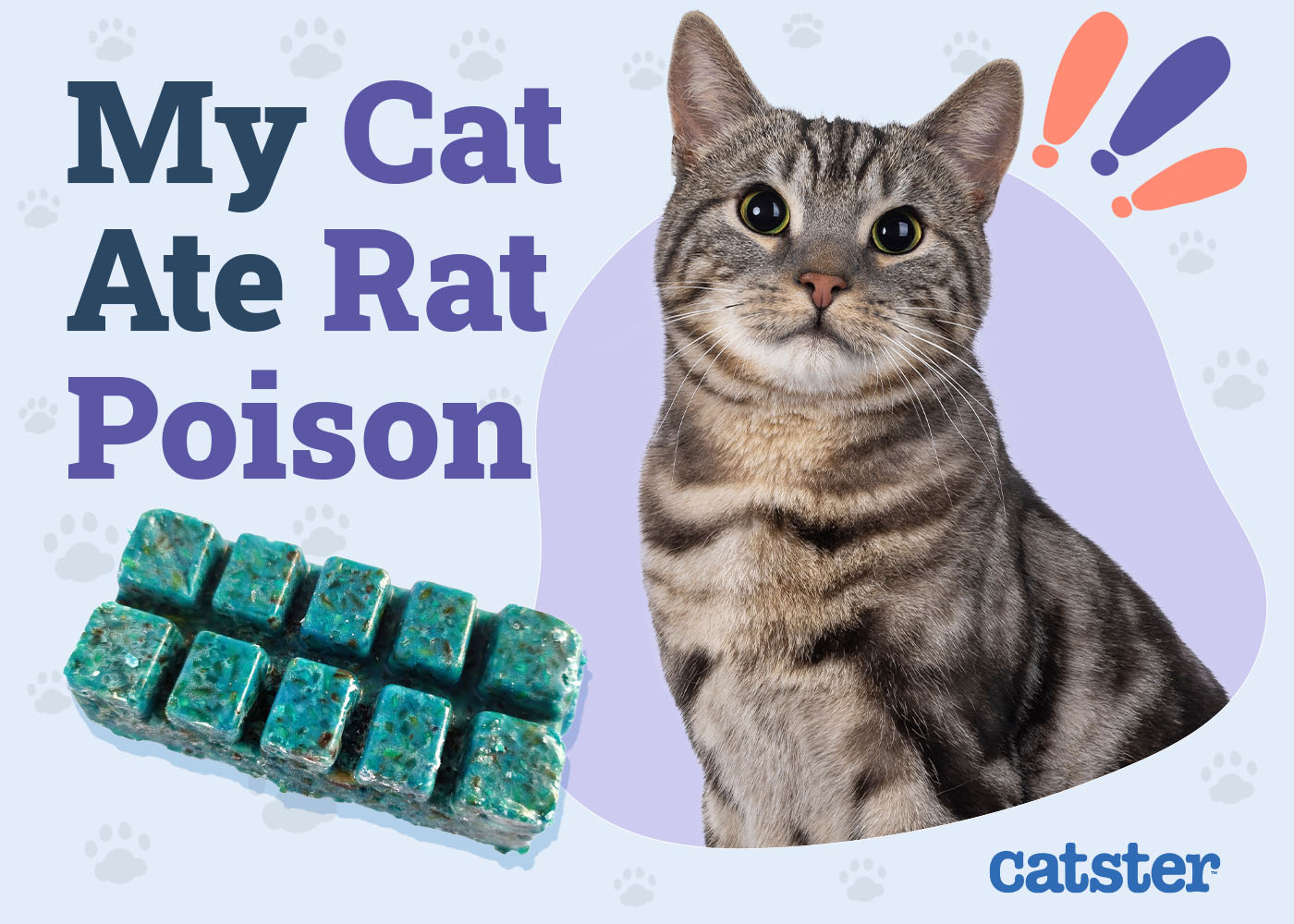
It’s not uncommon for our furry friends to find themselves in trouble after eating something they shouldn’t have. If your cat ate rat poison, they must be seen by a veterinarian. Why? Because rat poison is designed to poison (and kill). Sadly, it not only targets rodents but can also kill other animals, including our precious pets. Your veterinarian can save your kitty, but you’ll need to call them immediately after they’ve eaten rat poison.

How Do Cats Act When They Are Poisoned With Rat Poison?
At first (especially if you just saw them eat it), you won’t notice anything odd, and your cat will act completely normal. Don’t be fooled; rat bait can take time before it poisons animals. Many rat poisons will have different active ingredients. The impact on your cat will depend on the poison they ate.
Anticoagulants (e.g., warfarin, brodifacoum) can take several days to take effect, while others, like bromethalin or strychnine, can make your cat ill within hours. However, it doesn’t matter which poison they ate—as soon as you know they ate poison, you should call the veterinarian. This will increase your kitty’s chance of survival.
What Are the Signs of Rat Poisoning in Cats?
| Anticoagulants | Bromethalin | Cholecalciferol | Zinc Phosphide | Strychnine |
| • Weakness | • Weakness | • Thirst and peeing more (kidney failure) | • Vomiting (possibly with blood) | • Anxiety |
| • Rapid breathing (breathing through their mouth) or cough | • Tremors | • Vomiting (possibly with blood) | • Restlessness | • Stiffness |
| • Pale gums | • Seizures | • Diarrhea or constipation | • Weakness | • Seizures |
| • Red spots on gums | • Wobbliness | • Heart problems | • Breathing problems | • Restlessness |
| • Bruising on skin | • Paralysis | • Lethargy | • Seizures | • Increased reaction to noise, light, or touch |
| • Tummy pain | • Vomiting | • Weakness | ||
| • Tremors | • Coma | |||
| • Cold to touch | ||||
| • Black or dark poop | ||||
| • Nose bleeds | ||||
| • Blood in their pee | ||||
| • Seizures |
What Do I Do if My Cat Ate Rat Poison?
Knowing or suspecting your feline friend has eaten poison is scary, so what should you do?
What Happens if Cats Eat a Poisoned Rat or Rat Poison?
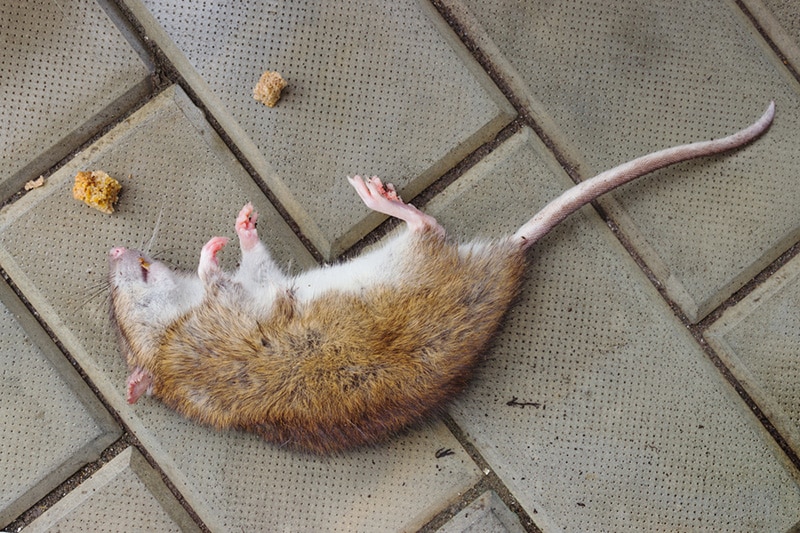
Cats are natural predators, and a weak or poisoned rodent is an easy catch for your furry friend. Unfortunately, our cats can get just as sick and die from eating a poisoned rat as they can from eating poison straight off the ground; it’s called secondary poisoning. No matter how your kitty has been poisoned, they need to see the vet.

Assessment
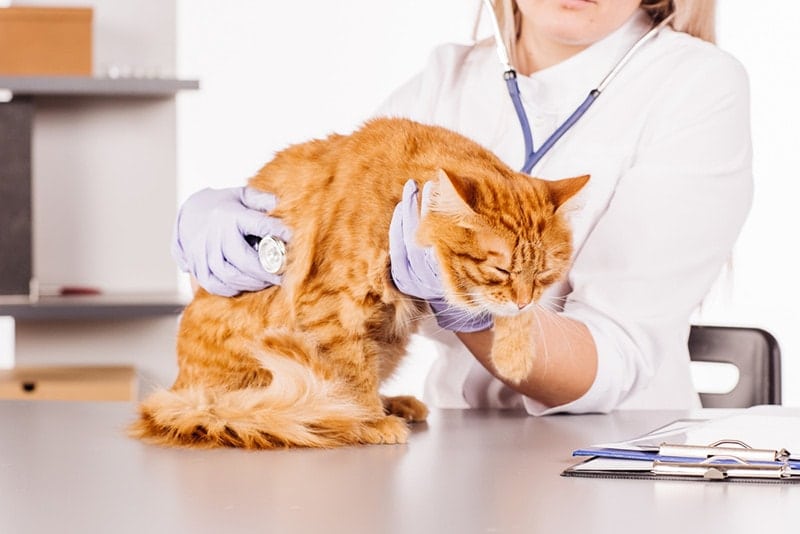
Once at the clinic, your cat will be assessed for signs of poisoning (listed above). Your veterinarian will choose the best treatment based on three main questions:
If your cat is lucky, you caught them eating the bait and got them to the clinic ASAP.
Treatment for Cats Without Symptoms
Cats without signs of poisoning can be treated more easily by:
Most cats that get this treatment will recover well, and often, you can take them home the same day.
Treatment for Cats With Symptoms
It can be more complex to treat cats showing signs of rat bait poisoning. Your cat's treatment will depend on the type of poison they have eaten and what signs they have. They may need to stay at the clinic overnight for their treatment.
You can expect your cat to be on a fluid drip. A blood transfusion might be necessary for anemic cats that have eaten an anticoagulant bait; vitamin K is given as an antidote for these types of poison. It may take several days for your veterinarian to stabilize your cat if they have signs of poisoning.
Will My Cat Be OK if He Ate Rat Poison?
The cats that do best after eating rat poison are treated promptly, display no signs, and have eaten anticoagulants that can be treated with antidotes (vitamin K). With these kitties, there’s a high chance of survival.
Sadly, we can’t say for sure that your precious pet will be OK after eating rat bait, and some cats die. Once cats display signs, the treatment is more challenging. Products that don’t have a specific antidote (i.e., those that are not anticoagulant-based) are more dangerous if eaten. They take effect more rapidly, meaning your cat has less time to get to the veterinary clinic.

Will Rat Poison Kill My Cats?
Rat poison can kill cats, especially if not treated early. Don’t hesitate to get your cat to your veterinarian if you think there is a chance he has eaten rat poison, even if he seems fine.
What Rat Poison Is Safe for Cats?
There isn’t any “safe” rat poison. Poison is intended to harm and can kill all animals. Some poisons, like warfarin and other anticoagulant baits with an antidote, can give your cat a better chance of survival if eaten. For a treatment to be successful, your cat still needs to be seen quickly by a veterinarian.
How Do I Stop My Cat from Eating Rat Poison?
This can sometimes be an impossible task, but here are a few tips to reduce the risks:
Conclusion
Cats that eat rat poison need to be seen by a veterinarian as soon as possible. Your cat can seem fine initially, but some poisons can take several days before they take effect. Your kitty will have the best chance of surviving if you can get them to the veterinary clinic before they show signs of being poisoned.
Related Read:
Featured Image Credit: Taavo Kuusiku, Shutterstock
Expert cat care, straight to your inbox
Vet-reviewed advice, behavior tips, and the best of Catster. Free, and you can unsubscribe anytime.
By signing up, you agree to our Terms & Conditions and Privacy & Cookies Policy.
Dr. Joanna Woodnutt BVM BVS (Veterinarian)
Joanna is an experienced veterinarian working in the UK. She has written about pets and their health for many blogs, pet magazines and pet websites and loves to help readers understand their pets through her writing.
She has started her own freelance company so she can help more pet parents than just the one standing in front of her in a consultation room.
She enjoys teaching and educating clients, so a career in writing, public education and pet health is the perfect combination for her.
Join the conversation
Ask a question, share your story, or send private feedback.