Are Abdominal Fat Pads on Cats Normal? Our Vet Answers

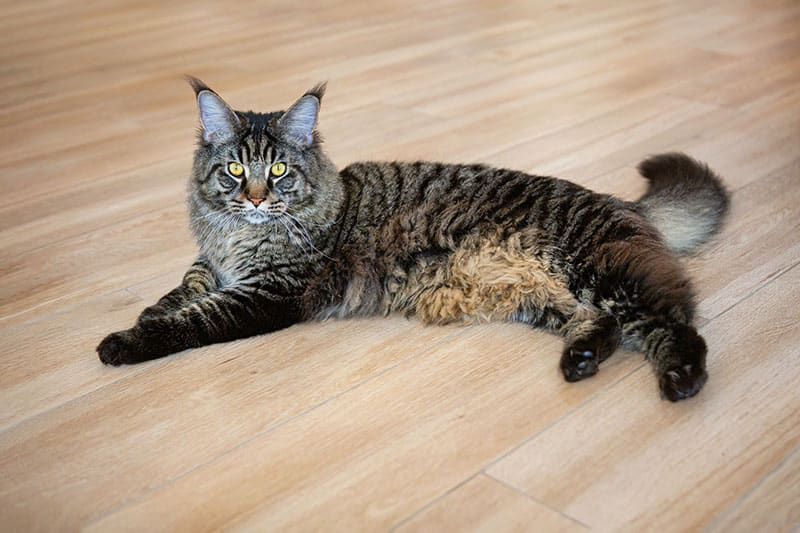
Cats are pretty protective of their bellies. It is one of their softest, most vulnerable spots, so it is little wonder we are often met with a handful of claws if we try to touch or pet them there. If your cat will tolerate being tickled or rubbed on their belly, you may have noticed, with some alarm, that they can have some strange-feeling features down there.
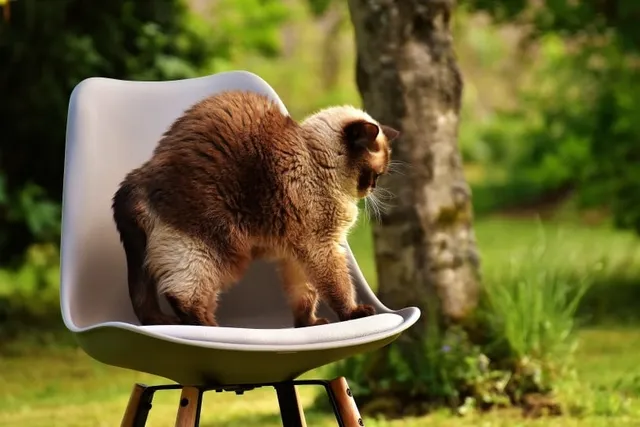
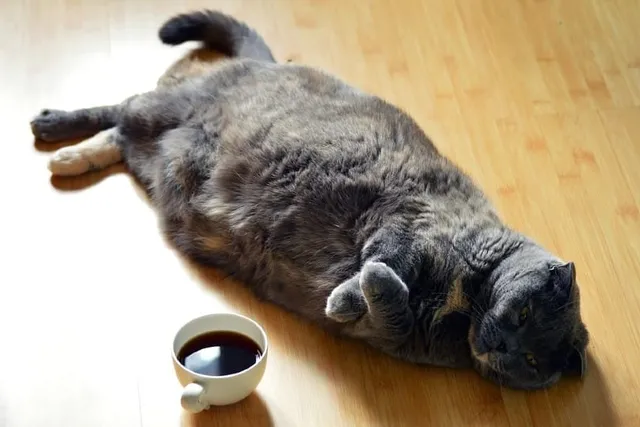
No matter if your cat is on the larger side or not, they can possess something called a primordial pouch. This is also affectionately called a belly flap or cat belly pooch. You may notice it swinging underneath your cat as they run or walk. Abdominal fat pads on cats are nothing to worry about and very common in cats.
If you find your cat is the proud owner of a primordial pouch, you don't need to start them on a diet just yet. Let's discuss exactly what cat belly pooches are and what they mean for our felines.

What Is a Primordial Pouch?
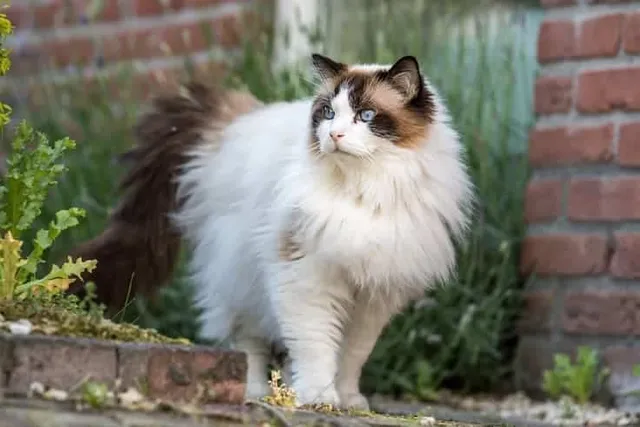
The primordial pouch, or cat belly flap, is a piece of fat that runs under your cat's underside. It is most obvious at the rear of their body, but it can be felt along their stomach. Owners often notice it, as it is not closely attached to the body wall and instead hangs loosely and will often sway from side to side when your cat walks. If your cat is sitting up, it can gather in between their legs in a prominent position.
The primordial pouch can become apparent at around 6 months of age. Lots of owners get their cats castrated or spayed at this time. Often owners will think that the neutering has caused the development of the pouch. In reality, the two things have just happened at similar times and have not affected each other.
As your cat ages, the pouch may start to sag and swing, becoming more obvious. This is a normal aging change that coincides with the rest of the body aging too.

Why Do Some Cats Have a Primordial Pouch?
The exact reason cats have a primordial pouch remains a mystery, although there are a few theories as to why they exist.
Do All Cats Have a Primordial Pouch?
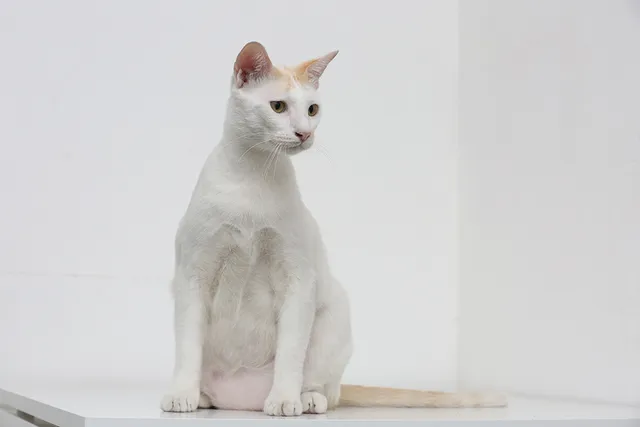
All cats possess a primordial pouch of some description. However, the size varies greatly. Some cats have pronounced pouches, while other cats are barely noticeable. Due to the great variation between cats, lots of owners tend to think their cat is overweight if they can see their cat's pouch. Having a pouch does not mean your cat is overweight. Lots of underweight cats still have a noticeable pouch present.
Some breeds of cats have much more prominent pouches and have tendencies to develop bigger pouches than other breeds of cats. Breeds that are more prone to having a large flap include:
Male cats seem to be more likely to have a larger pouch than females, although a lot of the research supporting this is anecdotal. It is not just domestic cats that have belly flaps; wild cats, such as lions and tigers, also have primordial pouches.

Is My Cat's Primordial Pouch Something I Need to Worry About?
Your cat's primordial pouch is absolutely nothing to worry about. It is a normal part of anatomy. It can cause concerns for owners, as different cats have different sizes of pouches—some are very obvious while others are non-existent. This is all normal variation between individuals and the pouch will not be affected by exercise or weight loss. If you have a slender cat that has a large pouch, there is no need to take any action and put them on a diet.
Primordial pouches are not detrimental to your cat's health in any way. The only circumstance it could cause a problem is if it hangs so low that it is dragged along the floor and becomes sore or infected. This is very rare and only happens in extreme cases.
Is My Cat Fat or Is It a Primordial Pouch?
It is important that owners can determine the difference between normal fat (which, in excess, is an indication of obesity and is detrimental to your cat's health) and a primordial pouch (which can be a perfectly normal part of anatomy).
Owners may observe the swinging pouch when their cat is walking and assume it is a sign their cat needs to shed some pounds. This can be dangerous if the cat is then not fed enough food, as they will become undernourished. They also may be overweight and have a pouch, which can confuse things even more.
The first step is to assess your cat's body condition score.
You can do this by following these steps:
If your cat is too thin, their ribs, spine, and pelvic bones will be visible. Their waist will be narrow and they will have an abdomen with a “tucked up” appearance. They will have little or no fat and not a lot of muscle mass.
If your cat is overweight, you will not be able to feel their ribs or spine under the fat. You won't be able to see their waist, and their abdomen is likely to bulge out. If you are still unsure if your cat is under or overweight, a vet can advise you on their body condition score.
You can also feel the flap if your cat will tolerate it. It will feel like a distinct, long strip of fat as opposed to generalized fat spread all over their body. If you are trying to decide if your cat has a primordial fat pad or is just overweight, you can also watch and observe how the area under their tummy moves when they move. If your cat is overweight, their tummy will be uniformly larger.
If they have a primordial pitch present, they will have a section that hangs lower than the rest of the abdomen and it will move from side to side, as it is not attached to the body wall.
Frequently Asked Questions
Can you get rid of a cat's primordial pouch?
No. Losing or gaining weight will not directly affect the presence and size of your cat's primordial pouch. If your cat is overweight and they lose some weight, this may change the position of the pouch, as it may be held slightly closer to the body. If your cat puts on a few pounds, this may cause their belly to hang lower due to the excess weight.
Do cats like their primordial pouch being rubbed?
Some cats enjoy their stomachs being rubbed or petted; others despise it. This will depend on the individual. Rubbing or petting your cat's stomach can come across as a threat as you are attempting to touch their most vulnerable area, as right underneath lies all their vital organs. Some may tolerate it for a short period and then lash out, but it depends on your individual cat's preferences.
Conclusion
The primordial pouch is simply excess fat and skin that hangs below your cat's tummy. Some cats have larger pouches than others, and some breeds are predisposed to have a more prominent pouch. Cats of all different weights and body condition scores can have a primordial pouch.
It is a completely normal part of their anatomy and absolutely nothing to worry about. If you are unsure if your cat is overweight or if they have a primordial pouch, consult a vet, as they will be able to advise you on whether your cat needs to lose weight or not.
Featured Image Credit: Pickless, Shutterstock

Expert cat care, straight to your inbox
Vet-reviewed advice, behavior tips, and the best of Catster. Free, and you can unsubscribe anytime.
By signing up, you agree to our Terms & Conditions and Privacy & Cookies Policy.
Dr. Emma Chandley, BVM MRCVS (Veterinarian)
Dr. Emma is an experienced vet who is happy to share her expertise and knowledge about cats with readers. Her passion is surgery but she will happily talk about anything animal-related. Dr. Chandley graduated from The Royal Vet College and since then she has worked in general practice in Great Britain. Dr Chandley has completed a postgraduate certificate in Small Animal Surgery and has also gained Advanced Practitioner status in the same discipline. She enjoys developing her skills in animal behavior, nutrition, and clinical pathology as well.
Join the conversation
Ask a question, share your story, or send private feedback.