Robot Cats: Are They the Pets of the Future? Pros, Cons & FAQ

Plenty of people love cats but can’t have one due to allergies or other reasons. So, they go with a different pet or just no pet at all and get on with their lives. But what if these people could get a cat, despite allergies and other things holding them back? Well, now they can!
In 2019, the first robot cat was introduced to the world by Elephant Robotics. Robot cats mean no allergic reactions, no cleaning out the litter box, less cost, and more. But how do robot cats really work, and are they the pets of the future? Let’s take a look!

How Does It Work?
How a robot cat works precisely will depend on what brand of robot cat it is, as some of these pets are more advanced than others. But in general, a robot cat is designed to look and feel as close to a real feline as possible (though there are some that look like robots). They can sense touch, hear and react to sounds, and even recognize their “owners”. Some robot cats are able to play with cat toys or will sit on you and make biscuits. While not entirely life-like, they do come fairly close.
And these robot cats are typically capable of recognizing specific commands, such as “sit” or “come”. Some might react to up to 20 commands, while others will recognize far fewer. Plus, robot cats can respond to what’s going on around them with meows and other vocalizations. And with some robot cats, you can even affect their personality by how you interact with them.
Robot cats designed to be life-like come in a variety of colors (not many, just a few) and have different personalities you can choose for them, such as lazy, friendly, or highly energetic.

What Are the Different Types of Robot Cats?
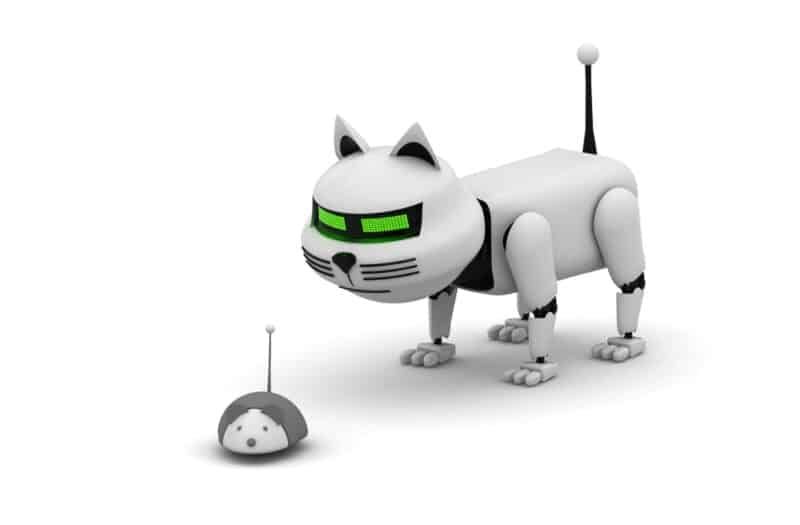
While several different brands make robot cats, these pets can mostly be broken down into the ones that are realistic and the ones that look like robots. A good majority of robot cats come with fur and various colors, but there are a few that are sleek and machine-like. But there are some other ways to distinguish between robot cats.
Other than the realism factor, you’ll find that robot cats have different interactive features by brand. The more realistic ones will react to touch, sight, and sound. The less advanced ones may only respond to sound or touch.
Robot cats are often marketed towards children (after all, what a great first pet these would make!), but some robot cats are geared more towards seniors, and others are marketed for everyone. No matter who they're marketed to, there shouldn’t be considerable differences in the robot cats, but you may find slight ones.
Another difference when it comes to robot cats is how these guys are charged. It might not be your first thought upon seeing these cute robots, but they do have to be charged somehow to work. Some robot kitties come with USB ports, while others may need lithium-ion batteries. And some may come with both options.
Where Are They Used?
You’ll find robot cats being used in many places. Of course, they are most often used in homes in place of live felines for people who are allergic to real cats or don’t want to deal with the cost of one, etc. But these guys can be found elsewhere, too.
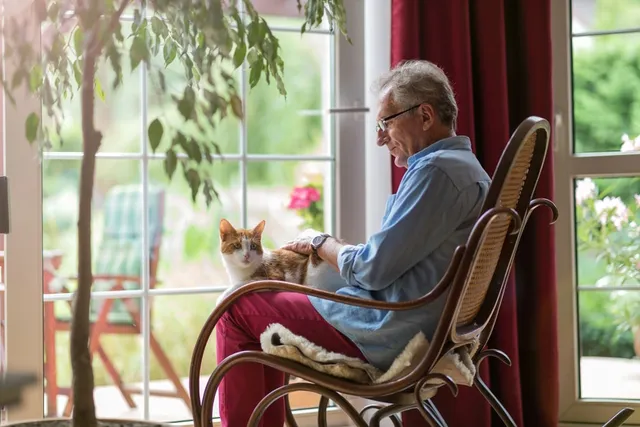
The other place you’ll most often see robot cats and pets is when they are being used as therapy animals for children and seniors. Robot cats have been found to be an exceptional therapy technique for older people, especially those who live with dementia. Giving robot cats to these people helps reduce anxiety, loneliness, and depression—all without having to deal with the costs and clean-up that come with having a live feline. In fact, a 2016 study on dementia patients given robot pets found that those with the pets (versus those in the control group) had decreased stress, lowered pulse, reduced anxiety and depression, and even needed medications less often!
When it comes to children and robot pets, one study found that children with autism who interacted with a robot dog engaged in more authentic interactions and experienced more verbosity.

Advantages of Robot Cats
Getting a robot cat means getting several advantages of pet ownership (without many of the disadvantages).
Just a few of these include:
Disadvantages of Robot Cats
However, along with the advantages a robot cat may bring, they also bring a few disadvantages.
These include:
Many of the disadvantages of a robot cat come from the fact that it’s a machine. You’ll need to decide if you will be able to form a social bond with a robot to truly take advantage of having a robot cat.

Frequently Asked Questions (FAQs)
Many people have questions about robot cats; here are just a few of them.
1. Are robot cats environmentally friendly?
While not all materials used to make robot cats may be eco-friendly, on the whole, robot cats are a more environmentally friendly option than a live cat. This is because live animals have a surprisingly sizable carbon footprint (primarily due to their consumption of meat).
2. How do you clean a robot cat?
How a robot cat is cleaned will depend on whether it has fur (furless ones are easy to wipe down with a cloth). Those cats that come with fur will need to be either sprayed down with a toy cleaner of some kind, then wiped with a cloth, or simply wiped down with hand wipes. Once that’s done, you’ll need to brush the cat’s fur out.
3. How expensive are robot cats?
Prices vary widely on robot cats, depending on the brand and type you go with. You’ll generally find that prices range from $25–$125, though.
Conclusion
It’s difficult to say whether robot cats are the pets of the future. While they certainly have their advantages, such as not causing allergies in humans and therapeutic uses, there are still many questions about them—especially about whether the use of AI is ethical and if befriending a machine will result in a lack of social and emotional bonding between people.
But these pets are undoubtedly interesting and can be helpful for many. If you live somewhere where real pets aren’t allowed or have major allergies to actual cats, a robot cat could be the answer!
Featured Image Credit: LIORIKI, Shutterstock

Expert cat care, straight to your inbox
Vet-reviewed advice, behavior tips, and the best of Catster. Free, and you can unsubscribe anytime.
By signing up, you agree to our Terms & Conditions and Privacy & Cookies Policy.
Misty Layne lives out in the woods in small-town Alabama with her two Siamese cats —Serafina and Jasper. She also has an array of stray cats, raccoons, and opossums who like to call her front porch home. When she’s not writing about animals, you’ll find her writing poetry, stories, and film reviews (cats, by far, her favorite writing topic, though!). In her free time, Misty enjoys chilling with her cats, playing piano, watching indie and foreign films, photographing abandoned places, and catching up on her never-ending TBR list.
Join the conversation
Ask a question, share your story, or send private feedback.