Ask Dr. Paola – Hyperthyroidism from EMF's, Senior Cats & Starvation (July 21, 2025)
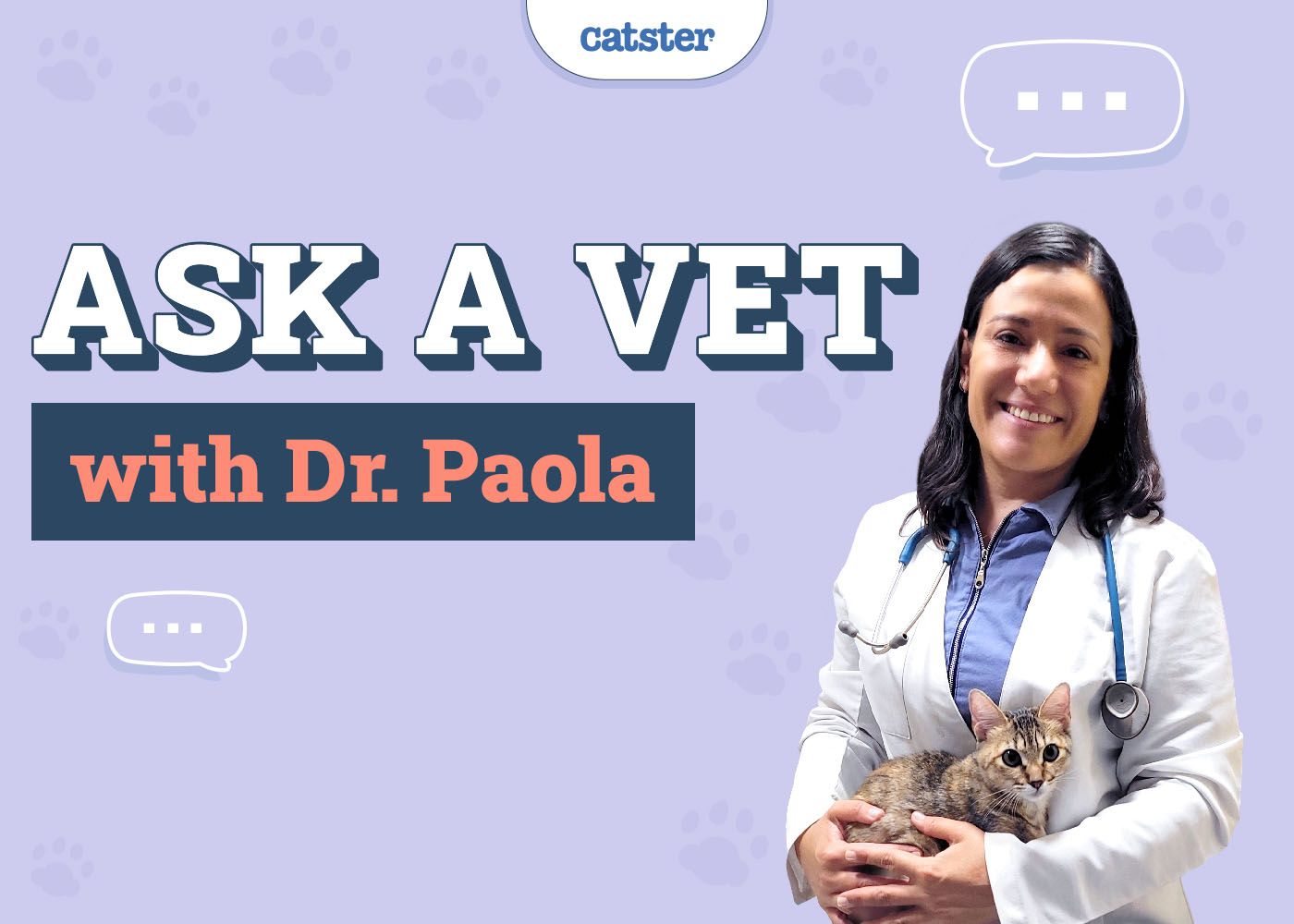
Welcome to our "Ask Dr. Paola" series, where every Monday we bring expert advice straight from Dr. Paola Cuevas (MVZ) to help our readers better understand their cat's health and well-being.
Whether you're a new pet parent or a seasoned cat lover, Dr. Paola is here to provide answers to your most pressing questions. From nutrition tips and preventive care to troubleshooting common behavioral issues, Dr. Paola is ready to offer insights that will keep your kitty happy, healthy, and feline fine. Stay tuned for expert guidance on a range of topics that matter most to you and your cat, so you can make informed decisions and provide the best possible care for your furry companion.
Have a question? Send it in here!

Help! Is Anyone Researching the Explosion of Hyperthyroidism in Cats?
“Dear Dr. Paola,
Is anyone researching the explosion of hyperthyroidism in cats? Do feral cats get this? Or is this a modern indoor cat phenomenon that can be attributed to environmental or dietary factors, or excessive X-rays or EMF? "- Bonnie
Hi Bonnie,
Your question touches on a crucial and still-evolving area in feline medicine. Feline hyperthyroidism, first recognized in the late 1970s, has indeed become one of the most common endocrine disorders in aging cats. The increase in cases over the past few decades has prompted extensive research, and while no single cause has been identified, current evidence points to a multifactorial origin, largely affecting companion cats rather than feral populations.
Feral cats rarely live into the age range where hyperthyroidism typically develops, which is usually over 10 years. This means they may not survive long enough for the disease to become clinically apparent, making it difficult to directly compare incidence rates. However, the condition is predominantly observed in well-cared-for indoor cats, which supports the theory that environmental and dietary exposures may play a significant role. Several studies have identified possible contributing factors, including chronic exposure to flame retardants like PBDEs (polybrominated diphenyl ethers) commonly found in household dust and furniture, as well as the long-term use of canned foods, particularly those containing fish-based ingredients or stored in pop-top cans with bisphenol A (BPA) linings.
There is currently no strong evidence linking hyperthyroidism in cats to electromagnetic fields (EMFs) or diagnostic X-rays. While those concerns often arise in public discussions, peer-reviewed literature does not support them as causes. The more likely theory is a combination of cumulative low-dose exposure to thyroid-disrupting chemicals and age-related changes in thyroid tissue. Continued research, especially in environmental toxicology and nutritional epidemiology, is helping us refine our understanding. \For cat pet parents concerned about prevention, feeding a fresh, balanced, and iodine-controlled diet, limiting fish-based foods, and maintaining a clean home environment may offer some protective benefit. These are practical, science-aligned steps that may support thyroid health in aging cats, though we’ll have to wait for further studies to offer more definitive guidance.
Best, Dr. Paola

I Need Help for My Senior Cats Diet!
"Dear Dr. Paola
What would you recommend that I feed my wonderful 16-year-old male cat (part Maine Coon, part whatever), Shaka-Zulu? He continues to be in good health: climbs the stairs, jumps on furniture, etc., without difficulty, and is very affectionate and intelligent. He also communicates effectively with his humans.
I'd like to feed him the healthiest senior cat food available!" - Priscilla
Dear Priscilla,
Shaka-Zulu sounds like a truly special cat, and it's heartwarming to hear that he’s thriving at 16. Supporting his continued well-being through diet is a wise and loving choice, especially as nutritional needs can shift subtly with age, even in cats who appear outwardly healthy.
One important clarification is that the Association of American Feed Control Officials (AAFCO) does not currently recognize a specific “senior” life stage for cats. Pet foods are formulated to meet either “adult maintenance” or “all life stages,” but there are no official nutrient profiles tailored to senior cats. This means that products marketed as “senior” vary widely in formulation, and the term itself is not regulated. Some of these diets reduce calories or phosphorus, while others include added supplements like antioxidants or Omega-3. The only way to know whether they meet a senior cat’s needs is to review their up-to-date medical information and match it with the food’s complete nutritional profile and ingredient quality.
Keep in mind that once cats reach their golden years, the recommendation is to have at least two veterinary visits per year to ensure any developing health issue is detected as soon as possible. Cats are great at masking any signs of disease, and especially in older cats, subtle internal changes can occur in organs like the kidneys, thyroid, or heart well before any noticeable signs develop. Therefore, we rely on diagnostic tests to detect them as soon as possible. Once you have that information, you can focus on choosing a food that best supports Shaka-Zulu’s specific needs.
I hope this helps!
- Dr. Paola

Help! My Cat Acts Like He Hasn't Been Fed in Months
“Hello Dr. Paola,
Why does my cat Curly act as though he hasn't eaten in months right after he's been fed? He's a healthy weight, no health problems, just dire starvation vibes the moment his bowl is empty." – Sean
Hi Sean,
When a healthy-weight cat like Curly acts ravenous right after eating, it’s often a blend of natural instincts, diet composition, and sometimes even early signs of a medical condition. Cats are obligate carnivores, meaning their bodies are biologically adapted to thrive on high-protein, low-carbohydrate diets. Many commercial kibbles, however, are high in carbohydrates to maintain shelf stability and shape. While these diets meet minimum nutritional requirements, they may not fully satisfy a cat's biological hunger cues. Curly might feel full in terms of volume, but not necessarily satiated the way a protein-rich meal would leave him. This disconnect can result in persistent food-seeking behaviors, even right after eating.
It’s also worth considering that while Curly seems healthy now, certain medical conditions can cause an increased appetite. One of the most common conditions in middle-aged to older cats is hyperthyroidism. This condition speeds up metabolism, making cats act extremely hungry while often maintaining or even losing weight. Diabetes mellitus and certain gastrointestinal disorders can also cause polyphagia, or increased food intake. If Curly's behavior is new or intensifying, a checkup with bloodwork is the safest way to rule out any underlying issues.
Otherwise, if he's stable and you're simply looking to adjust his routine, consider a consultation with PangoVet to assess whether his diet and feeding practices are meeting his needs. We can help you determine if a more satiating food option or a slight change in his feeding routine might help ease those post-meal "starvation vibes."
Wishing Curly good health,
Sincerely,
Dr. Paola
This article is a part of our weekly Ask Dr. Paola series
Expert cat care, straight to your inbox
News, insights, and useful advice, delivered to you.

No spam — unsubscribe anytime.
By signing up, you agree to our Terms & Conditions and Privacy & Cookies Policy.
How useful was this post?
Click a star to rate. You can leave written feedback afterwards. (We read all feedback.)

Dr. Paola Cuevas MVZ (Veterinarian)
Dr. Paola Cuevas is the Senior In-House Veterinarian at Pangolia, the parent company of Catster. She has over 18 years of experience as a veterinarian and animal behaviorist. Paola's focus is on preventive medicine and animal welfare. Paola has a large range of skills in from diagnostic imaging to nutrition and clinical pathology. Paola enjoys sharing her extensive knowledge of animal training with our Catster readers and is always happy to answer reader questions as our in-house veterinarian.