Can Cats Get Car Sick? Vet-Verified Facts & Info

In this article
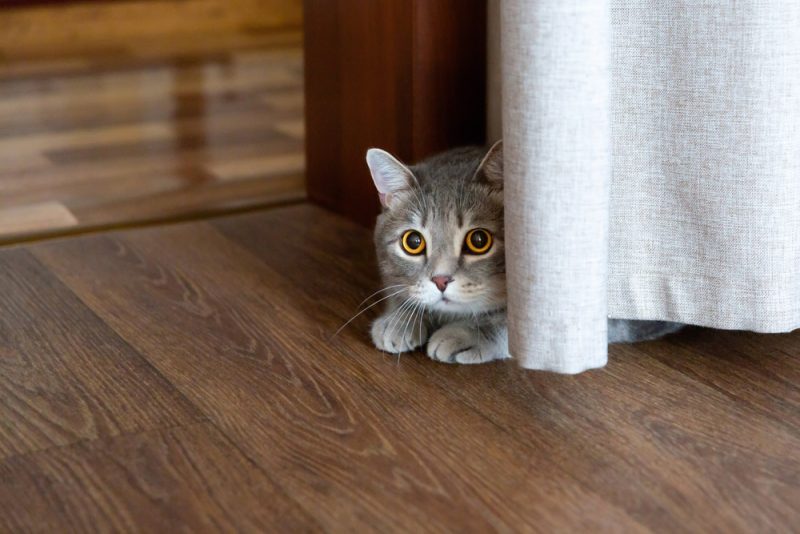
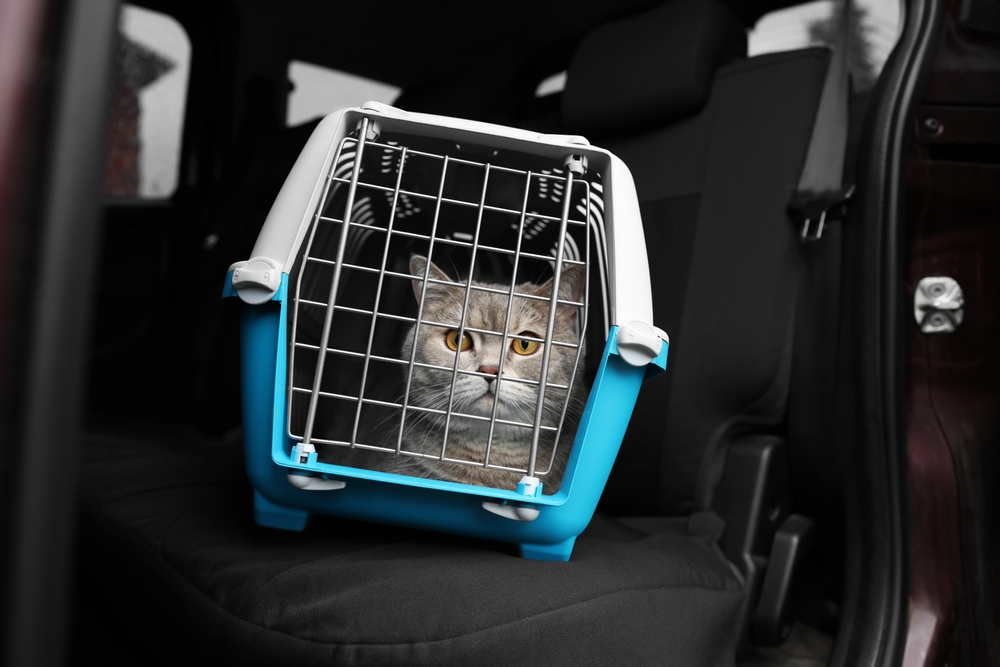
A car ride often represents three things to your cat: change, a lack of control, and loss of freedom. Felines hate all of them, and this ramped-up anxiety and stress are even able to trigger vomiting or motion sickness in your kitty. It’s easy to see why when you consider it from a feline perspective. Dogs often go for rides for happy reasons, like trips to the dog park. However, the chances are your cat only goes to the vet when they leave their home, which teaches them that the car is a very stressful space over time.

Why Car Rides Are Stressful for Cats
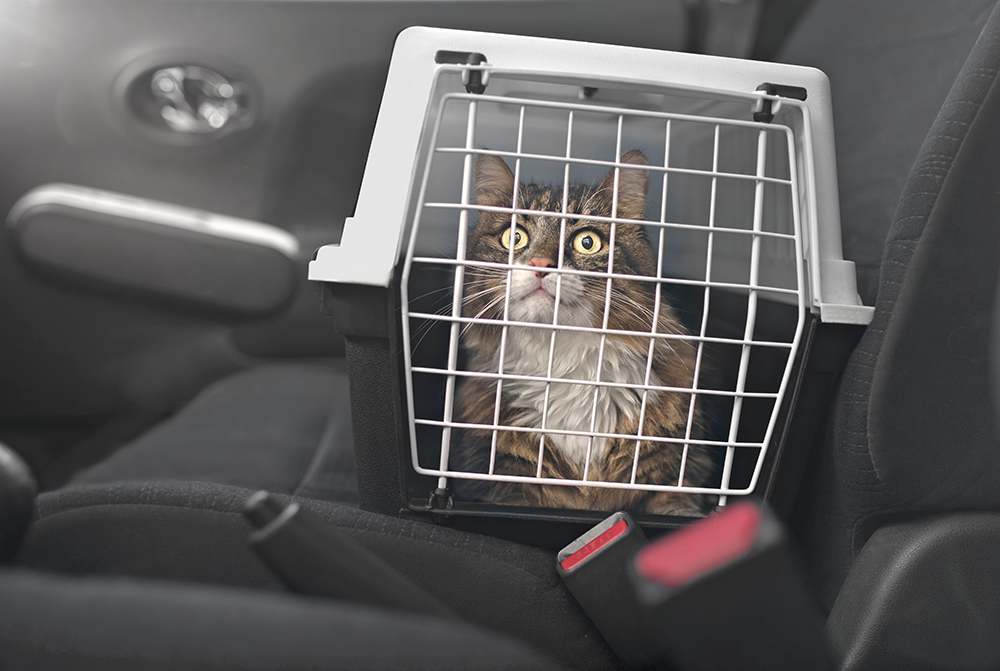
Remember that cats are both predators and prey. Thus, they exhibit different coping styles when faced with unfamiliar situations, like riding in a car. They may take a proactive approach with a fight-or-flight response. It can include excessive vocalizations, hissing, and spitting. Felines may react passively by remaining motionless and curling up, perhaps to protect themselves.
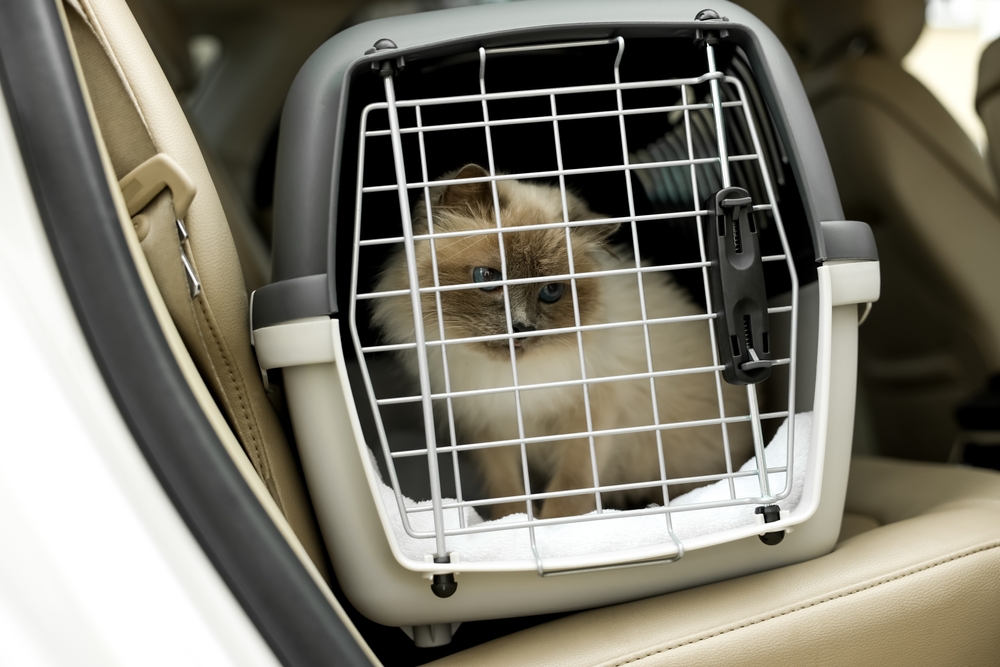
Cats don’t like change because their survival depends on their awareness of their environment, whether hunting or fleeing a predator. Putting them in a carrier takes away their control over their choice of how to react. That leaves them feeling vulnerable, thus causing stress and anxiety. From your pet’s point of view, it’s a big unknown. It can also be the memory of a past adverse experience.
Think of how you might feel in such a situation. Your heart may race and you’re on high alert for anything you can detect about what might occur. It’s the same with your cat, especially if you rarely take them on car rides. You add things like sensations of the vehicle moving, and that leaves the makings of the perfect storm for motion sickness.


The Risks of Motion Sickness and Stress in Cats
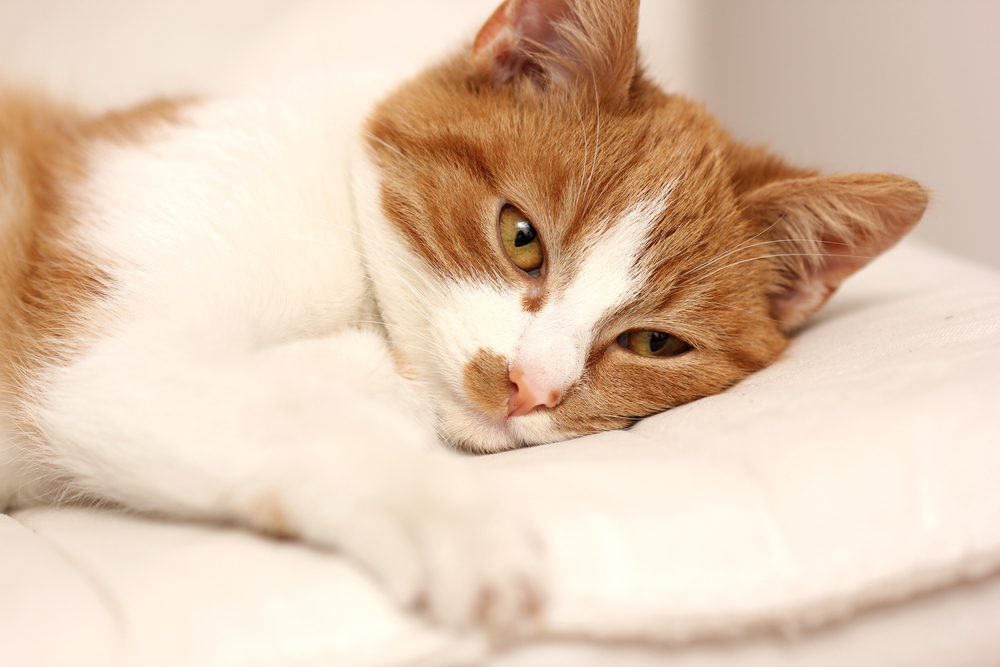
Motion sickness in itself isn’t harmful to your pet, but it is uncomfortable and incredibly stressful. The signs of motion sickness in cats include the following:
- Vocalization
- Panting
- Immobility or lethargy
- Pacing or restlessness
- Excessive drooling
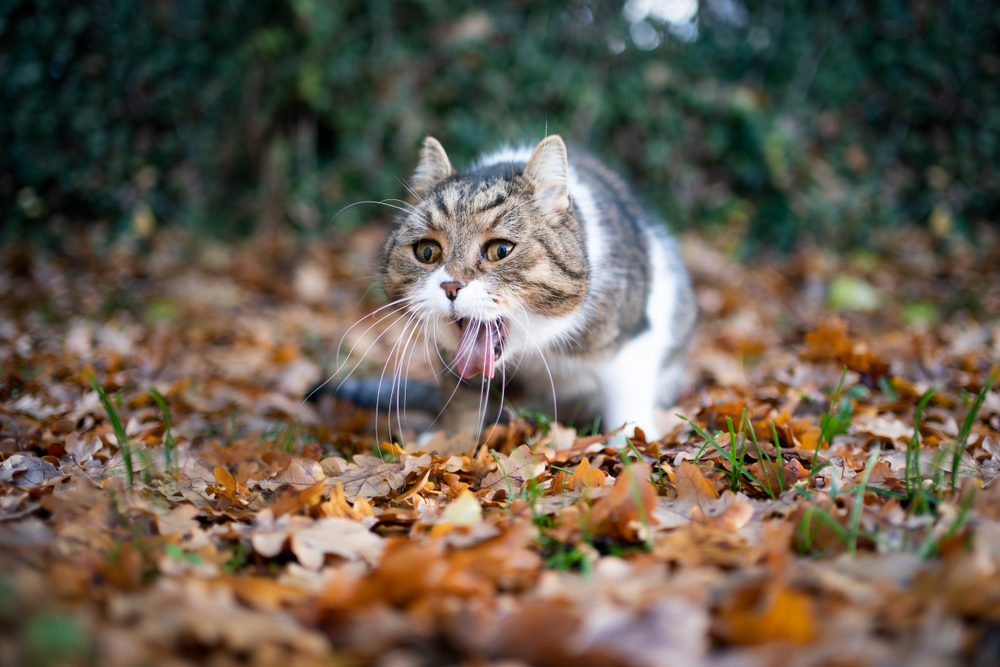
- Vomiting
- Defecation
The indirect consequences can be more severe. One study found that 28% of cat owners would take their pets to the vet more often if it weren’t such an ordeal. It also showed that 40% of cats hadn’t seen a vet for the past year. That’s especially risky for felines since they often hide signs of a problem until they can’t any longer.
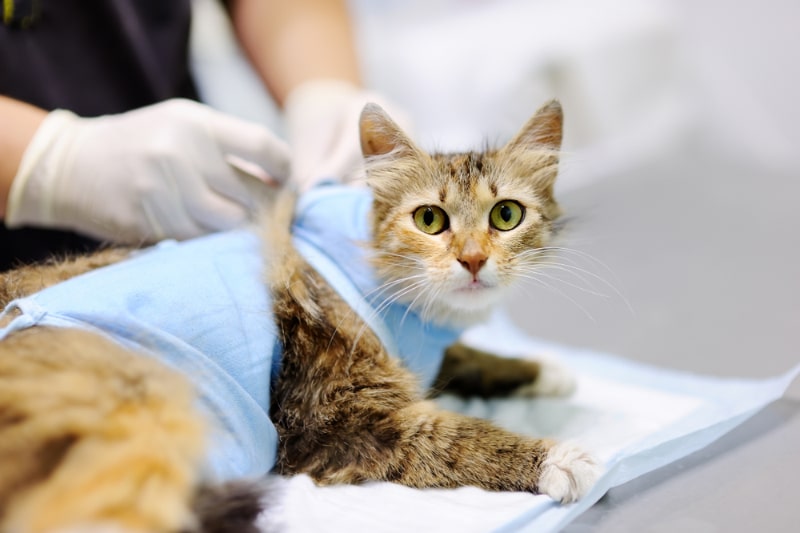
It becomes increasingly problematic when an issue occurs. Stress morphs into a safety concern for the vet and their staff handling the agitated animal. It can also hamper treatment efforts if the cat becomes aggressive. Sedation may be your vet’s only choice if they can’t handle your pet.

Helping Your Cat Remain Calm
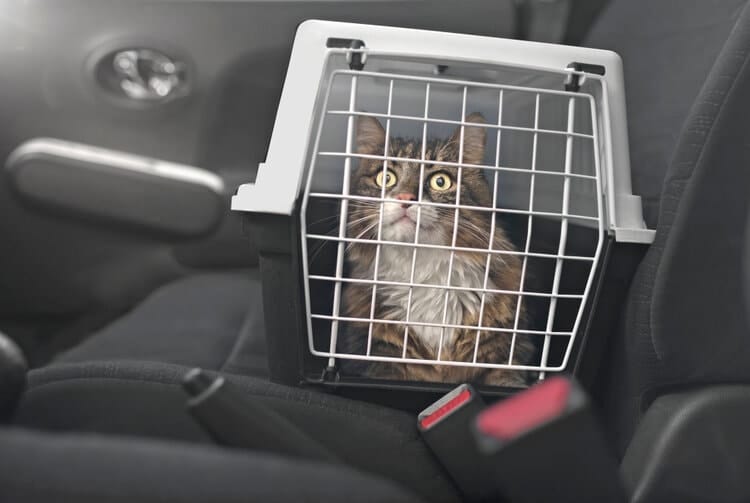
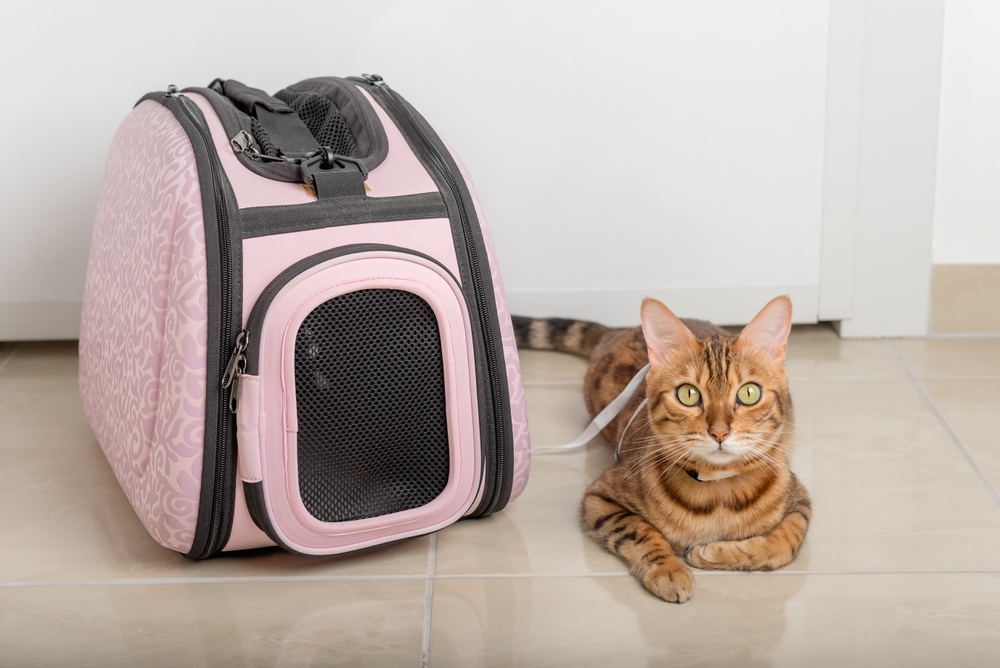
Cats react differently to motion sickness. It’s helpful to consider prevention and treatment options on an individual basis. Sometimes the goal is to reduce the stress and anxiety associated with car rides. One effective way to curb stress is by getting your pet used to the carrier. One study found it an excellent way to make vet visits easier and even decrease exam times. A cat that is less anxious is more manageable to handle.
You should also make the car ride more comfortable by keeping it at an optimal temperature. Make the trip as quick as possible with any available shortcuts, preferably in light traffic. Research suggests that species-appropriate music may have a calming effect. It includes frequencies within the feline vocal ranges and sounds of real cats.
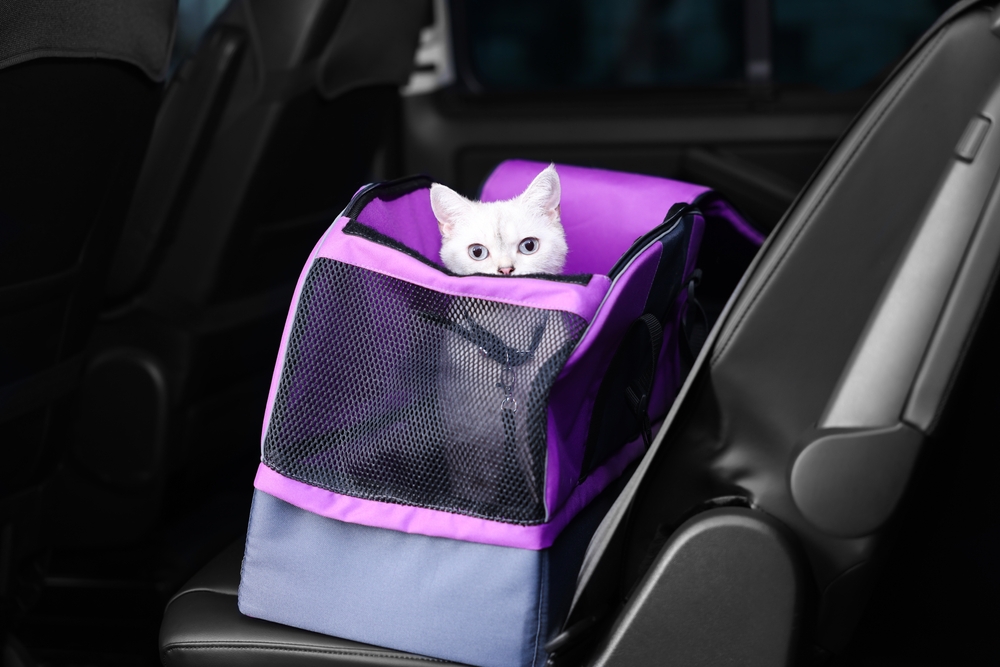
We also recommend withholding food for a few hours before you go. Put the open carrier on the floor to let your pet explore it on their terms. One study found that a feline facial pheromone product is an excellent stress preventive for short trips. You can add a piece of clothing to the carrier for something that smells like home to your cat.
Here are some other helpful tips you might consider:
- Provide access to fresh water
- Use a carrier your cat is comfortable with
- Keep the car cool and quiet
- Offer special toys on trips
- Slowly start to desensitize your cat to the car
Medications
Your vet may recommend medication in some cases. Some over-the-counter products may alleviate the stress that can trigger motion sickness. Prescriptions for anxiety and nausea also exist if these don’t alleviate the problem. The important thing is that you have options so that you needn’t avoid taking your cat to the clinic. However, the treatment plan depends on the individual animal.
At the Clinic
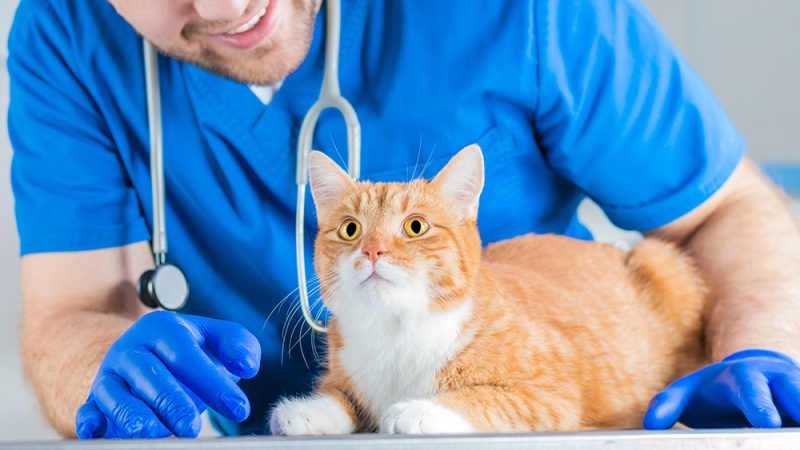
Making the vet experience pleasant can encourage positive associations with car rides and reduce the risk of motion sickness. High-value treats are a potent persuader for food-motivated felines. Don’t be surprised if your pet refuses the treat. The message is still hitting its mark. We suggest talking softly to your kitty to calm their fears. Cats get attached to their owners, making it an effective method.
Final Thoughts
Cats can get motion sickness because of the stress car trips cause in our pets. Felines despise change. A ride away from home couldn’t be a greater disruption to your pet’s everyday life. Fortunately, several things exist that can make it easier for your kitty and the vet. Anything you can do to calm your cat will make the examination quicker and less nerve-racking for everyone.
Sources
Featured Image Credit: RJ22, Shutterstock

Expert cat care, straight to your inbox
Vet-reviewed advice, behavior tips, and the best of Catster. Free, and you can unsubscribe anytime.
By signing up, you agree to our Terms & Conditions and Privacy & Cookies Policy.
Chris has been a science-focused pet writer since 2009, specializing in health and the environment. She lives with her husband Norm and three amazing cats in the land of 10,000 lakes. When she's not writing about cats, Chris also enjoys boating and sampling wine. She has her WSET 1 and 2 certifications and is currently pursuing her Certified Wine Specialist Award (CSW).
Join the conversation
Ask a question, share your story, or send private feedback.