Why Do Cats Sneak Around? 10 Vet-Reviewed Reasons for This Behavior


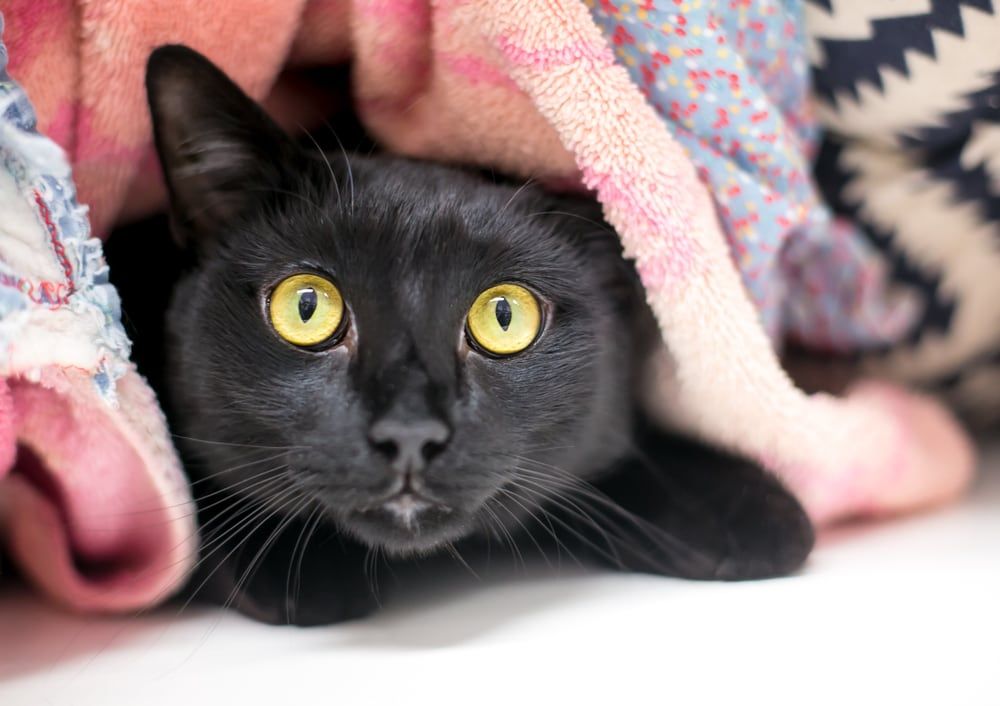
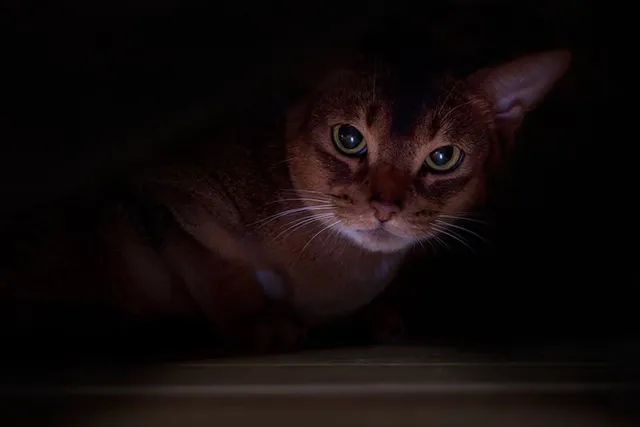
Our favorite furry phantoms are famous for their insane stealth skills that could put a ninja to shame, but have you ever stopped to wonder why exactly they sneak in the first place? You probably know it’s related to their instincts, but it’s actually a lot deeper than that.
There are a ton of distinct but vaguely related reasons why your cat sneaks. It’s in their DNA, and you can’t really stop it, but you can learn the difference between your cat’s “sneaking modes,” so to speak. Read on as we shed some light on the reasons so you can better understand your cat’s behavior.

Top 10 Reasons Why Cats Sneak Around
1. Patrolling the Perimeter
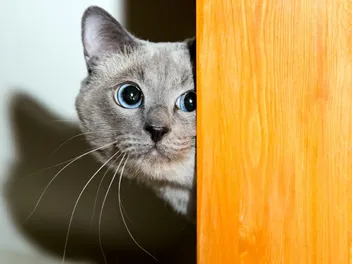
Cats are territorial, growing very attached to their homes even if they’ve never lived in the wild a day in their lives. This manifests in a stealthy patrol routine where your cat checks all the exits to the outdoors, the windows, and even the tiny gaps at floor level you don’t know about. This is a common cat behavior that you’ll see from time to time, and honestly, you should be flattered they’re doing it for free! It means your home is their home and they don’t want anything unexpected to happen.

2. Hunting for Prey
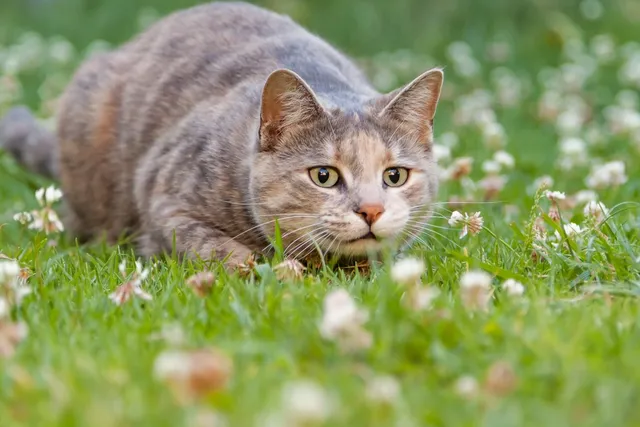
The most common reason for cat stealth is hunting. Cats are one of the most accomplished sneaks in the animal kingdom, and both their body and mind have been sharpened over millions of years to be a nigh-undefeatable hunter. Well, to smaller prey like birds and mice, anyway. Even in your warm, cozy home where they don’t have to hunt, your cat is driven by instinct to slink, stalk, and pounce.
3. They’re Just Bored
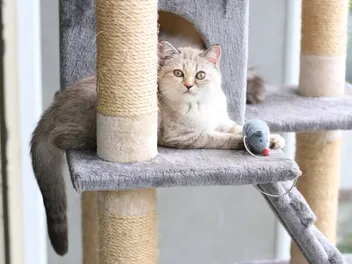
Bored cats can get up to some super crazy hijinks, but sometimes they decide to mock hunt by sneaking around the house instead. Stealthy hunting is the height of boredom-busting for cats, even if they’re not actually hungry. Kittens are the most notorious for hunting for fun, attacking nearly anything that casts a shadow or moves within their keen field of vision.

4. Searching for Hiding Places
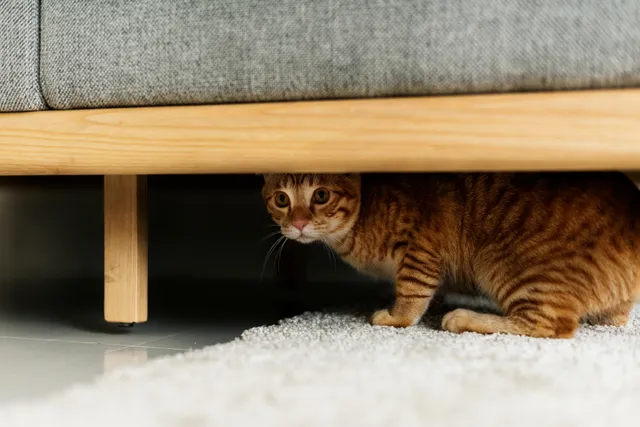
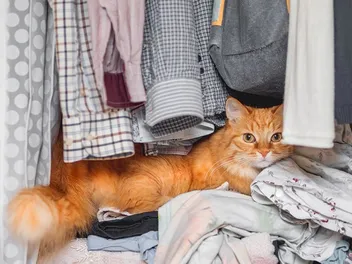
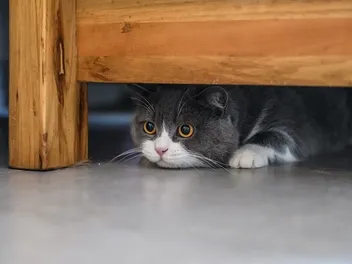
Cats adore the teensiest nooks and crannies we humans could never fit into, and they have a seemingly magical talent for sniffing them out. Don’t feel bad if your cat is sneaking around looking for places to hide. It’s normal, even if they have private cat areas of their own. Not only do cats like sleeping in compact spaces, it’s a bonus if there happens to be tasty prey in there too! However, hiding could also indicate something is wrong. So, if this isn't normal behavior for them, be sure to get them checked out by a vet.
5. Predatory Play
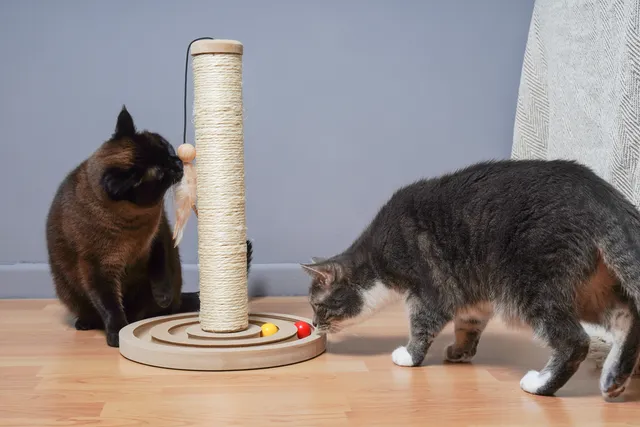
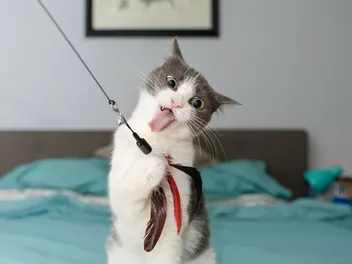
It’s a rite of passage for cat parents to be meticulously stalked and ambushed by enterprising felines leaping from the shadows. It might get annoying if they’re too enthusiastic about it, leading to some light scratches if they’re not careful. But this is actually a type of predatory play behavior. Littermates typically fulfill the playmate role, but in their absence, you’re a really good substitute. To keep play safe and fun, always redirect your cat’s predatory play toward interactive toys like wand toys or balls rather than your hands or feet.

6. Hiding From Predators
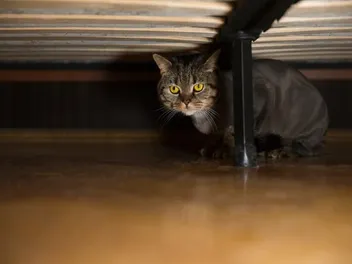
Cats dislike and even fear certain kinds of predators, like coyotes, foxes, and wild dogs. If their super-sensitive nose sniffs even the slightest trace of one around your home, it can trigger a flight response that sends your cat slinking into the nearest hiding spot. They don’t know the coyote isn’t in your house, but it could be, so why take the chance? In the wild, this innate reactive behavior keeps cats alive by sending signals to their body to run even before their brain fully processes what’s going on.
7. They’re Sniffing for Food
Prey isn’t the only thing that cats hunt. Nearly any meaty, fishy, or interesting-smelling food left out is fair game to your cat, who engages their hunting stealth to approach and extract the target without a soul seeing. This is closely related to the hunting instinct and may be nearly indistinguishable at a glance. Make sure you keep an eye on any food you leave out, or else you could find it gone when you look back!

8. Illness or Injury
Evolution has conditioned cats to sneak and hide when they’re sick or hurt so predators can’t find them, but it has a side effect. Namely, hiding from us, their beloved owners who only want the best for them. If your cat is acting unusually reclusive, sneaking everywhere, and appears to feel under the weather, it could be time for a trip to the vet. It’s vital for every cat owner to know that their cat will hide when they’re sick because they can’t tell you themselves, and just know they need to hide and rest.
If you are concerned about the health and well-being of your pet, seek veterinary advice for the best course of action.
9. Overstimulation
Cats get easily overstimulated when there’s too much noise, too many people, or unfamiliar animals around. This can flick their brain into stealth mode as they search for escape routes, elevated corridors throughout your home, and best of all, hiding spots. It’s important to have at least a couple of places around your home dedicated to your cat so they have places to retreat when they’re getting overwhelmed. This sneaking could be easily mistaken for other types of sneaking, but you can tell it apart if your cat’s ears are laid back and their body posture shows avoidance rather than play.

10. Poor Socialization
This type of sneaking is more common in feral cats and kittens or those that were separated from their litter too early, but it can happen with any cat that wasn’t properly socialized. From 2 to 7 weeks, a cat is soaking up how to be a cat and interact with other cats, plus how to socialize with humans or other pets. If a cat doesn’t get enough socialization, it instills an anxious fearfulness that makes them hesitant to interact with people or animals. Ultimately, they’ll be so uncomfortable that they sneak around from place to place.
In Conclusion
Cats are world-famous sneaks with the talent to back it up, with no less than 10 different reasons to lurk and skulk. Most of the time, this sneaking is normal and even healthy, but occasionally, it can be a sign that your cat is sick or injured. Use context clues and your knowledge of your cat to tell the difference between happy hunting, sad sneaking, and sneaking out of fear, illness, or pain.
Featured Image Credit: Mary Swift, Shutterstock
Expert cat care, straight to your inbox
News, insights, and useful advice, delivered to you.

No spam — unsubscribe anytime.
By signing up, you agree to our Terms & Conditions and Privacy & Cookies Policy.
How useful was this post?
Click a star to rate. You can leave written feedback afterwards. (We read all feedback.)
Codee Chessher is a freelance writer with extensive knowledge on a variety of subjects that include travel, DIY, pets, and more. He has a colorful past but the written word was always his first love. He believes there's nothing a well-worded sentence can't accomplish!
When not writing, Codee enjoys reading fantasy novels, tackling DIY projects around the house, and memorizing useless pop culture trivia. He has lived in many places around the US, and most recently resides in northern Mexico.