In this article
Cats are known for their impressive ability to self-groom. However, there is a line between healthy grooming and compulsive grooming. Likewise, some cats under-groom. Both compulsive grooming and under-grooming occur due to other underlying health problems.
Understanding what’s normal for your cat’s self-grooming habits can help you monitor their health and well-being. If your cat is over or under-grooming, you should contact your vet to determine which conditions are causing the poor grooming habits.

Why Do Cats Groom Themselves?
Before we dive into what’s normal, it’s important to understand why cats clean themselves. Cats groom themselves to keep their fur and skin clean, but there are several other reasons why cats self-groom. Here are just a few other reasons:
- Distribute oils for soft coat
- Remove debris, dirt, and parasites from their coat
- Self-calming
- Stimulate circulation
- Regulate body temperature
- Bond with other cats or their kittens
In other words, cats self-groom for several reasons. You never want to discourage self-grooming because it is integral to your cat’s well-being and socialization with other cats.
How Often Should Cats Groom Themselves?
Since self-grooming serves such an important purpose in a cat’s life, most cats spend anywhere from 30% to 50% of their waking hours self-grooming. Can you imagine if we bathed ourselves that much? Needless to say, you should see your cat self-grooming quite a lot.
How Cats Groom Themselves
Cats groom themselves using two body parts: their tongue and paws. Matched with the cat’s flexibility, their tongue and paws allow them to groom almost all of their body.
Tongue
Have you ever been licked by a cat? If so, you know how prickly their tongue is. This rough surface keeps the cat’s coat and skin nice and healthy. The comb-like surface picks up debris and foreign objects on the skin.

Paws
Cats can also use their claws and paws to clean their skin and coat in areas their tongue cannot reach. For example, cats use their paws to reach their face, top of the head, and neck areas. Cats can even use the back of their paws to clean their bodies.
Their forepaws are used to help distribute the oil from the cat’s head to other locations. The oil helps maintain the fur’s health and shine.

Under-Grooming and Compulsive Grooming
Healthy cats use their tongue, paws, and forepaws to self-groom for up to half their waking time. However, cats under-groom or compulsively groom due to several underlying health conditions.
Under-Grooming
Under-grooming is primarily a problem with senior cats. As the cat ages, it is more difficult for them to reach all the areas of their body. Osteoarthritis (a common ailment in older cats) limits a senior cat’s flexibility, which may make it difficult for them to groom as they used to. Cats can also under-groom due to other conditions, such as obesity.
Issues with the mouth, particularly conditions that involve pain, may dissuade a cat from grooming themselves. Because the tongue is essentially their “brush,” a painful tongue will prevent them from grooming as much. Likewise, pain in the paws (especially the forepaws) may also dissuade cats from self-grooming.
Cats that are generally unwell (for example, with the flu) may choose not to groom, much like how we tend to slack on self-hygiene when we’re unwell and would rather rest up. In general, any disorder that results in pain will probably lead to less grooming.
Likewise, some hormonal issues can cause a cat to under-groom or appear unkempt despite their best efforts to keep grooming themselves. Finally, behavioral disorders can prevent cats from properly grooming. For example, a cat with a neurological disorder might spend most of their time circling randomly rather than grooming themselves.
If you think your cat is under-grooming, take them to the vet to see if there is an underlying condition. Additionally, help your cat groom by taking them to a professional groomer and brushing them more often.
Compulsive Grooming
Compulsive grooming occurs whenever cats groom so much that it results in hair loss, skin lesions, and skin irritation. Compulsive grooming can happen because of parasites, skin disorders or infections, varying degrees of pain, neurological issues, stress, or other body system disorders or diseases.
If you notice issues with your cat’s fur and skin due to grooming, take them to the vet. The lesions may need treatment, and the cat must be evaluated to ensure they’re not suffering from other conditions. You will have to treat the cause of the compulsive grooming to get it under control.

When To Contact a Vet
You should contact a vet if your cat is grooming less frequently or more frequently than before. Undergrooming and compulsive grooming can be signs of severe illnesses that need veterinary treatment.
If you need to speak with a vet but can't get to one, head over to PangoVet. It's an online service where you can talk to a vet online and get the advice you need for your pet — all at an affordable price!


How To Help Groom Your Cat
Whether your cat is under-grooming or over-grooming, here are some tips you can incorporate into your cat’s routine to help the grooming process go smoothly.
1. Bathe When Needed
Bathing can motivate otherwise lazy cats to groom themselves after they’ve been cleaned. Bathing also helps control external parasites that might be lingering in your cat’s fur, and medicated shampoos can be beneficial when it comes to controlling some ailments (such as ringworm).
Even if your cat has no skin issues, a bath might help them cope, especially when they’re shedding their undercoat (often around spring or autumn).
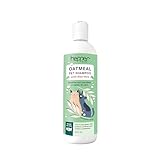
- Only Natural Pet Shampoo - Our vegan, plant-based formulation is made with safe and natural...
- No Soap - A cat and dog wash free from soaps, glutens, dyes, DEA, sulfates and phthalates means it's...
- Colloidal Oatmeal - Formula soothes and nourishes dry, irritated skin, providing itchy skin relief...
Grooming your pet at home can help you save money and avoid stress, but only if you're armed with a great pet shampoo. We recommend Hepper's Colloidal Oatmeal Pet Shampoo, which has a pH-balanced, pet-safe formula made with natural ingredients like aloe vera and oatmeal. You won't find any irritants like phthalates, sulfates, dyes, or soaps, and the soothing formula will keep your pet's skin moisturized and happy. Plus, the cucumber and aloe scent will make you feel like you've been to the spa!
At Catster, we’ve admired Hepper for many years and decided to take a controlling ownership interest so that we could benefit from the outstanding designs of this cool cat company!
2. Brush Regularly
Brush your cat regularly to mitigate hairballs and excessive hair loss. It is especially important for long-haired cats, unwell cats, seniors, young kittens, and overweight individuals. Likewise, short-haired cats can benefit from brushing as well.
You might need to introduce your cat to the brush first. With a proper introduction, cats will grow to love brush time. Alternatively, a wall-mounted brush can help a cat reach certain spots they want to groom in your absence.

3. Create a Stress-Free Environment
Always try to create a stress-free environment for your cat. If the environment is stressful, your cat may groom less often due to fear or compulsively groom due to stress. Try to create a calm and safe environment for your cat so that your kitty grooms just the right amount.
Final Thoughts
Cats clean themselves 30% to 50% of their waking hours using their tongue, paws, and forepaws. However, some cats groom too much or too little due to stress or underlying conditions. It’s essential to monitor your cat’s grooming to ensure they are as healthy as possible.
If you suspect your cat is under or over-grooming, contact your vet. In the meantime, try to create a stress-free environment and help your cat with the grooming process by brushing them regularly and bathing them when needed. Based on the underlying cause of your cat’s grooming problems, a vet can provide additional treatment tips.
Also see: