Can Cats Eat Bird Seed? Vet-Approved Nutritional Facts & Warnings


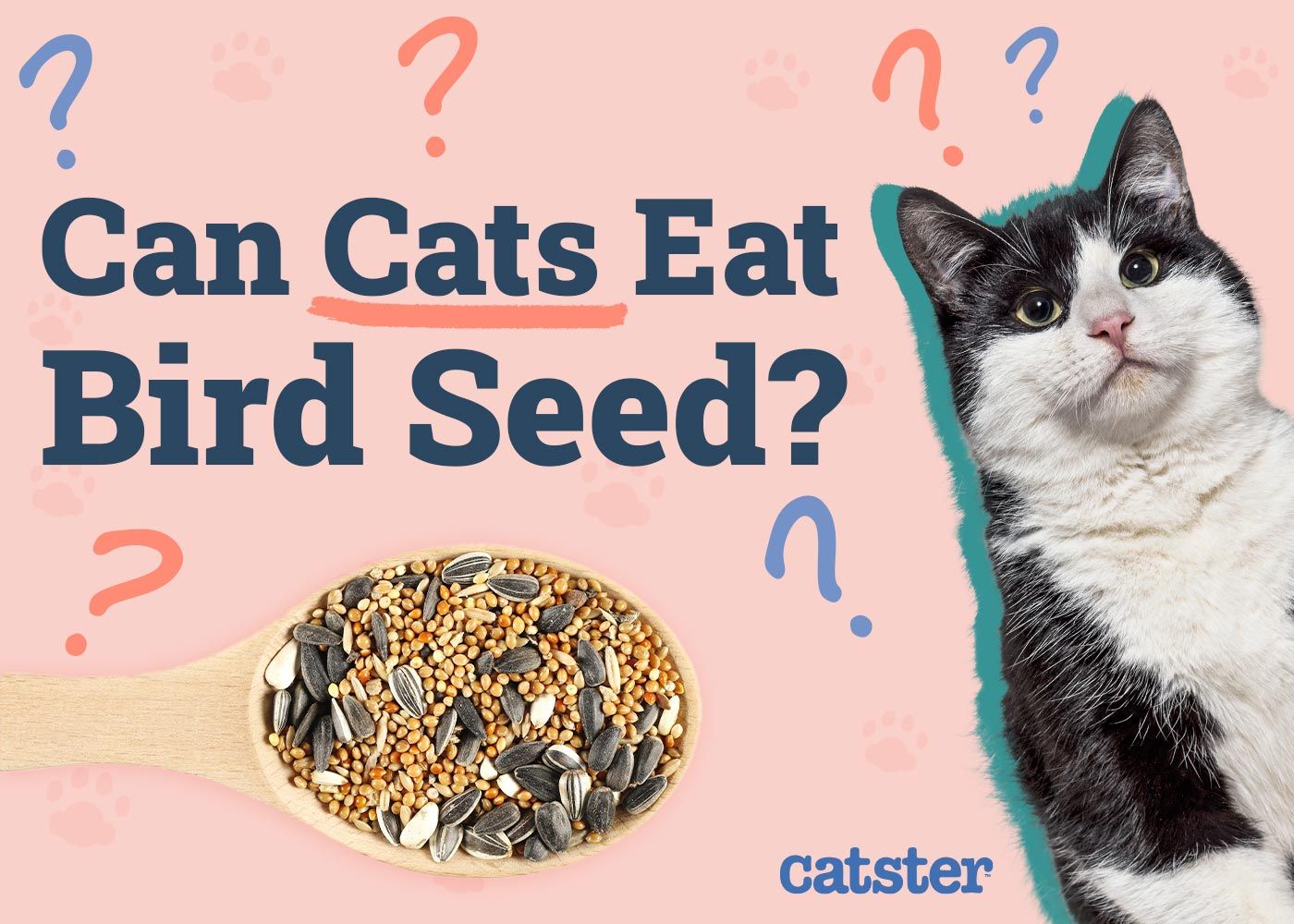
If you have a cat that stays indoors, you likely won’t ever have to worry about him eating bird seed. But if your cat spends lots of time outdoors, you’ve probably noticed him eating bird seed that has fallen on the ground a time or two and you’re wondering if it is safe for him to do so.
Bird seed is not toxic to cats, meaning that they can technically eat it. However, that doesn’t mean that they should or that it’s healthy for them. With that being said, if your cat likes to sample small amounts of bird seed when he’s outside, it’s totally fine as long as he isn’t consuming huge amounts of it.

Please Note
What Is in Bird Seed?
Commercial bird seed mix usually contains a variety of seeds, grains, nuts, and sometimes corn and dried fruit. Specific ingredients include sunflower seeds, millet, pumpkin seeds, etc. The exact ingredients found in a particular bird seed mix just depend on the manufacturer of the bird seed, but in general, most of them are not toxic for cats, especially in small amounts.

Why Do Cats Like Bird Seed?
Sometimes cats eat unusual things just because they’re curious about them and tasting them is the cat’s way of exploring them. Other times, they’re attracted to some aspect of the food, such as the way that it smells, for example.
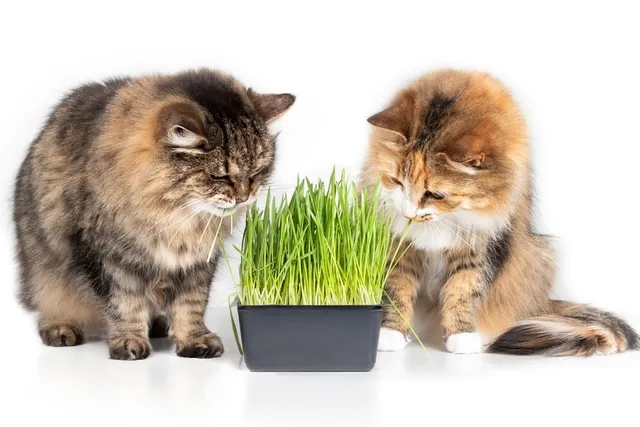
Cats may also eat bird seed and other plant materials for helping with digestion or parasites, however, this theory only applies to grasses, not seeds.
It’s also thought that eating plant materials may help cats soothe an upset stomach or aid in digesting their food. However, it must be reiterated that these are not definitively proven, and are mere theories.
In most probability, a cat would eat bird seed out of curiosity.
Sunflower Seeds
One particular ingredient of bird seed that your cat may like is sunflower seeds. Sunflower seeds are very nutrient-dense primarily because of their high fat content. Although sunflower seeds aren’t toxic to cats, they still shouldn’t eat them regularly because they aren’t nutritionally appropriate for cats.


Is Bird Seed Healthy for Cats?
Even though the ingredients found in bird seed usually aren’t toxic to cats, it doesn’t mean that bird seed is healthy for them. Cats are obligate carnivores, which means that the overwhelming majority of their diet needs to consist of animal-based proteins and fats. Wild cats typically have a diet that comprises around 2% carbohydrates 1.
There are two kinds of protein: meat protein and plant protein. With that being said, the seeds and nuts found in bird seed mixes are high in plant protein, which has very low bioavailability for cats and isn’t well digested by them. Most plant protein also lacks all the essential amino acids cats require. In particular, taurine is an essential amino acid for cats that is either low or completely absent in almost all plant-based proteins.
Meat vs. Plant Protein
Meat protein is still necessary for cats due to its amino acid profile. Proteins are made up of amino acids, and a cat's body requires several (a total of 11) meat-based amino acids. This is because a cat's body doesn't naturally produce 11 amino acids found in meat, so they have to acquire them through their diet.
Plant proteins are not suitable for cats. As mentioned, they usually don’t have enough amino acids, and even the fat profile of plant-based foods isn’t compatible with a cat’s nutritional requirements.
It is also important to note that cats cannot utilize many of the micronutrients found in plants. For example, beta-carotene, a precursor for Vitamin A synthesis, is found in plants. Cats are unable to synthesize vitamin A via beta-carotene. Therefore, feeding a cat plants that are “high in vitamin A” doesn’t actually deliver this vitamin to your cat.
When it comes to the best protein sources for your cat, asking a veterinarian is always a great option.
When Is Bird Seed Dangerous For Cats?
Although eating very small amounts of bird seed is generally okay for cats to eat (although not particularly healthy) there is one instance in which eating bird seed can be particularly dangerous for your cat. If the bird seed is old, you should not let your cat eat it (nor should you feed it to birds either). The reason is that food such as corn, grains, and peanuts, all of which may be present in bird seed mixes, can grow various species of molds.
These types of molds produce a toxin called aflatoxin that can be present even if you don't see any actual mold growing on the bird seed. In high amounts, aflatoxins can cause signs such as vomiting, loss of appetite, diarrhea, liver damage, and even death if consumed in very high quantities.
Although mold is common on old bird seed, it can also grow on bird seed that gets wet. That's why it's important to change out your bird seed regularly, but especially after it rains. This also protects the birds that are supposed to eat the seed in the first place. If you've had a particular type of bird seed for a while, you should also check the expiration date on the bird seed to make sure it's still okay to put it out for birds.
Please be mindful that bird feeding (feeding wild birds via a bird feeder full of seeds) in general is controversial, as it can cause disturbances and imbalances in local ecosystems by directly favoring some species over others. It also jeopardizes the life of birds, as many predators quickly learn that the bird feeders are the best place to ambush a bird.

Final Thoughts
If you see your cat eating a very small amount of bird seed occasionally, it’s usually not a cause for immediate alarm. Although bird seed isn’t particularly healthy for your cat, it usually isn’t toxic and they usually sample it out of curiosity. It’s not 100% clear why cats may eat bird seed and other plants. Either way, just don’t let your cat eat too much, too often and your feline will be alright. However, you shouldn’t go out of your way to feed your cat bird seeds.
See Also:
Featured Image Credit: _Alicja_, Pixabay
Expert cat care, straight to your inbox
News, insights, and useful advice, delivered to you.

No spam — unsubscribe anytime.
By signing up, you agree to our Terms & Conditions and Privacy & Cookies Policy.
How useful was this post?
Click a star to rate. You can leave written feedback afterwards. (We read all feedback.)
Christian started writing for a local newspaper as a teenager, and he's been involved in the publishing industry for most of his adult life. Combining his love of writing with a passion for animals, he is currently the Director of Editorial at Pangolia and the Editor-in-Chief at Catster.
Christian lives in the Philippines with his wife, son, and four rescue cats: Trixie, Chloe, Sparky, and Chopper.