How to Satisfy Cat Hunting Instincts: 7 Vet-Verified Tips
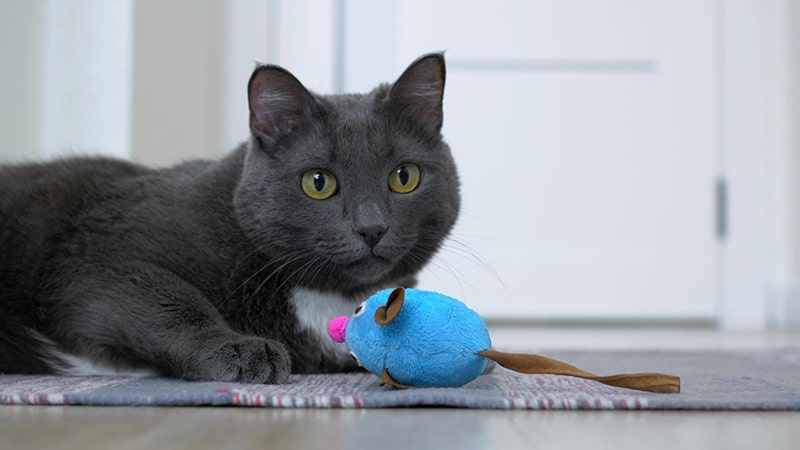
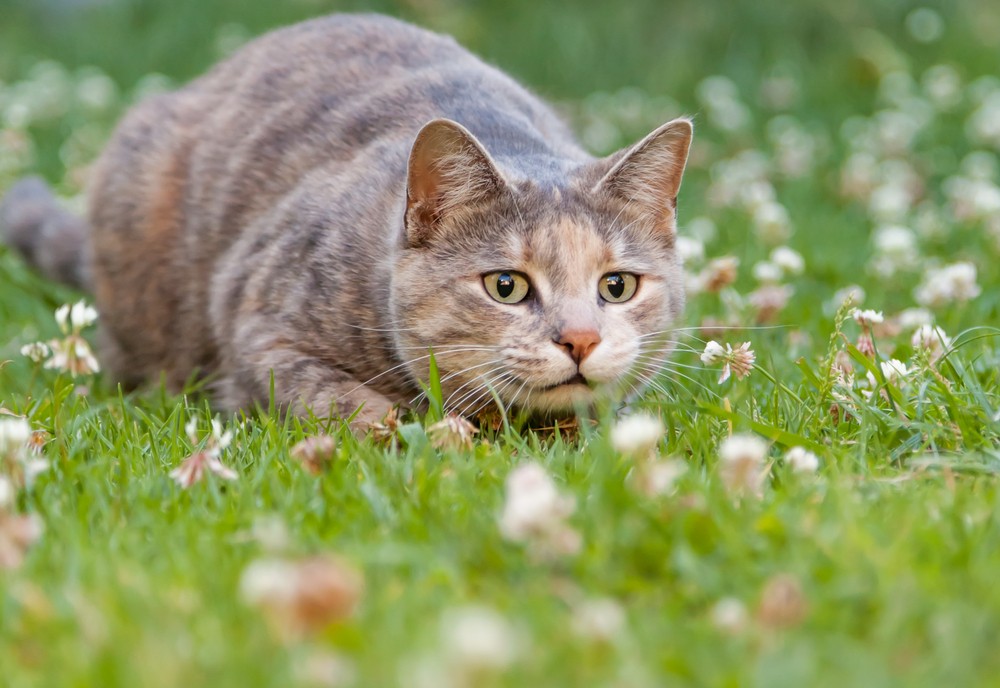
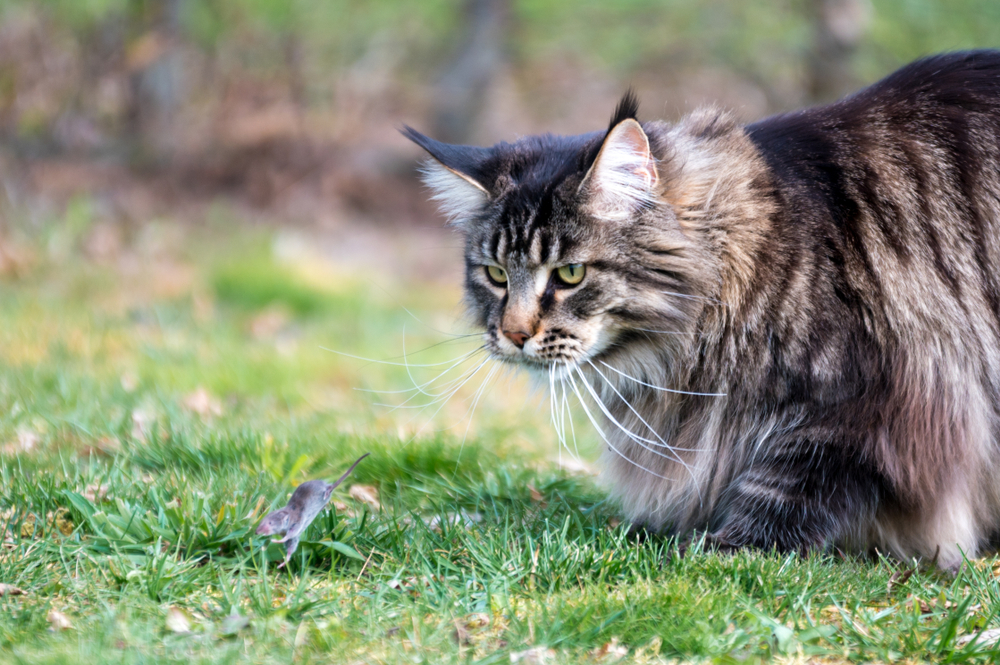
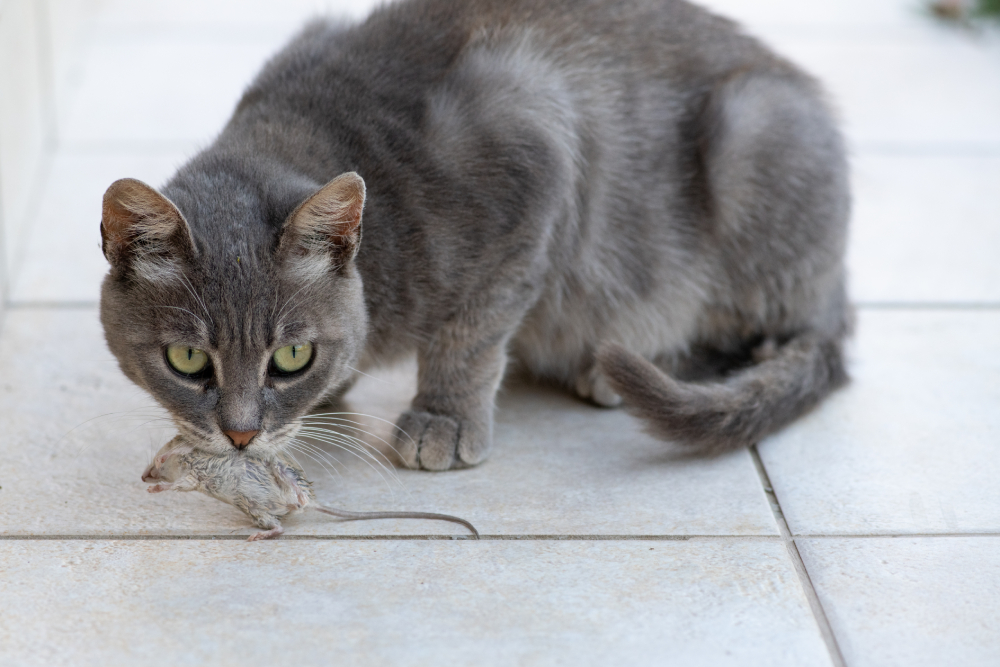
Though the pampered felines we know and love today no longer need to hunt for prey to survive, those instincts are still hard-wired into them. While some are more skilled at hunting than others and energy levels can vary greatly, all cats need an appropriate outlet for those urges to prevent them from being directed at you or your furniture.
Fortunately, there are plenty of ways to satisfy your cat's hunting instincts that are safer for both your cat and the local wildlife than sending them out into the great unknown.

The 7 Tips to Satisfy Your Cat's Hunting Instinct
1. Use Toys

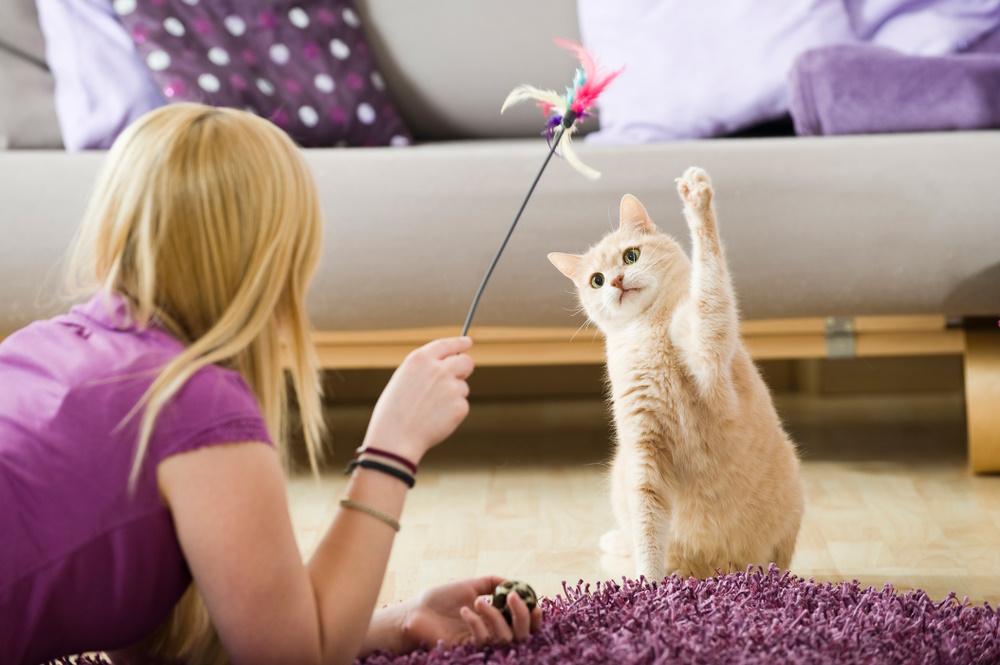
One of the best ways to satisfy your cat's hunting instincts while making sure they get plenty of exercise is to gather a variety of fun, interactive toys. Teaser wands are a great choice, as they allow your cat to chase after and pounce on an object, but anything that moves will do.
Avoid staying in one place; move around to dangle and drag the toy in various locations (on the stairs, behind furniture, etc.) to give your cat the thrill of the chase. Laser hunters are also an option worth considering, but make sure there's a target at the end of the session to prevent frustration.
2. Make Sure Your Cat Is Well Fed
It's completely natural for cats to hunt, and they often do so even if they're not hungry. Nevertheless, ensuring your cat is eating the right portion sizes for their weight and the right amount of food per day is essential for keeping them healthy and happy. After all, after a meal, a cat is more likely to feel more relaxed and satisfied.
A quick tip: You can offer your cat their kibble in a feeder toy (like a food-dispensing egg that rolls around) that makes the cat work to eat, and this replicates the feeling of hunting for food.
3. Set Up an Outdoor Enclosure

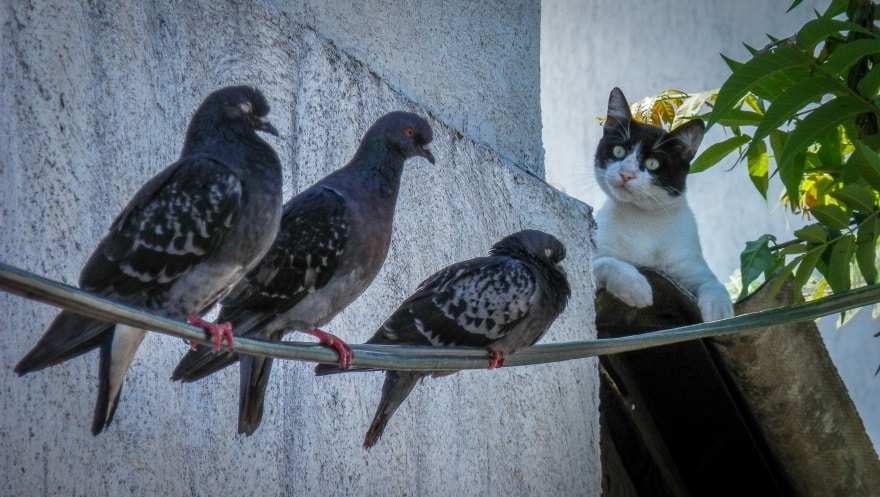
One way to let your cat enjoy the outdoors safely is to build a large enclosure in your yard. This will allow your cat to watch and chatter at birds—which is half the fun of the hunting ritual for a cat—to their heart's content.
Mesh is a good material for covering an enclosure like this, and the enclosure should be big enough for your cat to move around freely. Install some shelves for extra jumping and climbing opportunities.
4. Get Your Cat a Harness
If an outdoor enclosure is not an option, you might want to consider training your cat to walk on a harness and leash so they can enjoy roaming and exploring in your yard without getting into danger.
Ideally, you'll want to start getting your cat used to wearing a harness from when they're young so they don't get freaked out as adults when you put one on, but some adult cats take to the new experience very well.
5. Provide Access to a Window View

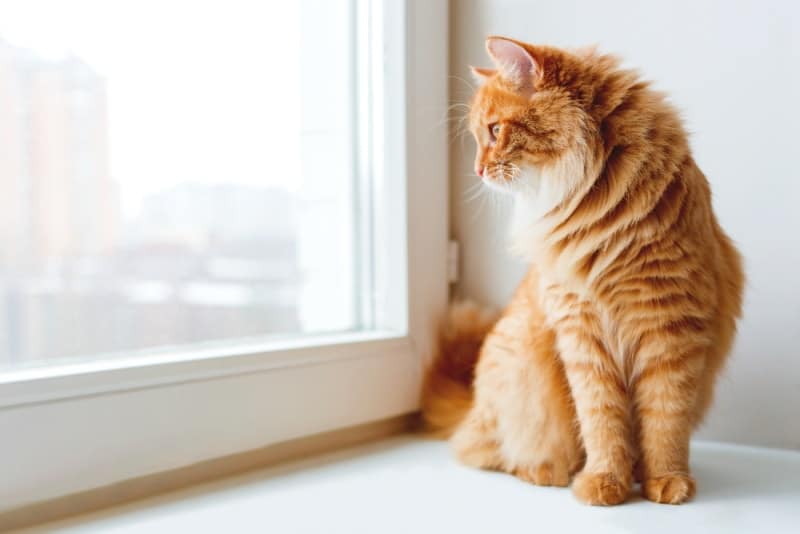
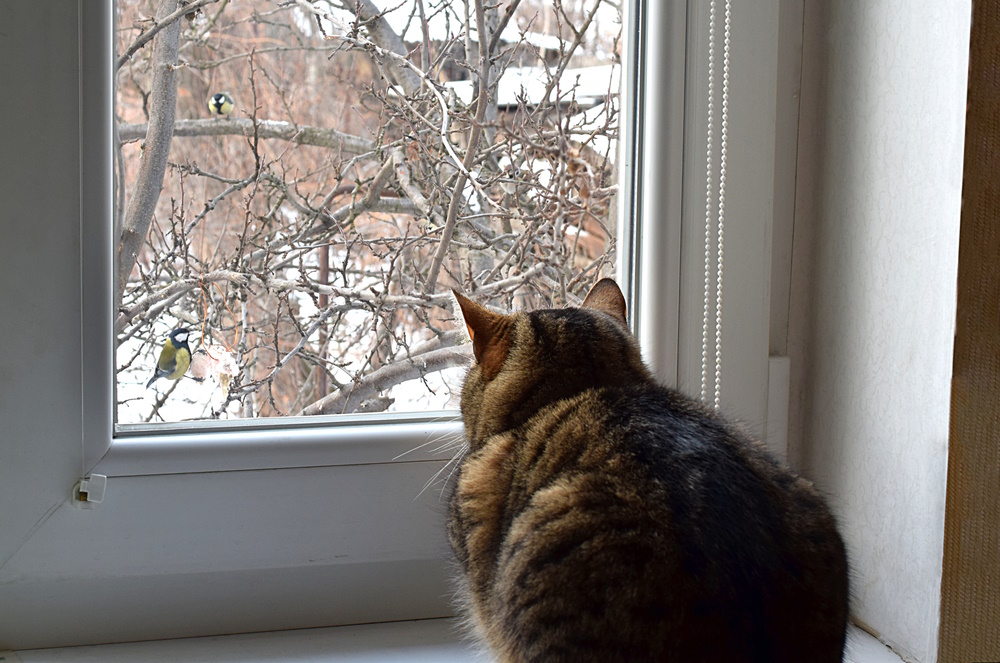
Indoor cats love nothing more than perching on a windowsill and gazing at birds. This tantalizing experience transfixes cats and can keep them entertained for a long time, so all cats should have access to a window view. If you can put a birdhouse in your yard to give your cat the full cinema experience, even better!
6. Use Media
Many cats love to watch TV and YouTube videos because they're intrigued by all the movements. You can take advantage of this by popping on some videos created for cats starring fish, birds, or mice. Some videos double up as games, enticing the cat to "catch" whatever is scuttling across the screen.
7. Set Up Climbing Spots

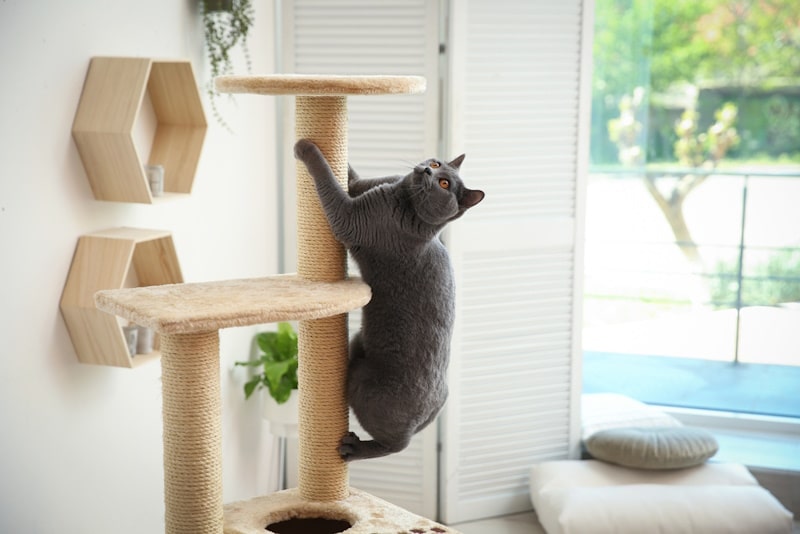
Cats like to climb up into high places for a bit of alone time, but also to better survey their environment for potential prey (and look down on us mere mortals, of course). As with making sure your cat can reach a windowsill, this is a great way to give your cat a part of the hunting experience.
To give them a full hunting experience, you get involved by cracking out some toys while your cat is hanging out in high-up spots. Also, don't be surprised if you become the "prey" from time to time! Many cats simply can't resist a bop at a passing human head while they're feeling high and mighty.
Should I Let My Cat Roam Freely Outdoors?
Opinions on this differ greatly, but many experts and welfare organizations recommend keeping cats indoors at all times for their safety and to keep wildlife safe. While there's a stigma about permanent house cats because people worry they'll be bored and under-exercised, there are plenty of ways—some of which we've mentioned in this post—to keep a house cat happy and in good physical condition.
Outdoor cats often live shorter lives—2–5 years on average, according to University of California Davis researchers—due to the dangers they face daily, including traffic, various diseases and infections, parasites, ill-intentioned folks, and fights with other cats or, if they're unlucky enough, larger and more dangerous wildlife. By contrast, indoor cats can reach 15–17 years and beyond in some cases.
In addition, estimates show that 100 to 350 million birds are killed each year by free-roaming cats. If you do let your cat outdoors, it's best to secure your yard to keep them and the birds safe.
Conclusion
If your feline friend's natural hunting instincts are wreaking havoc on your home (or your ankles if you're unlucky enough to walk by when they get the urge), the best thing you can do is redirect those urges onto appropriate items like toys. Making sure your cat gets enough exercise and mental stimulation is key to caring for your cat's physical and emotional welfare.
Related Reads:
Sources
Featured Image Credit: I.K.Media, Shutterstock

Expert cat care, straight to your inbox
Vet-reviewed advice, behavior tips, and the best of Catster. Free, and you can unsubscribe anytime.
By signing up, you agree to our Terms & Conditions and Privacy & Cookies Policy.
Kit Copson is a freelance writer and lifelong animal lover with a strong interest in animal welfare. She has parented various furry beings over the years and is currently a proud cat mom of two—one very chilled (unless hungry) Siamese and a skittish but adorable Domestic Shorthair—and dog mom of one—an adopted Bichon Poodle cross. When not writing about or spending time with animals, Kit can be found doodling in her sketchpad, reading, or more often than not, drinking tea.
Join the conversation
Ask a question, share your story, or send private feedback.