An Outdoor Cat Is Upsetting My Indoor Cat, What Do I Do? Vet Approved Advice


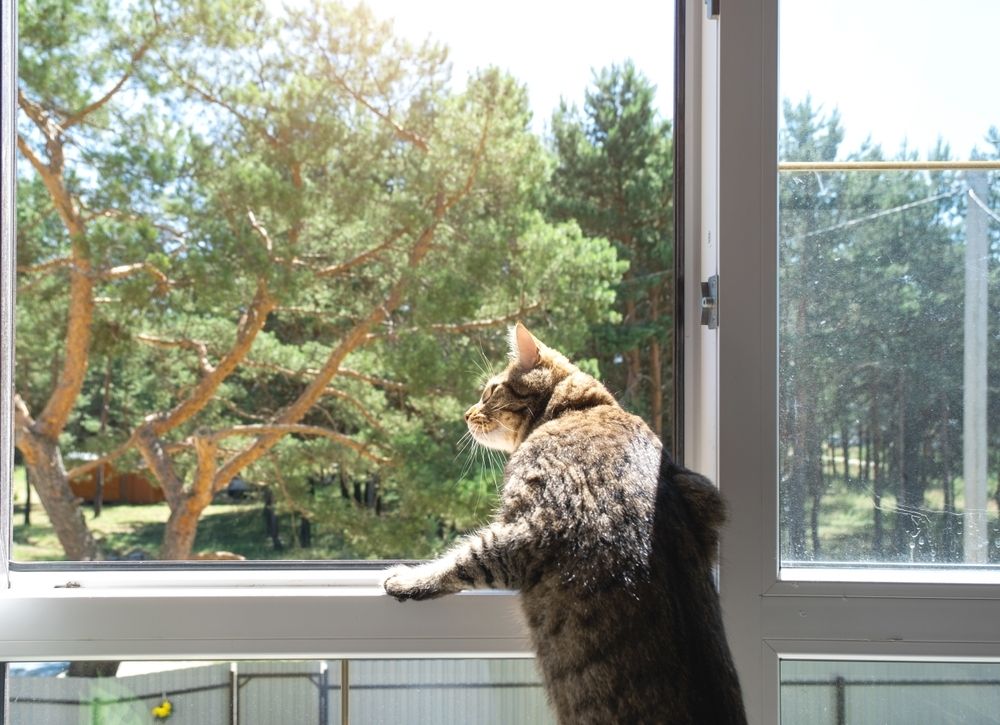
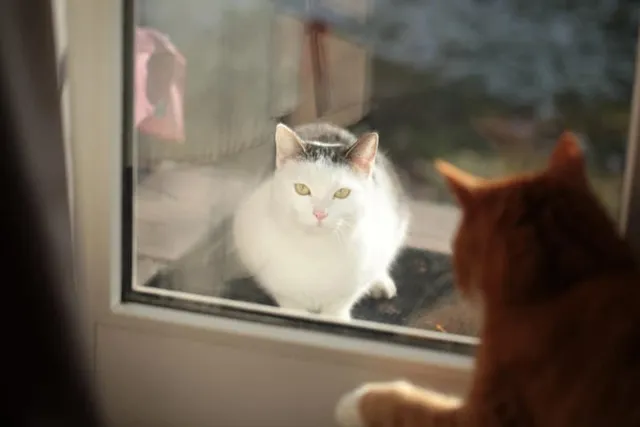
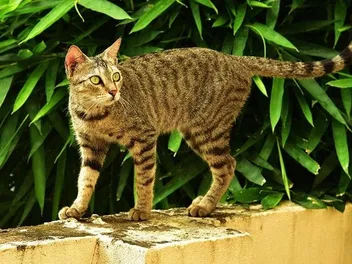
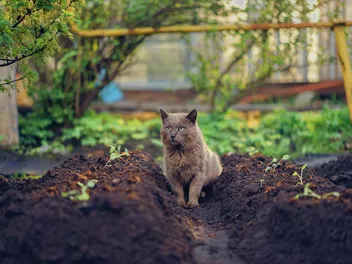
If your ordinarily peaceful indoor cat suddenly shows signs of stress or even aggression, you might wonder what’s happening. One possible cause for these behaviors is the presence of an outdoor cat in your yard or on your property. Whether stray or owned, outdoor cats can cause a lot of anxiety for your indoor pet, so what can you do to fix the problem?
If an outdoor cat is upsetting your indoor cat, the best thing to do is keep your pet from visualizing or smelling the intruder. Unfortunately, this can be easier said than done, but you’ll find some expert advice on how to proceed in this article. We’ll also cover other reasons your cat could be stressed and the signs to look for that indicate your pet is dealing with anxiety.

The Trouble with Outdoor Cats
Even if your cat is generally friendly towards other felines, an unfamiliar outdoor kitty can still be stressful for them. Cats are territorial by nature, and the outdoor intruder will seem like an invasion of privacy. They may also spray urine or otherwise try to mark your house or yard. Naturally, your cat considers these areas theirs and may feel threatened by this behavior.
Any vocalization or attempts to get inside your house by the outdoor cat can cause further stress on your indoor cat.
Outdoor cats may also bring fleas and other parasites into your yard that could spread to other pets. They may harass birds at your feeders or dig up your flower beds to use as a toilet. Both you and your cat will benefit from dealing with these roaming felines.

Signs of Stress in Cats
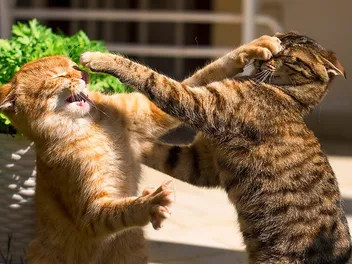
If an outdoor kitty stresses your indoor cat, redirected aggression is one of the biggest signs you may notice. Your cat can’t get outside to attack the source of their stress, so they turn their anger on other pets or even on you. Multi-cat households can turn into a war zone overnight through no fault of their own.
Cats can also display other physical and behavioral signs of stress, including:
If you are concerned or have questions about your cat's wellbeing, you can also speak to a vet from the comfort of your own home to help make a plan. They can determine when an in-clinic vet visit should be made.

How to Keep Outdoor Cats from Upsetting Your Indoor Cat
1. Block the View
One way to keep an outdoor cat from stressing your indoor pet is to keep your cat from seeing the intruder. You can block your windows with blinds or curtains or confine your cat to an interior room temporarily until you can keep the outdoor cat from coming around.

2. Remove the Attraction
In some cases, outdoor cats may be hanging around your yard because they’re attracted by a bird or squirrel feeder. If you remove or relocate the feeder, you may remove the incentive for them to be there.
3. Remove the Outdoor Cat
If you know who owns the outdoor cat upsetting your pet, try speaking to the owner about keeping their kitty confined. Many towns have rules about keeping pets restricted to their owner’s property. If you suspect the cat is a stray, contact your local shelter or community cat organization for assistance.

4. Keep the Outdoor Cat Out of Your Yard
If removing the cat completely is out of the question, here are a few options to repel them from your yard instead.
- Automatic lights or sprinklers can scare outdoor cats if they enter your yard.
- Discourage cats from digging in your flower beds by placing chicken wire, mulch, or other uncomfortable items under the soil's surface.
- Plant herbs like rosemary around your yard or garden. It’s safe for them to be around, yet most cats dislike the smell of the plants.
- If you have accommodating neighbors or open space in your neighborhood, try making a more appealing location for stray cats to gather. Plant catnip and other cat-friendly plants to attract kitties and provide shelter, food, water, and a “litter box” area.
- As a last resort, you may need to secure your property with a cat-proof fence.

Other Causes of Stress in Cats
It’s important to keep in mind that outdoor cats aren’t the only cause of stress and anxiety for your pets. Other common sources of stress are a new pet, baby, or human roommate entering the household. Cats can also become stressed by construction or loud noises inside or outside the house.
Cats can also develop separation anxiety or become stressed from boredom or medical issues. Many of the signs of stress we discussed earlier can also indicate health problems. You must rule out these medical issues before you conclude that stress is to blame.
A vet can also help you manage stress in your cat, no matter the cause. Possible solutions include medications, increased environmental enrichment, providing more litter boxes or beds, and giving your cat more one-on-one attention. Pheromone sprays or plug-ins may also help.

Conclusion
Outdoor cats can upset your indoor cat, causing numerous signs of stress and redirected aggression. However, you can try following our tips to help deal with the problem of kitty intruders and restore peace in your household. If you are struggling to handle your cat’s stress, do not hesitate to ask a veterinarian for help.
Featured Image Credit: Simol1407, Shutterstock
Expert cat care, straight to your inbox
News, insights, and useful advice, delivered to you.

No spam — unsubscribe anytime.
By signing up, you agree to our Terms & Conditions and Privacy & Cookies Policy.
How useful was this post?
Click a star to rate. You can leave written feedback afterwards. (We read all feedback.)
Elizabeth Gray is a lifelong lover of all creatures great and small. She got her first cat at 5 years old and at 14, she started working for her local veterinarian. Elizabeth spent more than 20 years working as a veterinary nurse before stepping away to become a stay-at-home mom to her daughter. Now, she is excited to share her hard-earned knowledge (literally--she has scars) with our readers. Elizabeth lives in Iowa with her family, including her two fur kids, Linnard, a husky mix and Algernon, the worldʻs most patient cat. When not writing, she enjoys reading, watching all sports, and spending time outdoors with her family.