My Cat Ate Silica Gel! Here’s What to Do (Vet Answer)

In this article
Cats are curious and love to play. The trouble is, cat-proofing your house is difficult. Cats are well-known for seeking out things they shouldn’t have. Sometimes this leads to serious complications. As pet parents, it can be a challenge to work out what is dangerous and what is not. So, is silica gel dangerous for cats? Will my cat be ill if they've eaten silica gel?

What Is the 'Do Not Eat' Packet?

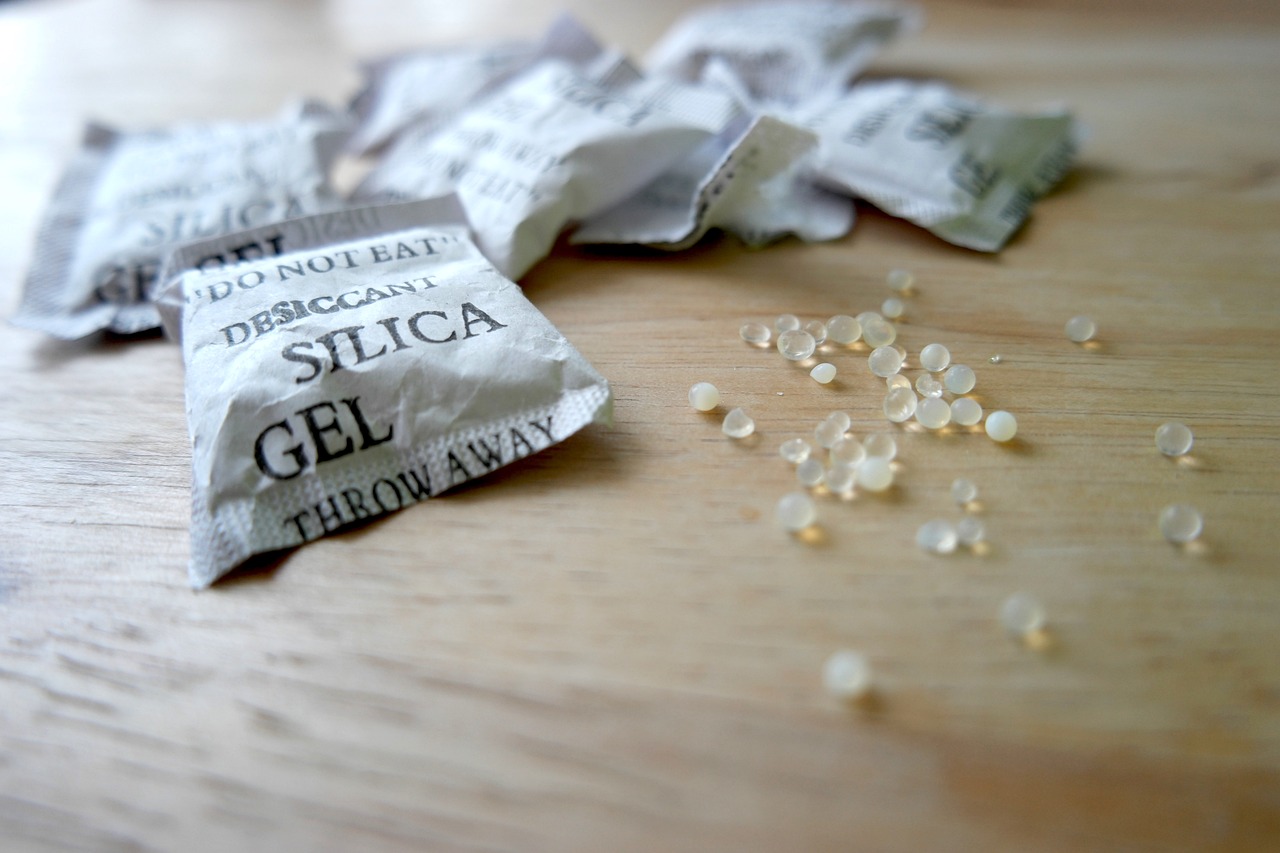
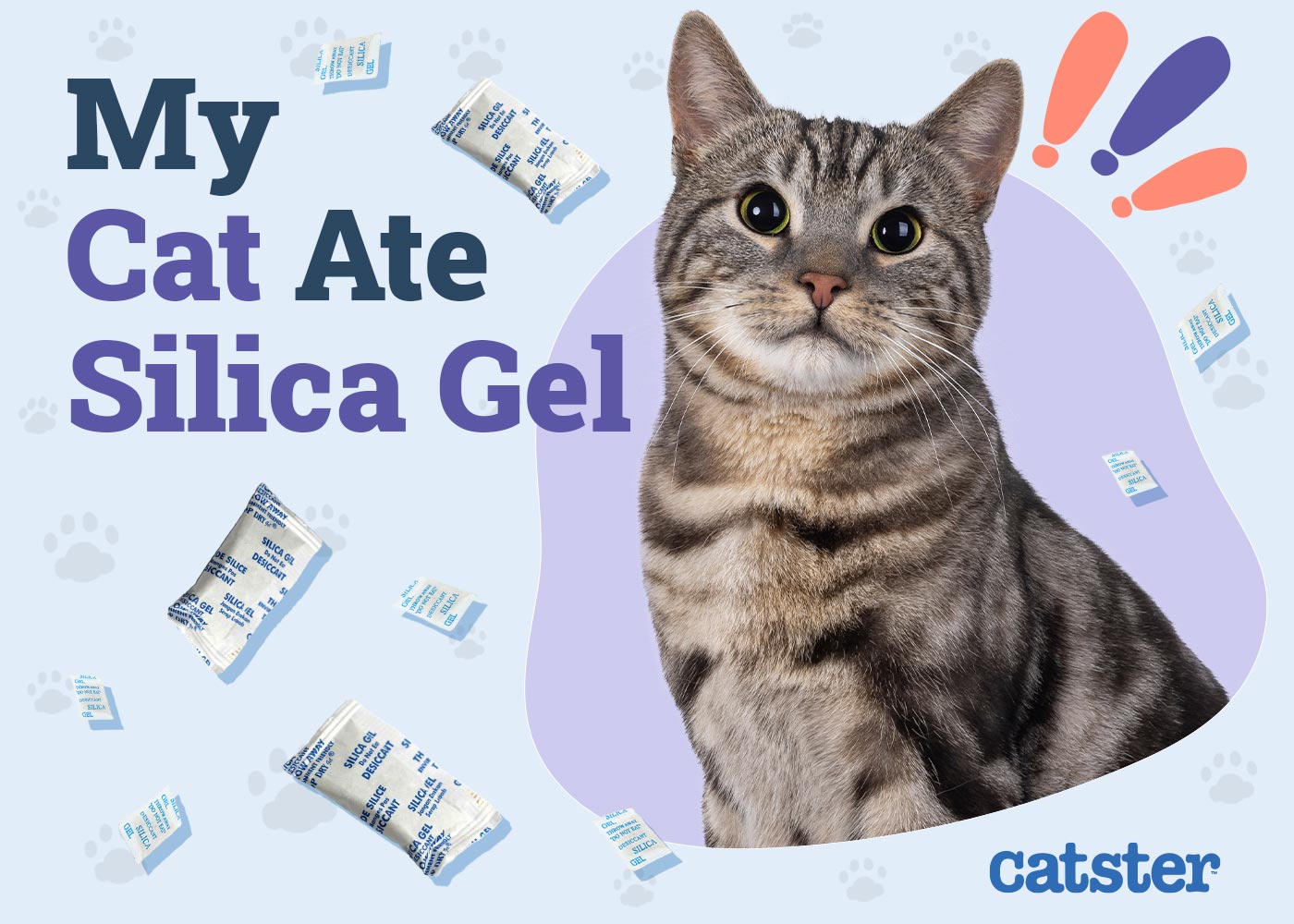
Silica gel is a water-absorbing material used in packaging to keep products dry. It comes in little paper bags or plastic tubes, and the contents look like tiny clear beads. The packet will usually say “silica gel,” so you know exactly what it is. Often, it will also say, “DO NOT EAT.”
Silica gel is found in a range of goods, from salami to handbags. Any product that will spoil if it gets moist will likely be packaged with silica gel. Cats love empty cardboard boxes, but please be cautious when leaving them around for your cats, as there could be small silica gel packets lurking in the bottom.
Is Silica Gel Toxic to Cats?
So, is silica gel toxic to cats? As a chemical, it is not toxic to cats when eaten. It is also safe if it gets on your cat’s skin or fur. The packets say “do not eat” because they are often inside packaged with food and not designed to be eaten. Rather than the gel being harmful, the packets containing the gel can cause issues for your cat. You can buy silica gel cat litter. Silica gel is good as litter because it’s absorbent. It is safe to use, and even if your cat took a few small nibbles, it would be unlikely to make them ill.
Eating silica gel in packets could cause tummy upset, so you need to be cautious. While uncommon, in some cases, if your cat ate a silica packet it could block their gut. So, the best advice is to keep silica gel packets away from your cat.
If you find your cat with a silica gel packet, don’t give yourself too much of a hard time—cats often find things they shouldn’t! Will your cat be okay if they eat silica gel? Yes, probably, but it’s still wise to read on and decide if you need to call your veterinarian.
Or if you have any questions, you can also chat with a vet online for advice on the best course of action.

What to Do if Your Cat Eats Silica Gel
If you see your cat playing with or eating a silica gel packet:
Your Cat Is Behaving Normally, the Packet Is Whole, & You Are Confident That It's the Only Packet:
Great news: There is no need to worry. Your cat will not get ill from just playing with silica gel, although it is not recommended. Cat-safe toys are a much better choice.
Your Cat Is Behaving Normally, the Packet Is Ripped or Broken, & Some Gel or Packet Might Be Missing:
Please don’t panic, but monitor your cat. Your cat will unlikely show any signs of ill health, but the gel or packet might irritate their gut, causing a mild tummy upset. If they are going to be unwell, it will probably happen between a few hours and a couple of days after the gel is eaten. They may vomit or have a few runny poos.
Your Cat Is Behaving Normally, & You Know a Whole Silica Gel Packet Is Missing, Maybe More:
The gel is not toxic even in large quantities, but it might irritate the gut and cause vomiting or diarrhea. The packet or packets combined with the gel may cause a more serious complication, however. Several silica gel packets in your cat’s stomach or intestines could cause a blockage. A blockage of the gut is an emergency. If you are missing a large or unknown number of silica gel packets, it is best to call your veterinarian for advice, even if your cat seems well.
What Do I Do if My Cat Is Unwell After Eating Silica Gel?
Signs your cat might show if they're unwell from eating silica gel:
You should call your veterinarian if your cat shows any of these signs after eating silica gel. Your cat could have a tummy upset for many reasons—it might not be the silica gel—but they still should be checked. Many tummy upsets get better with little or no treatment, but your vet should rule out a more serious issue. Silica gel packets, when swallowed whole or in large pieces, can cause blockage of the gut in cats, and it can be serious and life-threatening.

Can My Cat Choke on Silica Gel?
Choking is when something blocks the windpipe instead of being swallowed into the food pipe. This is unusual but can happen. If your cat is panicked and unable to breathe, you must get them to a veterinarian as an absolute emergency.
What Not to Do if Your Cat Has Eaten Silica Gel
If your cat has eaten silica gel, don’t try and make them vomit. Some home therapies for making cats vomit are dangerous for your pet. If your veterinarian thinks your cat needs to vomit, they will do it at the clinic.
Sometimes, if an inedible object has been eaten within the previous few hours, making a cat vomit is an appropriate way of getting it out before it causes a blockage, but a professional veterinarian should only do this. Some objects can do more damage on the way back up than they will from staying where they are.
My Cat Is Unwell After Eating a Silica Gel Packet – What Will My Veterinarian Do?
It is unlikely that your cat will be unwell after eating silica gel. But if they ate a lot of gel or the packet is large, they could be. If your cat is vomiting or has diarrhea after eating silica gel but is still eating and behaving normally, your vet might simply treat your cat for an upset stomach. However, vomiting and diarrhea can be signs of a more severe condition, like an obstruction.
If your cat has only just eaten a large packet and your veterinarian is worried about a blockage happening, they may choose to make your cat vomit. They will use drugs to do this and monitor your cat carefully.
Your veterinarian will examine your cat, and if they think there is a blockage, they will recommend further tests. These might include scans and x-rays to help confirm an obstruction and let the vet know where it is. If confirmed, your cat will need surgery under a full anesthetic. The risk of the surgery depends on where in the gut the obstruction is and how long it has been there.

Final Thoughts
Silica gel is not harmful when swallowed. Usually, silica gel packets are small. Small packets of silica gel are unlikely to cause a problem, even if your cat swallows them. Sometimes cats can get mild tummy upsets but nothing more. However, larger packets or several of them could get stuck in your cat’s gut and make them seriously ill. It is best to keep silica gel packets away from your cat, just in case.
Related Reads:
Featured Image Credit By: Andreas Lischka, Pixabay

Expert cat care, straight to your inbox
Vet-reviewed advice, behavior tips, and the best of Catster. Free, and you can unsubscribe anytime.
By signing up, you agree to our Terms & Conditions and Privacy & Cookies Policy.
Dr. Joanna Woodnutt BVM BVS (Veterinarian)
Joanna is an experienced veterinarian working in the UK. She has written about pets and their health for many blogs, pet magazines and pet websites and loves to help readers understand their pets through her writing.
She has started her own freelance company so she can help more pet parents than just the one standing in front of her in a consultation room.
She enjoys teaching and educating clients, so a career in writing, public education and pet health is the perfect combination for her.
Join the conversation
Ask a question, share your story, or send private feedback.