My Cat Ate Styrofoam! Here’s What to Do (Vet Answer)

In this article
Some cats are determined to get into mischief and end up eating things they shouldn’t—food or otherwise! If you suspect your cat has eaten Styrofoam, read on to find out what you should do.

What Is Styrofoam?
Styrofoam is a type of polystyrene or plastic foam material that has various uses. It is most commonly used for packaging and comes in several forms, including packing peanuts, blocks, and beans. Styrofoam beans are often found inside soft toys and other household items such as bean bags. Styrofoam is also sometimes used for food containers such as burger boxes or coffee cups. These might be more attractive to your cat as they will often have residual food flavors, which may encourage your cat to try eating them.
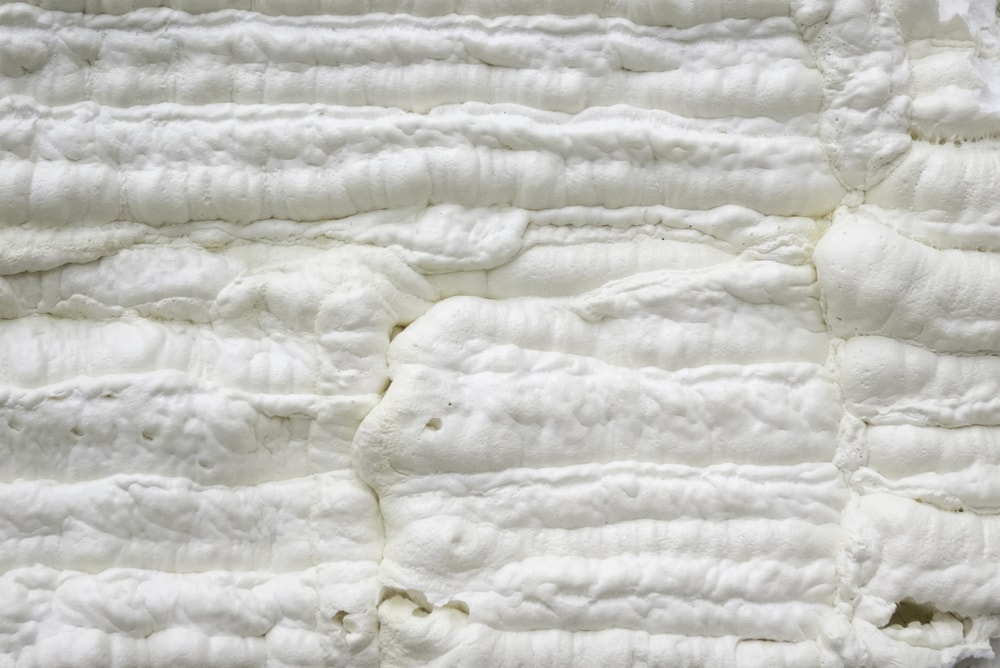
Styrofoam is also used as an insulation material in buildings or around pipes. If your cat roams outdoors, he might find Styrofoam on nearby building sites. Styrofoam peanuts are commonly used in packaging to protect items during delivery. These are likely to appeal to your cat’s playful nature as they are light and easy to bat around. Some more inquisitive cats might be tempted to chew on them as they have a soft and airy texture.

Dangers of a Cat Eating Styrofoam
The main risk to your cat from eating Styrofoam is that it can cause a blockage in your cat’s stomach or intestines. A partial blockage can cause your cat to display symptoms such as vomiting or diarrhea, and a full blockage is classed as a surgical emergency. Both types of blockages can be life-threatening, and your cat will need prompt veterinary treatment and possibly surgery to remove the blockage.
The other risk is that your cat accidentally inhales a small piece of Styrofoam when playing with it. If it becomes stuck in your cat’s airway, it could stop him from breathing which could prove fatal. Call your veterinarian immediately if this happens.
Although Styrofoam is unlikely to be poisonous for your cat, some types do contain chemicals that could irritate your cat’s mouth or digestive tract. This may cause him to salivate excessively or could even cause him to vomit. In large quantities, these chemicals could be toxic, but your cat is unlikely to eat enough Styrofoam to cause any toxic effects. Your veterinarian might suggest a blood test just to be sure.
My Cat Ate Styrofoam – What Do I Do?
Frequently Asked Questions
What Happens if a Cat Eats Styrofoam?
If your cat eats Styrofoam and gets a blockage in his guts, he will start showing signs of illness. He may be quieter than usual and more lethargic. Other signs of a possible blockage include vomiting, diarrhea, and a lack of interest in food and or water. All of these can quickly lead to your cat becoming dehydrated.
Blockages of the digestive system are life-threatening, so it is important to contact your veterinarian immediately if you suspect your cat has eaten Styrofoam or if he is showing any signs of illness.
Will My Cat Be Ok if They Ate Styrofoam?
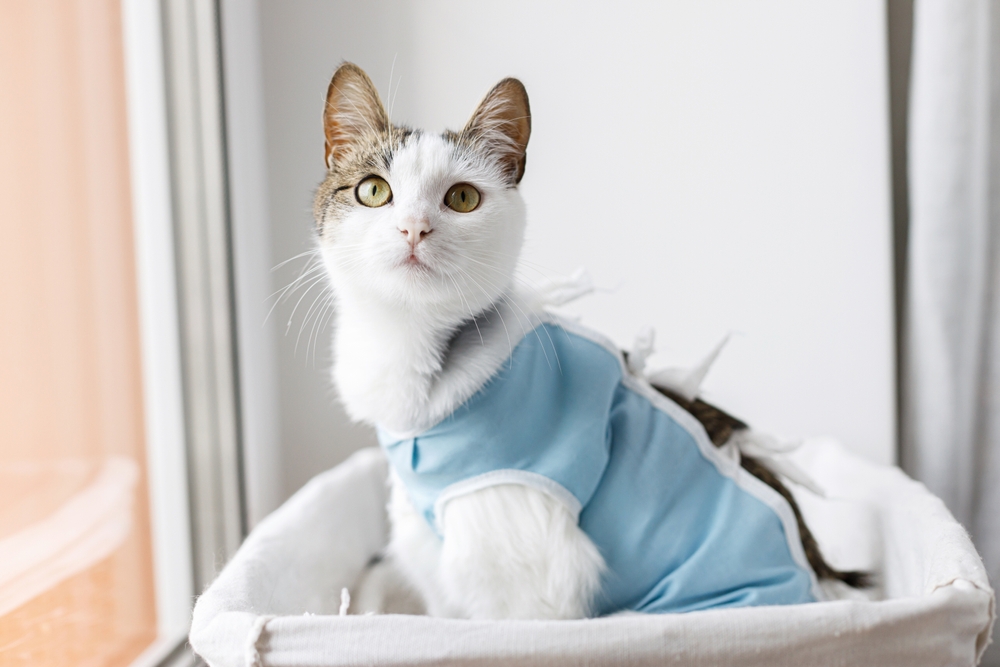
If your cat has eaten Styrofoam and he is unwell, particularly if he is vomiting, your veterinarian will perform further tests to check whether he has a blockage. This might involve x-rays or an ultrasound of his abdomen. He might need a stay in the hospital so that he can receive medications to make him better, and he might also need fluids through a drip to correct his dehydration. If your veterinarian suspects that there is a blockage, surgery might be required to remove it. The earlier the blockage is treated, the better your cat’s prognosis.
Your veterinarian might decide that your cat just needs monitoring, either at home or in the hospital, depending on how ill he is. Always follow your veterinarian’s advice; they will tell you any signs to watch out for.

How Long Does It Take to Pass a Blockage?
If your veterinarian suspects that the Styrofoam is passing through your cat’s digestive tract without causing any problems, they will usually tell you to monitor your cat’s feces to check that he has passed it. It will usually take around 10–24 hours from when your cat eats the Styrofoam for it to be passed in his feces. However, it could take much longer than this.
Can Cats Digest Styrofoam?
Cats cannot digest Styrofoam, but some packing materials that may look like Styrofoam, such as packing peanuts, are actually made from corn starch. Corn starch is biodegradable and much more environmentally friendly than traditional Styrofoam. It is easy to tell the difference as corn starch foam will dissolve if you place it in water. These types tend to be less hazardous to your cat as they should dissolve in your cat’s digestive system rather than causing a blockage. It is still important to tell your vet if your cat has eaten any type of packaging so that they can give you further advice.
How Do I Stop My Cat from Eating Styrofoam?
The best way to stop your cat from eating Styrofoam is to prevent him from having access to it! Make sure that any food packaging items, such as Styrofoam meat trays, are disposed of right away since they are likely to be more tempting for your cat to eat! Never encourage your cat to play with Styrofoam; this will make him more likely to seek it out in the future.
Conclusion
Cats are inquisitive pets and tend to show an interest in things they sometimes shouldn’t! Be sure to keep Styrofoam packaging out of your cat’s reach, and don’t allow him to play with packing peanuts. If you are concerned your cat may have eaten Styrofoam or any other foreign object, contact your veterinarian for advice.
See also:
Featured Image Credit: Pixabay

Expert cat care, straight to your inbox
Vet-reviewed advice, behavior tips, and the best of Catster. Free, and you can unsubscribe anytime.
By signing up, you agree to our Terms & Conditions and Privacy & Cookies Policy.
Dr. Joanna Woodnutt BVM BVS (Veterinarian)
Joanna is an experienced veterinarian working in the UK. She has written about pets and their health for many blogs, pet magazines and pet websites and loves to help readers understand their pets through her writing.
She has started her own freelance company so she can help more pet parents than just the one standing in front of her in a consultation room.
She enjoys teaching and educating clients, so a career in writing, public education and pet health is the perfect combination for her.
Join the conversation
Ask a question, share your story, or send private feedback.