Get

In Your Inbox

Catster is reader-supported. When you buy via links on our site, we may earn an affiliate commission at no cost to you. Learn more.

Will Insulation Hurt My Cat If They Touch It? Vet-Reviewed Prevention Tips & Safety Info

Share

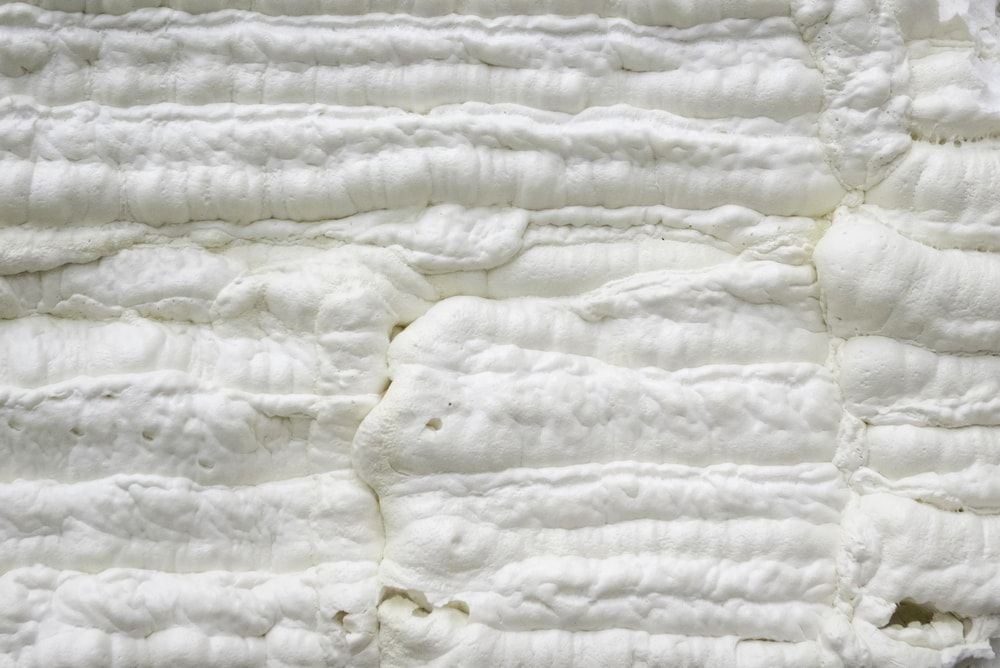
Foam construction insulation

Most (but not all) wall or hardware insulation isn’t going to harm your feline if they only touch it. However, it isn’t digestible, so if your feline eats it, it can cause chemical toxicities and/or gastrointestinal blockage. Such incidents are considered medical emergencies and require prompt veterinary input.

In most cases, insulation isn’t toxic to the touch. However, that doesn’t mean you should let your cat near it. If your feline is close enough to touch it, they’re also close enough to inhale airborne dust, which can irritate their lungs, nose, throat, and eyes. It’s this dust that’s the real problem. Therefore, it’s best to keep your cat away from insulation. Some insulations (like those made of fiberglass) can indeed cause issues when they’re touched.

If your cat comes into contact with insulation dust, they may show signs of discomfort, such as coughing, runny eyes, or an unexplained itch. Depending on your cat, these signs may either be transient or persist even after you’ve removed your cat from the area. If irritation continues or for your own peace of mind, you should take your cat to the veterinarian.

divider cats oct 2024

Is Foam Insulation Toxic to Cats?

If your pet consumes foam insulation, you should immediately call your vet. It isn’t safe to eat and can cause toxicity. Fast action is required to keep your pet safe. The situation counts as an emergency, so you should visit the emergency vet if it’s after hours. However, every type of home insulation can cause toxicity if eaten. It isn’t just foam insulation but all insulation.

Newer insulation is safer than old insulation. Older insulation often contains asbestos, which is very toxic. While the substance is now illegal, it can be found in many older homes. Be extra cautious if you’re renovating an older home. You should always have professionals check for the presence of asbestos since it can also be very harmful to your lungs.

Even newer insulation can contain harsh chemicals, which can harm your pet, especially if they eat them. Luckily, insulation isn’t toxic if your cat doesn’t eat it. Coming into contact with the dust of the insulation won’t cause serious health effects, though it can irritate felines.

Worker insulates house
Image Credit: Igor Meshkov, Shutterstock

Signs of Insulation Poisoning in Pets

Several signs of insulation poisoning may occur if your cat consumes it. Luckily, these can often be treated quickly and efficiently by a veterinarian. It is important to take your pet to the vet right away, though, as putting off treatment can be deadly.

Signs of toxicity include:
  • Agitation
  • Bruising and bleeding
  • Diarrhea
  • Drooling
  • Hunched posture
  • Lethargy
  • Lack of appetite or refusing to eat altogether
  • Retching (but not producing anything)
  • Vomiting
  • Yowling in pain
  • Problems urinating
  • Seizures
  • Wobbling when standing

If your cat is acting somewhat strange and you know that they came into contact with insulation, we highly recommend immediately taking them to a vet.

Even if your pet doesn’t eat insulation, coming into contact with certain types can cause skin problems. Fiberglass insulation is extremely irritating to the skin and should only be handled with gloves. Cats can get it stuck in their fur, causing irritation and redness. Often, this irritation occurs in places without much fur, like the cat’s stomach.

Some cats do seem more prone to irritation than others. Cats with more fur tend to be less prone, as their fur protects their skin from direct contact with fiberglass. However, cats with less fur are at a higher risk.

divider 1 paws

What Is Safe Insulation for Cats?

If you have a cat, you may be wondering about the best insulation to use with them around. No commercial insulation used in a home is safe for cats to eat or be around. Therefore, instead of looking for safe insulation, you should focus on keeping your cat away from the insulation. Preferably, your cat should be elsewhere while you’re adding insulation to your house.

A woman with a cat on a leash walking along a path in the park
Image by: Nau Nau, Shutterstock

Will Cats Eat Insulation?

Cats rarely eat insulation. In most cases, it doesn’t seem like food for cats, and felines tend to be more discerning about what they eat than dogs. Instead, they may play in it and develop dermatitis.

However, some cats may accidentally consume it while playing with it. Even if they don’t mean to eat it, they can accidentally.

How Is Insulation Ingestion Treated?

If your cat consumes insulation, there are many treatment options your vet may pursue. An X-ray may be called for to determine where the insulation is lodged inside your cat’s intestines. Your vet may perform bloodwork to check on your cat’s organ function. Other diagnostic tests include ultrasounds or an endoscopy (if your cat only recently ate the insulation).

Some obstructions may require surgery. This is mandatory if the insulation is causing a blockage along your pet’s digestive tract. After the procedure, your veterinarian may prescribe other medications for your pet, such as painkillers or supplements.

vet examining cat in x-ray
Image by: PRESSLAB, Shutterstock

How Can I Prevent My Cat From Eating Insulation?

Cats are naturally curious and playful animals, and it can be difficult to keep them from exploring and playing with new and interesting things in their environment, including insulation.

However, insulation can be dangerous for cats to play with, as it can contain chemicals or fibers that can be harmful if ingested or inhaled.

Here are tips to help keep your cat from playing with insulation:
  • Block access: One of the simplest ways to keep your cat from playing with insulation is to block their access to it. If the insulation is in an attic or crawl space, consider installing a sturdy door or gate to prevent your cat from getting in. If the insulation is in a more open area, you should move it to a place that your cat cannot access. Fences do little to deter cats, as they are often athletic enough to easily scale them.
  • Cover the insulation: If blocking access isn’t practical, consider covering the insulation with a barrier like a tarp, chicken wire, or This will make it more difficult for your cat to access the insulation.
  • Supervise your cat: Finally, supervise your cat whenever they are in an area with insulation. This will allow you to redirect their attention if they start to play with the insulation and to prevent any potential harm.

divider 2 cats

Conclusion

Cats shouldn’t be allowed near insulation. It usually isn’t toxic if they touch it, but it can cause toxicity and irritation when eaten, and some are skin irritants when touched. Even if cats don’t see the insulation as food, they may accidentally nibble some while inspecting it. Veterinary care is necessary for this situation, as insulation can cause an intestinal blockage because it isn’t digestible.


Featured Image Credit: zossia, Shutterstock

Want content like this delivered to you?

Sign Up For Our Newsletter

News, insights, expert advice, and everything cat

* By submitting, you agree to our Terms & Conditions and Privacy & Cookies Policy.


How useful was this post?

Click on a star to rate (you can leave written feedback after clicking submit)

Help us improve Catster for pet parents!

Your feedback really matters.

What did you like about this post? Also how can we improve it?

Join the conversation

Leave a Reply

You’re very welcome to leave a comment or question. Please know that all comments must meet our community guidelines, and your email address will NOT be published. Let’s have a positive and constructive conversation.


Catster's Digital Magazine is Back!

Vet-approved health & behavior advice

Real cat stories & community features

Chatting About the Importance of Spaying/Neutering, Cat Retail Shopping Ban & Red-Level Storms | Chatty Cattys, Episode 30

In this episode of Catster’s Chatty Cattys podcast, Nicole and Dr. Karyn are celebrating a major legal win for pets before diving into...

Is Your Cat Happy? Here’s How You Can Tell

Cats have a reputation for being indifferent, even inscrutable. But despite their seemingly ambivalent appearance, cats experience many emotions, including happiness, and they...

Human Brains Age Like Cats – New Study Debunks the 7-Year Rule

If you’ve ever caught your senior cat staring blankly at a wall, wandering the halls at 3 am, calling out for no clear...

Chatting with Devin About Here! Have a Kitten, Fostering, & Why Two Are Better Than One | Chatty Cattys, Episode 29

In this episode of Catster’s Chatty Cattys podcast, Nicole & Dr. Karyn sit down with Devin, the founder and one-woman show behind “Here...

More related

PawTree Tear & Saliva Stain Remover Chews Review 2026: A Detailed Look

Just about every owner of a light-colored dog or cat knows the struggle with tear stains is real. Often, switching to a higher-quality...

meowbox vs. KitNipBox: The Differences Explained (2026 Update)

KitNipBox and meowbox are subscription boxes for a cat’s entertainment (and let’s be honest, for their owner’s entertainment, too). They contain cat toys...

Why Does My Cat Bite My Feet? 6 Vet-Approved Reasons for This Behavior

As cat owners, we know that the price of being owned by a cat also means dealing with a lot of crazy and...

Cat Bitten by Snake, What Should I Do? Our Vet Explains

Luckily for our feline friends, snake bites in cats are relatively rare compared to their canine counterparts. Cats tend to be savvier than...

Keep reading

Is My Cat Deaf? 6 Vet Approved Ways to Tell

If you’ve been asking yourself, “Is my cat deaf or ignoring me?”, you’ve probably noticed changes in your cat’s behavior. Maybe they are not responding to your voice like they used to, or perhaps they seem oblivious to the vacuum...

cat ear close up

My Cat Has Worms: How Do I Clean My House? Vet Approved Guide

Living with cats can be full of play, laughs, and plenty of cuddles, but there are always aspects of cat ownership that aren’t fun, such as when your cat gets worms. You’ll need to know what steps should be taken...

Bengal cat next to a bucket of detergents home cleaning

My Cat Ate a Chicken Bone! Here’s What to Do (Vet Answer)

For most cats, a chicken bone is a temptation that’s hard to resist! Wild cats often consume their prey without removing the bones, but domesticated cats are unaccustomed to eating wild cat meals. So can cats eat chicken bones? Whether...

My Cat Ate a Chicken Bone

What Do Cats in Heat Sound Like? (With Audio Examples)

Unspayed female cats will go into heat a few times a year. During this period, the feline will be receptive to mating. To draw in a mate, nature has given the female cat many tools, one of which is meowing—loudly!...

tricolor cat in heat

Will a Cat’s Whiskers Grow Back If They’re Cut Off? Vet Approved Facts & Risks

Prickly and cute, your cat’s whiskers aren’t merely adorable accessories. They are more like highly specialized antennae that guide your cat around the house and help them estimate tight squeezes and high jumps. Without their whiskers, your cat would be...

close up of cat whiskers

Why Do Cats Bury Their Poop? 3 Vet-Verified Reasons for This Behavior

Burying items, especially waste, is not at all uncommon in the animal kingdom. Dog owners have long witnessed this behavior from their canine pals, who love to bury all sorts of goodies. But cat owners observe their cats carefully burying...

two cats looking at the litter box

How to Check Your Cats Heart Rate: Vet-Reviewed Advice & Tips

As a pet parent of a beloved cat, you want the cat to be happy, healthy, and well-fed. You do everything in your power, from taking the cat to the vet for checkups to buying only the best high-quality, protein-filled...

nebelung cat in vet clinic

Why Doesn’t My Cat Cover Their Poop? 6 Reasons & How to Fix It

If you have always thought that it was natural for your cats to cover up their poop, think again. When we compare this behavior to those of wild cats, we see a wide gap. In domesticated cats, these tendencies are...

cat pooping in the litter

Love Cats? So Do We! Join the Catster Community

Stay informed with expert pet care insights delivered straight to your inbox! Discover professional guidance on animal behavior, feeding tips, trusted product picks, and much more.


Sign up for the Catster Email Newsletter

Stay informed with expert pet care insights delivered straight to your inbox! Discover professional guidance on animal behavior, feeding tips, trusted product picks, and much more.