Will a Cat Eat Rat Poison? How to Use It Safely Around Them



In this article
Everyone has heard the old adage that curiosity killed the cat, but anyone who’s spent time around cats knows just how dangerously curious they can be.
Cats lack the same type of self-preservation that humans have, which often leads them to unintentionally put themselves into dangerous situations. One way that cats often endanger themselves is through things that they eat, whether it be rat bait, sewing needles, hair ties, or medications. Another risky item that many homes use is rat poison, but would your cat actually eat it?

Will Cats Eat Rat Poison?

Rat poisons are typically flavored in ways to make them more appealing to rats and mice, which can also make them more appealing to other animals, including cats. While cats can be picky about certain things, some cats absolutely will eat rat poison when given the opportunity. In your cat’s mind, that block of bait could be a tasty treat.
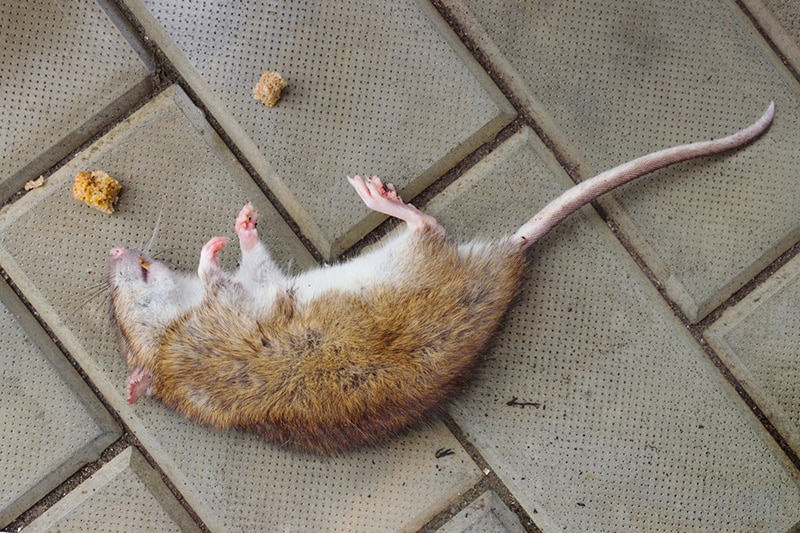
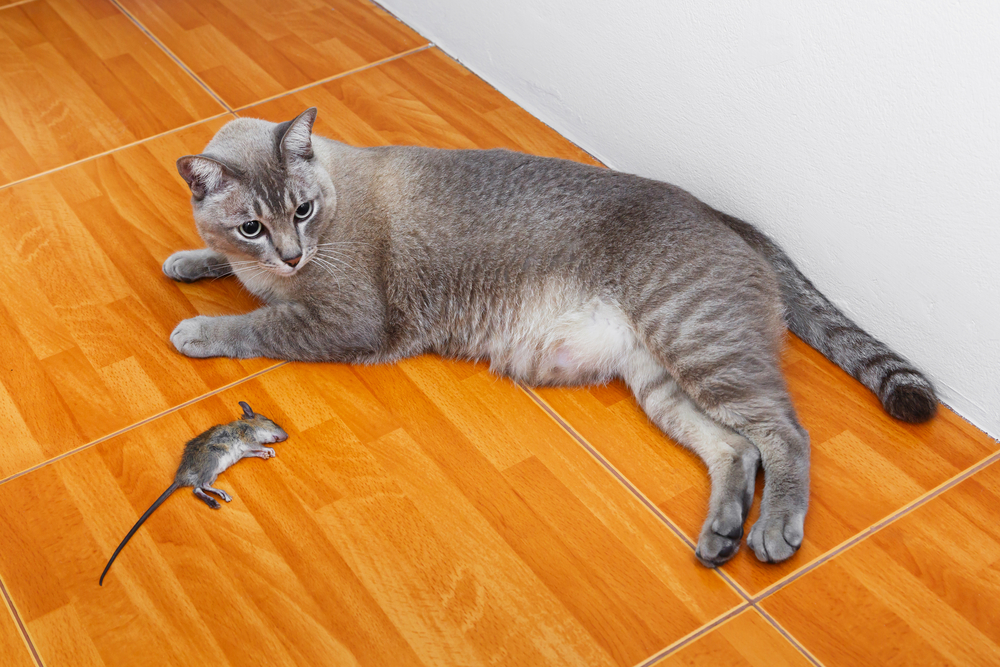
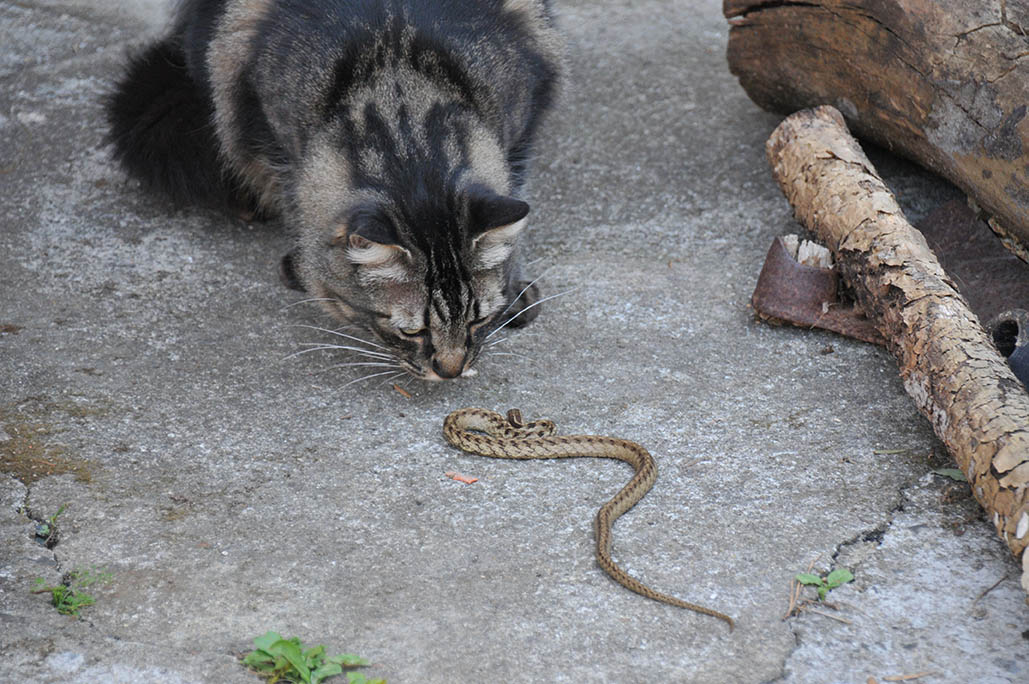
Another way that cats often ingest rat poison is by consuming an animal that has eaten rat poison. There are a variety of rat baits on the market using different active ingredients, and they act via a variety of mechanisms. This means that your cat may kill and eat a rat or mouse that is still roaming around with rat bait in its system, or they may find an animal that is already dead and consume it from there.
Can Rat Bait Be Safely Used Around Cats?
It can be difficult to keep your cat safe with rat bait around, but with the proper precautions, it can be done. The most important part of using rat poison around cats is to always keep it well out of reach. Since cats can squeeze into small spaces and climb to high-up places, this can be difficult to do. Making use of special poison boxes and pet-safe poisons are recommended options.
When it comes to indoor spaces, rat poison should only be kept in places that your cat absolutely cannot reach, like locked rooms. Sometimes, you may be able to put rat bait underneath or behind appliances in such a way that your cat will not be able to reach it.
If your cat is always indoors, then you should be able to safely use rat poison outside of your home. However, it’s important to remember that rat poison has the potential to poison other animals, like stray cats and dogs, so place it in places where animals other than the intended target are unlikely to get to it. If you have outdoor cats or indoor/outdoor cats, then using rat poison is risky.

Signs to Look For
As we have already mentioned, a cat’s curiosity can get them into quite a bit of trouble. Even if you have done your best to keep your cat away from rat bait, if you notice your cat near the bait, there is always a chance that they got a nibble of it, whether they snuck into the area where you were using it or ate a rat that had already consumed the poison.
Surely, if your cat ingested any rat bait, you’re going to need to recognize the signs of poisoning right away.
They are:
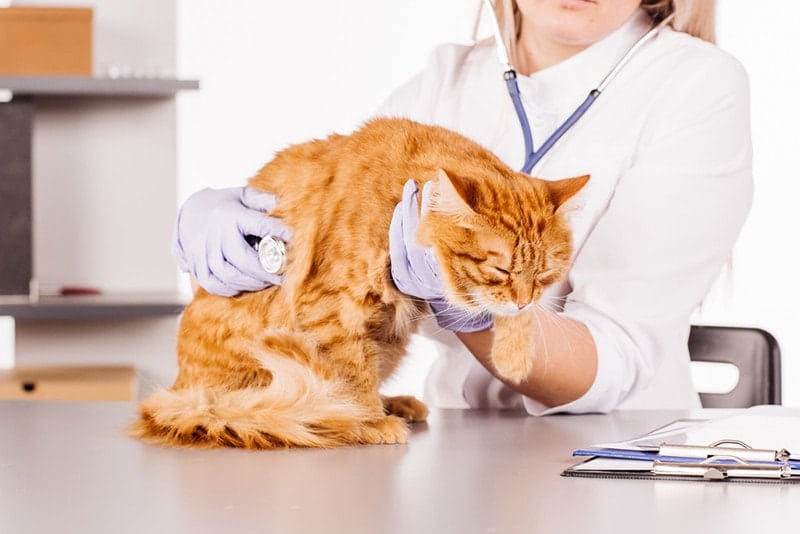
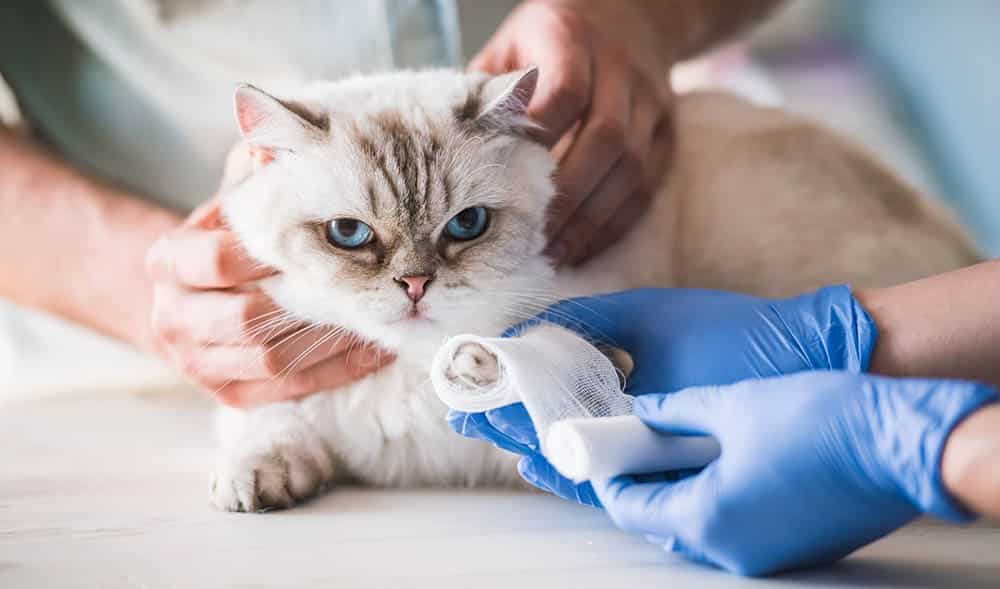
If your feline is experiencing any of these signs and you’ve got rat bait on the property, you need to get in touch with your vet immediately and, if possible, bring the type of bait you used with you to the vet’s office.
Conclusion
Rat poison is usually enhanced with flavors to attract animals to it. Unfortunately, this can result in your cat being attracted to the poison and eating it. Whether your cat is curious and tends to play with things they find or play with their food, rat poison can be a risk in your home.
In general, rat poison is a risky business in a home with pets or small children. If you have problems with rats or mice on your property, then your safest option will be to discuss options with a professional exterminator. They'll be able to help you choose the extermination methods that are most appropriate for your situation, as well as help you select the best places to place whatever extermination method you use where it will be effective without endangering any of the people or animals in your home.
Pet-safe poisons and bait boxes are recommended.
Featured Image Credit By: VVVproduct, Shutterstock

Expert cat care, straight to your inbox
Vet-reviewed advice, behavior tips, and the best of Catster. Free, and you can unsubscribe anytime.
By signing up, you agree to our Terms & Conditions and Privacy & Cookies Policy.
Brooke Billingsley, a former veterinary assistant for nine years, became a nurse in 2013. She lives in Arkansas with her boyfriend of five years, surrounded by her beloved pets: three dogs, two cats, five fish, and two snails. Brooke has a soft spot for special needs animals, caring for a three-legged senior dog and a widely known cat with acromegaly and cerebellar hypoplasia. She has developed a keen interest in fish keeping and is always learning how to provide the best environment for her aquatic pets. In addition to her passion for animals, Brooke enjoys gardening and maintains a vegetable garden during the summer. She stays active with yoga and received her 200-hour yoga teacher certification in 2020. Brooke also hosts a podcast that delves into folklore and myth, dedicating her spare time to research and writing. She embraces the philosophy that every day is an opportunity for learning and growth, continually working to acquire new skills and knowledge.
Join the conversation
Ask a question, share your story, or send private feedback.