Don’t Panic Yet: What Happens When Cats Eat Silica Gel Packs


In this article
If your cat just chewed on a “DO NOT EAT” packet, take a breath. This is one of the most common pet-parent panics, and it happens because cats insist on investigating anything crinkly, tiny, or mildly forbidden. Silica gel may sound alarming, but fortunately, it’s far less dangerous than it seems. Still, there are a few important things to know so you can decide whether to simply monitor your cat or call your vet.
Let’s walk through what silica gel really is, what the risks are, and how to handle the situation calmly and safely.

What Silica Gel Actually Is (And Why It’s in Everything)
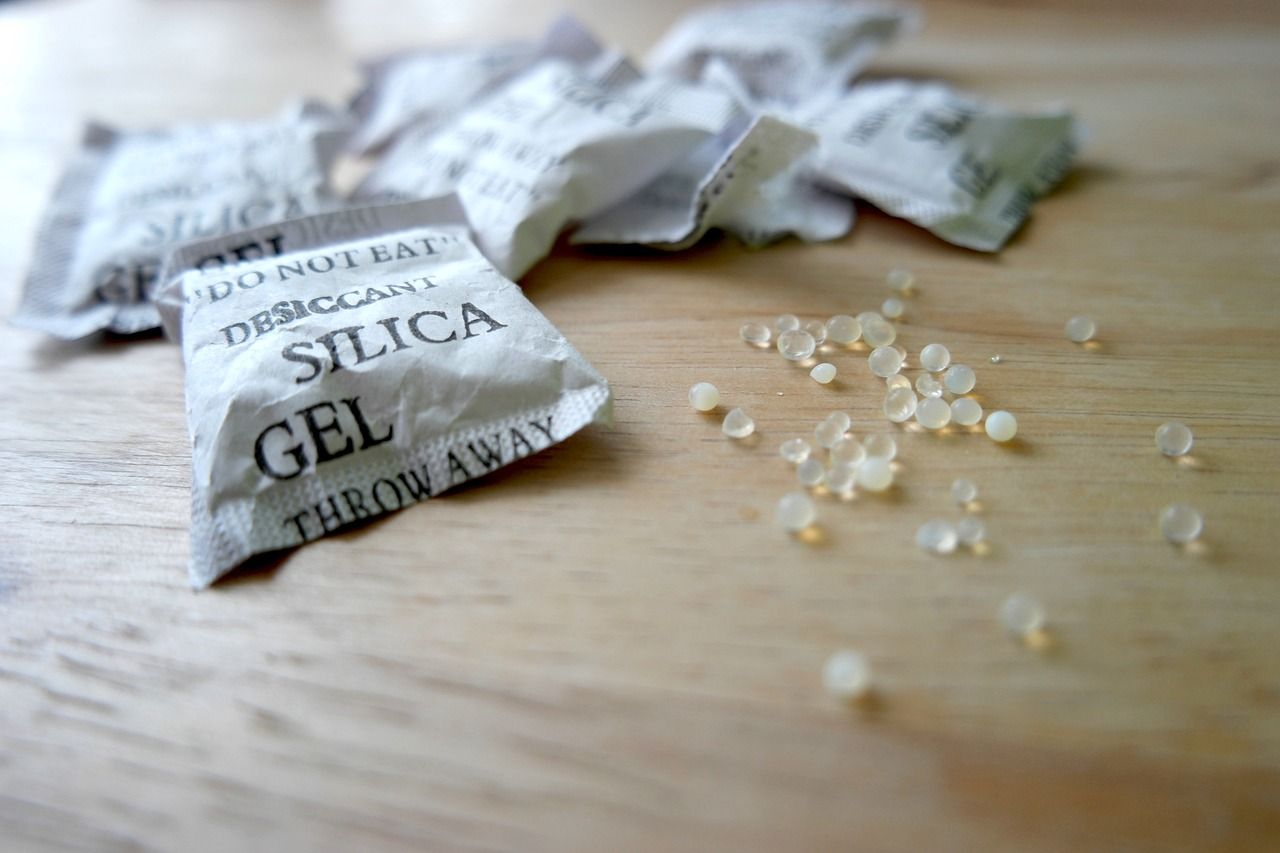
Silica gel packets are moisture-absorbing pouches tucked into products to keep them dry. Inside are tiny clear beads that look a bit like fish eggs or mini crystals — irresistible to a curious cat. They appear in everything from handbags to snack packs to shipping boxes, which is why cats often stumble upon them during their everyday “box inspections.”
Despite their intimidating “DO NOT EAT” labels, the silica gel itself isn’t placed there because it’s poisonous; it’s simply not meant to be eaten. The material is non-toxic to cats, safe on skin and fur, and even used in many silica-based cat litters. So if your cat nibbled a bead or two, toxic poisoning is not the worry here. The bigger concern is the physical packet itself and whether any part of it was swallowed.

When Silica Gel Becomes a Problem for Cats
Even though the gel isn’t toxic, silica packets can still cause temporary tummy irritation. A few beads may lead to mild vomiting or soft stool within a couple of hours or up to a couple of days after ingestion. Most cats bounce back easily from this.
The more serious situation, though still uncommon, is when a cat swallows an entire packet or multiple packets. A whole pouch can potentially block the stomach or intestines, and that is an emergency. Signs of blockage include vomiting, diarrhea, or no stool at all, refusing food or water, low energy, and acting withdrawn.
Choking is also possible, though rare. This happens if the packet lodges in the windpipe instead of being swallowed into the food pipe. If your cat is panicked, open-mouth breathing, or cannot breathe, they need immediate emergency care.
The takeaway: silica gel itself is safe, but the packet can cause mechanical problems if swallowed whole.

What to Do When Your Cat Eats or Plays With a Packet
If you catch your cat batting around or chewing on a silica gel packet, remove it gently and take a quick assessment:
Is the packet intact?
If the packet is whole, and your cat is acting totally normal, there’s usually no reason to worry. They likely just enjoyed a crinkly “toy.”
Is the packet ripped?
If the packet is torn and some beads are missing, monitor your cat closely for mild digestive upset. Most cats remain perfectly fine, but keep an eye out for vomiting, diarrhea, or any changes in appetite or activity.
Is a whole packet missing?
If you know or strongly suspect your cat swallowed an entire packet, contact your veterinarian for guidance, even if your cat appears fine. A blockage can take time to develop, and early advice is safest.
Is your cat showing any concerning symptoms? Vomiting, diarrhea, refusing food, refusing water, lethargy, or a sudden change in behavior warrants a call to your vet. These symptoms may not be caused by silica gel, but they always deserve medical attention.
One of the most important things is DO NOT try to make your cat vomit at home. Human “home remedies” are dangerous for cats and can cause burns, breathing complications, or worsening injury. If your vet thinks vomiting is necessary, they’ll use medications that are safe and monitored closely.

How Veterinarians Handle Silica Gel Concerns
If you contact a veterinarian, they’ll start by asking what your cat ate, when it happened, and whether any symptoms are present. For cats who only ingested small amounts of gel, vets typically treat mild stomach upset as needed.
If a large packet may have been swallowed or if your cat is showing symptoms of obstruction, your vet may recommend imaging such as X-rays or scans. This helps determine whether a blockage is forming and where it is located. In cases where the packet was swallowed very recently, your vet may induce vomiting using safe medications.
If a blockage is confirmed, surgery is usually required. The risks depend on how long the obstruction has been present, which is why early intervention is so important.
Conclusion
Most cats who get into silica gel packets end up perfectly fine. The gel itself isn’t toxic, and many cats never experience more than a mild tummy wobble. The main risks, choking or intestinal blockage, are uncommon but worth taking seriously. Keeping packets out of reach and checking boxes before letting your cat play can prevent most situations entirely. With quick awareness and a calm approach, you can help your curious feline stay safe and healthy.
Feature Image Credit: Ann San_Pixabay
Did You Know?
- Our brand-new posts are rounded up and included in our weekly emails. Don't miss out on the latest - sign up for our newsletter below!
Expert cat care, straight to your inbox
News, insights, and useful advice, delivered to you.

No spam — unsubscribe anytime.
By signing up, you agree to our Terms & Conditions and Privacy & Cookies Policy.
How useful was this post?
Click a star to rate. You can leave written feedback afterwards. (We read all feedback.)
Dan has been working in the pet world for over 4 years covering cats, dogs, and all other pets in between. He loves helping pet parents keep their companions happy, healthy, and of course, totally spoiled! Originally from London, Dan now travels and works remotely, which unfortunately means no pets at home, but it gives him plenty of opportunities to fuss over other people's furry friends.