How Can I Tell If My Cat Is Overstimulated? 10 Vet-Reviewed Signs to Look For


In this article
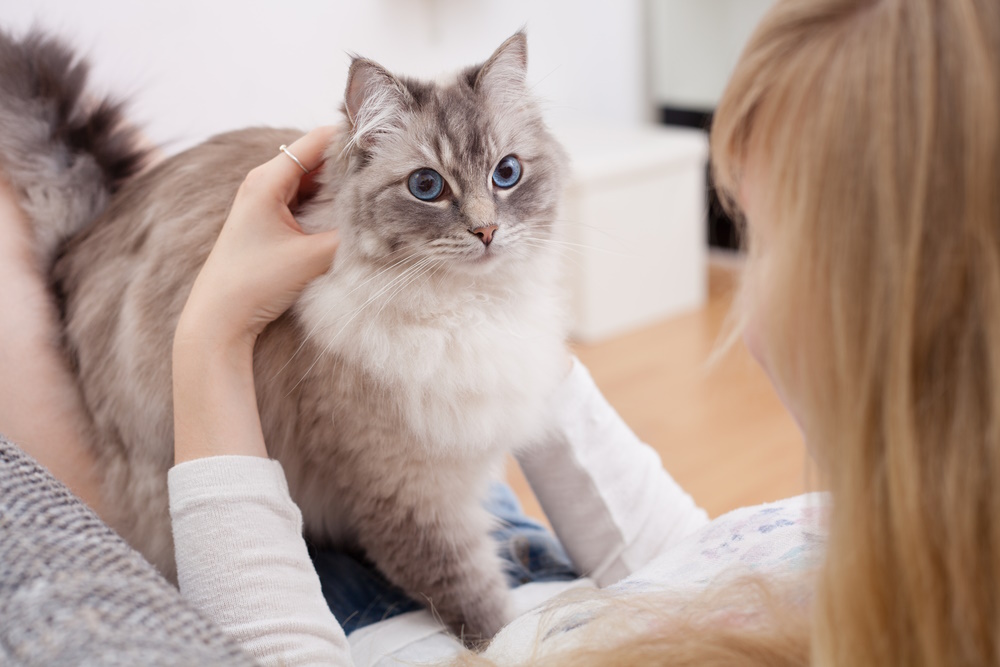
If you’re a cat parent, you know that cats are not only curious but also display curious behavior from time to time. Common is the cat owner who was petting their cat when, out of the blue, their furry friend decided to give them a good nip, bite, or swat them with their paw. If that’s happened to you, what you experienced was something that often happens to house cats: overstimulation.
Almost all cats become overstimulated at one time or another. It can occur if you’ve been petting them for too long or they’re being handled in a way that they don’t necessarily hate but don’t like either. All cats react to overstimulation in different ways. Most cats also give their owners a sign–or several–that they’re being overstimulated. Read on if you’re wondering what those signs are and how to tell when your kitty is getting ready to explode in a ball of furry fury.

The 10 Signs That Your Cat Is Overstimulated
1. The Pupils of Your Cat’s Eyes Are Dilated
Normally, when a cat is experiencing stress, fear, or anxiety, their pupils will dilate or enlarge. While your actions might not be threatening, your cat might still feel that way if they are overstimulated. Dilated pupils are obvious signs, and if you see that happen, your cat is indeed overstimulated. It’s good to back off and let them be until the state passes.

2. Your Cat’s Ears Flatten Down
When a cat is threatened and knows that they will have to fight their way out of a situation, their ears automatically flatten down. The reason might be to protect their delicate ears from the teeth and claws of the animal attacking them. When they’re overstimulated, your cat will also flatten their ears because they’re basically getting into the “fight or flight” response. A feline with flattened ears is telling you, “Back off, please!”
3. Your Cat Swats You with Their Paws
This sign of overstimulation, unfortunately, doesn’t give you time to react and de-escalate the situation. It’s called swatting, and if an overstimulated cat has ever swatted you, you know it’s not a lot of fun. The reason is that most cats extend their claws when they swat. That means you not only get a cat punch but in some cases, a nasty cut.
If your cat swats you, the best thing to do is leave them in peace until they calm down. Then, find some disinfectant and a Band-Aid.

4. Your Cat Assumes a Crouched Position
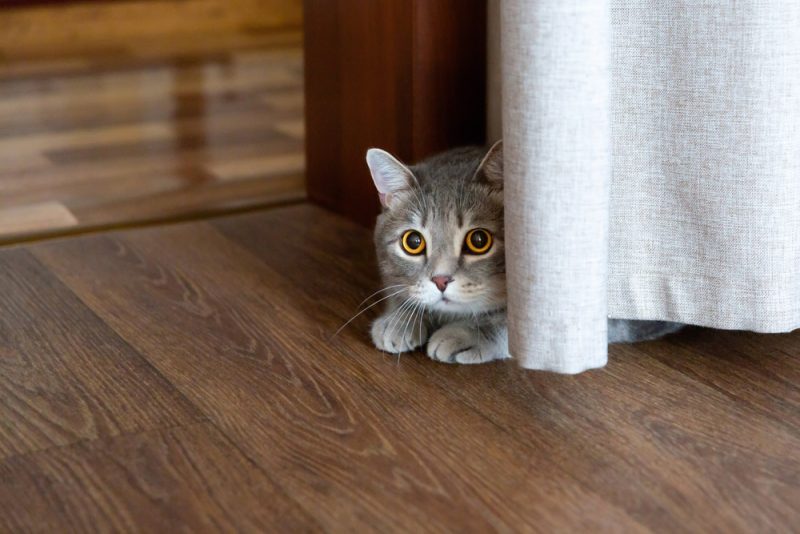
Over the millennia, cats have been forced to defend themselves from predators. When they do, they typically crouch down so that if the need arises, they can spring up and strike their attacker quickly and forcefully. An overstimulated cat will do the same thing because they think that they’re being attacked. If your cat goes into the crouched position, back off and give them their space.
If you don’t, you might have to deal with a cat attack that could leave you with several nasty scratches.
5. Your Cat’s Tail Is Lashing or Swooshing
Cat tails admittedly move in a very irregular fashion. However, if you see your cat’s tail lashing or swooshing back and forth rather forcefully and methodically, that’s a good sign that they’re overstimulated and getting upset. Indeed, the more and faster they lash their tail, the more upset the cat is.
As with the other signs, if your cat is lashing or swooshing their tail, stop petting them, and leave them alone until they calm down.

6. Your Cat Is Growling or Hissing at You
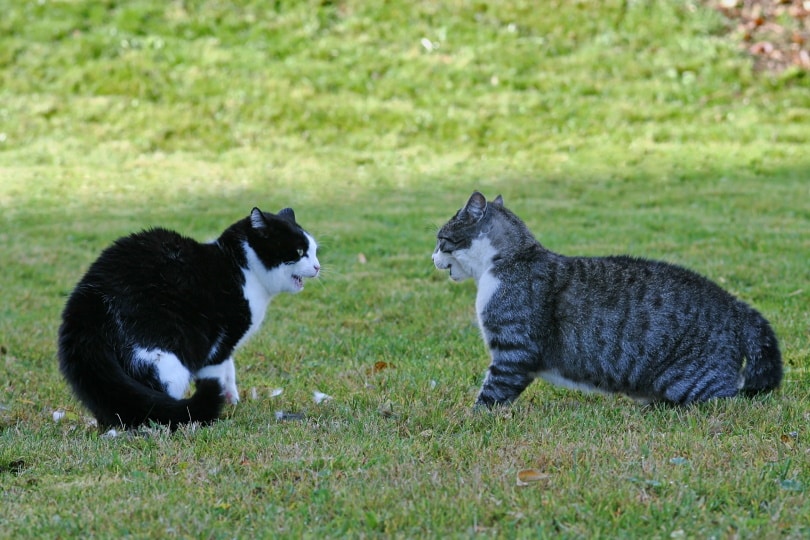
A growling or hissing cat is the universal sign that they aren’t in the mood to be messed with. Ignoring this sign is not a good idea and could lead to getting swatted, bitten, or worse. Growling or hissing is one of the telltale signs of a cat that’s been overstimulated and a clear indication that whatever you’re doing is displeasing to them.
It’s also clear that you should back off and leave them in peace until their anger and fear pass.
7. Your Cat Nips You
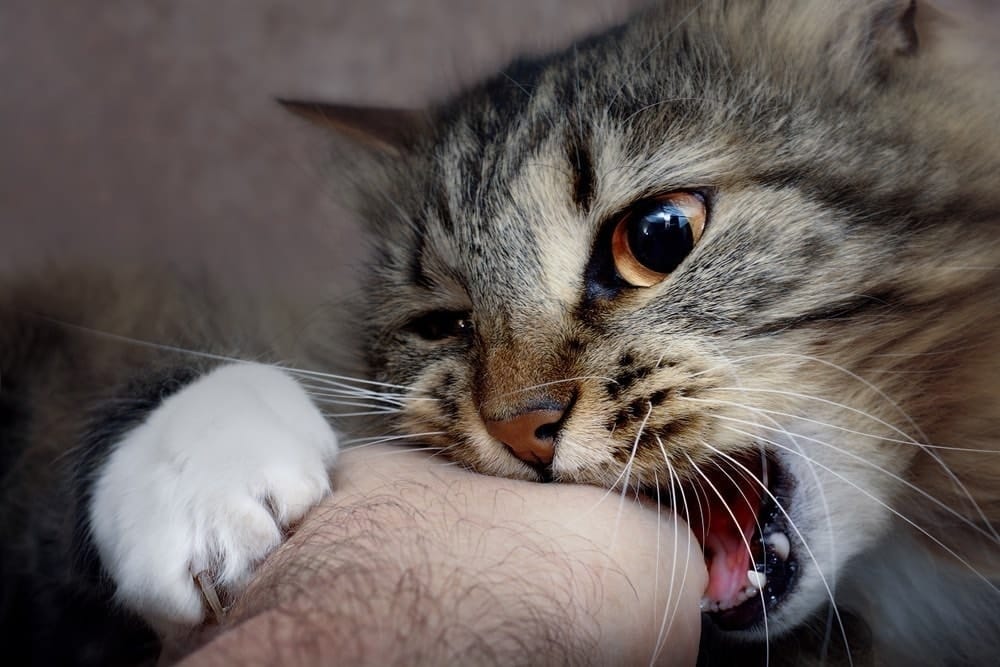
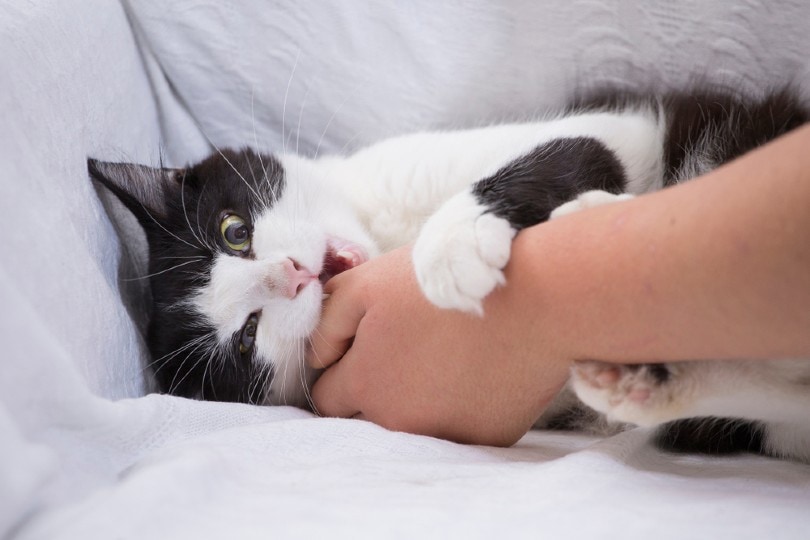
When a cat is overstimulated, your touch can become overwhelming for them, and they will lash out to protect themselves. To do this, they might choose one of their best weapons, their teeth. Usually, an overstimulated kitty will nip first, clearly indicating that they’re not amused. In some cases, they will go right to biting if they feel overtly threatened.
Whatever the case, if your cat starts using their teeth, back off quickly and let them calm down.

8. Your Cat’s Muscles Suddenly Become Tense and Stiff
If you know cats, you know they’re often like a well-used stuffed animal, loose as a goose and floppy like a bunny. If you ever feel your cat tense up like the skin of a drum, you’ve felt what it’s like when they get overstimulated. In other words, they feel rigid, stiff, and tight.
If that happens when they're sitting on your lap, stop petting them immediately and let your cat leave before they swat, nip, or bite you. If you don’t, they will, and a nasty wound might be the result.
9. Your Kitty’s Skin Starts to Twitch
There are several reasons that your cat’s skin, especially on their back, might twitch. One of those reasons is overstimulation. If you’re in the process of petting your cat and their back starts to twitch, you should stop petting them and let them walk (or run) away until the twitching stops. Twitching might also be a response to insects like mosquitoes bothering your cat.
Still, it’s better to err on the side of cat caution and leave them alone for a while.

10. Your Cat Suddenly Turns Their Head Toward Your Hand
One surefire sign your cat is overstimulated is that they suddenly turn their head toward the hand you’re using to pet them. If they do this, it’s likely because they’re contemplating whether to give you a good bite or nip. If that happens, stop rubbing your cat immediately, and move your hands out of reach of their mouth and teeth.
If they want to leave your lap, let them so their fear or anxiety from being overstimulated can pass.
The 5 Tips on How to Avoid Overstimulating Your Cat
If you find that your cat is constantly being overstimulated and lashing out at you, you’ll be happy to know that there are several things that you can do to avoid the problem or at least reduce it significantly.
1. Don’t Pet Your Cat for Too Long
Cats like being petted—until they don’t. Knowing their limit can be difficult because all cats have different levels of overstimulation. One way to figure it out is to time yourself when you start petting your cat and do it several times over several petting sessions. Stop the timer when they show overstimulation signs.
Then, add up the times from the petting sessions and average them. That number can be your baseline, the specific number of minutes you can pet your cat before they start getting overstimulated and lashing out with aggressive behavior.
2. Pet Your Cat Where They Like to Be Petted
If your cat is like most, the part of their body that they like you to pet will be the top of their head. Yes, some cats may occasionally like a stroke or two on their belly, but most don’t. Some cats like to be pet on the end of their back, just above their tail. Other cats might not like that at all and quickly become overstimulated. In short, stick to their head when you want to give your cat a nice scratch, and be wary of overstimulation if you’re stroking or petting anywhere else on their body.

3. Stop Petting and Touching Your Cat at the First Sign of Overstimulation
One of the biggest mistakes many cat parents make is to miss or ignore the signs that their kitty is getting anxious, scared, and overstimulated. Veterinarians agree that as soon as you see any sign your cat isn’t happy, you should stop touching them immediately and put your hands at your side. Then, if they’re on your lap, slowly and gently get up so your cat moves off and can go away and calm down.
4. Don’t Start Petting Your Cat Again for an Hour or Two
Although some cats recover quickly from overstimulation, some don’t and should be left alone until they do. That might be 10 minutes or it might be several hours. Cat experts agree that an hour or two is a good amount of time to wait before you try interacting with your cat after they’ve been overstimulated.

5. Don’t Punish Your Cat If They Lash Out
Overstimulation might not be pleasant for you or your cat, but the last thing you should do is punish your cat for lashing out because of it. Yelling at your cat or even worse, striking them will not only make you feel bad but could also worsen their aggressive behavior the next time they become overstimulated. Let them be, and learn from your mistakes so you avoid the situation entirely next time.
Final Thoughts
There are many ways your cat will tell you that they’re overstimulated and that you need to stop petting, touching, or interacting with them. Knowing the signs that your cat is overstimulated will help you avoid upsetting your precious cat and thus, any injuries, bites, and scratches. Most of the signs are obvious and easy to spot.
We hope that you have enjoyed this information and that it’s given you keen insight into your cat’s behavior. Knowing what overstimulates your cat and how to spot the signs will help you have a much happier and healthier home life and enable you to become fast, furry friends!
Featured Image Credit: Nils Jacobi, Shutterstock

Expert cat care, straight to your inbox
Vet-reviewed advice, behavior tips, and the best of Catster. Free, and you can unsubscribe anytime.
By signing up, you agree to our Terms & Conditions and Privacy & Cookies Policy.
Gregory Iacono former chiropractor and self-taught writer. Greg has experience in a wide variety of subjects including video script. As a man of clinical experience, Greg has the ability to digest a complex subject and make it accessible to the reader. Greg enjoys traveling and spending time with his two daughters and son.
Join the conversation
Ask a question, share your story, or send private feedback.