Get

In Your Inbox

Catster is reader-supported. When you buy via links on our site, we may earn an affiliate commission at no cost to you. Learn more.

How to Get Flytrap Glue off a Cat: 4 Vet-Approved Steps

Share

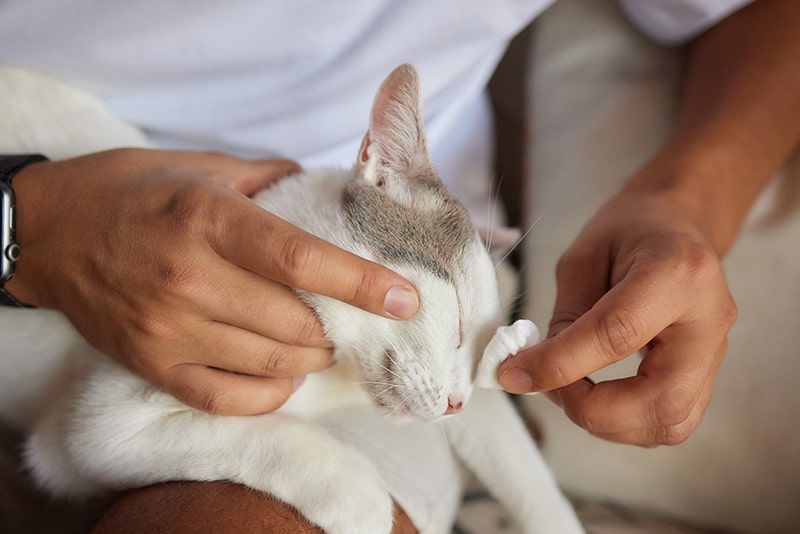
man cleaning his cat using cotton pad

Glue flytraps do an excellent job of eliminating pesky flies, mosquitos, and other insects. Sometimes, these traps can accidentally get stuck to a cat’s fur when one goes in to investigate the sticky substance and trapped insects. If you’re looking for ways to get flytrap glue off a cat, you’re in the right place.

divider cat paws oct 2024

What Are Glue Flytraps?

There are a few types of flytrap devices you can use, and they all have a sticky substance, whether it’s glue or sticky paper tape. Flytraps, such as Raid fly ribbons, do not usually contain any poisonous or toxic ingredients and consist of an adhesive such as rosin and mineral oil. When flies or other pesky insects land on the strip, they become stuck and die. It may not be a pleasant death, but it does the trick. 

Nonetheless, the sticky substance will have to come off your cat at some point if it gets on the coat; the last thing you want is for your cat to get his tongue stuck to his fur while self-grooming. It’s best to hang these devices in areas your cat cannot reach; however, accidents can happen, and your cat may come in contact with the sticky stuff by accident.

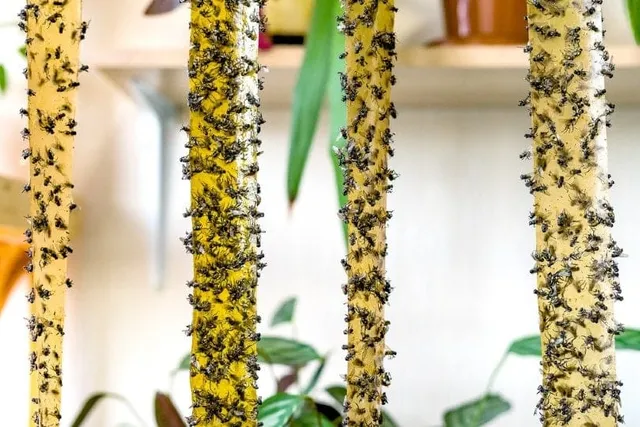
fly stuck on the glue flytrap
Image Credit: Ireshetnikov54, Shutterstock

divider single cat paw oct 2024

Before You Start

An important note we want to make is to remain calm if you see your cat tangled up in flytrap glue. Your cat can hurt himself if he gets riled up from being stuck, and the glue could rip the skin. It’s often best to gently restrain your cat with a towel to calm him down before you begin removing the glue. 

How to Get Flytrap Glue off a Cat Fur

Without further ado, here are four simple steps to rid your cat’s fur of the sticky substance.

1. Oil is your best ally


Image Credit: Deborah Lee Rossiter, Shutterstock

Grab some vegetable oil, canola oil or olive oil. Pour the oil onto the flytrap and begin massaging where the trap is stuck to your cat.


2. Pull gently

Once the trap’s glue has softened, you should be able to gently pull it off your cat but ensure it is loosened so you don’t harm your cat and rip any skin or fur off.


3. Comb

Gently pour a little oil into the area of the fur and massage the oil to loosen the glue. Once the adhesive has softened, brush the fur with a fine-toothed comb.


4. Wash

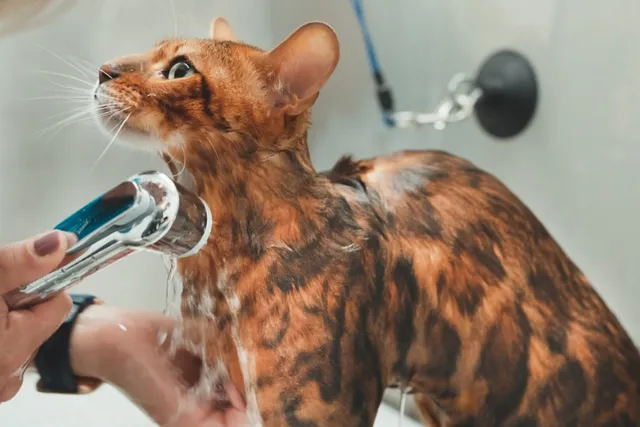
tabby cat getting a bath
Image Credit: ForceAlex, Shutterstock

Wash the area with a cat safe shampoo to remove any residual oil from your cat’s fur. 

Please note:
If your cat is getting very stressed, agitated, is in pain, or the fly trap is not easily removed, you should contact your vet for assistance rather than persisting at home. 

divider single cat paw oct 2024

How to Keep Your Cat Safe from Flytraps

While glue flytraps are not toxic to cats, you still want to keep your cat away from encountering the sticky substance to avoid this problem. Ensure you hang the traps out of your cat’s reach. Cats are expert climbers, so keep this in mind while choosing a place to hang the device. 

Avoid hanging one in an area where your cat can climb to it, such as above a self or some other object your cat can jump up on. Cats are curious and love to bat at objects, and if he bats at a glue flytrap, odds are, the device will get stuck to the paw.

siberian cat lying on the rug inside the house
Image Credit: evrymmnt, Shutterstock

Are Glue Traps Humane?

Glue traps are sometimes used to kill rodents, such as mice and rats, making for a long, terrifying, and agonizing death to these animals. Some even chew their limbs off in an effort to break free but die anyway due to blood loss. Moreover, non-targeted animals, such as birds, squirrels, snakes, lizards, chipmunks, and others, get stuck in these traps and also die. We urge you to use a quicker and more humane method to rid your home of these types of animals.

thin catster divider

Final Thoughts

Glue flytraps are effective in killing flies and other pesky insects. If you’re a cat owner, it’s important to hang these devices in areas your cat cannot reach. While non-toxic, your cat can panic if a fly glue trap gets stuck to the fur or paw, which could result in injury if not dealt with immediately.

If your cat encounters a glue flytrap, you can remove the glue from the fur or paw using the steps mentioned above. If it is not easily removed then you should seek veterinary assistance.


Featured Image Credit: Vershinin89, Shutterstock

Want content like this delivered to you?

Sign Up For Our Newsletter

News, insights, expert advice, and everything cat

* By submitting, you agree to our Terms & Conditions and Privacy & Cookies Policy.


How useful was this post?

Click on a star to rate (you can leave written feedback after clicking submit)

Help us improve Catster for pet parents!

Your feedback really matters.

What did you like about this post? Also how can we improve it?

Join the conversation

Leave a Reply

You’re very welcome to leave a comment or question. Please know that all comments must meet our community guidelines, and your email address will NOT be published. Let’s have a positive and constructive conversation.


Talk With A Vet Online

Peace of mind,
anywhere, anytime

Affordable vet advice

Do Cats Cause Schizophrenia? Scientists Find a Link – Here’s What It Means

Being a fierce advocate (and occasional recipient of) mental health support and awareness, the term ‘crazy’ is not one I like to fling...

One in 100 Cats Gets Diabetes – Here’s How to Catch It Early

One in every 100 cats develops diabetes.1 That’s not a rare, unlucky condition reserved for cats with obvious health problems. It’s common enough...

Dramatic Rescue Turns Into Dramatic Reunion

What started as a routine call for the RSPCA became a heroic, five-hour rescue featuring one trapped and traumatized cat, an emotional family...

Ask Dr. Paola – Help! How Do I Know if it’s Ear Mites! (May 4, 2026)

Welcome to our “Ask Dr. Paola” series, where every Monday we bring expert advice straight from Dr. Paola Cuevas (MVZ) to help our...

More related

14 Fascinating Facts About Tuxedo Cats

Whether you live with a tuxedo cat, you are thinking of adopting one as a family pet, or you prefer admiring them from...

19 Best Gifts Ideas for Cat Dads of 2026

Many people don’t realize that men can be just as attached to their pets as women are. Many people struggle with purchasing gifts...

How to Calm a Crazy Cat: 6 Vet-Approved Tips & Causes of Extra Energy

With their sudden energetic outbursts, wall-climbing maneuvers, putting their butts in our face, and countertop cruising, you might be forgiven for thinking that...

Does Baby Powder Kill Fleas on Cats? Vet-Reviewed Facts & Safety Explored

Fleas are cats’ most common skin parasite. They not only cause skin problems but can also transmit diseases to you and your cat....

Keep reading

How Many Teeth Does a Cat Have? Vet-Approved Facts & Infographic

If you’ve ever watched your cat eat or peered into their mouth, you’ll have noticed their impressive pearly white teeth. Cats have roughly as many teeth as us humans, with kittens sporting 26 deciduous (baby teeth) and adult cats boasting...

Cat-meowing

Can You Use Baby Shampoo on a Cat? Feline Shampoo Guide

Many cats don’t particularly enjoy being bathed, but sometimes it is necessary. Most cats never need shampooing, but if your cat has a skin condition that needs treating or has rolled in something that you need to clean off, you...

grey cat bath shampoo bubbles

Why Do Cats Like Feet? 8 Interesting Reasons

Cats can be quite quirky, often making toys out of the most ordinary objects that they can find. One mundane thing that cats seemingly love to sniff, rub against, and play with is the feet of humans. Some cats seemingly...

cat smells, lick feet and toes in bed

Does Tea Tree Oil Kill Fleas on Cats? Effectiveness & Safety Reviewed by Our Vet

If your cat has a serious flea problem, you could become desperate enough to try anything to resolve the issue. Waking up with several new red bumps along your skin and watching your cat scratch uncomfortably is never pleasant. Tea...

tea tree essential oil

How Much Is Too Much To Spend On A Sick Pet? Vet-Reviewed Facts & FAQ

Taking your pet to the vet for even routine care, such as vaccinations, can be pricey. But what about when your pet is ill and needs long-term or emergency care? Those costs could become astronomical, which begs the question of...

cat in the clinic with veterinarian and owner

What Is Cat Grass? Vet-Reviewed Benefits, Safety & Growing Tips

You may have seen your outdoor cat nibbling on the grass outside and wondered what they were up to. Many cats enjoy eating grass, but what about indoor cats that don’t get the chance to chew on that green stuff?...

cat eat young wheatgrass

Cat Preventive Care for Good Health & Longevity: 8 Fundamental Pillars

There is an aspect of veterinary medicine that is called preventive care; meaning preventing health problems through proactive measures. Preventative care means better health outcomes and a happy, comfortable cat. This guide will cover the importance of preventive care in...

cat being observed by a female veterinarian

Purina ONE Cat Food Review of 2026: Recalls, Pros & Cons

Review Summary Purina has been a popular pet food company since it was founded in 1894. Since then, its recipes have changed dramatically. New research has come to the forefront of pet care that has defined healthy and unhealthy ingredients...

Purina One Cat Food Review

Love Cats? So Do We! Join the Catster Community

Stay informed with expert pet care insights delivered straight to your inbox! Discover professional guidance on animal behavior, feeding tips, trusted product picks, and much more.


Sign up for the Catster Email Newsletter

Stay informed with expert pet care insights delivered straight to your inbox! Discover professional guidance on animal behavior, feeding tips, trusted product picks, and much more.