Fostering a Pregnant Cat: 9 Things to Know (Vet Approved)


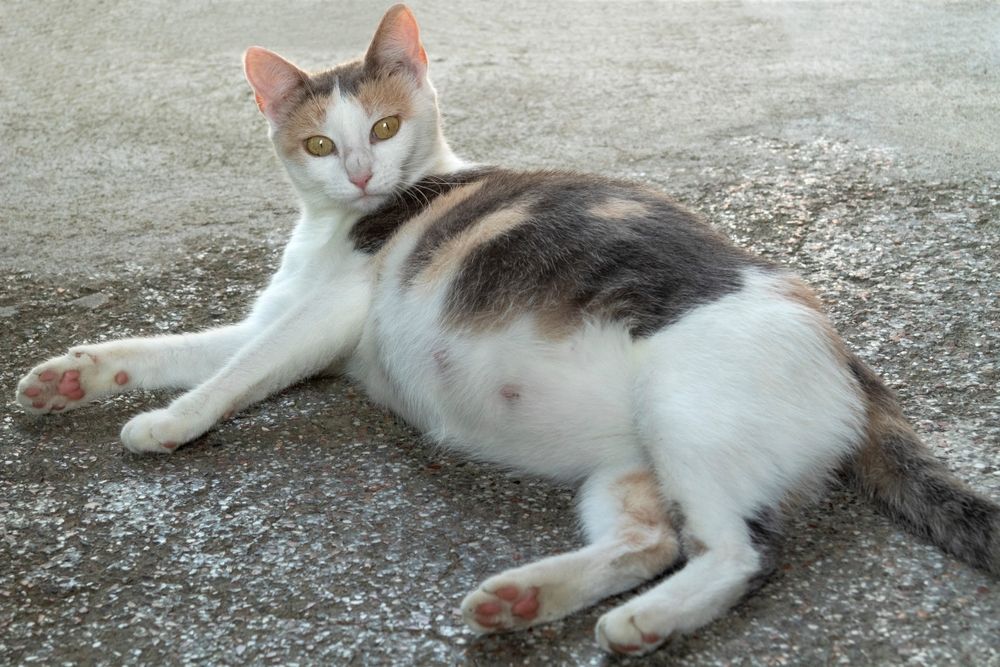
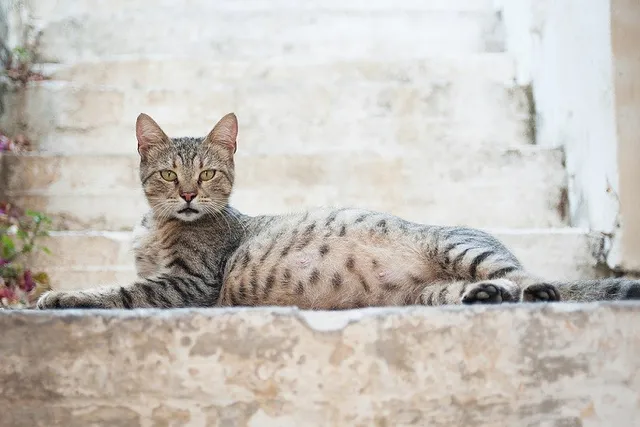
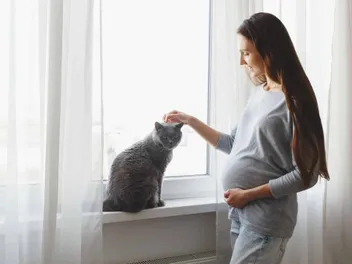
Fostering any cat is a rewarding experience for you and for the cat. Taking on a pregnant cat does require more of a commitment, but it also means that you could potentially be saving half a dozen lives or more. While the work that they do is incredible, the fact is that shelters and rescue centers are stressful, difficult environments, even for cats in top condition. For pregnant cats, they increase the risk of a difficult birth.
Here, we look at some of the reasons you should consider fostering a pregnant cat and some of the things you need to consider before doing so.

The 9 Things to Know About Fostering a Pregnant Cat
1. You Could Be Saving a Lot of Lives
Pregnancy is difficult for cats and can be especially difficult if they don’t have ideal conditions during their pregnancy and the birth itself. Being in a quiet, warm home, away from other cats and animals, means that mom and kittens will have better conditions so they should be healthier.
Typically, a pregnant cat will give birth to a litter of four to six cats, so including the mother, you could be saving half a dozen feline lives or more.

2. It Is an Incredible Experience
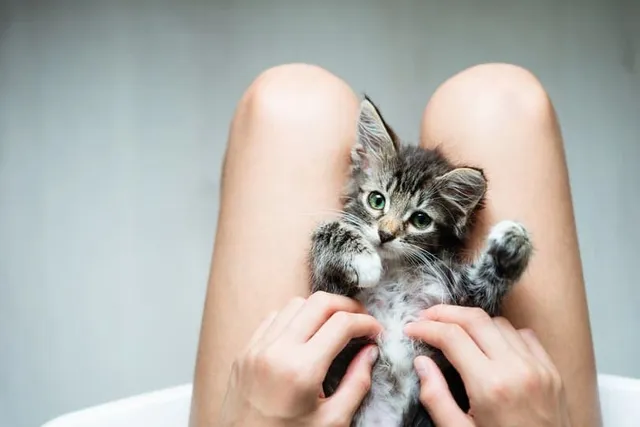
Kittens are beautiful, and the relationship that most mother cats share with their kittens is equally beautiful. Even if you plan to adopt a kitten, they will likely be 8 to 12 weeks old when they leave their mother and come to live with you.
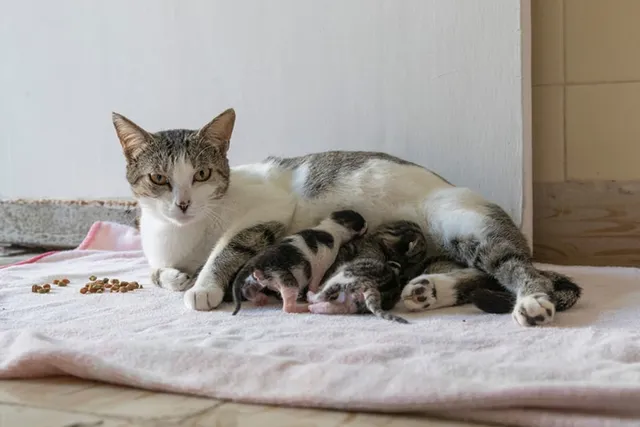
By fostering a pregnant cat, you get to enjoy seeing the birth and the relationship between parent and young kittens, while also enjoying seeing the kittens develop. You can enjoy this whole experience without having to commit a lifetime of looking after the kittens, which isn’t possible for everybody.
3. It Is a Commitment
As amazing as the whole experience is, fostering any animal takes a big commitment. You will likely have the pregnant mother and the kittens for at least 3 months. They will need space, and you need to ensure you have all the supplies necessary.
It is also a commitment of time because the mom will need care and attention, you may be woken in the night for the birth, and the kittens might need regular feeding and care if the mother is struggling after the birth.

4. Not Many People Want That Level of Commitment
Due to the amount of time, financial (though most shelters will cover the costs of food and supplies for foster animals), and emotional commitment required to care for a pregnant cat and her kittens, there aren’t many people willing to take them on. This means that a lot of pregnant cats remain in the care of shelters or worse, don’t find a place in a shelter while pregnant.
Even if you aren’t able to offer a cat a home for life, fostering is a great way to care for cats. Fostering a pregnant cat means you are caring for several.
5. It May Help the Kittens Get Adopted
Kittens need to start socializing from an early age. Meeting and spending time with humans, as well as their moms, means they will develop the social skills they need to live with human families. In a rescue, they are unlikely to get the level of socialization they need, which means they can be wary of people. When potential adopters visit rescues, they are typically looking for those cats and kittens that are comfortable around people.
By giving them social interaction when they are young, you can help kittens become more adoptable, so they have a better chance of finding loving family homes in the future.

6. The Mother Will Need Space
Fostering a pregnant cat will pose some challenges. She may be very distrustful of people, depending on the life she had previously and the reasons she has ended up in a shelter. At the very least, your new pregnant cat won’t know you and may not entirely trust you from day one.
Allow the mother as much space as she wants. Let her have her own space. You can check on her, talk to her, and ensure that her litter tray is clean and other supplies are refreshed, but let her come to you.
7. You'll Need to Have Supplies Ready
You will need to provide somewhere warm and comfortable for the mother cat. You are going to need a nesting box, bed, litter tray, bowls, blanket, and some other items to make the cat’s life as comfortable as possible.
When your cat goes into labor, everything can start to move quickly. Make sure you gather the necessary materials and have the shelter vet's phone number handy. You will need multiple towels, along with clean scissors, iodine, and dental floss in case you need to assist in cutting the umbilical cord. On the big day, you should place food and water close to the mother so she can eat and drink and replenish her energy.
Check out these posts with more information, so you can be prepared for the big event:
8. You'll Need to Observe the Process From a Distance
Normally, mother cats (queens) do the best job at delivering and caring for their kittens and will need minimal intervention from you. However, if you notice that the mother is struggling more than normal to deliver or she is not attending to the newborn kittens, she might need help. Get in contact with the shelter’s vet, and describe the situation as accurately as possible. They will tell you exactly how best to proceed, depending on your foster queen’s case.
9. You'll Have to Watch the Mother and Kittens for Signs of Ill Health
Giving birth is physically demanding for the mom, and young kittens are very fragile. You will need to keep a close eye on mom and her kittens to look for signs of ill health. Do give them space and time, but check on all the cats every couple of hours.
The kittens will stay with mom and be completely dependent on her for the first week, after which time, they should open their eyes and try to move around a little. You will need to be on hand to help and ensure everybody is healthy and safe.

How Long Are Cats Pregnant For?

On average, cats are pregnant for approximately 65 days, which is around 9 weeks. However, the mother might give birth a few days earlier or later. Once she goes into labor, you can expect the kittens to be born anywhere from a couple of minutes to 1 hour apart. However, it is completely normal for the queen to deliver a few kittens, take a rest for food and water, and then deliver the rest. This rest can even be as long as 24–36 hours. But if you notice that the cat is straining for more than 20 minutes without successfully delivering, a kitten seems to be trapped in the birth canal, the queen is bleeding excessively or looks depressed, immediately speak to a vet for advice.
How Do I Know When a Cat Is About to Give Birth?
Several signs indicate that a cat is going into labor. She can become restless and vocal. If the cat is pacing and seems anxious, this is a good sign. She will start to breathe more rapidly, and when contractions start, the cat will look like she is trying to eliminate.
How Many Kittens Do Cats Have?
The average size of a litter is four kittens, with most cats having between four and six young ones. It is common for pedigree breeds to have more kittens, and cats can have as many as 10 kittens or as few as one.
Ideally, you should avoid touching newborn kittens. But if the mother won’t clean the kittens or if you believe they need help, it may be necessary. Keep contact minimal, but be prepared to help as required. If you need to clean the kittens, do so with a clean cloth, starting with the nose and mouth to ensure that they are breathing. Hand them back to the mom as soon as possible, and hopefully, she will take care of the rest. If she does not, call the vet for further instructions.

Conclusion
Fostering a cat could save that cat’s life, and fostering a pregnant cat means you could save the mother and her litter. It does require a major commitment in terms of money, preparedness, and time, but besides offering a safe and warm environment to the mother and kittens, you can set the kittens up for better lives because early interactions with you will make them more appealing to potential adopters in the future.
Sources
Featured Image Credit: ivona02, Shutterstock
Expert cat care, straight to your inbox
News, insights, and useful advice, delivered to you.

No spam — unsubscribe anytime.
By signing up, you agree to our Terms & Conditions and Privacy & Cookies Policy.
How useful was this post?
Click a star to rate. You can leave written feedback afterwards. (We read all feedback.)
Nicole is a lover of all animals, especially of the feline variety. She's mom to four, three fur babies and a human baby. She and her husband, John, live on a large forest property down in New Zealand.
Their beautiful Burmese cat Baby (who is now 17 years old) was their first child, though he is now called Baby Cat since their human baby joined the party in 2022. The dogs Rosa and Mac also love cats, but the whole family agrees that King Baby Cat is enough cat for this household.
Nicole is the Director of Content Management at Catster and Pangolia. With a Bachelor's degree in Education and years of online experience, she shares her pet knowledge and the knowledge of other professionals with the world, aiming to improve pets and pet parents' lives.